Overview
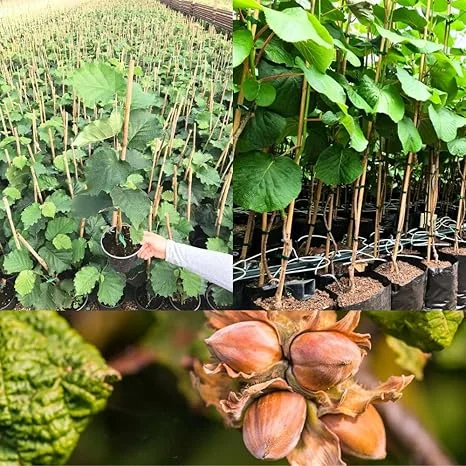
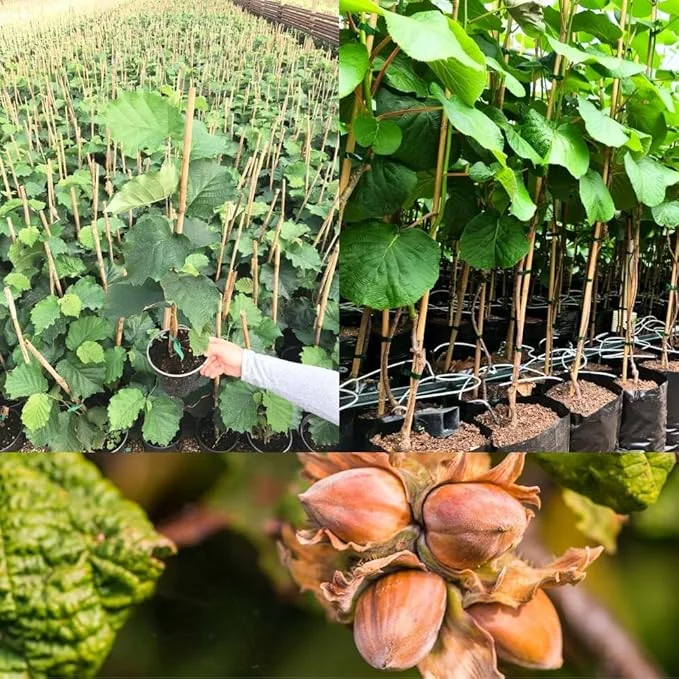
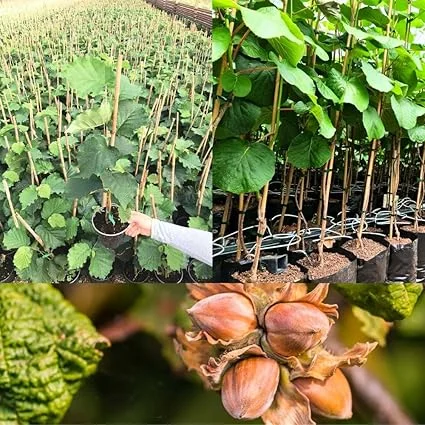
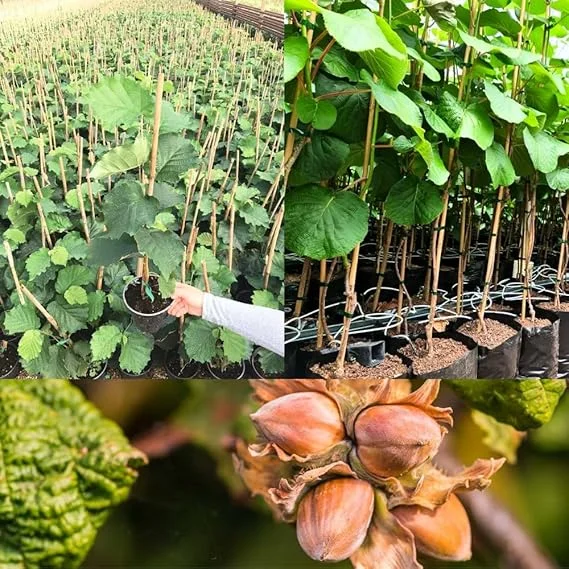
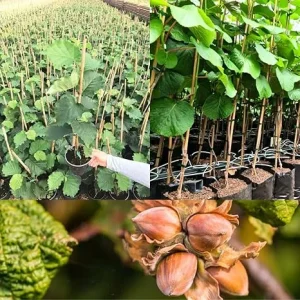
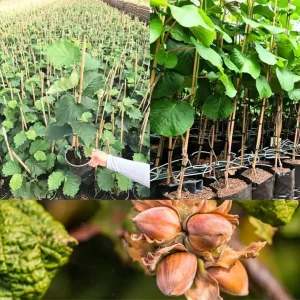
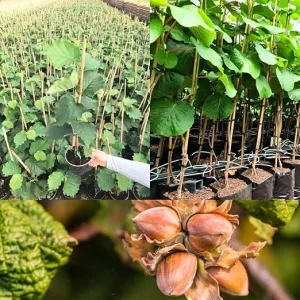
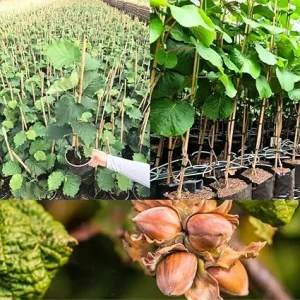
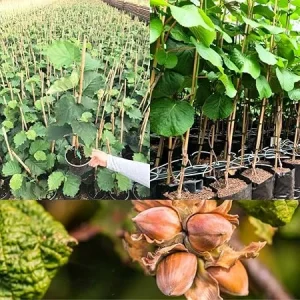
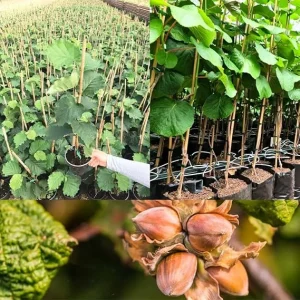
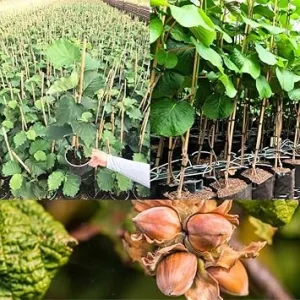
Bring the joy of home-grown nuts to your garden with this robust hazelnut tree live plant. Delivered as a fresh, well-rooted specimen, this Corylus avellana cultivar typically ranges from 1.5 to 2 feet (18-24 inches) tall, making it ready for immediate planting upon arrival. Known for its delicious and nutritious nuts, the hazelnut tree is a fantastic addition to any edible landscape or backyard orchard. These trees are not only productive but also offer ornamental value with their attractive foliage. Growing your own cold hardy nut tree allows for a sustainable and rewarding gardening experience, providing fresh, organic hazelnuts right from your yard. This particular variety is selected for its vigorous growth and adaptability, ensuring a successful planting experience for both novice and experienced gardeners looking to grow hazelnuts.
This hazelnut tree live plant is an excellent choice for those seeking to create a permaculture-inspired garden or simply to enjoy the bounty of fresh, crunchy hazelnuts. Its resilience and relatively compact mature size make it suitable for a variety of garden settings. It’s a natural choice for an outdoor hazelnut tree, contributing to local biodiversity and providing a valuable food source. The ease of care and the promise of a delicious harvest make this a truly rewarding plant to cultivate.
Key Benefits
Investing in a hazelnut tree offers numerous advantages, from culinary delights to ecological contributions. This hazelnut tree live plant provides a sustainable source of nutritious nuts and enhances your garden’s appeal.
- Sustainable Nut Production: Enjoy fresh, organic hazelnuts directly from your garden, reducing reliance on store-bought options and promoting sustainable living. Growing your own nuts is an incredibly satisfying and eco-friendly endeavor.
- Cold Hardiness: This variety is specifically chosen for its excellent cold tolerance, thriving in USDA Zones 4-9. This makes it a reliable choice for many regions, ensuring the plant can withstand colder temperatures and produce fruit consistently.
- Vigorous Growth: Known for being fast-growing and adaptable, this cold hardy nut tree establishes quickly in various climates and soil types. Its robust nature makes it an ideal plant for beginners and seasoned gardeners alike.
- Edible Landscape Addition: Perfect for creating an edible landscape plant, the hazelnut tree combines aesthetic appeal with practical food production. It adds structure and interest to your garden while yielding a valuable crop.
- Compact Mature Size: Reaching a manageable mature height of 8-12 feet, this tree grows into a multi-stemmed shrub or small tree. This compact size makes it suitable for smaller yards and urban gardens where space might be a consideration, unlike larger fruit trees.
- Wildlife Attraction: The nuts provide a valuable food source for various wildlife, including squirrels and birds, contributing to the ecological balance of your garden. An outdoor hazelnut tree can become a vibrant part of your local ecosystem.
- Low Maintenance: Once established, hazelnut trees are relatively low maintenance, requiring minimal care compared to many other fruit-bearing plants. This allows you more time to enjoy your garden rather than constantly tending to it.
Plant Care & Growing Tips
Caring for your hazelnut tree live plant is straightforward, ensuring a healthy and productive tree for years to come. These resilient plants are quite forgiving, making them an excellent choice for gardeners of all experience levels. To successfully grow hazelnuts, understanding their basic needs is crucial for optimal health and nut production.
Sunlight Requirements: Hazelnut trees thrive in full sun, meaning they need at least 6-8 hours of direct sunlight per day to produce the best yields. While they can tolerate partial shade, nut production may be reduced. When planting your outdoor hazelnut tree, choose a location that receives ample sunlight throughout the day. Ensure good air circulation around the tree to prevent fungal issues. This robust cold hardy nut tree will reward proper sun exposure with abundant harvests.
Watering & Soil: Consistent moisture is important, especially during the first few years after planting and during dry spells. Water deeply and regularly, ensuring the soil remains moist but not waterlogged. Hazelnut trees prefer well-draining soil with a pH between 6.0 and 7.0. They are adaptable to a range of soil types, including sandy loams and clay loams, as long as drainage is adequate. Avoid heavy, compacted soils that can lead to root rot. A layer of mulch around the base of the tree can help retain soil moisture and suppress weeds. Proper soil conditions are key to nurturing a thriving edible landscape plant.
Temperature & Fertilization: These trees are highly cold-hardy, flourishing in USDA Zones 4-9. They require a certain period of cold dormancy for optimal nut production. Fertilize in early spring with a balanced slow-release fertilizer or a compost-rich amendment. Avoid over-fertilizing, which can promote excessive leafy growth at the expense of nut development. Pruning should be done in late winter or early spring to remove dead or crossing branches, and to maintain an open structure for good air circulation and light penetration. Watch for common pests like Japanese beetles or fungal diseases, and address them promptly with organic or conventional treatments as needed. With proper care, you’ll be able to grow hazelnuts successfully.
Size & Details
This offering is for one hazelnut tree live plant, delivered as a fresh, well-rooted specimen. The plant typically stands between 1.5-2 feet (18-24 inches) tall at the time of shipment, ready for direct planting into your garden or a larger container. These young trees are grown for vigor and health, ensuring they have a strong start in their new environment. Upon maturity, this cold hardy nut tree will develop into a multi-stemmed shrub or a small tree, reaching an average height of 8-12 feet tall and a similar spread. This makes it an ideal size for most residential landscapes, allowing you to grow hazelnuts without requiring vast amounts of space.
The tree will begin producing nuts within 3-5 years, with yields increasing as the tree matures. While it is a solitary plant, planting multiple hazelnut trees can often lead to better cross-pollination and increased nut production. The plant is shipped without a pot, with its roots carefully protected to ensure viability during transit. Its adaptability to various USDA Zones (4-9) further emphasizes its robustness as an outdoor hazelnut tree, making it a reliable choice for many American gardeners seeking an edible landscape plant.
Frequently Asked Questions
- Q: How big does this hazelnut tree get? A: This hazelnut tree live plant typically reaches a mature height of 8-12 feet and a similar spread, forming a multi-stemmed shrub or small tree. Its compact size makes it suitable for various garden spaces.
- Q: Is this an indoor or outdoor plant? A: This is an outdoor hazelnut tree, specifically bred to thrive in garden settings within USDA Zones 4-9. It requires a period of cold dormancy and full sun exposure to produce nuts effectively.
- Q: How much sunlight does it need? A: For optimal growth and nut production, your cold hardy nut tree requires at least 6-8 hours of direct sunlight per day. Full sun exposure is highly recommended to successfully grow hazelnuts.
- Q: Is this plant easy to care for? A: Yes, hazelnut trees are considered relatively easy to care for once established. They are adaptable and forgiving, making them a great choice for both beginner and experienced gardeners looking for an edible landscape plant.
- Q: What condition will it arrive in? A: Your hazelnut tree live plant will arrive as a fresh, well-rooted specimen, typically 1.5-2 feet tall. It will be carefully packaged to ensure its health during transit, ready for immediate planting.
- Q: How long until it starts producing nuts? A: You can generally expect your hazelnut tree to start producing nuts within 3-5 years after planting, with increasing yields as the tree matures and establishes itself.
- Q: Will it survive winter in my zone? A: Yes, this cold hardy nut tree is suitable for USDA Zones 4-9, meaning it is well-equipped to withstand cold winter temperatures within these zones. It requires this cold period for proper dormancy and nut development.
- Q: What kind of soil does it prefer? A: Hazelnut trees prefer well-draining soil with a neutral to slightly acidic pH (6.0-7.0). They can adapt to various soil types, but good drainage is crucial to prevent root issues.
- Q: Do I need more than one tree to get nuts? A: While many hazelnut varieties are self-fertile to some extent, planting two or more different hazelnut varieties can significantly improve cross-pollination and lead to higher nut yields.
- Q: Can I grow hazelnuts in a large container? A: While possible in very large containers, hazelnut trees perform best when planted directly in the ground, allowing their root systems to fully develop. If using a container, ensure it’s very large and provides adequate drainage.


Reviews
There are no reviews yet.