Overview
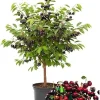
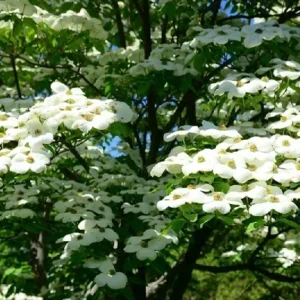
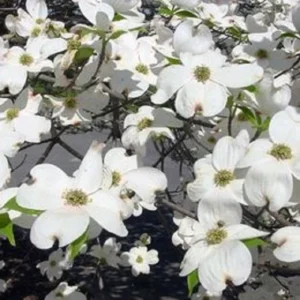
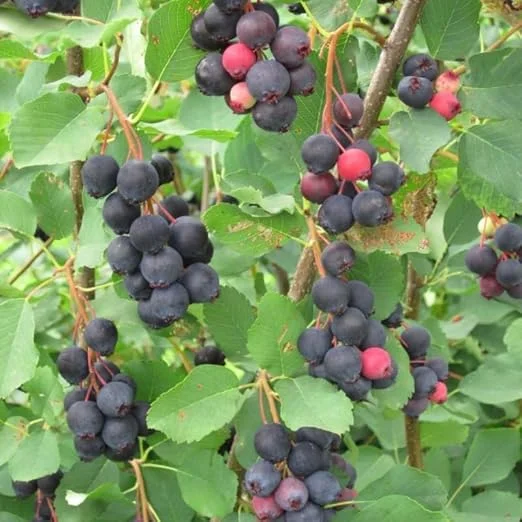
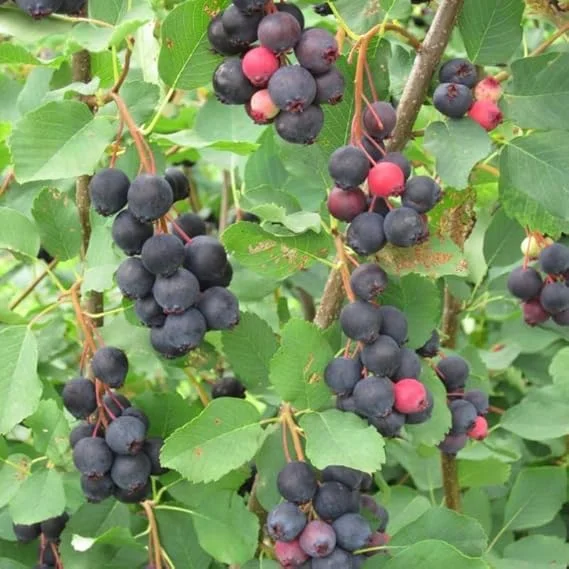
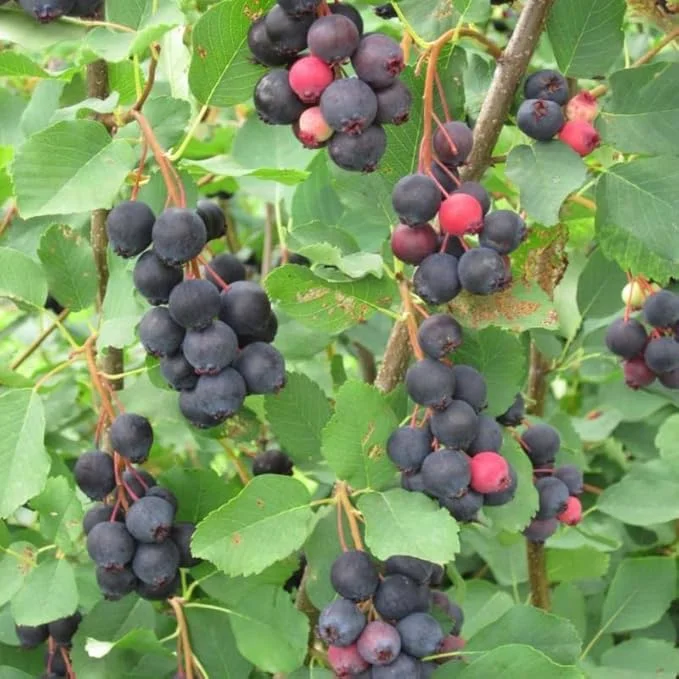
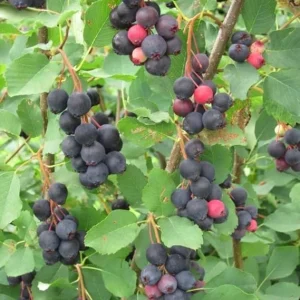
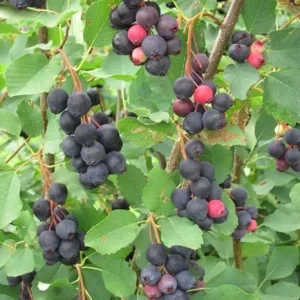
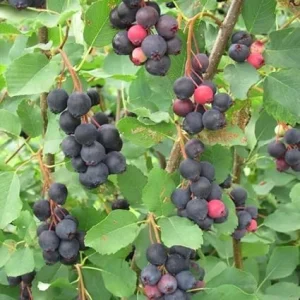
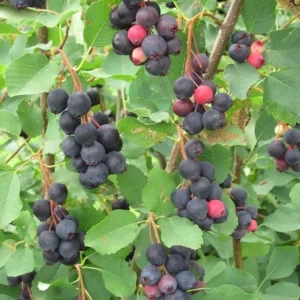
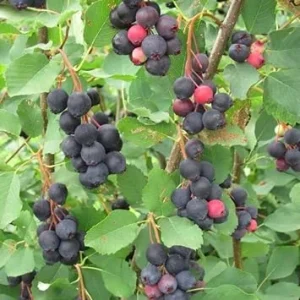
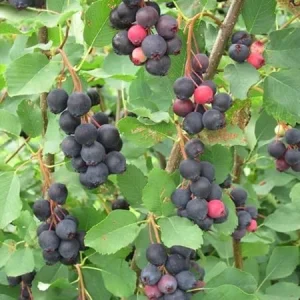
Introduce a touch of native elegance and seasonal beauty to your garden with this vibrant serviceberry tree live plant. Also known as Juneberry, Saskatoon, Shadbush, or Amelanchier, this versatile tree offers year-round appeal. In early spring, its branches become adorned with a profusion of delicate white flowers, signaling the arrival of warmer weather. As spring transitions to summer, these blossoms give way to small, sweet, blue-purple berries, a delightful treat for both humans and local wildlife. Come autumn, the foliage transforms into a spectacular display of oranges, reds, and golds, providing stunning visual interest before the plant enters its winter dormancy. This particular specimen arrives as a 12-18 inch tall plant in a quart pot, ready to establish itself in your landscape and begin its journey of growth and beauty. It’s an excellent choice for those seeking a multi-season plant that is both attractive and beneficial to the ecosystem.
The amelanchier tree is a fantastic addition for gardeners looking for low-maintenance yet high-impact plants. Its adaptability to various soil types and moisture levels, combined with its cold-hardiness, makes it a reliable choice for many regions. Whether you’re aiming to attract birds, create a natural privacy screen, or simply enjoy its ornamental qualities, the serviceberry is a superb option. Expect a plant that will mature gracefully, providing shade, beauty, and delicious fruit for many years to come.
Key Benefits
Cultivating a serviceberry tree live plant in your garden brings a multitude of advantages, enhancing both the aesthetic and ecological value of your outdoor space. This hardy and beautiful plant is a true garden workhorse.
- Three-Season Interest: Enjoy a continuous display of beauty from spring through fall. The tree bursts into white flowers in early spring, produces edible berries in early summer, and showcases brilliant orange, red, and gold foliage in autumn. It’s a dynamic addition to any landscape.
- Edible & Delicious Berries: The small, sweet, blue-purple berries ripen in early summer and are perfect for fresh eating, pies, jams, or attracting beneficial wildlife. These nutritious berries are a highlight of the season.
- Attracts Wildlife: The flowers provide nectar for pollinators, and the berries are a favorite food source for birds, making this an ideal choice for a wildlife-friendly garden. This creates a vibrant, living ecosystem right in your backyard.
- Cold-Hardy & Adaptable: Thriving in USDA Zones 4-9, this hardy berry tree is resilient and can grow in a wide range of soil types and moisture levels once established. This makes it suitable for diverse climates and garden conditions.
- Low Maintenance: Once established, the serviceberry tree is notably low-maintenance and long-lived, requiring minimal care to flourish. This is a significant benefit for gardeners seeking beautiful plants without excessive upkeep.
- Compact Size for Versatility: Reaching a mature height of 15-25 feet, it’s perfect for small yards, mixed borders, or as an understory tree. Its manageable size makes it a versatile choice for various garden designs.
- Beautiful Fall Foliage: The stunning transformation of its leaves into vibrant shades of orange, red, and gold provides a spectacular autumn show, adding significant curb appeal to your property.
Plant Care & Growing Tips
Proper care is essential to ensure your serviceberry tree live plant thrives and provides years of beauty and fruit. This resilient plant is generally easy to care for, especially once established, making it a rewarding choice for gardeners of all experience levels. Understanding its basic needs will help you cultivate a robust and healthy tree.
For sunlight exposure, the serviceberry prefers full sun to partial shade. Full sun (at least 6 hours of direct sunlight per day) will promote the best flowering and berry production, as well as the most vibrant fall foliage. If planted in partial shade, it may still grow well but might have fewer flowers and berries, and less intense fall color. Regarding watering, the serviceberry requires moderate watering, especially during its establishment phase. Ensure the soil remains consistently moist but not waterlogged. Once established, it becomes more drought-tolerant, but regular watering during dry spells will benefit its overall health and productivity. The best soil type for this plant is well-drained soil. While adaptable to a wide range of soil conditions, including clay, sand, and loam, good drainage is crucial to prevent root rot. Amending heavy clay soils with organic matter can improve drainage.
The serviceberry plant care routine also includes considering its cold-hardiness. This plant thrives in USDA Zones 4-9, indicating its excellent tolerance to cold temperatures. It can withstand winter dormancy, often appearing leafless during late fall and winter, which is completely normal. Fertilization is not always necessary, especially if planted in fertile soil. However, if your soil is poor, a balanced, slow-release granular fertilizer applied in early spring can encourage growth. Avoid over-fertilizing. Common problems are rare for serviceberries, but watch out for powdery mildew in humid conditions or leaf spot. Good air circulation and proper watering practices can help prevent these issues. Pruning is generally minimal, focused on removing dead, damaged, or crossing branches to maintain a healthy structure and shape. This careful attention will ensure your garden serviceberry remains a highlight of your landscape.
Size & Details
This offering is for one serviceberry tree live plant currently measuring 12-18 inches in height. It comes potted in a quart-sized container, providing a well-established root system ready for transplanting into your garden. The current size makes it easy to handle and plant, allowing for quick establishment. During late fall and winter months, the plant will naturally be dormant and leafless, which is a normal and healthy stage of its life cycle for cold-hardy species. Do not be alarmed by its appearance during this period; it will leaf out beautifully in spring.
Serviceberry trees are known for their moderate growth rate and can typically reach a mature height of 15-25 feet tall and a spread of 10-15 feet, making them an excellent choice for a variety of landscape applications, including small yards, wildlife gardens, or mixed borders. The tree typically begins producing berries within 2-3 years of planting, with peak production occurring as it matures. Its long-lived nature ensures that with proper care, this tree will be a cherished part of your garden for decades.
Frequently Asked Questions
- Q: How big does this plant get? A: This serviceberry tree live plant typically reaches a mature height of 15-25 feet tall and a spread of 10-15 feet. Its ultimate size depends on growing conditions and care, making it adaptable to various garden spaces.
- Q: What size pot does it come in? A: The serviceberry plant is shipped in a quart-sized pot. This size provides a good root system for successful transplanting and establishment in your garden.
- Q: Is this an indoor or outdoor plant? A: The serviceberry is an outdoor plant, highly cold-hardy and best suited for planting directly in the ground in USDA Zones 4-9. It requires seasonal changes to thrive and is not suitable for long-term indoor cultivation.
- Q: How much sunlight does it need? A: This tree thrives in full sun, meaning at least 6 hours of direct sunlight per day, for optimal flowering and berry production. It can tolerate partial shade, but performance may be reduced.
- Q: Is this plant easy to care for? A: Yes, once established, the serviceberry plant care is considered low-maintenance. It’s a robust and adaptable tree that requires minimal intervention beyond initial planting and occasional watering during dry spells.
- Q: What condition will it arrive in? A: During late fall and winter, the plant will arrive dormant and leafless, which is perfectly normal for this cold-hardy species. In warmer months, it will arrive with foliage. It will be well-packaged to ensure safe transit.
- Q: When is the best time to plant a serviceberry tree? A: The best time to plant a garden serviceberry is typically in early spring or early fall. This allows the plant to establish its root system before extreme summer heat or winter cold sets in.
- Q: Will it survive winter in my zone? A: Yes, the serviceberry tree is highly cold-hardy and thrives in USDA Zones 4-9. It is well-adapted to surviving cold winters and will enter a natural dormancy period.
- Q: Can the berries be eaten? A: Absolutely! The small, blue-purple berries produced by the amelanchier tree are sweet and edible. They can be enjoyed fresh, baked into pies, made into jams, or used in other culinary creations.
- Q: Is this plant suitable for attracting wildlife? A: Yes, serviceberry trees are excellent for attracting wildlife. Their spring flowers provide nectar for pollinators, and their summer berries are a favorite food source for many bird species.


Reviews
There are no reviews yet.