Overview
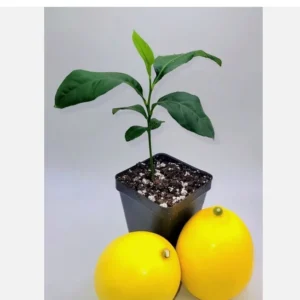
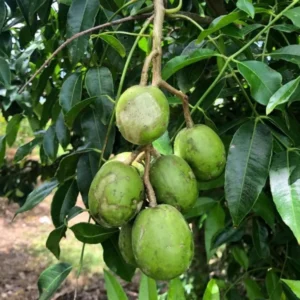
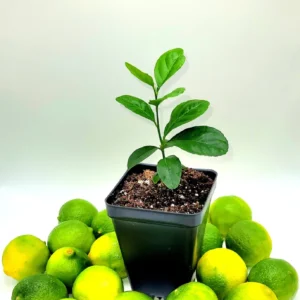
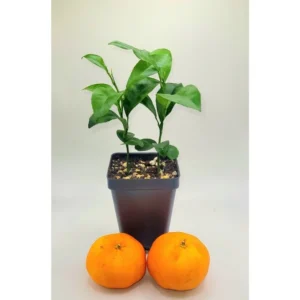
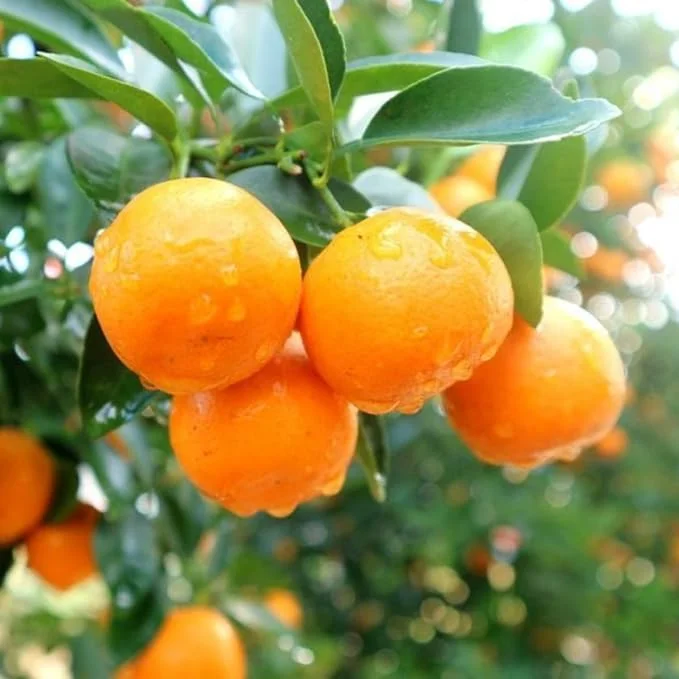
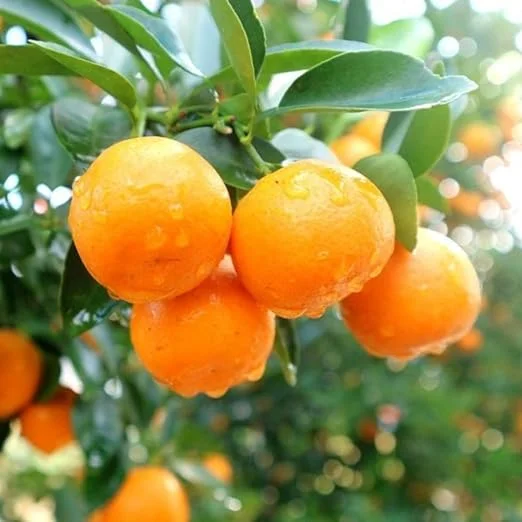
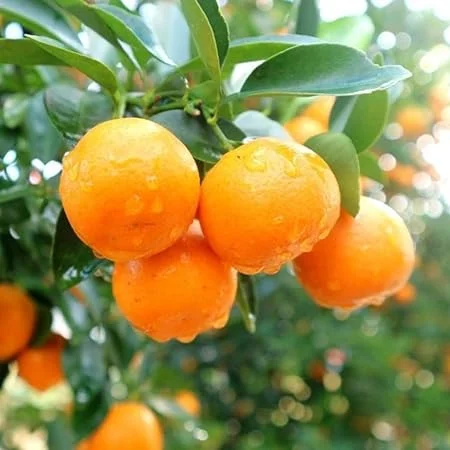
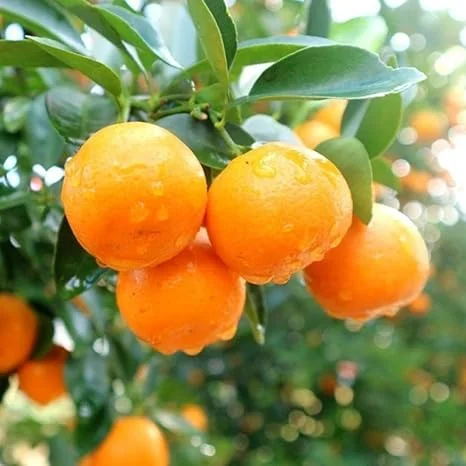
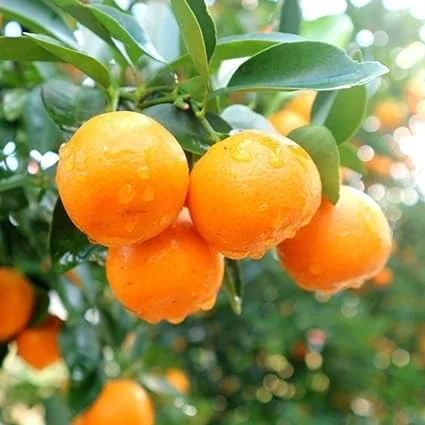
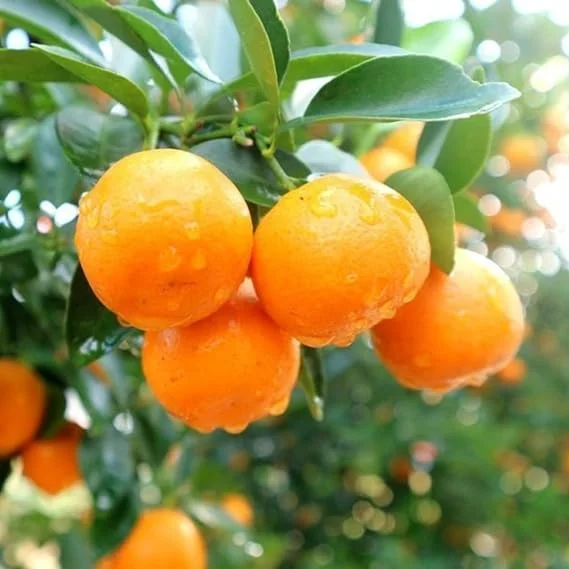
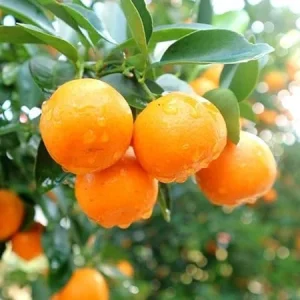
Cultivate a vibrant addition to your home or garden with this exquisite calamansi tree live plant. Known scientifically as Citrofortunella microcarpa or Citrus × microcarpa, the calamansi, also widely referred to as calamondin, is a highly prized citrus hybrid. This particular specimen arrives as a robust, fruit-bearing plant in a 3-gallon pot, ready to thrive in its new environment. The calamondin citrus plant is celebrated not only for its ornamental appeal, featuring lush green foliage, fragrant white blossoms, and colorful, small, round fruits, but also for its practical use in culinary applications. Whether you’re an experienced gardener or a budding enthusiast, this calamansi tree live plant offers an engaging and rewarding growing experience, providing fresh fruit for cooking, beverages, and desserts. It’s an ideal choice for those looking to add a touch of the exotic to their landscape or indoor spaces.
This calamansi tree live plant is perfectly suited for container gardening, making it a fantastic option for urban dwellers with limited space, or for those in cooler climates who wish to bring their citrus indoors during colder months. The plant’s compact size and attractive appearance ensure it will be a focal point wherever it’s placed. Enjoy the satisfaction of harvesting your own calamansi fruit, a staple in many Asian cuisines, right from your backyard or patio.
Key Benefits
Owning a calamansi tree live plant offers a multitude of advantages, blending aesthetic appeal with practical utility. This versatile citrus tree is an excellent investment for any plant lover or home cook.
- Fresh, Zesty Fruit at Your Fingertips: Enjoy a continuous supply of fresh calamansi fruit, known for its unique tart flavor, perfect for juices, marinades, sauces, and desserts. Harvesting your own fruit ensures maximum freshness and flavor.
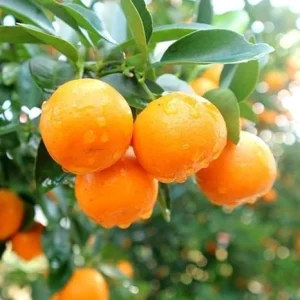
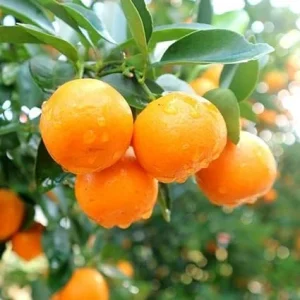
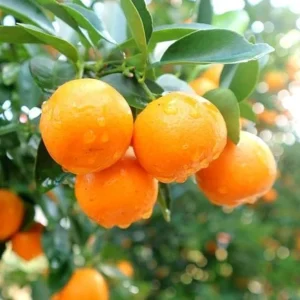
- Ornamental Beauty Year-Round: With its glossy green leaves, fragrant white flowers, and vibrant orange-yellow fruits, the calamondin citrus plant adds significant visual appeal to any patio, balcony, or indoor setting. It brings a tropical aesthetic that enhances your living space.
- Adaptable for Container or Ground Planting: This calamansi tree live plant thrives equally well in a large container, allowing for mobility and protection from frost, or planted directly in the ground in suitable warm climates (USDA Zones 9-11).
- Fragrant Blooms: The delicate white flowers of the calamansi tree release a delightful, sweet citrusy fragrance, especially noticeable during its spring to summer blooming period, creating a pleasant atmosphere around your home.
- Relatively Low Maintenance: Once established, the calamansi tree is considered a relatively easy-care citrus plant. It requires consistent watering and adequate sunlight, making it suitable for gardeners of varying experience levels.
- Health Benefits: Calamansi fruit is rich in Vitamin C and antioxidants, offering a healthy addition to your diet and supporting overall well-being.
- Educational Experience: For families, growing a calamansi fruit tree provides a fantastic educational opportunity to learn about plant growth cycles, fruit production, and sustainable living.
Plant Care & Growing Tips
Caring for your calamansi tree live plant is straightforward, ensuring a bountiful harvest and a beautiful specimen. These citrus plants prefer a warm, sunny environment to flourish. For optimal growth and fruit production, aim for at least 6-8 hours of direct sunlight per day. If growing indoors, place your plant near a south-facing window or supplement with a grow light to provide sufficient illumination. In outdoor settings, choose a location that receives full sun exposure throughout the day. Protecting the plant from harsh, strong winds is also beneficial.
Watering is crucial for the health of your calamondin citrus plant. It prefers consistently moist, but not waterlogged, soil. Allow the top inch or two of soil to dry out before watering thoroughly. Overwatering can lead to root rot, so ensure excellent drainage. During warmer months and when the plant is actively fruiting, it will require more frequent watering. Reduce watering frequency in cooler periods or when the plant is dormant. The ideal soil for a calamansi tree live plant is a well-draining, slightly acidic potting mix specifically formulated for citrus plants. A mix containing perlite or sand can improve drainage.
The calamansi fruit tree thrives in USDA Hardiness Zones 9-11, where it can be grown outdoors year-round. In colder regions, it should be grown in a container and brought indoors before the first frost. Maintain temperatures above 50°F (10°C) for healthy growth. Fertilize your calamansi tree during its active growing season (spring through fall) with a balanced citrus fertilizer, following the product’s instructions. Common problems include yellowing leaves (often due to nutrient deficiency or improper watering) and pests like aphids or spider mites, which can typically be managed with organic pest control methods or horticultural oil. Regular inspection and prompt action are key to keeping your calamansi tree care routine effective.
Size & Details
This calamansi tree live plant arrives in a robust 3-gallon nursery pot, providing a strong foundation for continued growth. The plant’s dimensions are approximately 12 inches by 12 inches by 40 inches, indicating a well-established specimen that is already fruit-bearing. While specific height can vary, a typical calamansi tree grown in a container can reach 4-6 feet tall, making it a manageable size for patios, balconies, or indoor spaces. When planted directly in the ground in ideal conditions, it can grow larger, up to 10-15 feet, though regular pruning can maintain a desired size and shape. The growth rate is moderate, allowing you to observe its development over time.
The plant is shipped well-rooted and healthy, ready for immediate planting in a larger container or directly into your garden if your climate permits. It is delivered with fruits already present, offering instant gratification and the opportunity to enjoy fresh calamansi soon after arrival. This ensures you receive a mature and productive calamondin citrus plant that is past its initial delicate growth stages, increasing its chances of success in your care. This calamansi fruit tree is a single item, carefully prepared for transport to ensure its vitality. The expected blooming period is spring to summer, with fruit development following shortly thereafter, allowing for a consistent harvest.
Frequently Asked Questions
- Q: How big does this calamansi tree live plant get? A: In a 3-gallon pot, your calamansi tree is approximately 40 inches tall upon arrival. When grown in a container, it typically reaches 4-6 feet tall. If planted in the ground in suitable climates, it can grow up to 10-15 feet, but can be pruned to maintain a smaller size.
- Q: What size pot does it come in? A: The calamansi tree live plant is delivered in a 3-gallon nursery pot, providing ample space for its initial growth and establishment. You may choose to transplant it to a larger decorative pot or directly into the ground.
- Q: Is this an indoor or outdoor plant? A: This versatile calamondin citrus plant can be grown both indoors and outdoors. It thrives outdoors in USDA Hardiness Zones 9-11. In colder climates, it is best grown in a container and brought indoors during the winter months to protect it from frost.
- Q: How much sunlight does it need? A: The calamansi tree live plant requires plenty of sunlight. It needs at least 6-8 hours of direct sun per day to produce fruit. If growing indoors, place it in the brightest window available, preferably south-facing, or use a supplemental grow light.
- Q: Is this plant easy to care for? A: Yes, the calamansi tree live plant is considered relatively low-maintenance once established. It primarily needs consistent watering, plenty of sunlight, and periodic fertilization to thrive. It’s a good choice for both novice and experienced gardeners.
- Q: What condition will it arrive in? A: Your calamondin citrus plant will arrive well-rooted and healthy in its 3-gallon pot, often already bearing fruit. It is carefully packaged to ensure its safe journey to your home.
- Q: Can I use the calamansi fruit in cooking? A: Absolutely! The fruit from your calamansi fruit tree is highly prized for its tart, unique flavor. It’s excellent for making juices, marinades for meats and seafood, sauces, cocktails, and various desserts.
- Q: How long until it blooms or fruits again? A: This calamansi tree live plant arrives fruit-bearing. Calamansi trees typically bloom from spring to summer, with fruit developing shortly after. With proper care, you can expect continuous cycles of flowering and fruiting throughout the year, especially in warm climates.
- Q: Will it survive winter in my zone? A: The calamansi tree is hardy in USDA Zones 9-11. If you live in a colder zone, you must protect your calamansi tree live plant from frost by bringing it indoors when temperatures drop below 50°F (10°C).
- Q: What’s the best soil for growing calamansi? A: Calamansi trees prefer well-draining, slightly acidic soil. A good quality potting mix designed for citrus plants or a blend of potting soil with perlite and sand will provide the ideal growing medium for your calamansi tree care.


Reviews
There are no reviews yet.