Overview
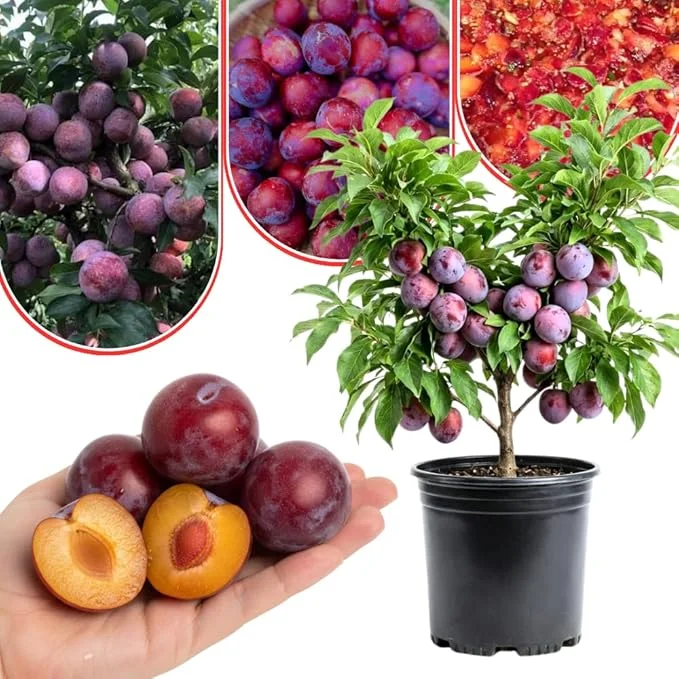
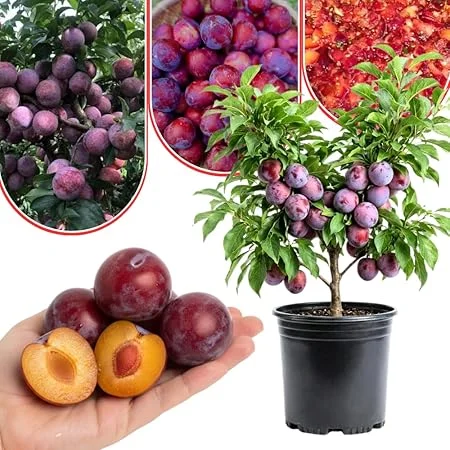
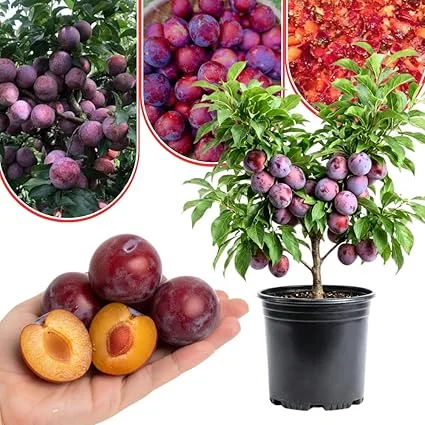
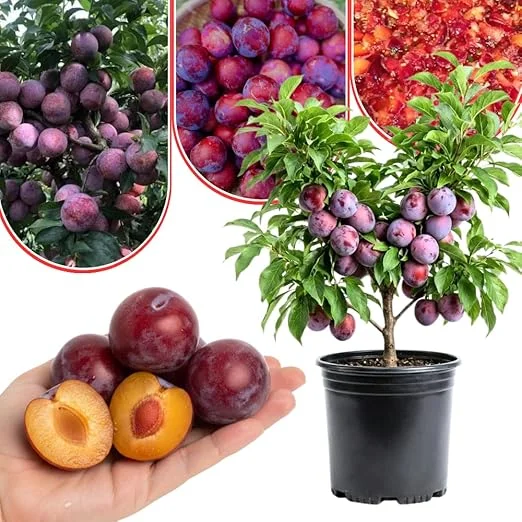
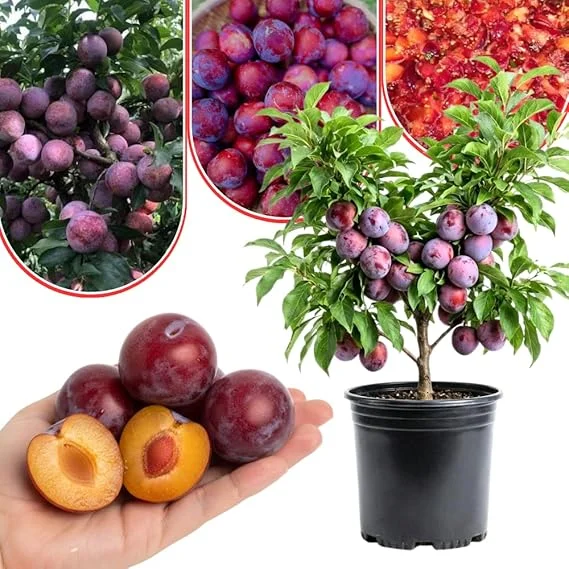
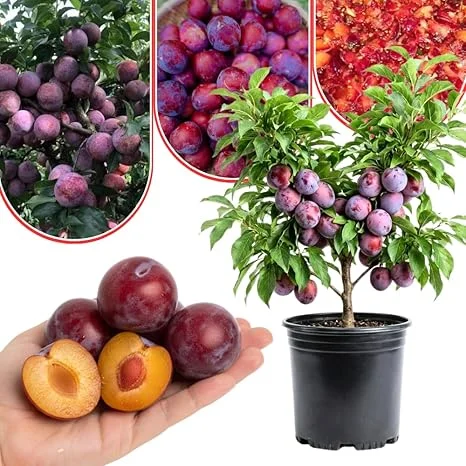
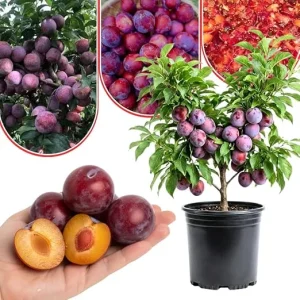
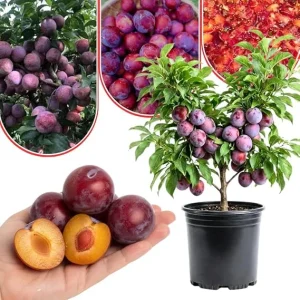
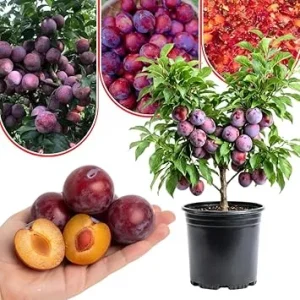
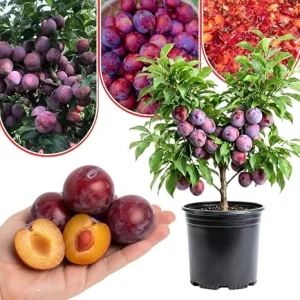
Bring the joy of fresh, homegrown fruit to your garden with this vibrant red plum tree. This live plant, arriving dormant and bare-root, is ready for planting and promises to transform your outdoor space into a productive orchard. Standing between 2-3 feet tall, this particular variety is known for its hardiness and ability to be an early bearing plum, meaning you can enjoy its delicious bounty sooner than many other fruit trees. Ideal for backyard growers and edible landscapes, this plum tree will not only provide tasty fruit but also add ornamental value with its fragrant spring blooms.
Plums are a favorite for their sweet and juicy flesh, perfect for eating fresh, baking, or preserving. This robust live plum tree is a fantastic choice for those looking to establish a home orchard or simply add a productive and beautiful specimen to their garden. Its ease of care and reliable fruiting make it a rewarding addition for both novice and experienced gardeners alike.
Key Benefits
Investing in a red plum tree offers a multitude of benefits, from aesthetic appeal to delicious yields. This hardy fruit tree is a valuable asset to any garden, providing both beauty and sustenance.
- Abundant Fruit Production: This red plum tree is an early bearing plum variety, meaning you can look forward to sweet, juicy red-purple plums in a relatively short time after planting. Enjoy fresh fruit directly from your garden season after season.
- Ornamental Value: Beyond its fruit, this plum tree offers beautiful white-pink blossoms in early spring, creating a stunning visual display and attracting pollinators to your garden.
- Hardy & Adaptable: Thriving in USDA Zones 5-9, this hardy plum tree is well-suited for a wide range of climates, ensuring reliable growth and fruit production with proper care.
- Home Orchard Essential: Perfect for backyard growers and small orchards, this fast-growing fruit tree contributes significantly to an edible landscape, promoting self-sufficiency and fresh produce.
- Easy Integration: Its moderate size and adaptable nature make it easy to integrate into existing garden designs or to start a new fruit-growing venture.
- Health Benefits: Homegrown plums are packed with vitamins, antioxidants, and fiber, contributing to a healthy diet directly from your garden.
- Long-Term Investment: A well-cared-for plum tree can provide delicious fruit for many years, becoming a lasting and cherished part of your landscape.
Plant Care & Growing Tips
Ensuring the success of your red plum tree involves understanding its specific needs for sunlight, soil, water, and protection. Following these guidelines will help your live plum tree flourish and produce abundant fruit.
Sunlight Requirements: Plum trees thrive in full sun, meaning they need at least 6-8 hours of direct sunlight per day to produce the best fruit. Choose a location in your garden that receives ample sun throughout the day. While they can tolerate some partial shade, fruit production may be reduced. Ensure good air circulation around the tree to prevent fungal diseases.
Watering Schedule & Soil Moisture: Young plum trees require consistent moisture to establish their root systems. Water deeply 2-3 times a week during dry periods, especially in the first few years after planting. Once established, plum trees are moderately drought-tolerant but will benefit from deep watering during prolonged dry spells, particularly when fruit is developing. The soil should be kept consistently moist but never waterlogged. Overwatering can lead to root rot, so ensure good drainage.
Soil Type & Drainage: Plum trees prefer well-draining, fertile loamy soil with a pH between 6.0 and 7.0. If your soil is heavy clay, amend it with organic matter like compost or aged manure to improve drainage and fertility. For sandy soils, organic matter will help retain moisture and nutrients. Proper drainage is crucial for a hardy plum tree to prevent waterlogging and ensure healthy root development.
Temperature Range & USDA Hardiness Zone: This red plum tree is suitable for USDA Hardiness Zones 5-9. It requires a certain number of chilling hours (time below 45°F/7°C) during winter to set fruit properly. Protect young trees from extreme winter winds. In hotter climates (Zone 9), ensure adequate water during peak summer heat. Understanding the specific plum tree care for your zone is vital.
Fertilization: Fertilize your plum tree in early spring before new growth begins. Use a balanced slow-release fertilizer or one formulated for fruit trees. Follow the manufacturer’s instructions for application rates based on the tree’s age and size. Avoid over-fertilizing, which can promote excessive leafy growth at the expense of fruit production. A soil test can help determine specific nutrient deficiencies.
Pruning: Prune your plum tree annually in late winter or early spring while it is still dormant. Focus on removing dead, damaged, or diseased branches, as well as any crossing branches that could rub and cause injury. Pruning helps maintain the tree’s shape, promotes air circulation, and encourages better fruit production. This is a key aspect of effective plum tree care.
Size & Details
This red plum tree is a live, bare-root plant, specifically cultivated for easy establishment in your garden. Upon arrival, it will stand approximately 2-3 feet tall, making it a manageable size for planting directly into the ground. As a bare-root specimen, it will be dormant with no leaves, with the focus on a robust root system ready for planting, which is ideal for successful transplanting. This early bearing plum variety is known for its moderate growth rate, typically reaching a mature height of 15-20 feet with a similar spread, depending on pruning and growing conditions. Expect the first fragrant white-pink blooms in spring, with fruit developing in subsequent seasons as the tree matures. This variety is chosen for its fast-growing nature, ensuring you can enjoy homegrown plums sooner rather than later.
Frequently Asked Questions
- Q: How big does this plum tree get? A: This red plum tree typically reaches a mature height of 15-20 feet and a similar spread, though its size can be managed with regular pruning. It arrives as a 2-3 foot tall bare-root plant, ready for growth.
- Q: Is this an indoor or outdoor plant? A: This is an outdoor fruit tree, designed to be planted directly into your garden or a large container outdoors. It requires full sun exposure and specific chilling hours to produce fruit.
- Q: How much sunlight does a red plum tree need? A: A live plum tree requires at least 6-8 hours of direct sunlight per day to ensure optimal growth and fruit production. Choose a sunny location in your garden.
- Q: Is this tree easy to care for? A: Yes, this hardy plum tree is considered relatively easy to care for, especially for those in suitable USDA zones. Consistent watering, proper soil, and annual pruning are key for successful plum tree care.
- Q: What condition will the plum tree arrive in? A: Your plum tree will arrive as a bare-root plant, dormant with no leaves. This is the optimal state for transplanting and ensures a healthy root system is the focus upon arrival.
- Q: When is the best time to plant this red plum tree? A: The best time to plant a bare-root plum tree is typically in late winter or early spring, before new growth begins, allowing the roots to establish before summer heat.
- Q: How long until this plum tree produces fruit? A: As an early bearing plum variety, you can often expect the first fruits within 2-4 years after planting, depending on growing conditions and care.
- Q: Will this plum tree survive winter in my zone? A: This plum tree is hardy in USDA Zones 5-9. If you are within these zones, it should survive winter well and receive the necessary chilling hours to produce fruit.
- Q: What kind of soil is best for a plum tree? A: Plum trees prefer well-draining, fertile loamy soil with a neutral to slightly acidic pH. Amending heavy clay or very sandy soils with organic matter is beneficial.
- Q: Does this variety require another plum tree for pollination? A: While many plum varieties are self-fertile, planting another compatible plum tree nearby can often increase fruit yield. Check specific pollination requirements for this variety if you desire maximum production.


Reviews
There are no reviews yet.