Overview
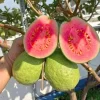
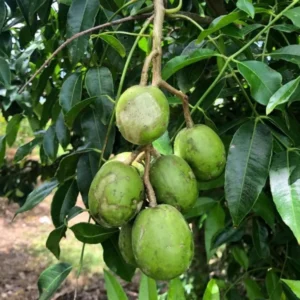
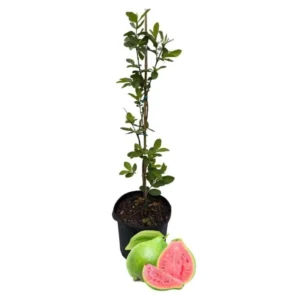
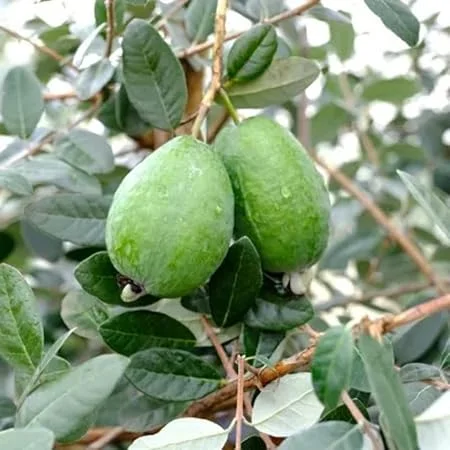
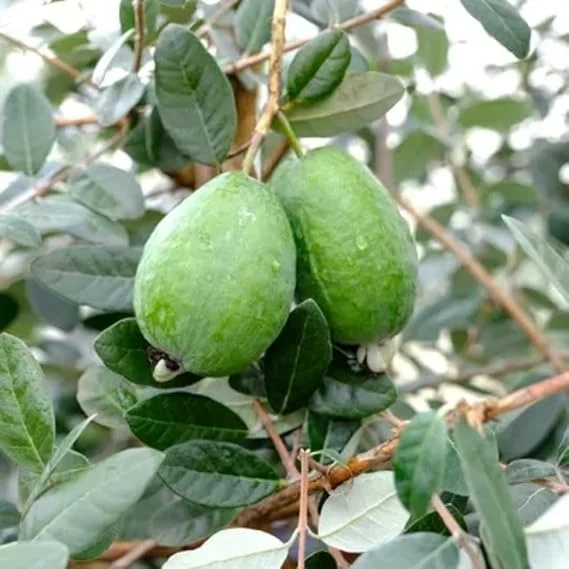
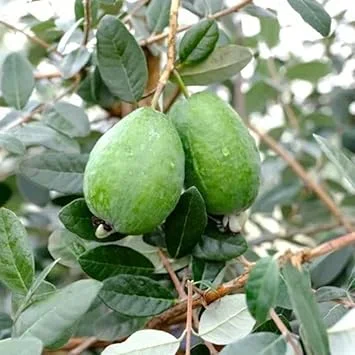
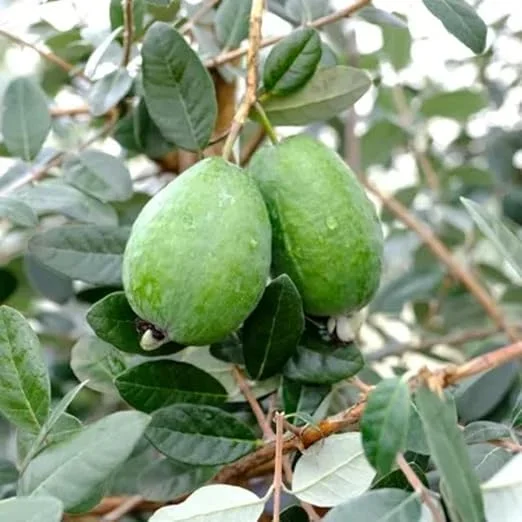
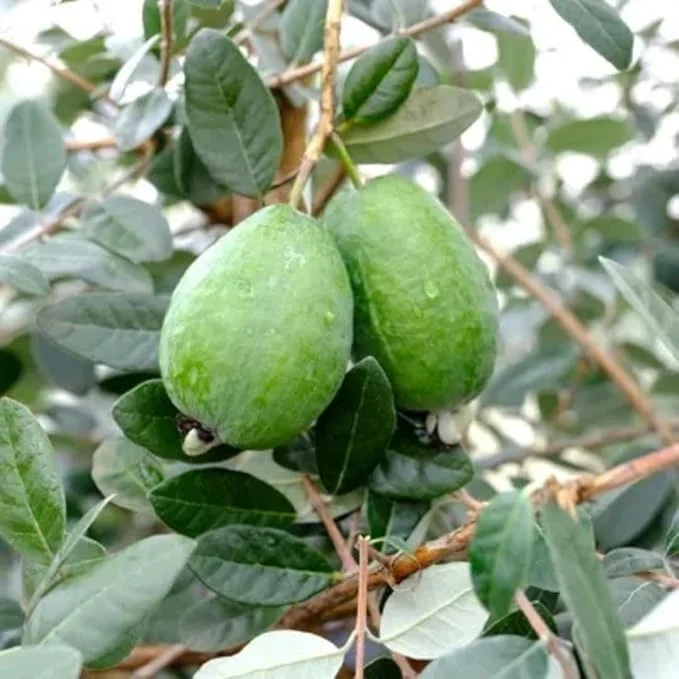
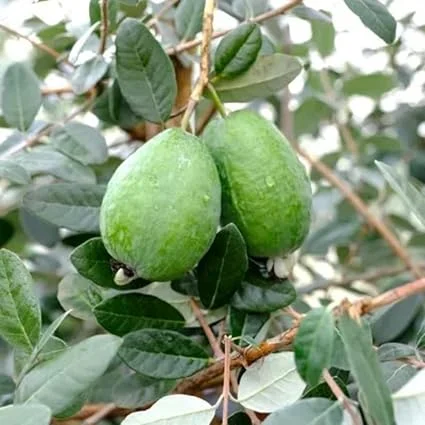
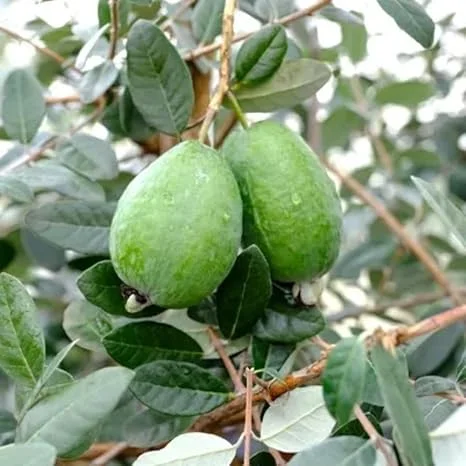
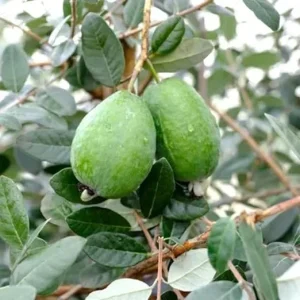
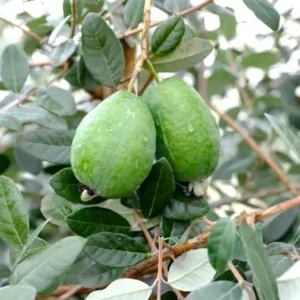
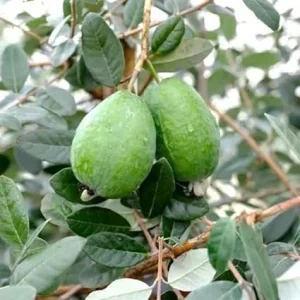
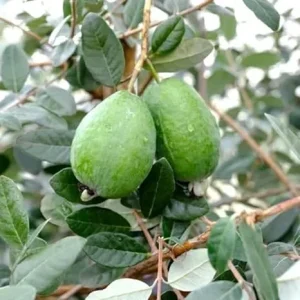
Cultivate a unique and delicious addition to your landscape with our premium pineapple guava tree live plants. This offering includes two healthy 4-6 inch starter plants, ready to be established in your outdoor garden. The pineapple guava tree, scientifically known as Acca sellowiana or Feijoa sellowiana, is a remarkable evergreen shrub or small tree prized for its beautiful, fragrant flowers and its distinctive, sweet, and tangy fruit. Originating from South America, these plants are surprisingly resilient and adapt well to various climates, providing both ornamental beauty and a bountiful harvest. Enjoy the exotic flavor of freshly picked guava straight from your own backyard.
These young pineapple guava tree specimens are carefully selected to ensure vigorous growth and strong root development. They are an excellent choice for those looking to add an edible component to their landscaping or to grow their own sustainable food source. With proper care, these starter plants will quickly mature into robust, fruit-bearing trees, enhancing your garden with their lush foliage and delightful produce. Discover the joy of growing your own fragrant and delicious fruit with these easy-to-grow plants.
Key Benefits
Investing in a pineapple guava tree brings a multitude of advantages to your home and garden. These versatile plants offer aesthetic appeal, delicious fruit, and surprising hardiness. Here are some of the key benefits you can expect:
- Fragrant Flowers & Sweet Fruit: Enjoy beautiful, edible white and pink flowers in spring, followed by sweet, aromatic pineapple guava fruit in autumn. The fruit’s unique flavor profile makes it a gourmet treat for fresh eating, jams, or desserts.
- Cold Hardy & Easy to Grow: These trees are known for their resilience, tolerating temperatures down to USDA Zone 3 (with protection) and thriving in a wide range of conditions. Their low-maintenance nature makes them perfect for both novice and experienced gardeners seeking pineapple guava plant care that is straightforward.
- Attractive Evergreen Foliage: The silvery-green leaves provide year-round visual interest, making the feijoa sellowiana an excellent choice for hedges, screens, or specimen planting in your garden.
- Versatile Landscaping: Ideal for use as a focal point, in edible hedges, or even grown in large containers on patios. Their adaptable nature allows for creative landscaping designs.
- Pollinator Attractor: The vibrant flowers attract bees and other pollinators, contributing to biodiversity in your garden and ensuring a good fruit set.
- Drought Tolerant Once Established: While young plants need regular watering, mature outdoor fruit trees become quite drought-tolerant, reducing water usage in the long run.
- Nutrient-Rich Fruit: The fruit is packed with Vitamin C, dietary fiber, and antioxidants, offering a healthy and delicious snack right from your garden.
Plant Care & Growing Tips
Caring for your pineapple guava tree is relatively straightforward, making it an excellent choice for gardeners of all skill levels. These resilient plants thrive with a few basic considerations to ensure robust growth and abundant fruiting. For optimal health, your pineapple guava tree requires full sun exposure, meaning at least 6-8 hours of direct sunlight per day. While they can tolerate partial shade, fruit production may be reduced. When planting, choose a location with well-draining soil. Pineapple guavas are not particular about soil type and can adapt to sandy, loamy, or clay soils, but good drainage is crucial to prevent root rot. Incorporating organic matter like compost will enrich the soil and encourage healthy growth.
Watering needs for feijoa sellowiana are moderate. Young plants, especially in their first year, should be watered regularly to keep the soil consistently moist but not waterlogged. Once established, they become more drought-tolerant, but consistent watering during dry spells and fruit development will promote better yields. Fertilize your pineapple guava tree in early spring with a balanced, slow-release fertilizer designed for fruiting plants. Avoid over-fertilizing, which can lead to excessive foliage growth at the expense of fruit production. Pruning should be done in late winter or early spring to shape the plant, remove dead or crossing branches, and encourage air circulation. This also helps manage the size and can improve fruit access.
These cold hardy guava plants are generally pest and disease resistant. However, keep an eye out for common garden pests like aphids or scale, which can be managed with horticultural oil or insecticidal soap if needed. The USDA Hardiness Zone for pineapple guava is typically 8-10, though the input data suggests zones 3-9 or 5-11. For zones on the colder end (like USDA zone 3-5), providing winter protection, such as mulching heavily around the base or covering young plants, can help them survive. With these straightforward pineapple guava plant care practices, your trees will flourish and provide you with delicious fruit for years to come.
Size & Details
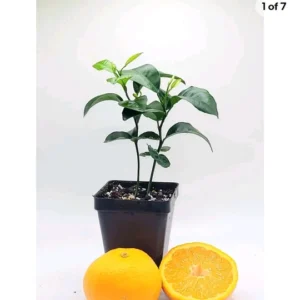
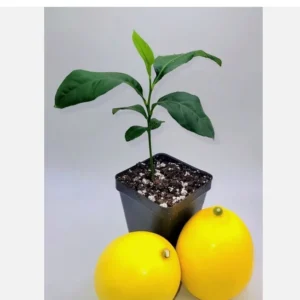
This offering includes two individual pineapple guava tree live plants, each measuring approximately 4 to 6 inches in height when shipped. These are vigorous starter plants, carefully cultivated to ensure a strong root system and healthy foliage, ready for successful transplantation into your garden or a larger container. Pineapple guava trees typically grow into a large shrub or small tree, reaching mature heights of 10-15 feet with a similar spread, though they can be kept smaller with regular pruning. The growth rate is moderate, allowing you to observe their development over time.
Each plant arrives in a nursery pot, ensuring its roots are protected during transit and making the planting process simple upon arrival. The exact pot size may vary but is typically appropriate for the plant’s current size. Expect these plants to begin producing fruit within 3-5 years from planting, with yields increasing as they mature. The attractive evergreen foliage provides year-round interest, while the unique, sweet fruit ripens in the fall. These outdoor fruit trees are a long-term investment in your landscape, offering both beauty and delicious harvests.
Frequently Asked Questions
- Q: How big does this pineapple guava tree get? A: A mature pineapple guava tree can reach heights of 10-15 feet and a similar spread, though its size can be managed with regular pruning to fit smaller spaces or for container growing.
- Q: Is this an indoor or outdoor plant? A: This is primarily an outdoor fruit tree. While young plants can be temporarily kept indoors in very bright conditions, they thrive best when planted in the ground or in large containers outdoors.
- Q: How much sunlight does it need? A: For optimal growth and fruit production, your feijoa sellowiana requires full sun, meaning at least 6-8 hours of direct sunlight daily. It can tolerate partial shade, but fruit yield may decrease.
- Q: Is this plant easy to care for? A: Yes, the pineapple guava tree is considered relatively easy to care for, making it suitable for both beginner and experienced gardeners. Its cold hardiness and adaptability contribute to its low-maintenance nature.
- Q: What condition will it arrive in? A: Your pineapple guava tree plants will arrive as healthy, well-rooted 4-6 inch starter plants, carefully packaged in their nursery pots to ensure they are ready for planting.
- Q: How long until it blooms and fruits? A: These starter plants typically begin to flower and produce fruit within 3-5 years after planting, with fruit production increasing as the tree matures.
- Q: What USDA Hardiness Zones are suitable for pineapple guava? A: The cold hardy guava is generally suitable for USDA Zones 8-10, though some varieties can tolerate zones as low as 3 with adequate winter protection. Our plants are robust for a wide range of zones.
- Q: What kind of soil does the pineapple guava tree prefer? A: These trees are adaptable but prefer well-draining soil. They can grow in various soil types, including sandy, loamy, or clay, as long as drainage is good.
- Q: Can I grow the pineapple guava tree in a container? A: Yes, the pineapple guava tree can be successfully grown in large containers, especially in colder climates where it can be moved indoors during winter. Ensure the container has good drainage.
- Q: What is the best time to plant these outdoor fruit trees? A: The best time to plant outdoor fruit trees like the pineapple guava is in spring or early fall, allowing the plant to establish its root system before extreme temperatures.


Reviews
There are no reviews yet.