Overview
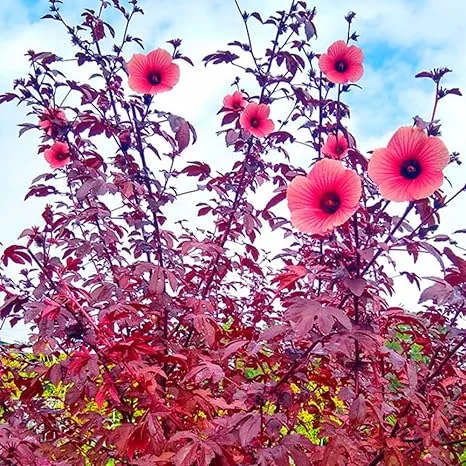
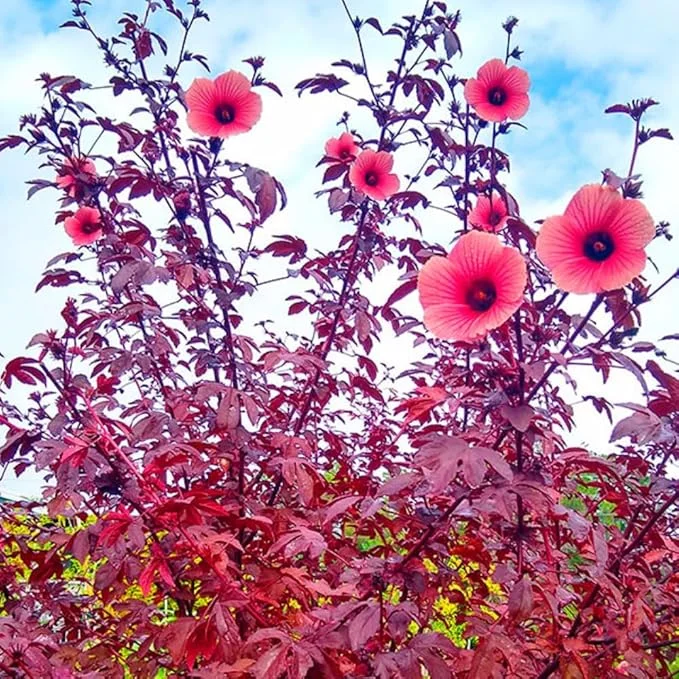
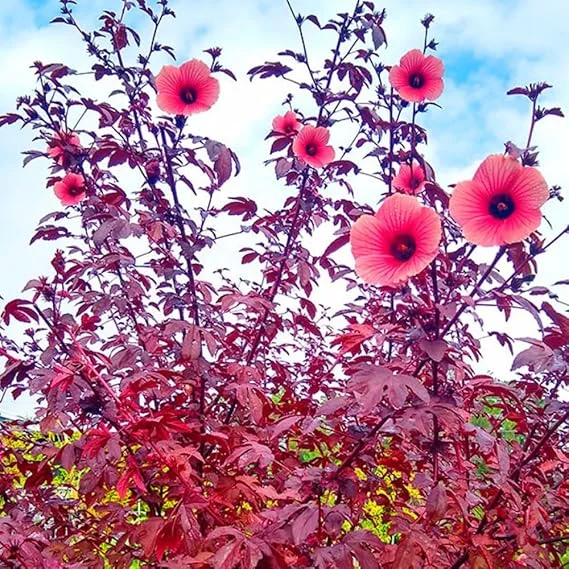
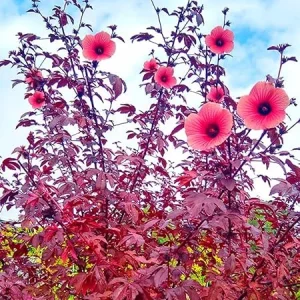
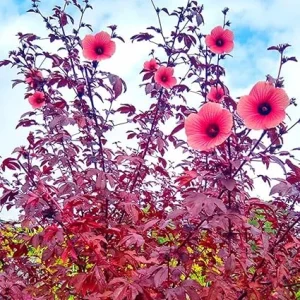
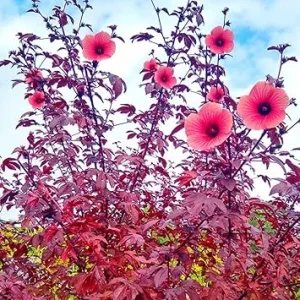
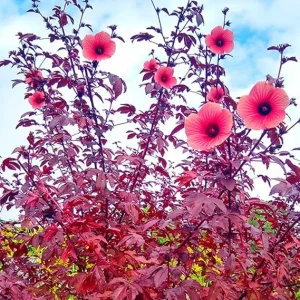
Introduce a touch of exotic beauty and culinary delight to your garden with this set of cranberry hibiscus live plant. These stunning plants are not only ornamental with their deep red to burgundy leaves but also produce delicious, tangy foliage that can be enjoyed in various dishes. Each order includes two well-rooted plants, approximately 4-7 inches tall, ready to be planted and establish themselves. Often referred to as African Rose Mallow or Red Shield Hibiscus, Hibiscus acetosella offers a unique combination of aesthetic appeal and practical use, making it a valuable addition to any garden or container display.
The cranberry hibiscus live plant is highly prized for its distinctive foliage, which maintains its rich color throughout the growing season. Its vigorous growth and ease of maintenance make it an excellent choice for both experienced gardeners and beginners looking for a low-fuss, high-impact plant. Whether you’re aiming to create a vibrant border, a tropical container garden, or simply wish to cultivate a source of fresh, edible leaves, these hibiscus plants are sure to impress.
Key Benefits
The cranberry hibiscus live plant offers a multitude of advantages for gardeners and food enthusiasts alike. Its unique characteristics make it a standout choice:
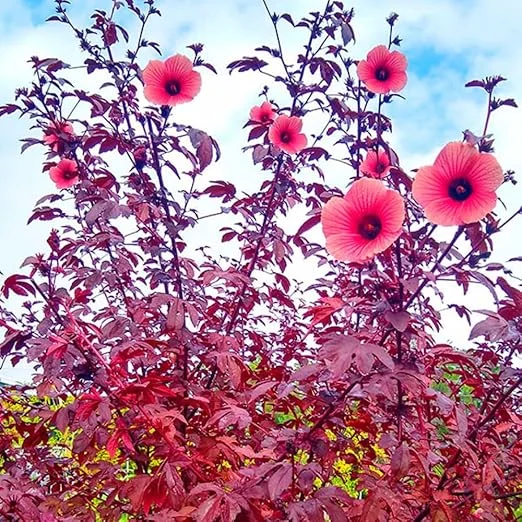
- Striking Ornamental Appeal: The deep red to burgundy foliage provides a bold splash of color, adding a tropical and dramatic effect to gardens, patios, and containers. It’s an excellent choice for creating visual interest and contrast.
- Edible & Tangy Leaves: The leaves of the cranberry hibiscus are not just beautiful; they are also edible and possess a delightful tart, cranberry-like flavor. They can be used fresh in salads, cooked as a leafy green, or brewed into a refreshing tea.
- Fast Growing & Easy Care: This plant is known for its vigorous growth habit and requires minimal maintenance once established. It’s a resilient species that can quickly fill out spaces and provide abundant foliage.
- Warm Climate Perennial: Thriving in USDA hardiness zones 9–11, it acts as a perennial in warmer regions. In cooler climates, it can be grown as an annual or successfully overwintered indoors, extending its beauty and harvest.
- Versatile Landscaping: Its upright habit and vibrant color make it suitable for various landscape applications, including hedges, mixed borders, accent plants, or focal points in container arrangements.
- Attracts Pollinators: While primarily grown for its foliage, the plant does produce small, red hibiscus flowers that can attract beneficial pollinators to your garden, contributing to a healthy ecosystem.
- Supports Healthy Eating: Incorporating the nutritious, tangy leaves into your diet adds a unique flavor and beneficial compounds, making this an excellent choice for a kitchen garden.
Plant Care & Growing Tips
Caring for your cranberry hibiscus live plant is straightforward, ensuring a lush and productive addition to your garden. These plants are relatively low-maintenance but benefit from understanding their specific needs. For optimal growth and vibrant foliage, ensure your plants receive plenty of sunlight. They thrive in full sun conditions, meaning at least 6-8 hours of direct sunlight per day. In extremely hot climates, some afternoon shade can be beneficial to prevent leaf scorch, but generally, more sun leads to richer leaf coloration.
When it comes to watering, the cranberry hibiscus live plant prefers consistently moist, but not waterlogged, soil. Water thoroughly when the top inch or two of soil feels dry to the touch. During hot, dry periods, you may need to water daily, especially if grown in containers. Good drainage is crucial to prevent root rot, so ensure your soil or potting mix allows excess water to escape freely. A high-quality, well-draining potting mix for containers or rich, loamy garden soil amended with compost is ideal. These plants are quite resilient and can tolerate short periods of drought once established, but consistent moisture will promote the best growth. Consider this an excellent hibiscus for warm climates.
Fertilize your cranberry hibiscus every 4-6 weeks during the growing season (spring through fall) with a balanced liquid fertilizer or a slow-release granular fertilizer. Reduce feeding in winter when growth slows. Pruning can be done to maintain shape, encourage bushiness, and harvest leaves. Pinching back young plants will promote a fuller, more compact habit. While generally pest-resistant, keep an eye out for common garden pests like aphids or spider mites and treat with organic insecticidal soap if necessary. In cooler regions (below USDA Zone 9), treat your cranberry hibiscus as an annual or bring it indoors before the first frost to overwinter, providing it with bright light and reduced watering.
Size & Details
This offering includes two robust cranberry hibiscus live plant specimens, each measuring approximately 4-7 inches in height upon arrival. These young, well-rooted plants are shipped ready for transplanting into your garden or preferred containers. The plants exhibit a fast growth rate, quickly developing into bushy, upright forms, potentially reaching heights of 3-5 feet in a single growing season when provided with ideal conditions. The striking red foliage plant will spread to about 2-3 feet wide, creating a dense and colorful display.
They are suitable for cultivation in USDA hardiness zones 9-11 as a perennial, returning year after year. In zones below 9, they perform beautifully as annuals or can be brought indoors for winter protection, making them a versatile choice for many gardeners. The leaves are typically ready for harvest once the plant is established and has produced several sets of leaves, offering a continuous supply of this tangy, edible treat throughout the warm months. Expect vibrant color and vigorous growth from these healthy, young plants.
Frequently Asked Questions
- Q: How big does this plant get? A: The cranberry hibiscus live plant can grow quite rapidly, typically reaching heights of 3-5 feet and a spread of 2-3 feet in a single growing season under optimal conditions. Its size can be managed with regular pruning.
- Q: Is this an indoor or outdoor plant? A: This plant thrives outdoors in warm climates (USDA zones 9-11) as a perennial. In cooler regions, it can be grown as an annual or brought indoors during winter as a houseplant, making it a versatile ornamental hibiscus.
- Q: How much sunlight does it need? A: Cranberry hibiscus prefers full sun, meaning at least 6-8 hours of direct sunlight daily, to achieve the best leaf coloration and vigorous growth. Some afternoon shade may be beneficial in extremely hot climates.
- Q: Is this plant easy to care for? A: Yes, the cranberry hibiscus live plant is known for being fast-growing and easy to care for once established. It requires consistent watering, good drainage, and ample sunlight.
- Q: What condition will it arrive in? A: Your order will include two well-rooted cranberry hibiscus plants, each approximately 4-7 inches tall, carefully packaged to ensure they arrive healthy and ready for planting.
- Q: Can I really eat the leaves? A: Absolutely! The leaves of the cranberry hibiscus are fully edible and have a distinctive tangy, tart flavor, often compared to cranberries. They are great in salads, stir-fries, or brewed as tea. This makes it a great edible hibiscus leaves plant.
- Q: When is the best time to plant? A: The best time to plant your cranberry hibiscus is after all danger of frost has passed in spring, once soil temperatures have warmed up. This allows the plant ample time to establish itself before the peak growing season.
- Q: Will it survive winter in my zone? A: If you are in USDA zones 9-11, it will likely survive winter outdoors as a perennial. In colder zones, it needs to be treated as an annual or moved indoors to a bright, protected location for winter.
- Q: What kind of soil does it prefer? A: This plant prefers rich, well-draining soil. For container planting, a high-quality potting mix is recommended. In garden beds, amending with compost will improve soil structure and fertility.
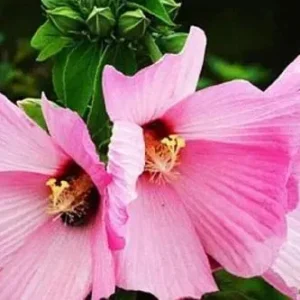
- Q: Does this plant have flowers? A: While primarily grown for its stunning foliage, the cranberry hibiscus does produce small, deep red, trumpet-shaped flowers, though they are less showy than other hibiscus varieties.


Reviews
There are no reviews yet.