Overview
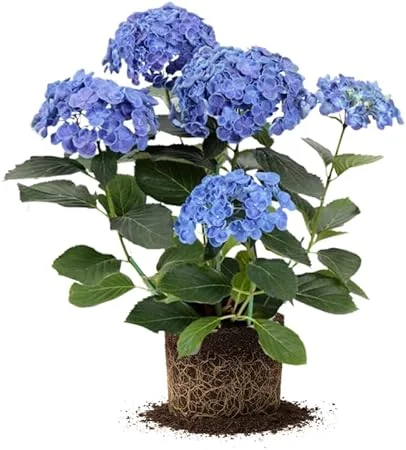
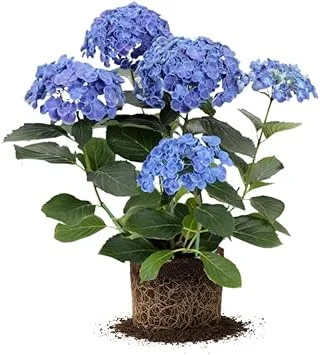
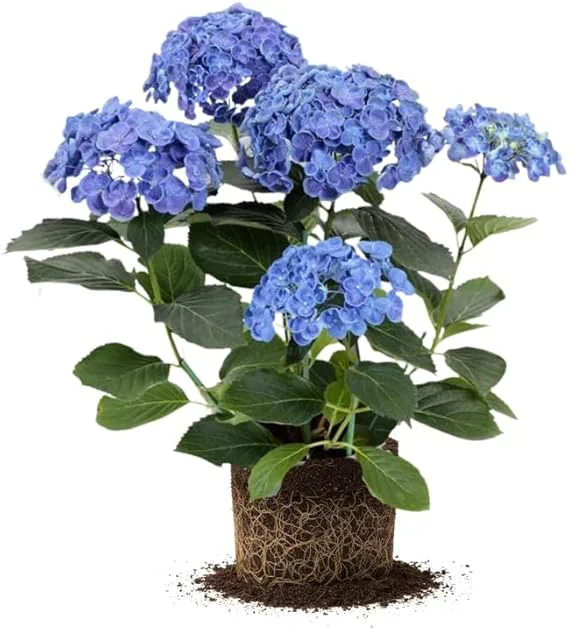
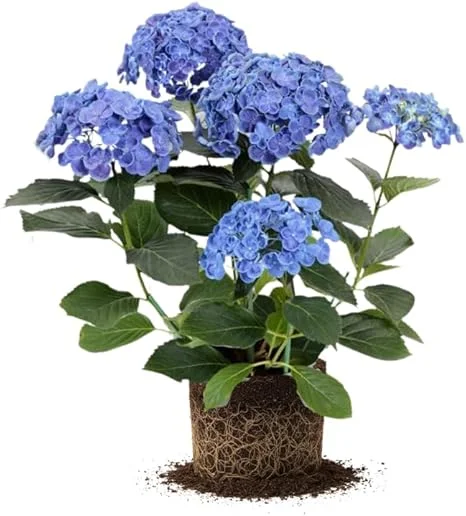
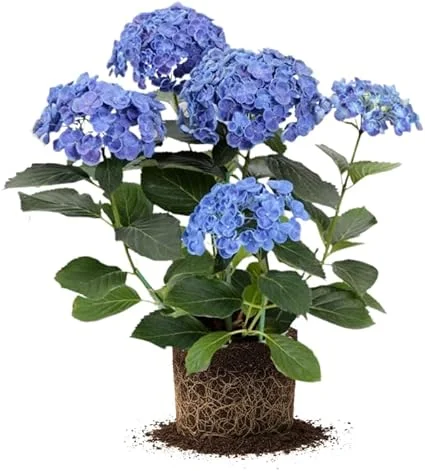
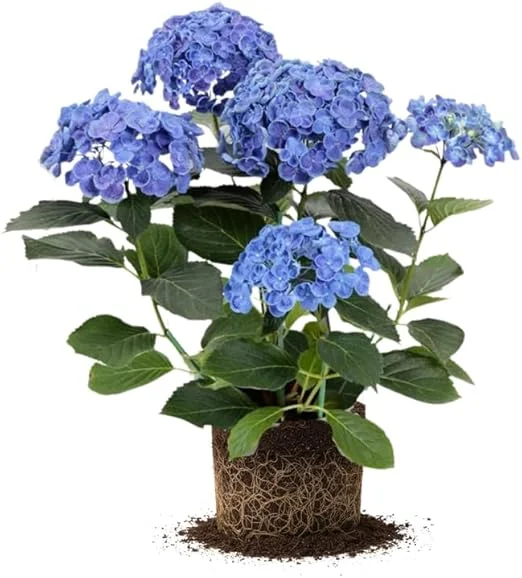
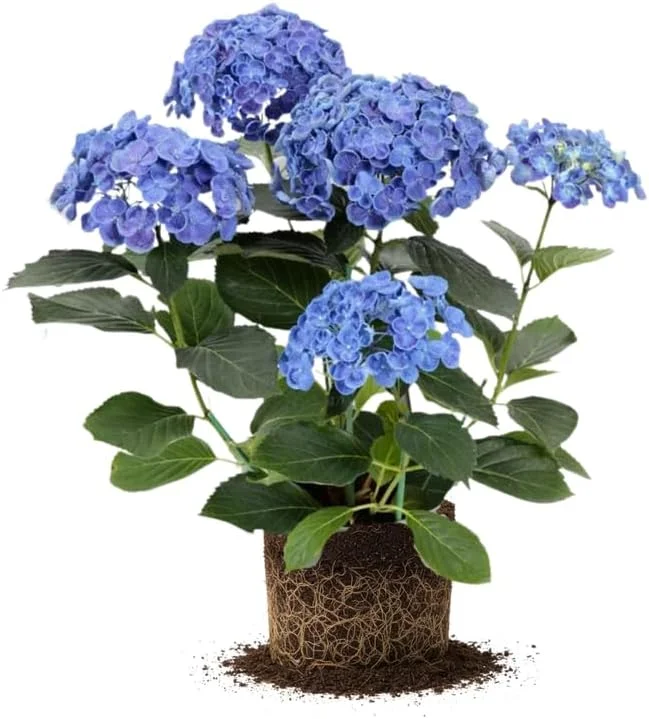
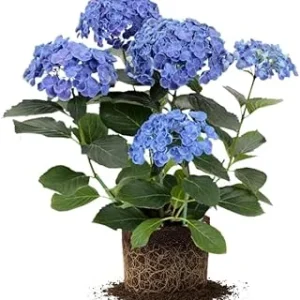
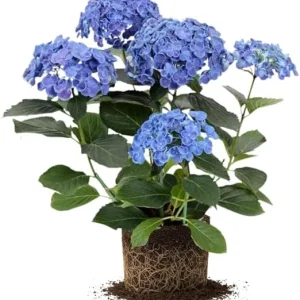
Transform your outdoor space with the stunning beauty of a blue hydrangea live plant. This well-rooted, dormant shrub, standing 5 to 7 inches tall, is perfectly prepared for planting and promises a spectacular display of vibrant blue flowers. Known for their lush foliage and abundant blooms, hydrangeas are a beloved choice for gardeners seeking to add dramatic flair to their landscapes. This particular variety is cherished for its captivating blue hues, which can be influenced by soil acidity, offering a fascinating aspect to its cultivation. Whether you’re creating a serene garden border, adding a focal point to your patio with containers, or enhancing your overall landscape design, this blue hydrangea live plant is an excellent choice for its aesthetic appeal and relatively easy care.
Our blue hydrangea live plant arrives dormant, which is the ideal state for planting, ensuring it establishes well in its new environment. Once it awakens from dormancy, you can look forward to a spectacular blooming season, typically from late spring through summer. The striking blue flowers provide long-lasting color and visual interest, making it a standout feature in any garden. This plant is a fantastic investment for both novice and experienced gardeners looking for reliable beauty and a touch of elegance in their outdoor living areas.
Key Benefits
Investing in a blue hydrangea live plant offers numerous advantages, from its stunning visual impact to its versatility in various garden settings. Here are some of the key benefits you can expect from this magnificent shrub:
- Spectacular Blue Blooms: Enjoy an abundance of showy, vibrant blue flowers that add a dramatic splash of color to your garden. These blooms can be a focal point, drawing the eye and creating a serene, inviting atmosphere. The intense blue shades are particularly striking against green foliage.
- Long Blooming Season: This hydrangea variety blooms consistently from late spring through summer, providing months of continuous beauty. This extended flowering period ensures your garden remains colorful and lively for a significant portion of the year, offering enduring visual pleasure.
- Versatile Landscape Use: Perfect for a variety of garden applications, including borders, mass plantings, specimen plants, or container gardening. Its adaptable nature means you can incorporate it into almost any garden design, from formal to casual, enhancing different areas of your outdoor space.
- Well-Rooted and Ready to Plant: Our plants are shipped well-rooted and in a dormant state, ensuring they are robust and ready for successful transplantation. This robust foundation significantly increases the chances of healthy growth and establishment, giving you a head start on your garden.
- Thrives in Multiple Climates: Hardy in USDA Zones 5-9, this blue hydrangea live plant is suitable for a wide range of climates across the United States. This broad hardiness range makes it a reliable choice for many gardeners, ensuring it can withstand various environmental conditions.
- Easy to Maintain: With proper initial care, hydrangeas are relatively low-maintenance plants. They require consistent moisture and appropriate sunlight, but once established, they are quite resilient, making them suitable for gardeners of all experience levels who want to enjoy growing blue hydrangeas.
- Attracts Pollinators: While typically not a primary pollinator magnet, hydrangeas can provide some nectar and pollen, subtly contributing to local biodiversity. Their presence can help create a more vibrant ecosystem in your garden.
Plant Care & Growing Tips
Caring for your blue hydrangea live plant ensures a bountiful display of flowers and a healthy, vigorous shrub. Hydrangeas thrive with consistent attention to their basic needs, particularly regarding sunlight, water, and soil. To maintain the striking blue color of the blooms, soil acidity is a key factor. Hydrangeas typically produce blue flowers in acidic soil (pH 5.0-5.5) and pink flowers in alkaline soil. You can amend your soil with aluminum sulfate or elemental sulfur to increase acidity, or use a specific hydrangea bluing formula, especially if you are working on growing blue hydrangeas. Testing your soil pH regularly will help you keep the desired blue hue.
For optimal growth and flowering, plant your blue hydrangea live plant in a location that receives partial sun, ideally morning sun and afternoon shade, especially in hotter climates. Too much direct, intense afternoon sun can scorch the leaves and reduce flower production. In cooler regions, full sun might be tolerated, but consistent moisture is critical. The soil should be well-drained, moist, and rich in organic matter. Avoid planting in areas where water tends to collect, as this can lead to root rot. Regular watering, especially during dry spells and the blooming season, is essential. Aim for deep watering 2-3 times a week rather than shallow daily watering, allowing the top inch or two of soil to dry slightly between waterings. Mulching around the base of the plant can help retain soil moisture and regulate soil temperature.
Fertilize your hydrangea in early spring with a balanced, slow-release fertilizer formulated for acid-loving plants. Avoid over-fertilizing, as this can lead to lush foliage but fewer flowers. Pruning is best done after the plant has finished blooming in late summer or early fall, as many hydrangeas bloom on old wood. Remove dead or weak stems and shape the plant as desired. Protecting your hydrangea during winter in colder zones (like the lower end of USDA Zone 5) can be beneficial; consider covering it with burlap or adding a thick layer of mulch around the base to insulate the roots. Watch out for common pests like aphids and spider mites, and treat them promptly with insecticidal soap if they appear. Learning about blue hydrangea care will ensure your plant flourishes.
Size & Details
This offering is for one blue hydrangea live plant, which arrives in a dormant state, standing approximately 5 to 7 inches tall. It is well-rooted, ensuring a strong foundation for healthy growth once planted in your garden. Hydrangeas are deciduous shrubs, meaning they will shed their leaves in the fall and appear dormant during winter, only to burst forth with new growth and blooms in the spring. This particular variety is suitable for USDA Zones 5-9, making it a hardy choice for many regions. When mature, these shrubs can typically reach a height and spread of 3 to 5 feet, creating a substantial presence in the landscape. The growth rate is moderate, meaning you’ll see noticeable development year after year, leading to a full and lush plant. It is shipped as a potted plant, ready for direct transplanting into its permanent location, whether that’s a garden bed or a large container. Expect the first significant blooms to appear in the season following planting, with increasing abundance in subsequent years.
Frequently Asked Questions
- Q: How big does this hydrangea plant for sale get? A: This blue hydrangea live plant typically grows to a mature size of 3 to 5 feet in both height and spread. Its ultimate size can depend on growing conditions, pruning, and climate, but it generally forms a substantial, rounded shrub.
- Q: What condition will the plant arrive in? A: Your blue hydrangea live plant will arrive well-rooted and dormant, usually 5 to 7 inches tall. This is the optimal state for planting, as it reduces transplant shock and allows the plant to focus its energy on root establishment before leafing out and blooming.
- Q: Is this an indoor or outdoor blue flowers plant? A: This is primarily an outdoor shrub, thriving in garden beds, borders, and large outdoor containers. While some hydrangeas can be forced indoors for temporary display, this variety is best suited for permanent outdoor planting where it can reach its full potential.
- Q: How much sunlight does it need? A: This blue hydrangea live plant prefers partial sun, ideally morning sun with afternoon shade. In cooler climates, it might tolerate more sun, but in hotter regions, protection from intense afternoon rays is crucial to prevent leaf scorch and ensure healthy growth.
- Q: Is this plant easy to care for? A: Yes, hydrangeas are considered relatively easy to care for once established. They require consistent watering, especially in dry periods, and proper soil conditions. Following simple blue hydrangea care guidelines will lead to a thriving plant.
- Q: When is the best time to plant this hydrangea? A: The best time to plant this dormant hydrangea plant for sale is in spring or early fall. This allows the plant time to establish its root system before the stress of summer heat or winter cold.
- Q: How can I ensure the flowers remain blue? A: To maintain blue flowers, the soil needs to be acidic (pH 5.0-5.5). You can achieve this by amending the soil with aluminum sulfate or elemental sulfur, or by using a specialized hydrangea bluing agent. Regular soil testing is recommended to monitor pH levels when growing blue hydrangeas.
- Q: Will it survive winter in my zone? A: This hydrangea is hardy in USDA Zones 5-9. In Zone 5, it may benefit from winter protection like mulching around the base or covering the plant to protect dormant flower buds from extreme cold.
- Q: How long until it blooms? A: Since it arrives dormant, you can expect the first blooms to appear in late spring to early summer of the first growing season after planting. Bloom production will increase in subsequent years as the plant matures.
- Q: What kind of soil is best for this outdoor blue flowers plant? A: A well-drained, moist, and organically rich soil is ideal. Hydrangeas do not like soggy feet, so good drainage is crucial. Amending heavy clay soils with compost can improve drainage and aeration.


Reviews
There are no reviews yet.