Overview
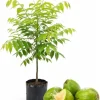
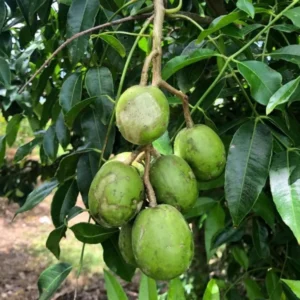
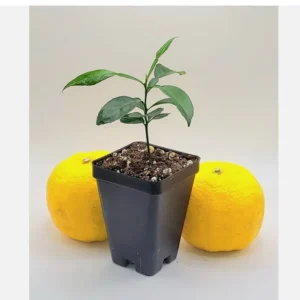
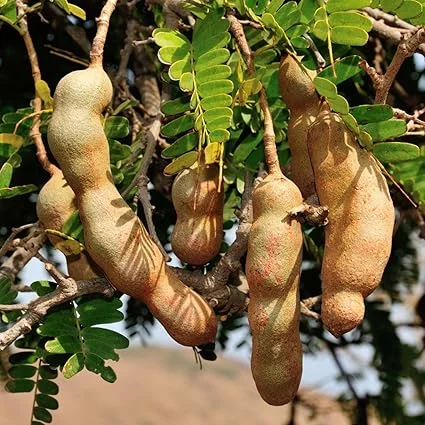
Bring a taste of the tropics to your home with this vibrant tamarind live plant, standing approximately 3 feet tall. Known for its distinctive tangy-sweet fruit, this tropical tree is a fantastic addition to any garden or patio, especially in warmer climates. The tamarind live plant is a beautiful and rewarding specimen that, with proper care, will mature into a stately tree, providing both ornamental beauty and delicious, edible pods. Its lush green foliage and eventual fruit production make it a unique and conversation-starting plant for enthusiasts and home growers alike. This particular plant is a live, growing tree, ready to be nurtured in its new environment.
The tamarind (Tamarindus indica) is a long-lived, medium-growth tree native to tropical Africa. It is widely cultivated in tropical and subtropical regions around the world for its fruit, which is used in a variety of culinary applications, from savory dishes to desserts and beverages. Growing a tamarind live plant allows you to enjoy fresh tamarind pods, ensuring the highest quality and flavor for your culinary adventures. It’s an excellent choice for those looking to expand their home orchard with an exotic and productive fruit tree.
Key Benefits
Choosing to grow a tamarind live plant offers a multitude of benefits, from its unique fruit to its aesthetic appeal. This remarkable tree is not just a source of food but also a beautiful addition to your landscape. Here are some of the key advantages:
- Delicious Edible Fruit: The primary appeal of this plant is its production of tangy, flavorful pods, providing fresh tamarind for cooking, drinks, and snacks. This edible tamarind tree will eventually reward you with a bountiful harvest.
- Tropical Aesthetic: With its graceful form and lush green leaves, the tropical tamarind plant adds an exotic, vibrant touch to patios, gardens, or larger indoor spaces. It creates a beautiful focal point.
- Low Maintenance (Once Established): While it requires initial care, once established, the tamarind live plant is known for being relatively low maintenance, making it suitable for various gardeners.
- Long-Term Investment: Tamarind trees are long-lived, meaning your initial investment will continue to provide fruit and beauty for many years to come, maturing gradually into a magnificent tree.
- Culinary Versatility: The fruit pulp is incredibly versatile, used in chutneys, curries, sauces, candies, and refreshing beverages, opening up a world of culinary possibilities.
- Unique Home Orchard Addition: For those looking to diversify their fruit collection, a tamarind live plant offers a distinctive option not commonly found in typical home gardens.
- Air Quality Improvement: Like many plants, the tamarind tree contributes to better air quality by converting carbon dioxide into oxygen, enhancing the environment around your home.
Plant Care & Growing Tips
To successfully grow tamarind tree and ensure your tamarind live plant thrives, understanding its specific care requirements is crucial. Tamarind trees prefer warm, tropical to subtropical climates and can be grown outdoors in USDA zones 10-11. In cooler regions, they can be cultivated in containers and brought indoors during colder months, making them a versatile tropical tamarind plant for many environments.
Sunlight: Your tamarind live plant requires plenty of sun. It needs 6–8 hours of bright, direct daylight for optimal growth and fruiting. Choose a location in your garden or patio that receives full sun exposure. If growing indoors, place it near a south-facing window or use supplemental grow lights to ensure it gets adequate light.
Watering & Soil: This tree prefers well-drained, lightly moist soil. It’s essential to avoid waterlogged spots, as this can lead to root rot. Water thoroughly when the top inch or two of soil feels dry to the touch, then allow the soil to dry out slightly before the next watering. During the dormant season or cooler months, reduce watering frequency. A good quality potting mix with excellent drainage is ideal for container-grown plants. For outdoor planting, ensure your garden soil is not heavy clay and amends it with organic matter if necessary to improve drainage.
Temperature & Humidity: Tamarind trees are tropical and sensitive to cold. They thrive in temperatures above 60°F (15°C) and can be damaged or killed by frost. If you live in an area with cold winters, consider growing your tamarind live plant in a large pot that can be moved indoors when temperatures drop. They appreciate moderate to high humidity, which is often naturally present in their preferred warm climates. This detailed tamarind plant care guide will help you cultivate a robust and fruitful tree.
Fertilization: Feed your tamarind live plant with a balanced, slow-release fertilizer during its active growing season (spring and summer). A fertilizer formulated for fruit trees or tropical plants is generally suitable. Follow the product’s instructions for application rates. Reduce or stop fertilization during the fall and winter months when the plant’s growth slows down.
Size & Details
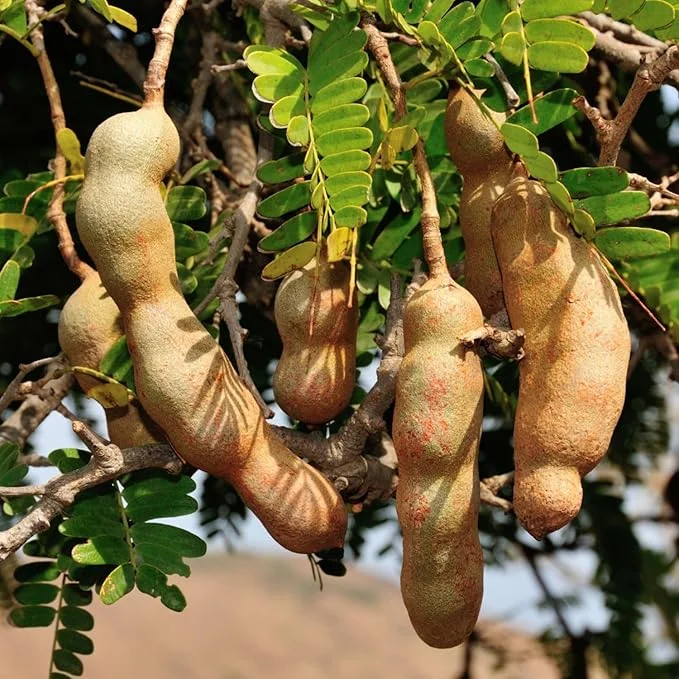
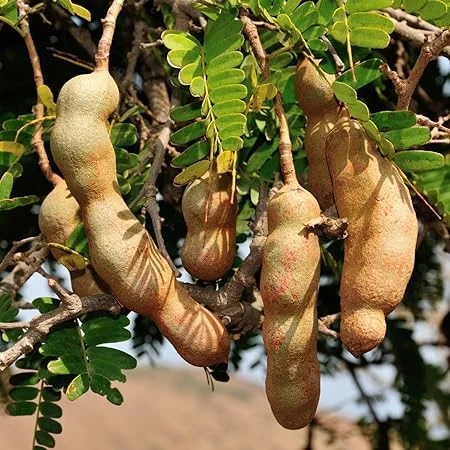
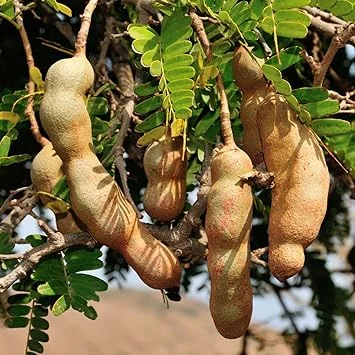
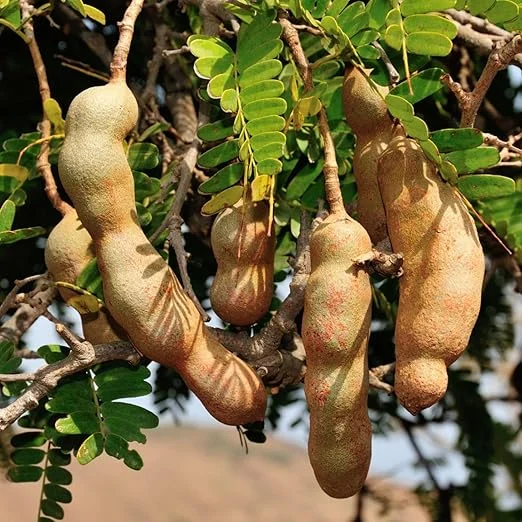
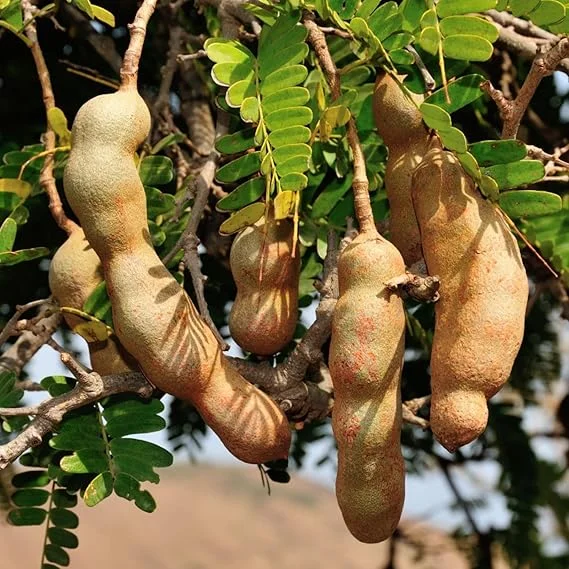
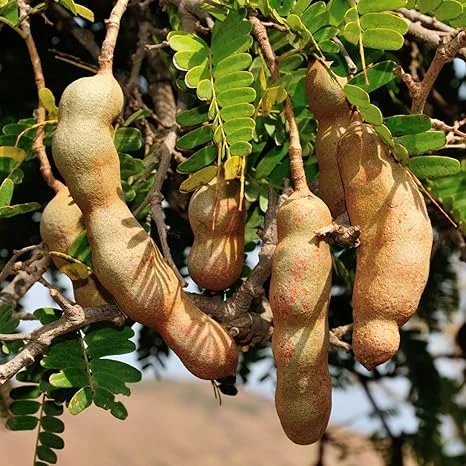
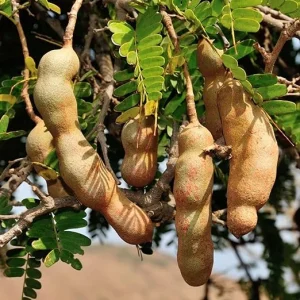
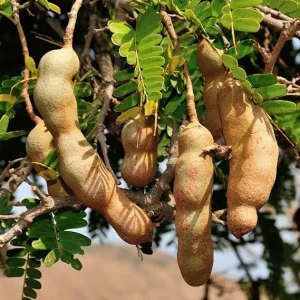
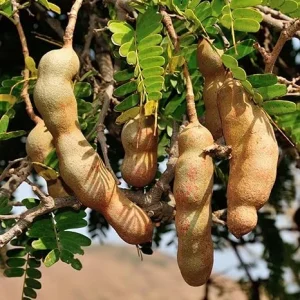
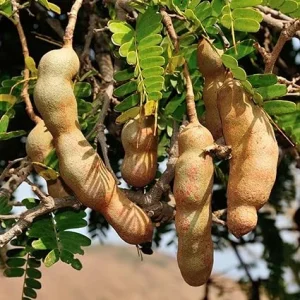
This offering is for a healthy tamarind live plant that stands approximately 3 feet (36 inches) tall from the base of the pot to the top of the foliage. It is a young, vigorous specimen ready for transplanting into a larger pot or directly into your garden. The plant is shipped as a rooted plant in its nursery container, ensuring minimal stress during transit and easy establishment upon arrival. Tamarind trees are known for their moderate growth rate and will gradually mature into a tall tree with a broad canopy over several years, releasing their characteristic long brown pods in warm climates after a few years of growth. The pale blooms precede the development of these pods, which are filled with the distinctive tangy, flavorful pulp that is highly prized.
While the exact width may vary, a 3-foot tall plant typically has a spread of 1-2 feet. With proper care and growing conditions, this edible tamarind tree can eventually reach heights of 40-70 feet in its natural habitat, though container-grown plants will remain significantly smaller and can be pruned to maintain a manageable size. Expect fruit production to begin several years after planting, depending on growing conditions and maturity. This tropical tamarind plant is a long-term investment that will bring exotic flavor to your home.
Frequently Asked Questions
- Q: How big does this plant get? A: This tamarind live plant is approximately 3 feet tall upon arrival. In optimal outdoor conditions, tamarind trees can grow very large (40-70 feet), but when grown in containers, their size can be managed with pruning, typically staying much smaller (10-20 feet).
- Q: Is this an indoor or outdoor plant? A: This tropical tamarind plant can be grown outdoors in USDA Zones 10-11 year-round. In cooler climates, it should be grown in a pot and brought indoors during the colder months to protect it from frost.
- Q: How much sunlight does it need? A: A tamarind live plant requires full sun exposure, meaning at least 6-8 hours of direct sunlight per day, whether grown outdoors or indoors near a bright window.
- Q: Is this plant easy to care for? A: Once established, the edible tamarind tree is considered relatively low-maintenance. The main considerations are providing adequate sunlight, well-draining soil, and protection from frost.
- Q: What condition will it arrive in? A: Your tamarind live plant will arrive as a healthy, rooted plant in its nursery container, carefully packaged to ensure its safe journey and readiness for planting.
- Q: How long until it produces fruit? A: Tamarind trees typically begin to produce fruit several years after planting, usually between 5-7 years, depending on growing conditions and maturity. Patience is key when you grow tamarind tree.
- Q: What type of soil does it prefer? A: This tropical tamarind plant thrives in well-drained, lightly moist soil. Avoid heavy, waterlogged soils. A sandy loam or a good quality potting mix with perlite for drainage is ideal.
- Q: Can I use the fruit for cooking? A: Absolutely! The pods from your edible tamarind tree contain a tangy, flavorful pulp that is a staple in many cuisines. It’s used in curries, chutneys, sauces, desserts, and refreshing drinks.
- Q: Will it survive winter in my zone? A: Tamarind trees are tropical and are not frost-hardy. If you are outside USDA Zones 10-11, you must provide winter protection by bringing your potted tamarind live plant indoors.
- Q: Is this plant good for beginners? A: Yes, with attention to its light and temperature requirements, a tamarind live plant can be a rewarding choice for beginners interested in growing tropical fruit trees.


Reviews
There are no reviews yet.