Overview
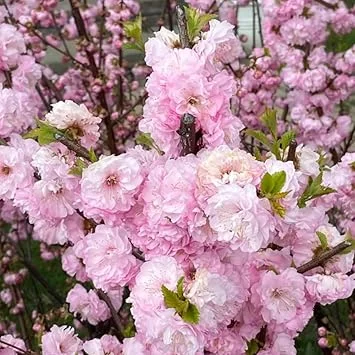
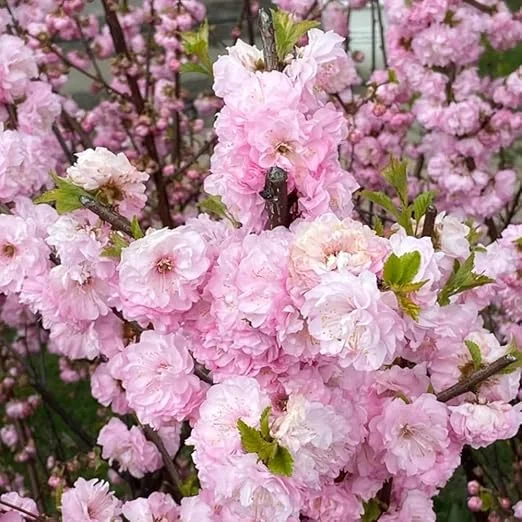
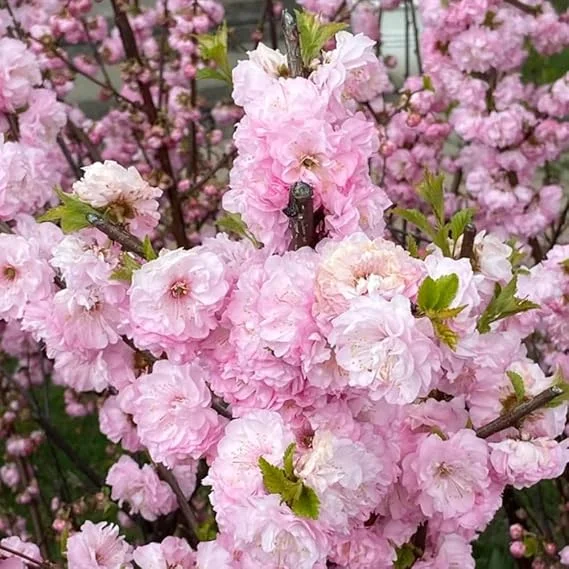
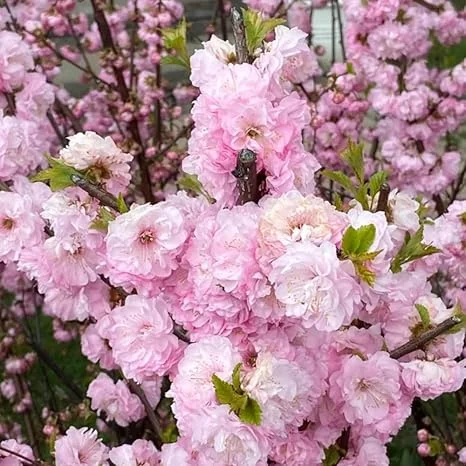
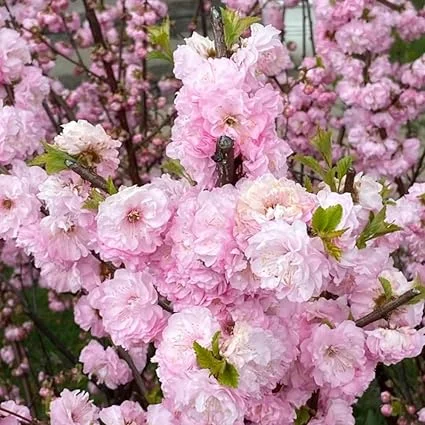
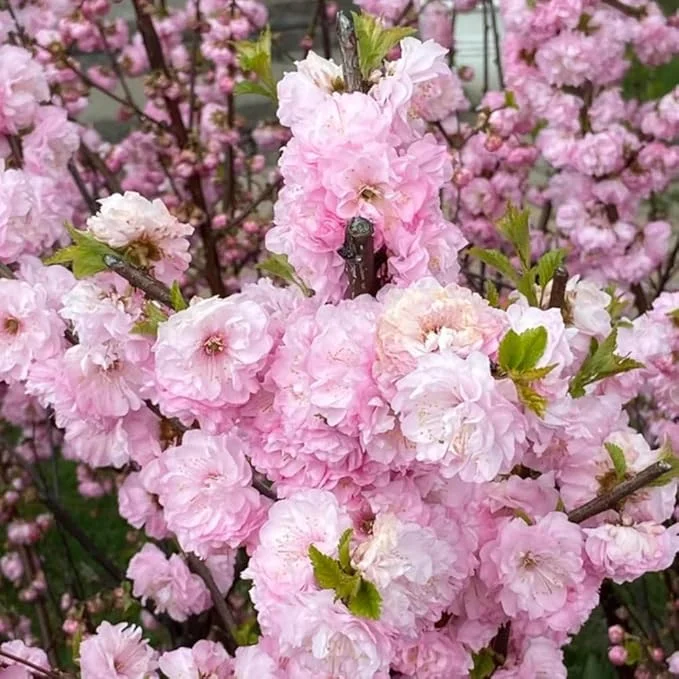
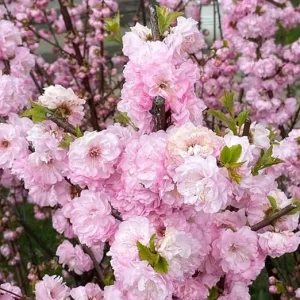
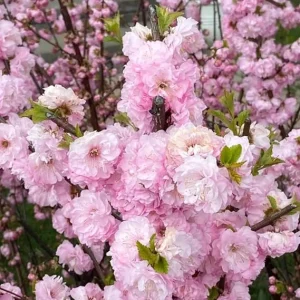
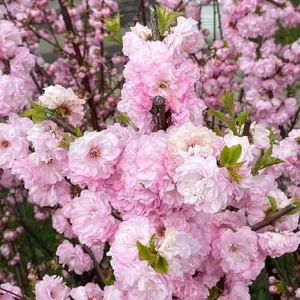
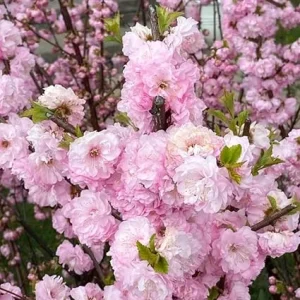
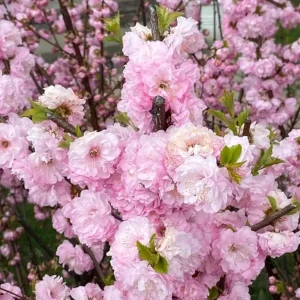
Introduce breathtaking beauty to your garden with this exquisite pink flowering almond shrub live plant. Known for its spectacular early spring display, this ornamental shrub transforms any outdoor space with a profusion of delicate, double-pink blossoms before its leaves even emerge. A true harbinger of spring, the flowering almond, botanically known as Prunus glandulosa, is a deciduous shrub prized for its compact size and dense flowering habit. This particular offering is a robust, 1-year-old perennial, ready to establish itself in your landscape and provide years of gorgeous seasonal interest. It is an ideal choice for gardeners seeking a reliable and visually stunning addition that requires minimal fuss, making it a popular option for both novice and experienced plant enthusiasts. Its ease of care combined with its undeniable charm makes the pink flowering almond shrub live plant a must-have for a vibrant spring garden.
The cold hardy flowering almond is celebrated for its resilience, comfortably growing in a wide range of climates. This plant arrives dormant in winter, a natural and healthy state for deciduous shrubs, ensuring it will vigorously re-sprout with fresh foliage and abundant flowers as temperatures warm. Its ability to withstand colder temperatures makes it a versatile choice for many regions across the United States. Plant it as a focal point, integrate it into a mixed border, or use it to create an elegant low hedge, and watch it become a springtime favorite.
Key Benefits
The pink flowering almond shrub live plant offers numerous advantages for any garden. Its captivating beauty and robust nature make it a standout choice:
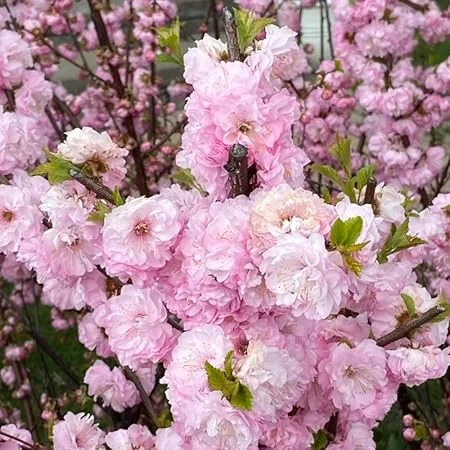
- Stunning Spring Blooms: Enjoy an explosion of vibrant, double-pink flowers each spring. These showy blossoms herald the arrival of warmer weather, providing an unparalleled visual spectacle and adding significant curb appeal to your property.
- Cold Hardy Perennial: This plant is a true perennial, meaning it returns year after year. Thriving in USDA Zones 4–8, it is exceptionally resilient and considered a cold hardy flowering almond, ensuring reliable performance even after harsh winters.
- Compact & Versatile Size: With a compact growth habit, this ornamental shrub is perfect for a variety of garden applications. It fits beautifully into smaller spaces, making it ideal for urban gardens, patios, or front yards where larger plants might overwhelm the area.
- Excellent for Borders & Hedges: Its dense flowering and manageable size make it an outstanding choice for creating beautiful borders, low hedges, or foundation plantings. It offers structure and seasonal interest to garden beds and pathways.
- Dormant Winter Resilience: This shrub naturally enters dormancy in winter, shedding its leaves. This is a healthy, natural process that allows it to conserve energy and return with even more vigor and blooms in the spring, showcasing its inherent resilience as a dormant winter plant.
- Low Maintenance: Once established, the flowering almond is relatively low maintenance, requiring minimal care beyond regular watering during dry spells and occasional pruning to maintain its shape and promote healthy growth.
- Early Season Interest: As one of the first plants to bloom in spring, it provides crucial early-season color and visual interest when many other plants are still dormant, brightening up the landscape after the long winter months.
Plant Care & Growing Tips
Caring for your pink flowering almond shrub live plant is straightforward, ensuring years of beautiful blooms. This resilient shrub prefers a location with full sun exposure, meaning it should receive at least 6 hours of direct sunlight daily to promote the most abundant flowering. While it can tolerate some light shade, too much shade will reduce the number of blossoms. Ensure it is planted in well-draining soil; it adapts to various soil types but thrives best in a rich, loamy soil. Avoid heavy, waterlogged soils, as this can lead to root rot. When planting, dig a hole twice as wide as the root ball and just as deep, ensuring the top of the root ball is level with the surrounding ground.
Watering is crucial during the establishment phase. After planting, water thoroughly to settle the soil around the roots. For the first year, keep the soil consistently moist but not soggy. Once established, the ornamental almond bush is moderately drought-tolerant but will benefit from deep watering during prolonged dry periods, especially when flowering. Fertilize in early spring with a balanced, slow-release granular fertilizer formulated for flowering shrubs. Pruning is best done immediately after flowering in spring. Remove any dead, damaged, or crossing branches, and prune to maintain a desirable shape and size. This also encourages more vigorous blooming the following year. This Prunus glandulosa plant is generally pest and disease resistant, but monitor for common issues like aphids or powdery mildew and treat as needed with appropriate organic or chemical solutions.
This cold hardy flowering almond thrives in USDA Zones 4–8, making it suitable for a wide range of climates. It is a dormant winter plant, so don’t be alarmed when it loses its leaves in the fall; this is a natural cycle. Protect young plants in the coldest zones with a layer of mulch around the base to insulate the roots. With proper care, your shrub will become a cherished part of your garden for many seasons.
Size & Details
This offering is for one pink flowering almond shrub live plant, a 1-year-old perennial, ready to be planted in your garden. Upon arrival, the plant will typically measure between 6-12 inches in height, shipped in a quart-sized pot with its root system intact and healthy. This size is ideal for easy handling and establishment, allowing you to quickly integrate it into your landscape design. The compact nature of this ornamental shrub means it will eventually reach a mature height and spread of approximately 4-6 feet, making it a manageable size for various garden settings without becoming overgrown.
The plant is shipped in a dormant state during colder months, which is completely normal and healthy for deciduous shrubs, ensuring successful transplantation and vigorous growth in spring. Expect abundant, double-pink blooms to appear in early spring, typically before the foliage fully emerges. This ornamental almond bush has a moderate growth rate, establishing itself well within the first year and producing an increasing display of flowers with each subsequent season. It’s an excellent investment for long-term garden beauty.
Frequently Asked Questions
- Q: How tall will the pink flowering almond shrub live plant get? A: This ornamental shrub typically grows to a mature height and spread of about 4-6 feet. It’s a compact plant, making it suitable for various garden sizes and uses.
- Q: Is this an indoor or outdoor plant? A: The pink flowering almond shrub live plant is an outdoor plant, best suited for garden beds, borders, or as a landscape specimen. It requires outdoor conditions to thrive and produce its beautiful spring blooms.
- Q: How much sunlight does the cold hardy flowering almond need? A: This shrub thrives in full sun, requiring at least 6 hours of direct sunlight per day for optimal growth and the most abundant flowering. It can tolerate partial sun but may produce fewer blossoms.
- Q: What condition will the plant arrive in? A: Your plant will arrive as a healthy, 1-year-old live plant, 6-12 inches tall, in a quart pot. During winter, it will be dormant, which is normal for this deciduous shrub and ensures its vitality for spring growth.
- Q: When is the best time to plant this ornamental almond bush? A: The best time to plant is in early spring or fall when temperatures are moderate. This allows the plant to establish its root system before extreme heat or cold.
- Q: Is this plant easy to care for? A: Yes, the flowering almond is considered a relatively low-maintenance shrub. Once established, it is quite hardy and requires basic care such as watering during dry spells and annual pruning after flowering.
- Q: Will this Prunus glandulosa plant survive winter? A: Absolutely. This is a cold hardy flowering almond, thriving in USDA Zones 4-8. It is a deciduous plant that naturally sheds its leaves and enters dormancy in winter, returning with fresh growth and blooms in spring.
- Q: How long until it blooms? A: As a 1-year-old plant, it is likely to produce some blooms in its first spring after planting, with more abundant flowering in subsequent years as it matures and establishes itself.
- Q: What type of soil does it prefer? A: It prefers well-draining soil, ideally a rich, loamy type. It can adapt to various soil conditions but good drainage is essential to prevent root issues.
- Q: Can I prune this shrub to keep it smaller? A: Yes, you can prune the dormant winter plant immediately after it finishes flowering in spring. This helps maintain its shape, control its size, and encourages new growth and more blooms for the following season.


Reviews
There are no reviews yet.