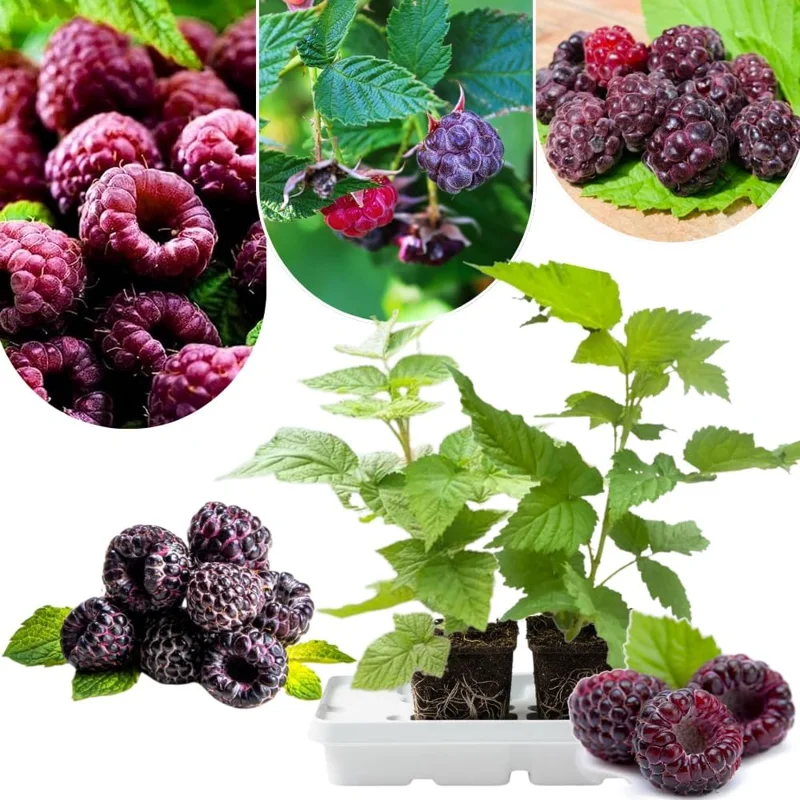
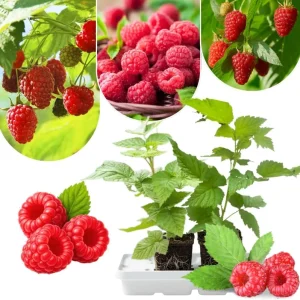
Overview
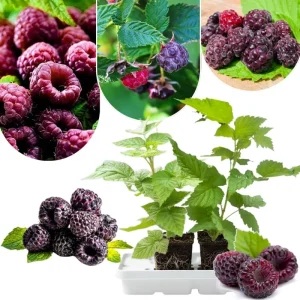
Bring the joy of fresh, homegrown fruit to your garden with this exceptional set of two red thornless raspberry live plant bushes. These well-rooted plants arrive ready to thrive, offering the promise of abundant, sweet, and juicy raspberries without the hassle of thorns. Ideal for both seasoned gardeners and beginners, these raspberry bushes are a fantastic addition to any edible landscape. Known for their vigorous growth and reliable fruiting, they will quickly establish themselves, providing a rewarding harvest season after season. The convenience of thornless canes makes harvesting a pleasure, encouraging more frequent picking and enjoyment of your fresh produce. This particular variety is celebrated for its robust nature and adaptability, making it a popular choice for many climates and garden styles. Cultivating your own raspberries ensures you have access to fresh, organic fruit right from your backyard.
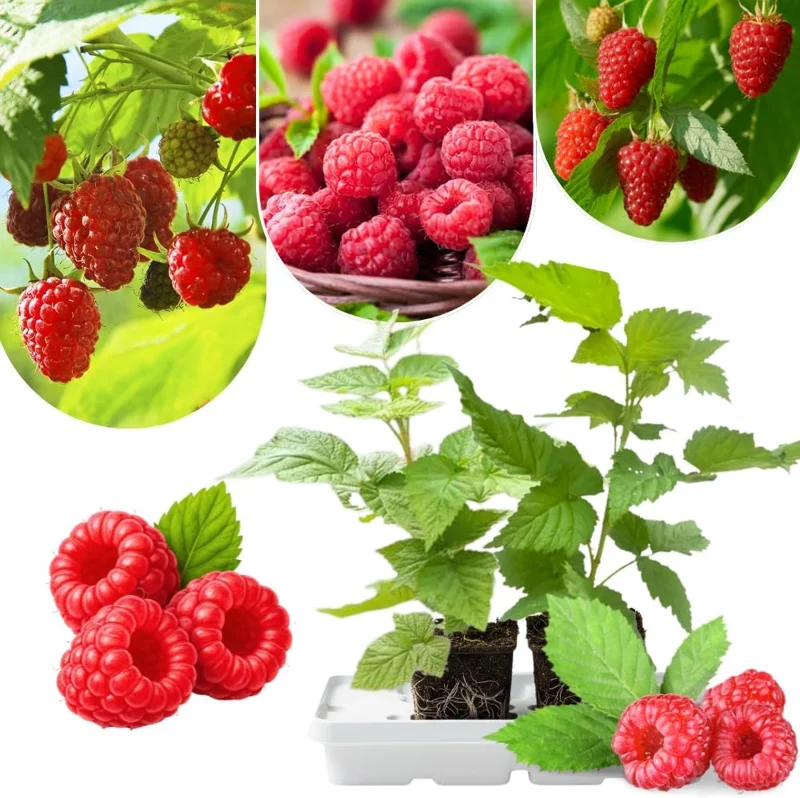
Each red thornless raspberry live plant is carefully nurtured to ensure it’s healthy and ready for successful transplanting into your garden or raised beds. Standing approximately 4-8 inches tall upon arrival, these young plants possess a strong root system, which is crucial for quick establishment and vigorous growth. They are specifically chosen for their cold-hardy characteristics, making them a resilient option for cooler climates and ensuring consistent yields even after harsh winters. Enjoy the satisfaction of picking your own sweet raspberries, perfect for eating fresh, making jams, pies, or adding to smoothies. These productive fruit plants are designed to provide a bountiful harvest, transforming your outdoor space into a delicious and fruitful haven.
Key Benefits
Investing in a red thornless raspberry live plant offers a multitude of benefits for your garden and your palate:
- Effortless Harvesting: The thornless canes make picking ripe raspberries an enjoyable and pain-free experience. This feature is especially beneficial for families with children or for anyone who prefers to harvest without gloves.
- Sweet & Juicy Fruit: These plants produce large, flavorful berries that boast an exceptionally sweet taste, perfect for fresh consumption, baking, or preserving. The quality of homegrown fruit often surpasses store-bought options.
- Cold Hardy & Resilient: Well-suited for cooler climates, these raspberry bushes are known for their ability to withstand cold temperatures and consistently produce fruit, making them a reliable choice for various USDA zones. They bounce back year after year.
- Consistent High Yields: With proper care, these raspberry plants are highly productive, providing a generous harvest of fruit throughout the growing season. This ensures you’ll have plenty of berries to enjoy and share.
- Attractive Garden Addition: Beyond their fruit production, these upright shrubs add a lovely green structure to your garden, enhancing its aesthetic appeal. They can be integrated into edible landscapes or dedicated fruit patches.
- Perennial Growth: As hardy perennials, these raspberry bushes will return year after year, offering long-term fruit production with minimal replanting effort. This makes them a sustainable and cost-effective choice for fruit growers.
- Versatile Culinary Use: The delicious fruit from your red thornless raspberry live plant can be used in countless ways, from fresh snacks and desserts to jams, jellies, sauces, and smoothies. Growing your own allows for endless culinary creativity.
Plant Care & Growing Tips
Ensuring the success of your red thornless raspberry live plant involves understanding its specific needs for sunlight, soil, and watering. These plants thrive in locations that receive full sun, meaning at least 6-8 hours of direct sunlight per day. Adequate sunlight is crucial for fruit development and overall plant health. While the initial product description mentioned full shade, raspberries generally demand significant sun exposure to produce sweet, abundant fruit. For optimal growth, choose a site with good air circulation to help prevent fungal diseases. Proper spacing between plants is also important to allow for air flow and ease of harvesting.
When it comes to soil, grow thornless raspberries in well-draining soil that is rich in organic matter. A slightly acidic to neutral pH (6.0-6.8) is ideal. Before planting, amend heavy clay soils with compost or peat moss to improve drainage, or sandy soils to enhance water retention. Consistent moisture is key, especially during fruiting periods, but avoid waterlogging which can lead to root rot. Water deeply at the base of the plant, ensuring the soil remains moist but not saturated. Fertilize in early spring with a balanced slow-release fertilizer or an organic compost to support vigorous growth and fruit production. These plants are suitable for USDA hardiness zones 4-8, demonstrating their excellent cold hardiness. Pruning is essential for maintaining plant vigor and maximizing yields; typically, prune out old, fruited canes after harvest and thin new canes in spring.
Monitor your raspberry bush for sale for common pests and diseases, although thornless varieties tend to be quite robust. Early detection and treatment can prevent major issues. Support systems like trellises or stakes can be beneficial for upright growth and to keep canes off the ground, which improves air circulation and fruit quality. With attentive care, your plants will flourish, providing a steady supply of delicious berries. Understanding how to grow thornless raspberries successfully will lead to years of enjoyable harvests.
Size & Details
This offering includes two thriving red thornless raspberry live plant specimens, each approximately 4-8 inches in height upon arrival. These young, well-rooted plants are shipped ready for immediate planting in your chosen garden spot or large containers. They are designed to establish quickly, with strong root systems prepared for vigorous growth. As perennial fruit plants, they will grow into upright shrubs, typically reaching a mature height of 3-6 feet and a spread of 2-4 feet, depending on variety and growing conditions. The rate of growth is moderate, with fruit production often beginning in the second year after planting. Expect these bushes to produce sweet, juicy berries, contributing to the overall appeal of your home garden.
The thornless nature of these raspberry bushes ensures a pleasant harvesting experience, making them ideal for gardens where accessibility and ease of picking are priorities. They are delivered as live, young plants, carefully packaged to ensure their health during transit. These plants are grown to be cold hardy, perfectly suited for USDA zones 4-8, which means they can withstand significant winter temperatures and bounce back to produce a bountiful crop each season. Prepare to enjoy the delightful taste of sweet raspberry fruit directly from your own garden, knowing you’ve nurtured them from these healthy starts.
Frequently Asked Questions
- Q: How big does this red thornless raspberry live plant get? A: These raspberry bushes typically grow to an upright height of 3-6 feet tall and can spread 2-4 feet wide. Their mature size depends on growing conditions and pruning.
- Q: Is this an indoor or outdoor plant? A: This red thornless raspberry live plant is an outdoor fruit bush, best suited for planting directly in the ground in a garden or in large outdoor containers where it can receive full sun.
- Q: How much sunlight does it need? A: For optimal fruit production and plant health, these raspberry plants require full sun exposure, meaning at least 6-8 hours of direct sunlight per day.
- Q: Is this plant easy to care for? A: Yes, these raspberry bushes are relatively easy to care for, especially due to their cold-hardy nature and thornless canes. Regular watering, annual fertilization, and proper pruning are key to successful growth.
- Q: What condition will the plants arrive in? A: Your red thornless raspberry live plant will arrive as well-rooted, healthy young plants, typically 4-8 inches tall, carefully packaged to ensure their vitality during transit. They are ready for planting upon arrival.
- Q: When is the best time to plant these raspberry bushes? A: The best time to plant these raspberry bushes is in early spring after the last frost, or in early fall before the ground freezes. This allows them to establish their root system before extreme temperatures.
- Q: Will it survive winter in my zone? A: These raspberry plants are cold-hardy and suitable for USDA zones 4-8. They are designed to survive winter in these climates and produce fruit reliably year after year.
- Q: How long until I get sweet raspberry fruit? A: You can typically expect your first significant harvest of sweet raspberries in the second year after planting. Some plants may produce a small crop in their first year under ideal conditions.
- Q: What kind of soil is best for growing thornless raspberries? A: These plants thrive in well-draining soil that is rich in organic matter. A slightly acidic to neutral pH (6.0-6.8) is ideal for healthy growth and fruit production.
- Q: Do these plants require a trellis or support? A: While they have an upright growth habit, providing a trellis or supportive stakes can help manage the canes, improve air circulation, and make harvesting easier, especially as the plants become laden with fruit.


Reviews
There are no reviews yet.