Overview
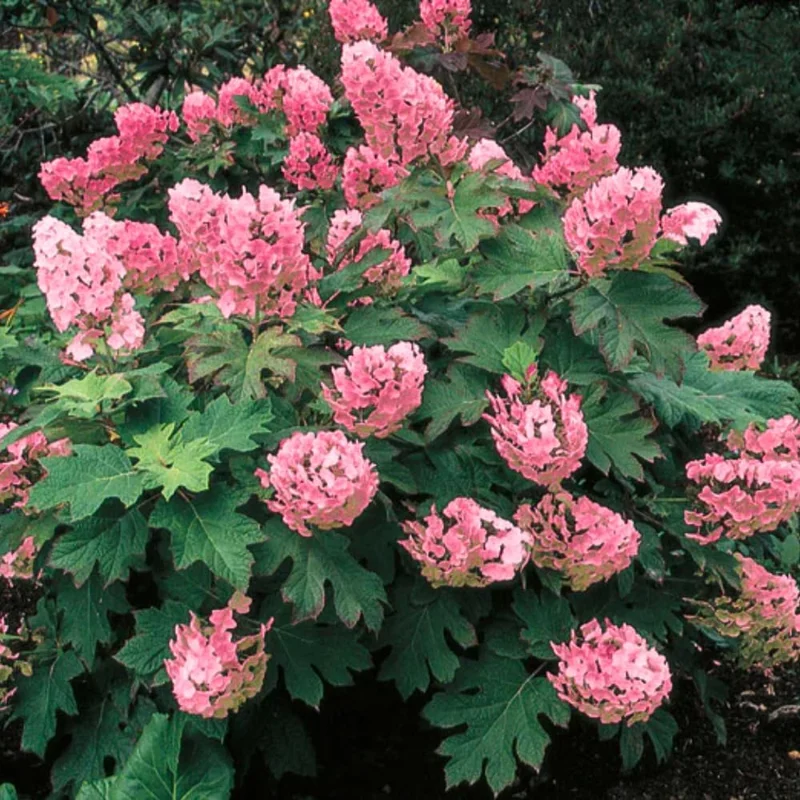
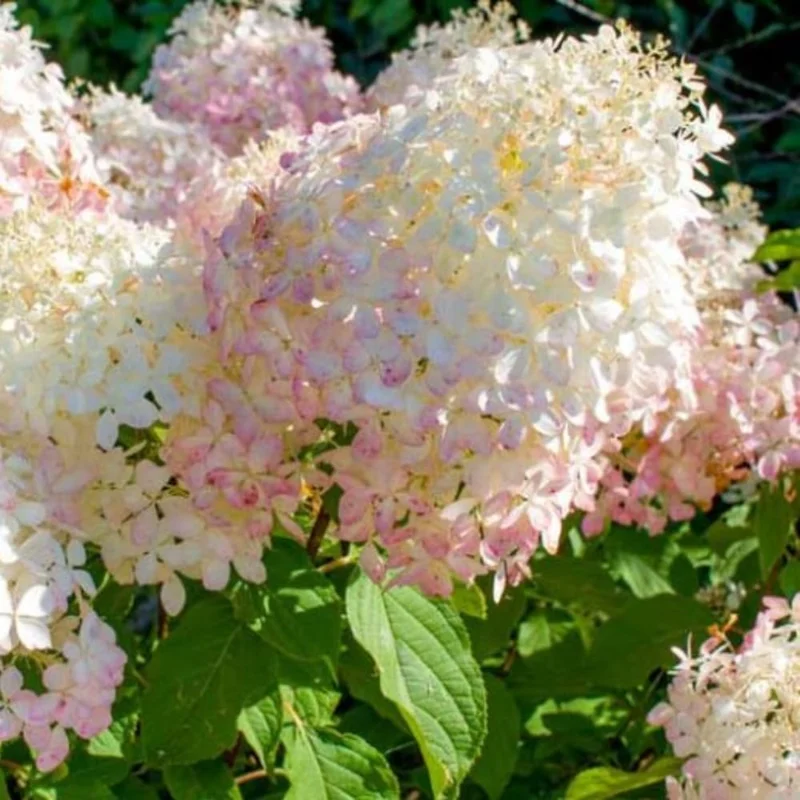
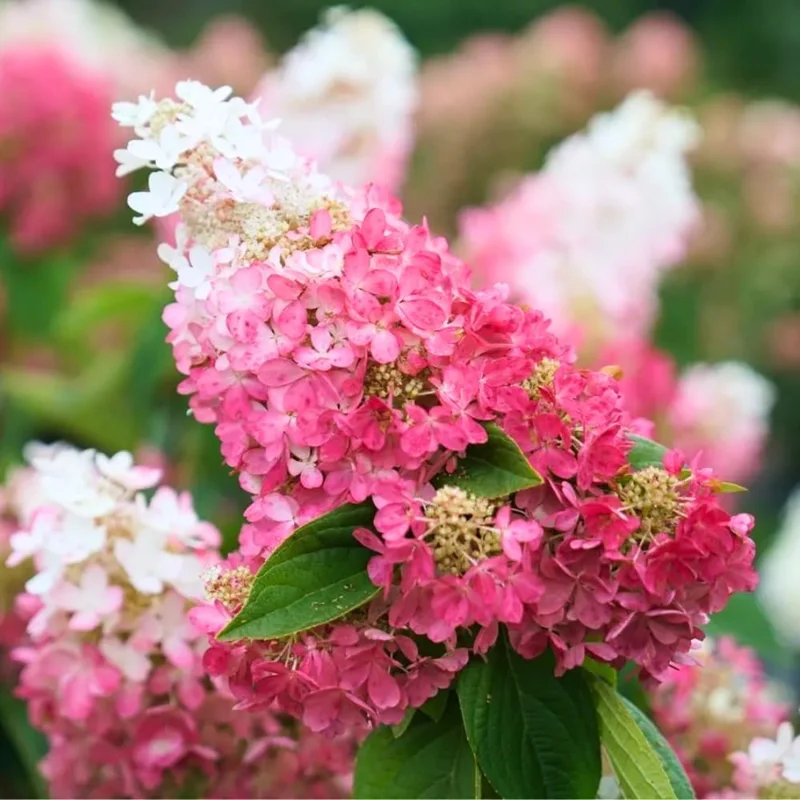
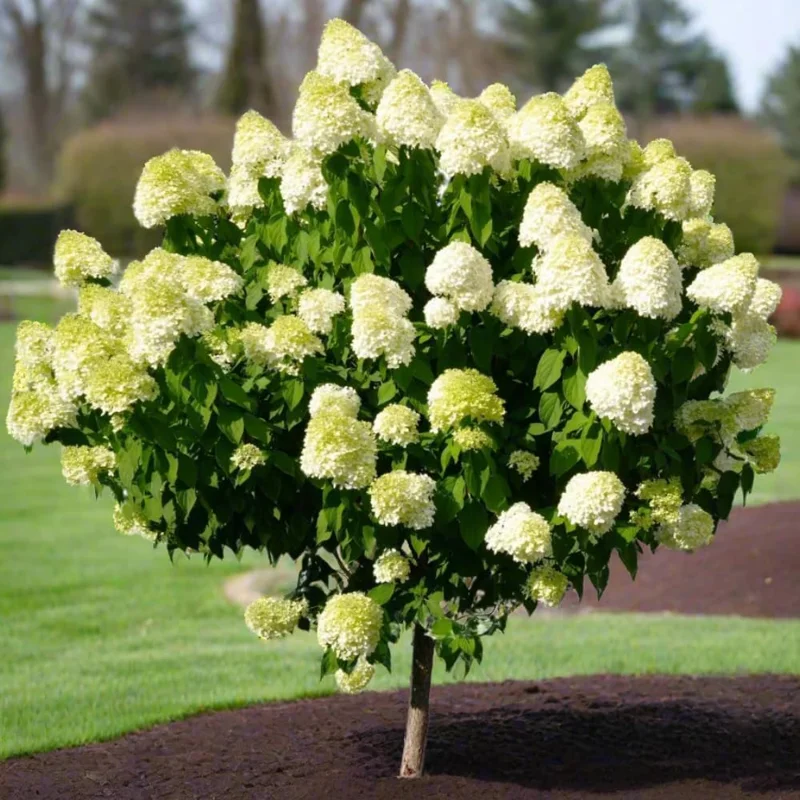
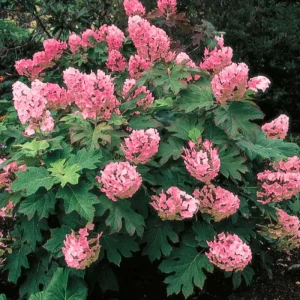
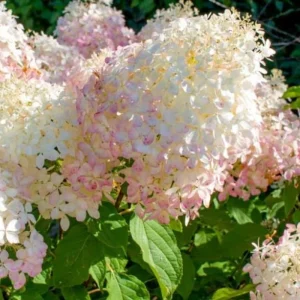
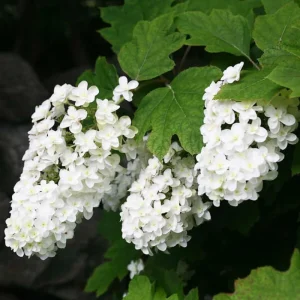
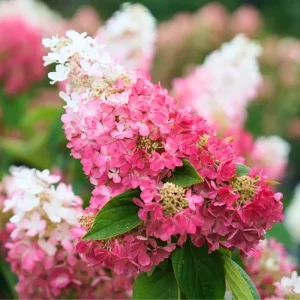
Transform your outdoor space with a stunning hydrangea live plant. This gorgeous flowering shrub, typically 6-12 inches tall when shipped in a 2.5-inch pot, promises to bring a splash of vibrant color and lush foliage to any garden. Known for its impressive, large flower clusters, the hydrangea is a beloved choice among gardeners for its beauty and versatility. This particular variety starts with white flowers that gracefully mature to a lovely pink hue in late summer, providing a dynamic display throughout the growing season. Whether you’re looking to create a striking focal point, fill out a border, or add charm to a container, this pink hydrangea shrub offers an exceptional horticultural experience. Its robust nature makes it a reliable choice for various climates, ensuring a rewarding gardening journey for both new and experienced plant enthusiasts.
The hydrangea live plant is an excellent addition to any landscape, providing continuous interest from spring through fall. Its adaptability to different soil types and sunlight conditions, from full sun to partial shade, makes it a resilient and easy-to-care-for option. As a deciduous shrub, it goes dormant in winter, ready to re-emerge with renewed vigor and spectacular blooms each spring. This hardy plant is not just a seasonal beauty; it’s an investment in the long-term aesthetic appeal of your garden, promising years of enjoyment and breathtaking floral displays.
Key Benefits
Adding a hydrangea live plant to your garden offers numerous advantages, enhancing both the beauty and ecological value of your outdoor environment. Its captivating blooms and robust growth habit make it a standout choice.
- Spectacular Floral Display: Enjoy large, showy flower clusters that transition from white to beautiful pink, providing a dynamic and long-lasting color spectacle from summer into fall. This makes the hydrangea growing guide easy to follow for stunning results.
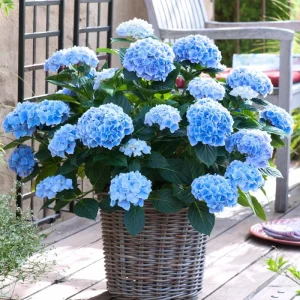
- Versatile Garden Use: Ideal for various applications, including garden borders, mass plantings, foundation plantings, accent plants, or even in large decorative containers on patios and decks.
- Hardy and Resilient: This shrub is known for its hardiness, thriving in USDA Zones 4-8, making it suitable for a wide range of climates and able to withstand cooler temperatures. It’s a truly hardy flowering shrub.
- Adapts to Light Conditions: Performs well in full sun to partial sun environments, offering flexibility in planting locations within your garden design.
- Low Maintenance: Once established, hydrangeas are relatively easy to care for, requiring minimal attention beyond regular watering and occasional fertilization to maintain their vigor and bloom production.
- Pollinator Friendly: While hydrangeas are not primary pollinator magnets, their blooms can attract some beneficial insects to your garden, contributing to local biodiversity.
- Long Bloom Period: Provides extended periods of bloom, ensuring your garden remains vibrant and attractive for several months during the warmer seasons.
Plant Care & Growing Tips
Caring for your hydrangea live plant is straightforward, ensuring a beautiful display year after year. Understanding its basic needs for sunlight, water, and soil will help it thrive. This outdoor hydrangea care guide will provide you with the essentials. Hydrangeas generally prefer a location where they receive morning sun and afternoon shade, especially in warmer climates, to protect their blooms from scorching. While they can tolerate full sun, consistent moisture is crucial in such conditions. Aim for at least 4-6 hours of sunlight daily for optimal flowering. In USDA Zones 4-8, these plants are reliably hardy, meaning they can typically withstand winter temperatures without extensive protection.
Watering is paramount for hydrangeas, particularly during dry spells and in their first year of establishment. The soil should be consistently moist but never waterlogged. A good rule of thumb is to water deeply 2-3 times per week, adjusting frequency based on rainfall and temperature. Well-draining soil, rich in organic matter, is ideal for these plants. You can amend heavy clay soils with compost to improve drainage and nutrient content. Fertilize in early spring with a balanced slow-release fertilizer formulated for flowering shrubs to encourage vigorous growth and abundant blooms. Pruning is best done after the flowering period, removing spent blooms and any dead or weak stems to maintain plant health and shape. Following these tips will ensure your hydrangea live plant flourishes.
Size & Details
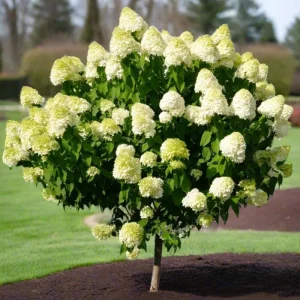
This hydrangea live plant arrives as a vibrant specimen, typically measuring 6-12 inches in height from the base of the plant to the top of its foliage or bloom, and is securely rooted in a 2.5-inch nursery pot. This size makes it perfect for immediate planting in your garden or for growing in a larger container. The plant is shipped in its active growing phase, carefully packaged to ensure its safe arrival. Expect a moderate growth rate, with the plant reaching its mature size of 6-10 feet tall and 6-8 feet wide over several seasons, depending on growing conditions and care. Its robust root system ensures a smooth transition to its new home, ready to establish and produce its characteristic large flower clusters.
The initial white blooms will gradually transform into a lovely pink as the season progresses, providing evolving beauty. This particular variety is well-suited for a wide range of outdoor settings and is a true hardy flowering shrub. It’s important to note that while the plant is well-established in its pot, transplanting it promptly after arrival into its permanent location will help it acclimate and thrive. With proper care, this hydrangea will become a magnificent feature in your garden, delivering impressive floral displays for many years.
Frequently Asked Questions
- Q: How big does this hydrangea plant get? A: This hydrangea live plant is shipped 6-12 inches tall in a 2.5-inch pot. At maturity, it can reach an impressive size of 6-10 feet tall and 6-8 feet wide, creating a substantial and beautiful presence in your garden.
- Q: Is this an indoor or outdoor plant? A: This is an outdoor plant, specifically a hardy flowering shrub. It thrives in garden beds, borders, and large outdoor containers, designed to withstand various outdoor conditions within its recommended USDA zones.
- Q: How much sunlight does it need? A: This hydrangea prefers full sun to partial sun exposure. Ideally, it should receive at least 4-6 hours of sunlight daily, with some afternoon shade beneficial in hotter climates to protect its blooms.
- Q: Is this plant easy to care for? A: Yes, once established, this hydrangea live plant is considered relatively easy to care for. It requires consistent watering, especially during dry periods, and benefits from well-draining soil and occasional fertilization.
- Q: What condition will it arrive in? A: Your hydrangea will arrive as a live, actively growing plant, carefully packaged in its 2.5-inch nursery pot to ensure it reaches you in excellent condition, ready for planting.
- Q: How long until it blooms? A: Depending on the time of year you receive it, your hydrangea may already have buds or blooms. Generally, hydrangeas bloom from summer into fall, and with proper care, you can expect beautiful flowers in the first growing season.
- Q: Will it survive winter in my zone? A: This hydrangea is cold hardy in USDA Zones 4-8. If you are within these zones, it should survive winter and re-emerge in spring, though some winter protection might be beneficial in the colder end of its range.
- Q: What type of soil is best for outdoor hydrangea care? A: Hydrangeas prefer rich, well-draining soil with plenty of organic matter. They can adapt to a variety of soil types, but amending with compost will greatly benefit their growth and bloom production.
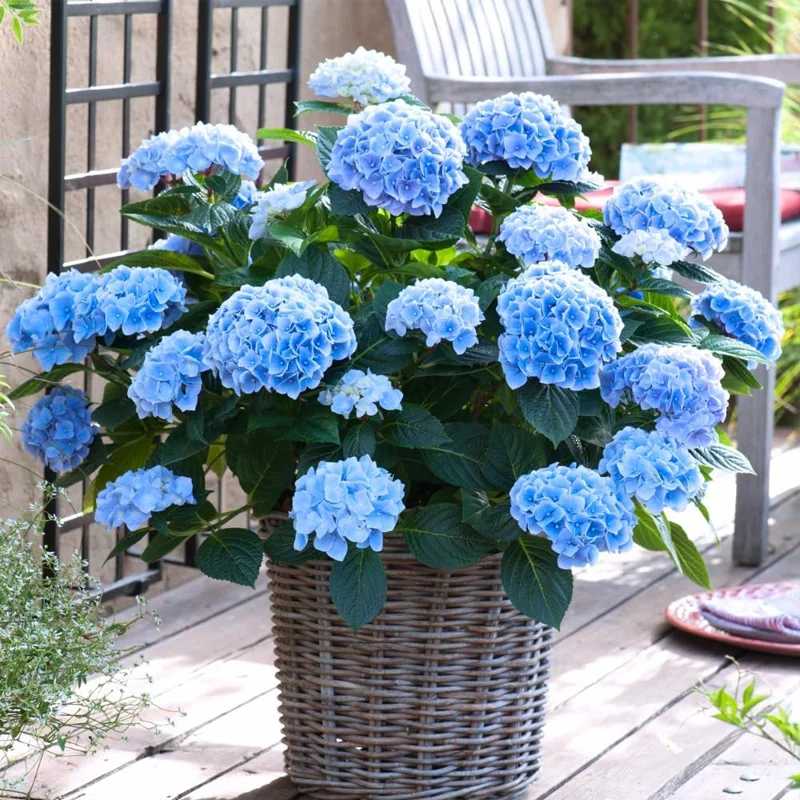
- Q: Can I grow this pink hydrangea shrub in a container? A: Yes, this hydrangea live plant is an excellent choice for growing in large containers, provided the container has good drainage and you are diligent with watering, as container plants tend to dry out faster.
- Q: What does the ‘pink white’ in the name refer to? A: This indicates the flower color transition. The blooms typically emerge white and then mature to a lovely shade of pink as the season progresses, offering a beautiful color change.


Reviews
There are no reviews yet.