Overview
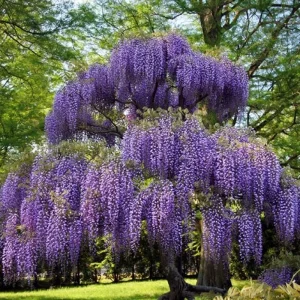
Transform your garden into a breathtaking haven with this exquisite purple wisteria live plant. Wisteria is a highly sought-after deciduous woody vine, celebrated for its dramatic cascading clusters of fragrant, pea-like flowers that bloom in shades of purple, blue, white, and pink. This particular offering is a vibrant purple variety, arriving as a robust 6-12 inch plant in a 2.5-inch pot, fully rooted and ready for planting. Known for its vigorous growth, the wisteria vine can rapidly cover structures like arbors, pergolas, and fences, creating a lush, romantic canopy. While dormant in winter, shedding its leaves, it promises a spectacular display of foliage and flowers from spring through summer. Investing in a purple wisteria live plant means adding a long-lasting, focal point that will enchant for many years, providing both visual beauty and a delightful fragrance to your outdoor living areas. It’s an ideal choice for gardeners looking to create a classic, English-garden aesthetic or simply add a touch of grandeur to their landscape.
Key Benefits
A purple wisteria live plant offers numerous advantages, making it a prized addition to any garden. Its stunning appearance and vigorous growth provide significant aesthetic and environmental benefits:
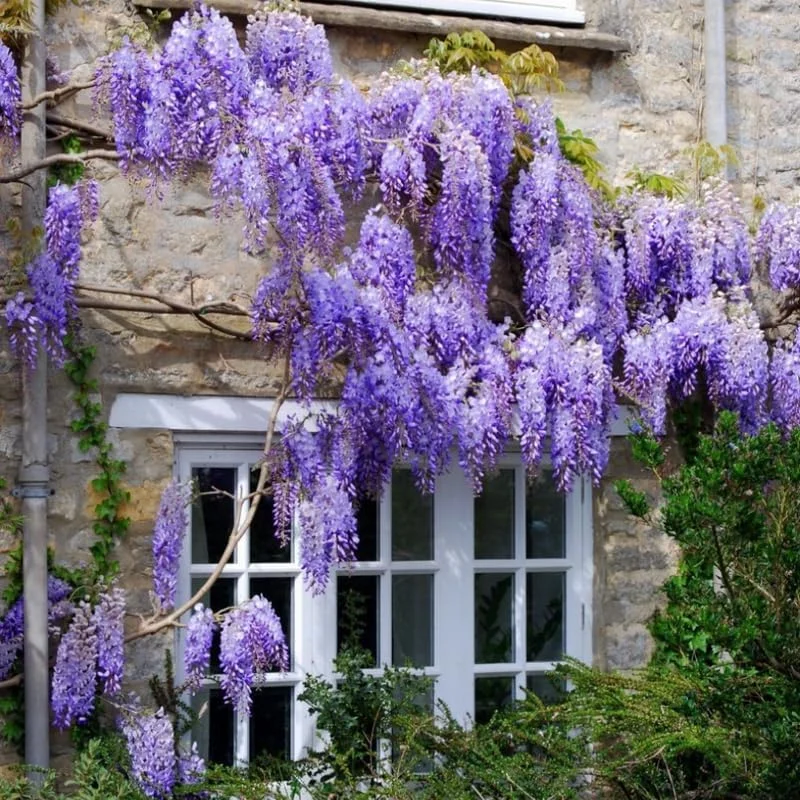
- Spectacular Blooms: Enjoy an abundance of long, pendulous clusters of fragrant purple flowers in spring and early summer. These showy blooms create a truly mesmerizing display, attracting pollinators and delighting onlookers. The vibrant purple hue adds a regal touch to any setting.
- Rapid Growth & Coverage: As a fast-growing climbing vine, wisteria can quickly establish itself and cover large areas. It’s perfect for quickly greening up walls, trellises, pergolas, or arbors, providing shade, privacy, and architectural interest. This makes it an excellent choice for creating instant impact in your landscape.
- Fragrant Garden: The beautiful flowers of the purple wisteria live plant release a sweet, intoxicating fragrance that can perfume your entire garden. This natural aroma enhances the sensory experience of your outdoor space, making it even more inviting and enjoyable during its blooming season.
- Long-Lasting Perennial: Wisteria is a hardy perennial, meaning it returns year after year, growing larger and more magnificent with age. Once established, it requires relatively low maintenance and can live for decades, becoming a cherished part of your garden’s legacy.
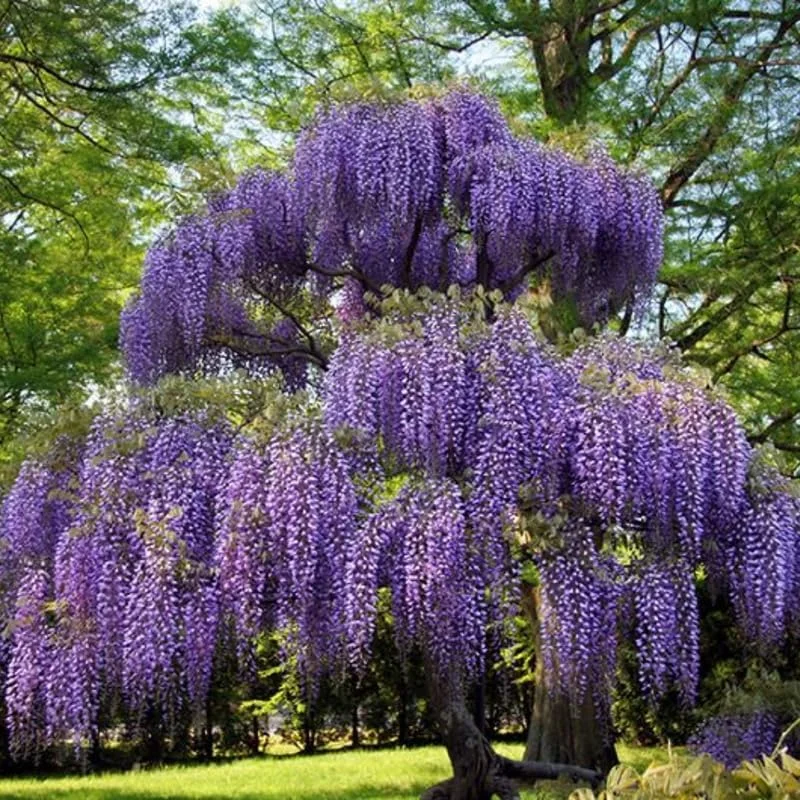
- Versatile Landscaping: This versatile vine can be trained in various ways – as a classic climbing vine, a standard tree form (wisteria tree), or even allowed to ramble over slopes. Its adaptability allows for creative landscaping solutions to suit different garden styles and sizes.
- Attracts Pollinators: The nectar-rich flowers are a magnet for bees, butterflies, and hummingbirds, contributing to a healthy and vibrant ecosystem in your backyard. By planting purple wisteria live plant, you’re supporting local wildlife.
- Durable & Resilient: Wisteria is known for its hardiness and ability to thrive in a range of conditions, making it a robust choice for many gardeners. It can withstand various climates, particularly within its recommended USDA zones, ensuring reliable performance.
Plant Care & Growing Tips
Caring for your purple wisteria live plant involves understanding its specific needs to ensure vigorous growth and abundant blooms. Wisteria thrives in full sun, meaning it requires at least 6 hours of direct sunlight per day. Adequate sunlight is crucial for flower production; too much shade can result in lush foliage but few flowers. When considering wisteria tree care, it’s essential to select a planting site that allows for ample light exposure and good air circulation. This hardy perennial is suitable for USDA Zones 4-9, making it adaptable to a wide range of climates across the US.
For soil, wisteria prefers well-draining soil that is moderately fertile. Avoid overly rich soil, as this can also encourage more foliage than flowers. While the plant is drought-tolerant once established, consistent moisture is important during its first year of growth. Water deeply and regularly, especially during dry spells, allowing the topsoil to dry out slightly between waterings. Fertilize sparingly; an annual application of a balanced, low-nitrogen fertilizer in early spring can be beneficial, but excessive nitrogen can inhibit flowering. Pruning is a critical aspect of growing wisteria vine and achieving prolific blooms. Regular pruning, typically twice a year (in late winter/early spring and again in summer), helps manage its vigorous growth, maintain its shape, and encourage flower bud formation. Training the vine on a strong support structure is also vital, as wisteria can become quite heavy.
Common issues include poor flowering, which is often due to insufficient sunlight, over-fertilization with nitrogen, or improper pruning. Pests are generally not a major problem, but watch for aphids or scale insects, which can be treated with insecticidal soap. Ensuring proper drainage and avoiding waterlogging will prevent root rot. With diligent wisteria tree care and attention to its environmental needs, your plant will reward you with years of stunning beauty and fragrant blossoms.
Size & Details
This offering is for one purple wisteria live plant, which arrives in a 2.5-inch nursery pot. The plant itself measures approximately 6 to 12 inches in height, providing a robust young specimen ready for transplanting. During late fall and winter, in accordance with its natural growth cycle, the plant will be dormant and leafless. This is a normal and healthy state for wisteria, indicating it is conserving energy for vigorous spring growth. Wisteria is a fast-growing vine, capable of reaching impressive mature sizes of 15-30 feet or more, making it an excellent choice for creating a grand, long-lasting focal point in your outdoor space. Its mature spread can be equally substantial, requiring a sturdy support structure. With proper growing wisteria vine techniques, you can guide its development to adorn arbors, pergolas, or walls beautifully. Expect the plant to establish itself quickly and begin producing its iconic fragrant purple blooms within a few years of planting, becoming a magnificent feature of your landscape for decades.
Frequently Asked Questions
- Q: How big does this plant get? A: This purple wisteria live plant is typically 6-12 inches tall when shipped. Once established, wisteria is a vigorous grower and can reach mature lengths of 15-30 feet or more, covering large structures like arbors and pergolas.
- Q: What size pot does it come in? A: The plant is shipped in a 2.5-inch nursery pot, fully rooted and ready for transplanting into your garden or a larger container. This size is ideal for a young, healthy plant.
- Q: Is this an indoor or outdoor plant? A: Wisteria is primarily an outdoor plant, thriving in full sun and requiring significant space to grow. It is not suitable for long-term indoor cultivation, as it needs a dormant period and ample light.
- Q: How much sunlight does it need? A: For optimal growth and abundant flowering, your purple wisteria live plant requires full sun, meaning at least 6 hours of direct sunlight per day. Insufficient light can lead to poor flowering.
- Q: Is this plant easy to care for? A: While wisteria is hardy, it requires specific care, particularly regarding pruning and training, to ensure prolific flowering. With consistent wisteria tree care, it is manageable but not considered a low-maintenance plant for beginners.
- Q: What condition will it arrive in? A: During late fall and winter, the plant will arrive dormant and leafless, which is normal for this hardy perennial. In warmer months, it will arrive with foliage. It will be fully rooted and healthy.
- Q: How long until it blooms? A: Wisteria typically takes a few years to establish and begin flowering, usually 3-5 years from a young plant. Proper pruning and sufficient sunlight can encourage earlier and more prolific blooming.
- Q: When is the best time to plant? A: The best time to plant wisteria is in spring or early fall. This allows the plant to establish its root system before the stress of extreme summer heat or winter cold.
- Q: Will it survive winter in my zone? A: This hardy wisteria perennial is suitable for USDA Hardiness Zones 4-9. If you live within these zones, your wisteria should survive the winter and return each spring, especially with proper care.
- Q: What kind of soil does it prefer? A: Wisteria prefers well-draining soil that is moderately fertile. Avoid heavy clay soils or overly rich soils, which can hinder flowering. Good drainage is key for healthy root development.
- Q: Can I train it into a tree form? A: Yes, wisteria can be trained into a standard tree form, often referred to as a wisteria tree. This requires consistent pruning and staking of a central leader to develop a strong trunk and canopy over several years.
- Q: Is the fragrance of wisteria strong? A: Yes, one of the most beloved features of wisteria is its strong, sweet, and highly fragrant blooms. The delightful scent of the fragrant wisteria blooms can carry across a significant area of your garden.


Reviews
There are no reviews yet.