Overview
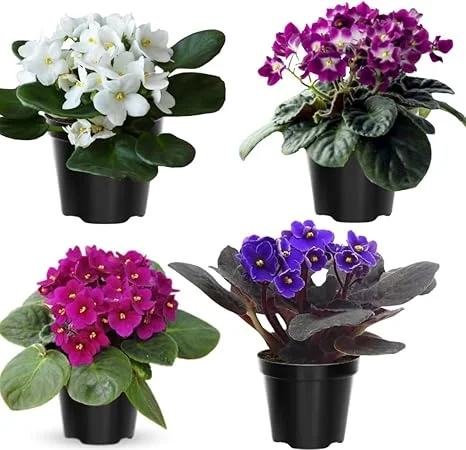
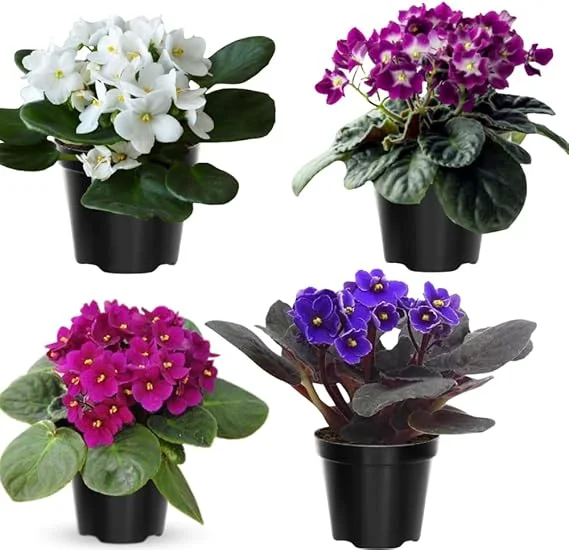
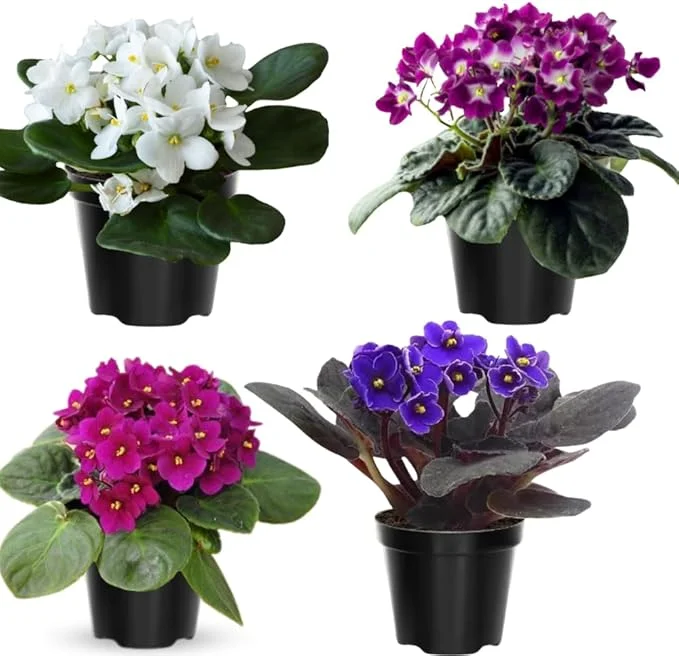
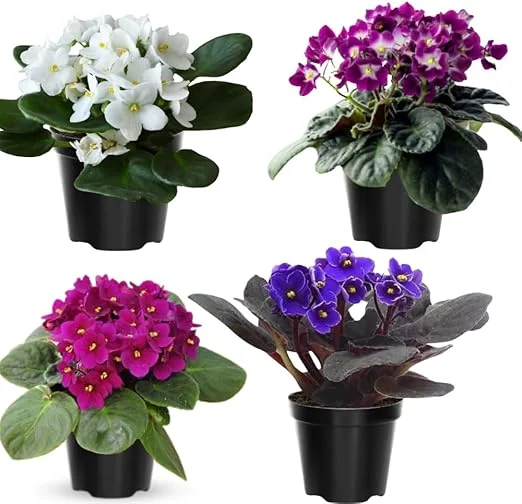
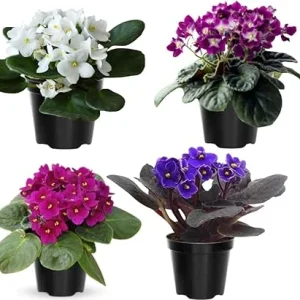
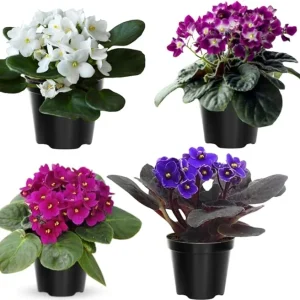
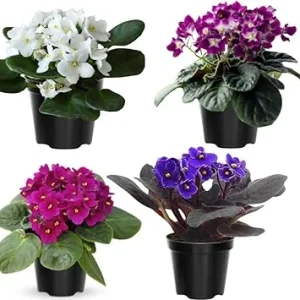
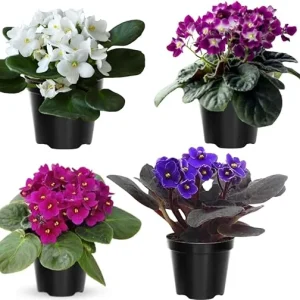
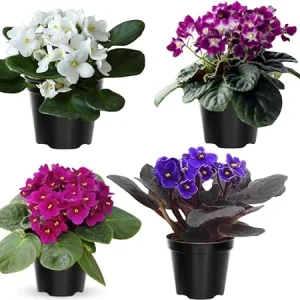
Introduce a touch of timeless elegance and continuous color to your living space with this beautiful african violet live plant. Revered for its delicate, velvet-like petals and lush green foliage, the African Violet (Saintpaulia) is a beloved houseplant that promises to brighten any room. This particular specimen arrives as a healthy, established plant in a 4-inch pot, ready to flourish in its new home. African Violets are celebrated for their ability to produce vibrant blooms throughout the year, making them a consistent source of joy and natural beauty. Whether you’re a seasoned plant enthusiast or new to the world of indoor gardening, this delightful plant offers a rewarding experience with its charming appearance and relatively straightforward care requirements. Its compact size makes it an ideal choice for windowsills, desks, or shelves, adding a splash of enduring color wherever it’s placed.
Key Benefits
An african violet live plant offers numerous advantages, making it an excellent addition to almost any home. Its enduring beauty and easy-to-manage nature contribute to a more vibrant and serene indoor environment. Here are some of the key benefits:
- Continuous Blooms: Unlike many seasonal plants, African Violets are known for their ability to bloom almost year-round, providing a steady display of colorful flowers that can range from shades of purple, pink, blue, and white. This ensures your home always has a touch of natural vibrancy.
- Compact Size: With a typical size of 4-6 inches, these plants are perfect for smaller spaces. They fit comfortably on windowsills, office desks, bookshelves, or as part of a larger indoor plant collection without taking up too much room.
- Air Purification: Like many houseplants, African Violets contribute to improved indoor air quality by absorbing common household toxins and releasing fresh oxygen, creating a healthier living environment.
- Low Maintenance: Once you understand the basics of african violet care, these plants are surprisingly low-maintenance. They don’t require constant attention and are forgiving of occasional neglect, making them suitable for busy individuals.
- Versatile Decor: The classic beauty of an indoor african violet plant complements a wide range of interior design styles, from traditional to modern. Their varied flower colors allow for personalization and coordination with existing decor.
- Shade Resistant: While they appreciate bright, indirect light, African Violets are quite tolerant of lower light conditions, making them a good choice for rooms that don’t receive intense sunlight. This characteristic makes them a versatile low light african violet option.
- Stress Reduction: The presence of living plants, especially beautiful flowering ones, has been shown to reduce stress and improve mood. Caring for a blooming houseplant can be a therapeutic and calming activity.
Plant Care & Growing Tips
Proper african violet care is essential for ensuring your plant thrives and produces its beautiful, consistent blooms. Understanding their specific needs will help you enjoy this charming houseplant for years to come. African Violets prefer bright, indirect light. An east-facing window is often ideal, providing gentle morning sun. Avoid direct midday sun, which can scorch their delicate leaves. If natural light is insufficient, they can also thrive under fluorescent or LED grow lights for 12-14 hours a day. Consistent temperatures between 65-75°F (18-24°C) are best, and they do not tolerate sudden temperature fluctuations or cold drafts.
Watering is crucial for an indoor african violet. The key is consistency and avoiding wetting the leaves, as this can lead to spotting or fungal issues. Water when the top inch of soil feels dry to the touch. Use room-temperature water and water from the bottom by placing the pot in a saucer of water for about 20-30 minutes, allowing the plant to soak it up. Alternatively, water carefully from the top, avoiding the foliage. Ensure the pot has good drainage, as these plants are susceptible to root rot if left in standing water. A well-draining potting mix specifically formulated for African Violets is highly recommended.
Fertilize your African Violet every 2-4 weeks with a balanced liquid fertilizer diluted to half strength during its active growing and blooming periods. Reduce or stop fertilizing during dormant periods. Maintain high humidity levels, especially during dry winter months; this can be achieved by placing the pot on a pebble tray filled with water (making sure the pot isn’t sitting directly in the water). Regular deadheading of spent blooms encourages more flowering. Watch out for common pests like mealybugs or spider mites, and address them promptly with appropriate organic solutions to keep your blooming houseplant healthy.
Size & Details
This african violet live plant is typically shipped in a 4-inch nursery pot, providing a well-established root system ready for continued growth. The plant itself generally measures between 4 to 6 inches in height and width at the time of shipment, making it a compact and desk-friendly plant. African Violets have a moderate growth rate and, with proper african violet care, can reach a mature size of up to 8-12 inches in diameter over several years. They are known for their longevity, often living for many years as a cherished indoor african violet. Expect continuous flushes of vibrant blooms throughout the year, peaking with consistent light and fertilization. The plant will arrive carefully packaged to ensure its health and vitality during transit.
Frequently Asked Questions
- Q: How big does this african violet live plant get? A: This plant typically arrives in a 4-inch pot and can grow to an average mature size of 6-12 inches in diameter, depending on care and growing conditions.
- Q: Is this an indoor african violet or outdoor plant? A: African Violets are primarily grown as indoor houseplants due to their sensitivity to temperature fluctuations and preference for consistent, indirect light. They can be placed outdoors in very mild, shaded conditions during warm summer months but are best kept indoors.
- Q: How much sunlight does an african violet live plant need? A: They thrive in bright, indirect light. An east-facing window is ideal. Avoid direct, harsh sunlight which can burn their leaves. They are considered a good low light african violet option if given supplemental artificial light.
- Q: Is this plant easy to care for? Is it good for beginners? A: With a few key care practices, African Violets are relatively easy to care for and are often recommended for beginners who want a rewarding blooming houseplant. Consistent watering and light are the most important aspects of african violet care.
- Q: What condition will it arrive in? Is it shipped in soil? A: Your African Violet will arrive as a healthy, live plant, securely packaged in its 4-inch nursery pot with soil, ready for placement in your home.
- Q: How long until it blooms? A: African Violets are known for their continuous blooming cycle. Your plant may arrive in bloom, or it will likely produce flowers shortly after settling into its new environment with proper care.
- Q: What is the best soil for african violet care? A: A specialized African Violet potting mix that is light, airy, and well-draining is highly recommended. This type of soil provides the aeration and moisture retention that these plants prefer.
- Q: Will it survive winter in my zone? What’s the minimum temperature? A: As an indoor plant, it’s protected from outdoor winter conditions. African Violets prefer consistent indoor temperatures between 65-75°F (18-24°C) and should not be exposed to temperatures below 60°F (15°C).
- Q: Are African Violets pet-safe? A: African Violets are generally considered non-toxic to cats and dogs, making them a safe choice for homes with pets. However, it’s always best to discourage pets from chewing on any houseplants.
- Q: Why are my indoor african violet leaves turning yellow? A: Yellowing leaves can indicate several issues, including overwatering, underwatering, too much direct sunlight, or a nutrient deficiency. Review your african violet care routine to identify the cause.


Reviews
There are no reviews yet.