Overview
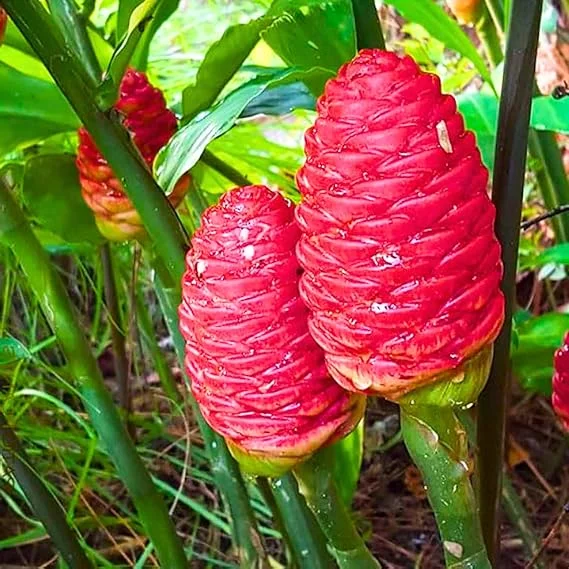
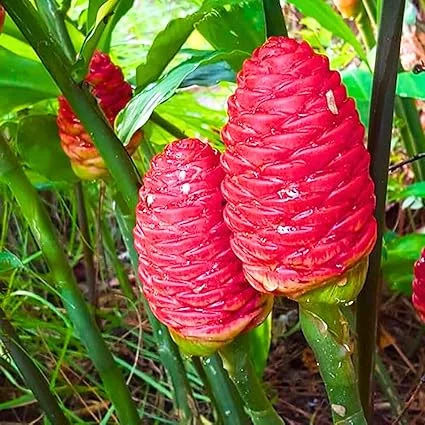
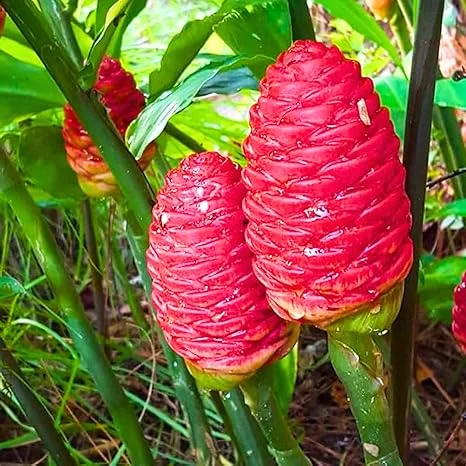
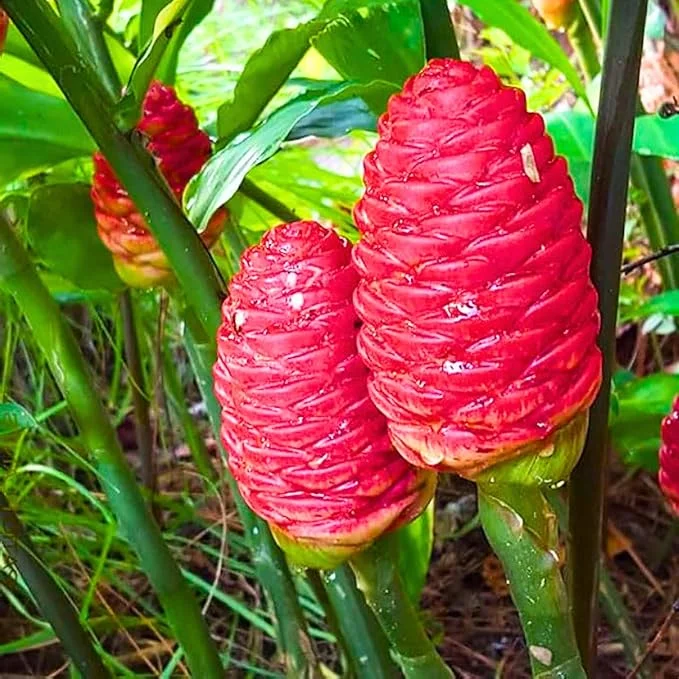
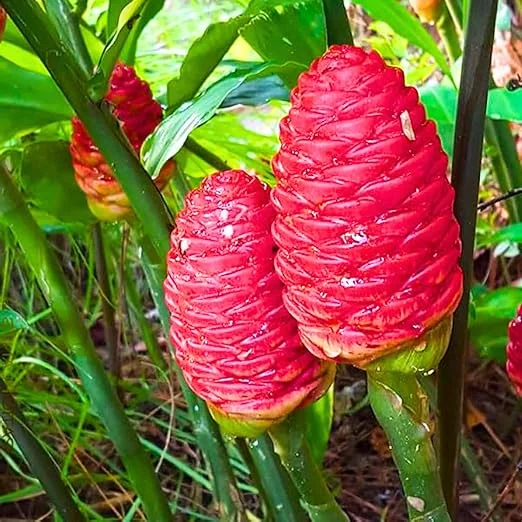
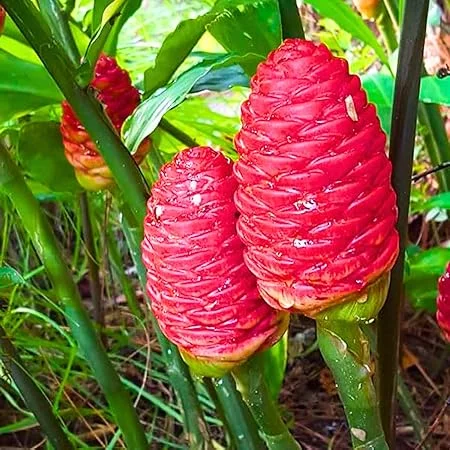
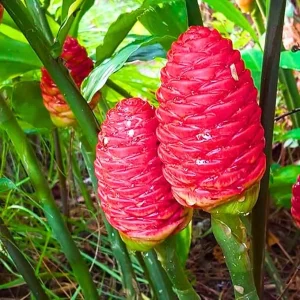
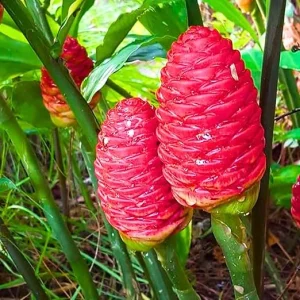
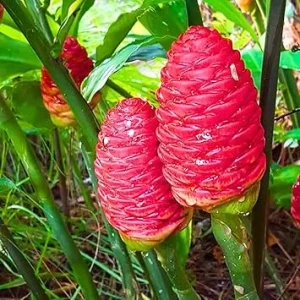
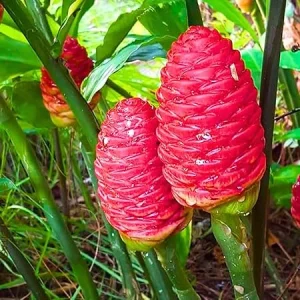
Bring the exotic beauty and unique benefits of the tropics to your home with these awapuhi shampoo ginger rhizomes. Also widely known as Awapuhi, Pinecone Ginger, or Bitter Ginger, Zingiber zerumbet is a fascinating tropical perennial plant celebrated for its distinctive pinecone-shaped inflorescences that produce a fragrant, conditioning liquid. These live rhizomes are ready for planting, offering you the opportunity to cultivate this remarkable species in your garden or as a striking potted specimen. Imagine the joy of harvesting your own natural shampoo or simply enjoying the lush foliage and unique blooms. This offering provides 5 awapuhi shampoo ginger rhizomes, ensuring a good start to your tropical ginger collection.
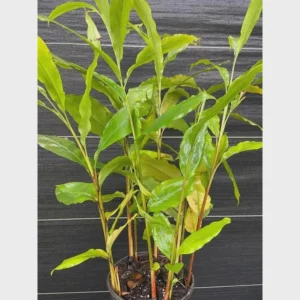
The pinecone ginger plant is not just a beautiful addition; it’s a conversation starter and a source of natural goodness. Its vibrant green leaves and unusual flowers make it a standout. Whether you’re an experienced gardener looking for something unique or a beginner eager to explore tropical plants, these live ginger roots are an excellent choice. With proper care, these rhizomes will flourish, bringing a touch of the Hawaiian rainforest to your personal oasis. Discover the magic of Zingiber zerumbet and its many uses.
Key Benefits
Cultivating awapuhi shampoo ginger rhizomes offers a multitude of advantages, from aesthetic appeal to practical uses. These plants are a true gem for any garden or indoor collection, providing both beauty and unique functionality.
- Unique Ornamental Value: The striking pinecone-shaped flower heads of the pinecone ginger plant add an exotic and visually appealing element to any garden or patio. Their vibrant green foliage provides a lush, tropical backdrop.
- Natural Conditioning Liquid: The mature pinecone flowers produce a clear, fragrant liquid often used in traditional Hawaiian practices as a natural shampoo and conditioner, offering a unique and beneficial aspect of growing this plant.
- Aromatic Foliage and Blooms: Both the leaves and the flowers of Zingiber zerumbet emit a pleasant, spicy fragrance, enhancing the sensory experience of your garden space.
- Ease of Growth: These live ginger roots are relatively easy to establish and maintain, making them suitable for gardeners of various skill levels. They are resilient and thrive in appropriate conditions.
- Versatile Planting Options: Can be grown outdoors in warmer climates (USDA Zones 8-11) or successfully cultivated indoors in containers, allowing gardeners in cooler regions to enjoy its beauty and benefits.
- Medicinal and Culinary History: Historically, awapuhi shampoo ginger rhizomes have been used in various traditional medicines and some culinary applications, adding to their intrigue and value.
- Attracts Pollinators: The unique blooms can attract beneficial pollinators to your garden, contributing to a healthy ecosystem.
Plant Care & Growing Tips
Ensuring your awapuhi shampoo ginger rhizomes thrive requires attention to a few key environmental factors. This tropical perennial prefers conditions that mimic its native habitat. For successful growth, focus on adequate sunlight, consistent moisture, and well-draining soil. Understanding these needs is crucial for enjoying healthy Zingiber zerumbet roots.
Sunlight Requirements: Pinecone ginger plant thrives in partial shade to full sun. In hotter climates, partial shade during the intense afternoon hours is beneficial to prevent leaf scorch. If growing indoors, place it near a window that receives bright, indirect light for several hours a day. Too little light can result in leggy growth and fewer blooms. For optimal bloom production, a good balance of morning sun and afternoon shade is often ideal.
Watering and Soil: These live ginger roots prefer consistently moist soil, but never waterlogged. Water thoroughly when the top inch of soil feels dry to the touch. Reduce watering during cooler, dormant periods. Well-draining soil is paramount to prevent rhizome rot. A rich, loamy soil amended with organic matter like compost or peat moss is ideal. Ensure your containers have drainage holes if planting indoors. The plant’s moisture needs are moderate, but regular checks are recommended, especially in hot, dry weather.
Temperature and Hardiness: Zingiber zerumbet is hardy in USDA Zones 8-11. In these zones, it can be grown outdoors year-round. In cooler climates, it can be grown as an annual or brought indoors before the first frost. Protect from temperatures below 40°F (4°C). Mature plants typically reach 3-6 feet tall. Fertilize every 2-4 weeks during the growing season with a balanced liquid fertilizer. Watch for common pests like spider mites or mealybugs and treat with horticultural oil or insecticidal soap if necessary. Proper shampoo ginger care will ensure a vibrant plant.
Size & Details
Each order includes 5 awapuhi shampoo ginger rhizomes, ready for planting. These are live ginger roots, carefully selected to ensure viability and robust growth. When mature, the pinecone ginger plant typically reaches a height of 3-6 feet, creating a significant tropical presence in your garden or indoor space. The mature height can vary slightly depending on growing conditions and climate. The rhizomes are shipped in a dormant or semi-dormant state, which is ideal for transplanting and establishing new growth.
The bloom time for Zingiber zerumbet is generally from summer to fall, producing its unique pinecone-shaped inflorescences that gradually fill with the distinctive fragrant liquid. These plants are perennial in their hardiness zones, meaning they will return year after year. When grown in containers, they may require repotting as they expand. The roots are designed to establish quickly when planted in suitable conditions, offering a rewarding gardening experience for those interested in shampoo ginger care and cultivation.
Frequently Asked Questions
- Q: How big do these awapuhi shampoo ginger rhizomes get? A: Once established, the pinecone ginger plant typically grows to a mature height of 3-6 feet tall, forming a lush, upright clump. Its spread can be similar to its height, creating a substantial tropical presence in your garden or large container.
- Q: Is this an indoor or outdoor plant? A: Zingiber zerumbet can be grown both indoors and outdoors. It thrives outdoors in USDA Hardiness Zones 8-11. In cooler climates, it can be grown in containers and brought indoors during winter, or cultivated as an indoor plant year-round with adequate light.
- Q: How much sunlight does the pinecone ginger plant need? A: This plant prefers partial shade to full sun. In regions with intense summer heat, providing partial shade, especially during the hottest part of the day, will help prevent leaf scorch. If growing indoors, aim for a location with bright, indirect light.
- Q: Is this plant easy to care for? Is it good for beginners? A: Yes, shampoo ginger care is relatively straightforward, making it a good choice for beginners. As long as its basic needs for moisture, light, and well-draining soil are met, it is quite resilient and rewarding to grow.
- Q: What condition will the live ginger roots arrive in? A: The live ginger roots (rhizomes) will arrive in a dormant or semi-dormant state, which is optimal for planting and establishing in their new environment. They are typically firm and ready to sprout once planted and watered.
- Q: How long until it blooms and produces the ‘shampoo’ liquid? A: The pinecone ginger plant typically blooms from summer to fall. It may take one or two growing seasons for newly planted rhizomes to reach maturity and produce the characteristic pinecone inflorescences that yield the fragrant conditioning liquid.
- Q: What’s the minimum temperature this plant can tolerate? A: Zingiber zerumbet is sensitive to cold. It is hardy down to USDA Zone 8, meaning it can tolerate temperatures around 10-20°F (-12 to -7°C) with some protection. Below 40°F (4°C), it’s best to bring potted plants indoors or ensure outdoor plants are well-mulched.
- Q: Can I use the liquid from these awapuhi shampoo ginger rhizomes? A: Yes, the liquid that accumulates in the mature pinecone-shaped inflorescences is traditionally used as a natural hair conditioner and shampoo in Hawaii. It’s safe to collect and use for its softening and conditioning properties.
- Q: What kind of soil is best for these live ginger roots? A: A rich, well-draining soil is essential. A good quality potting mix amended with organic matter like compost or peat moss works well. Ensure the soil allows for good aeration and doesn’t become waterlogged, which can lead to rot of the awapuhi shampoo ginger rhizomes.
- Q: When is the best time to plant these awapuhi shampoo ginger rhizomes? A: The best time to plant the live ginger roots is in spring after the last frost, when soil temperatures begin to warm up. This gives the rhizomes ample time to establish and grow throughout the warm season.


Reviews
There are no reviews yet.