Overview
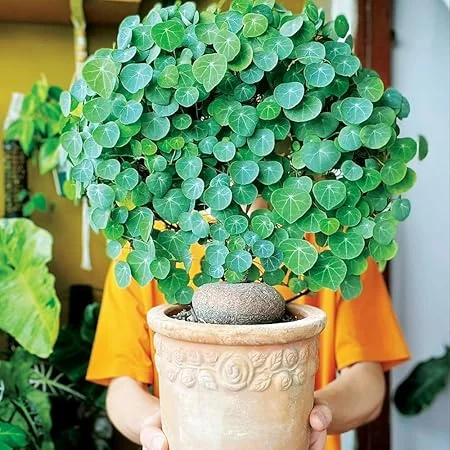
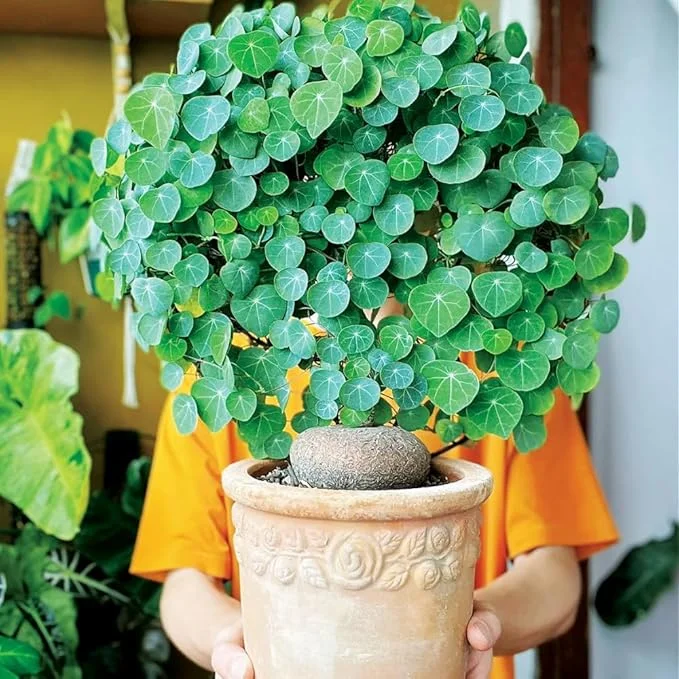
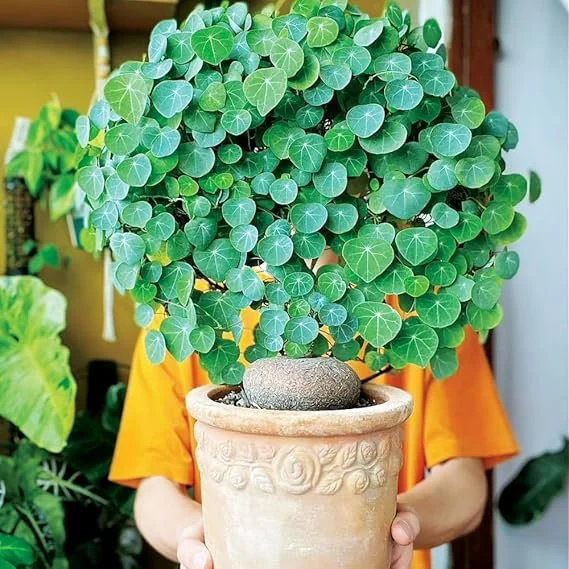
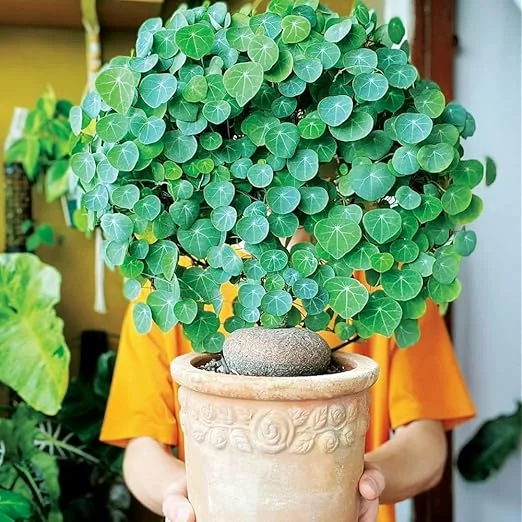
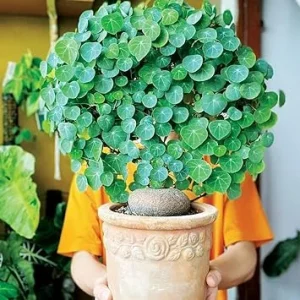
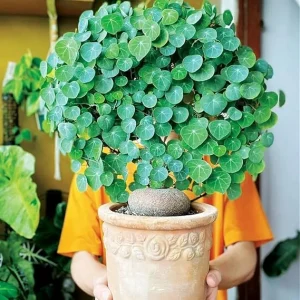
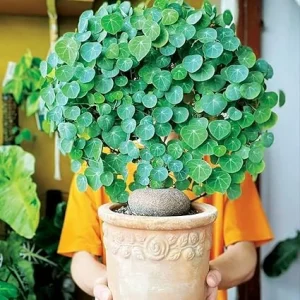
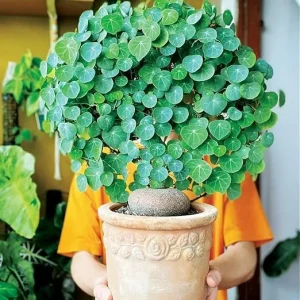
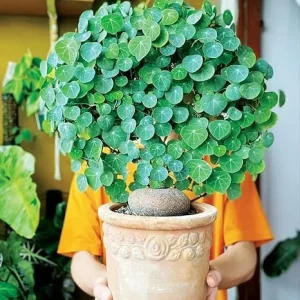
Introducing the captivating Stephania Cephalantha caudex, a truly unique and rare succulent that promises to be the focal point of any plant collection. Known for its distinctive, bulbous caudex, this fascinating plant offers an aesthetic unlike any other. Originating from Southeast Asia, the Stephania Cephalantha is cherished by collectors and enthusiasts for its architectural form and relatively easy care. Unlike many succulents, this particular specimen arrives with an already sprouting caudex, providing a head start on growth and making it simpler to establish in its new home. Whether you’re an experienced horticulturist searching for a rare caudex plant or a beginner looking for something extraordinary, this plant is an excellent choice for adding a touch of exotic elegance to your indoor or outdoor space.
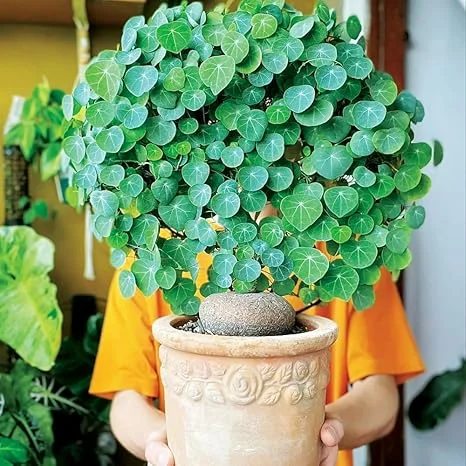
The charm of the Stephania Cephalantha caudex lies in its impressive, woody base, from which delicate vines and leaves emerge. This plant is a conversation starter, drawing attention with its unusual structure and vibrant green foliage. Its compact size makes it versatile for various display options, from small pots on a desk to a prominent spot in a succulent arrangement. Embrace the allure of this extraordinary succulent and enjoy the journey of watching its unique form develop and flourish.
Key Benefits
The Stephania Cephalantha caudex offers a multitude of benefits, making it an excellent choice for both seasoned plant enthusiasts and newcomers alike. Its unique characteristics provide both aesthetic pleasure and ease of care.
- Rare and Unique Appeal: Stand out from the crowd with this distinctive caudex succulent, known for its unusual bulbous base and delicate foliage. It’s a true collector’s item that adds an exotic touch to any environment.
- Already Sprouting Caudex: Enjoy the convenience of a plant that’s already begun its journey. This specimen arrives with an established sprout, simplifying the planting process and ensuring a quicker establishment.
- Versatile Decor Piece: With its compact 2.5-3 inch caudex, this plant is perfect for small spaces, terrariums, succulent displays, or as a captivating centerpiece, enhancing both indoor and outdoor aesthetics.
- Low Maintenance Succulent: As a succulent, the Stephania Cephalantha caudex is inherently drought-tolerant and requires minimal watering, making it an ideal choice for busy individuals or those new to plant care.
- Cold Hardy for Zones 9-11: This plant demonstrates notable cold hardiness, thriving in USDA Zones 9-11, allowing for a wider range of outdoor cultivation in suitable climates. For colder regions, it makes an excellent indoor caudex succulent.
- Engaging Growth Pattern: Observe the fascinating development of its vines and leaves from the central caudex, providing an ever-evolving natural display that is both calming and intriguing.
- Conversation Starter: The unusual form of this rare caudex plant is sure to spark curiosity and admiration among guests, making it a wonderful addition to any home or office.
Plant Care & Growing Tips
Caring for your Stephania Cephalantha caudex is straightforward, especially since it arrives already sprouting. Success largely depends on providing the right environment to mimic its natural habitat. This succulent thrives with careful attention to light, water, and soil conditions. Understanding its specific needs will ensure a healthy and vigorous plant that continues to grow and display its unique beauty.
For optimal growth, the Stephania Cephalantha caudex prefers bright, indirect sunlight. While it can tolerate some morning sun, direct harsh afternoon sun should be avoided, especially in warmer climates, as it can scorch the delicate leaves. If grown indoors, a south or east-facing window with filtered light is ideal. Outdoors, choose a location with dappled shade or morning sun. Watering is crucial for this plant; it’s essential to allow the soil to dry out completely between waterings to prevent caudex rot. Overwatering is the most common cause of problems for this succulent. During dormancy (typically in winter), reduce watering significantly, or stop entirely until new growth appears. When watering, ensure thorough drainage.
A well-draining soil mix is paramount for the health of your Stephania Cephalantha caudex. A typical succulent or cactus potting mix amended with extra perlite or pumice will provide the necessary aeration and drainage. The plant is cold hardy for USDA Zones 9-11, meaning it can tolerate temperatures down to about 25-30°F (-4 to -1°C) if kept dry. In colder zones, it must be brought indoors before temperatures drop. Fertilize sparingly during the growing season (spring and summer) with a diluted, balanced liquid fertilizer. Propagation can be done from seeds or by carefully rooting cuttings, though growing from a rare caudex plant is often preferred for its developed base. Keep an eye out for common succulent pests like mealybugs, and address them promptly with appropriate organic solutions.
Size & Details
This offering includes one Stephania Cephalantha caudex, featuring a medium-sized caudex that measures approximately 2.5 to 3 inches in width. Each plant is carefully selected to ensure it is already sprouting, indicating active growth and making it easier for you to establish. The caudex is the prominent, bulbous base of the plant, from which its delicate vines and leaves will emerge and grow. This compact size makes it highly adaptable for various display purposes, whether nestled in a small decorative pot on a windowsill or integrated into a larger succulent arrangement.
The plant is shipped as a live plant, typically with its caudex and nascent sprouts, ready for planting in your chosen container. While specific height will vary as it grows, the vines can reach several feet in length if allowed to climb or trail. Expect moderate growth once established, with the caudex slowly expanding over time. The vibrant green foliage will develop from the sprouts, creating a beautiful contrast with the woody caudex. This indoor caudex succulent or outdoor specimen is a remarkable addition to any plant collection, promising unique visual interest and a rewarding growing experience.
Frequently Asked Questions
- Q: How big does this Stephania Cephalantha caudex get? A: The caudex itself will be approximately 2.5-3 inches in width upon arrival. The vines can grow quite long, potentially several feet, and can be trained to climb or allowed to trail, depending on your preference.
- Q: Is this an indoor or outdoor plant? A: The Stephania Cephalantha caudex can thrive both indoors and outdoors. It is cold hardy in USDA Zones 9-11 for outdoor cultivation. In colder climates, it is best kept as an indoor caudex succulent, especially during winter months.
- Q: How much sunlight does it need? A: This plant prefers bright, indirect light. If indoors, place it near a window with filtered light. Outdoors, a spot with morning sun and afternoon shade is ideal to prevent leaf scorching.
- Q: Is this plant easy to care for? A: Yes, once established, the Stephania Cephalantha caudex is considered relatively easy to care for. Its primary requirement is well-draining soil and careful watering to avoid overwatering, which can lead to rot.
- Q: What condition will it arrive in? A: Your Stephania Cephalantha will arrive as a live plant with an already sprouting caudex, indicating active growth. It will be carefully packaged to ensure its safe transit.
- Q: Is it shipped in soil? A: The plant is typically shipped bare-root or with minimal soil around the caudex to ensure health and prevent rot during transit. You will need to plant it in your preferred well-draining succulent mix upon arrival.
- Q: How long until it blooms? A: Stephania Cephalantha typically blooms with small, inconspicuous flowers once mature and well-established. The primary ornamental feature is its unique caudex and foliage, rather than its flowers.
- Q: What’s the minimum temperature this cold hardy succulent can tolerate? A: This plant is cold hardy down to USDA Zone 9, which means it can tolerate temperatures around 25-30°F (-4 to -1°C) when kept dry. For sustained health, it’s best to protect it from freezing temperatures.
- Q: What makes this a rare caudex plant? A: The Stephania Cephalantha is considered rare due to its unique growth habit, distinctive caudex, and the specific conditions required for its propagation and cultivation, making it a sought-after item for collectors.
- Q: Do I need to worry about hair roots with this plant? A: This particular succulent is known for its distinctive caudex and often develops minimal hair roots, making it a unique specimen. Focus on maintaining the health of the caudex itself.


Reviews
There are no reviews yet.