
Overview
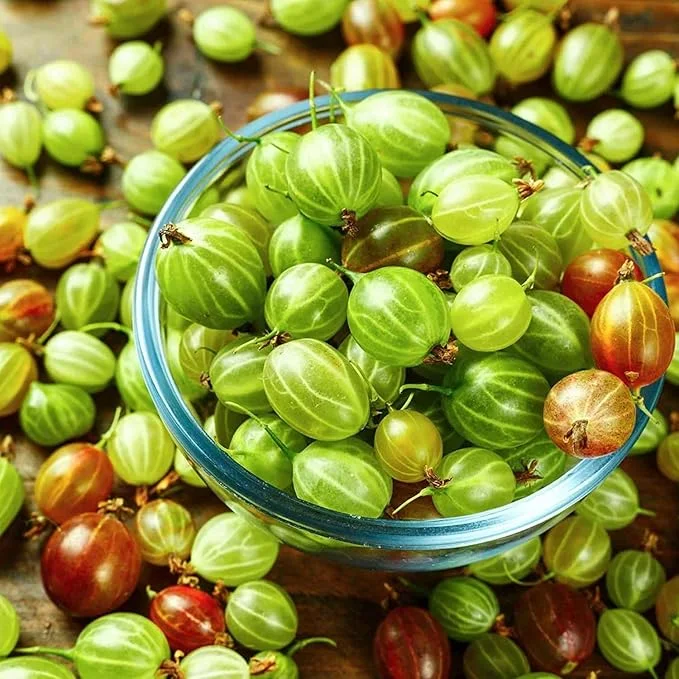
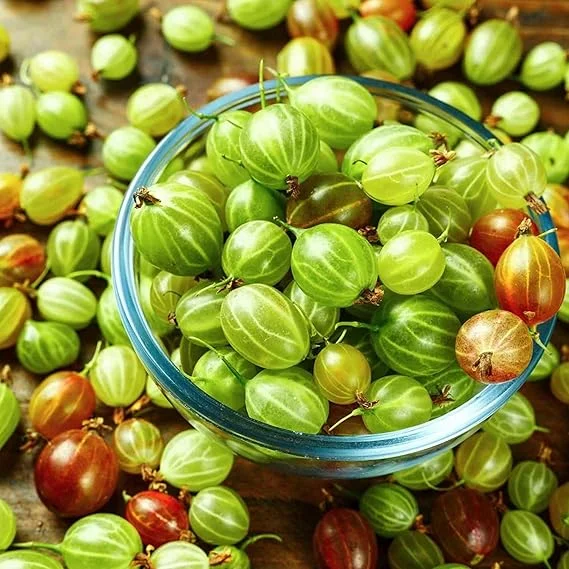
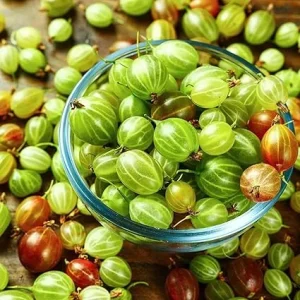
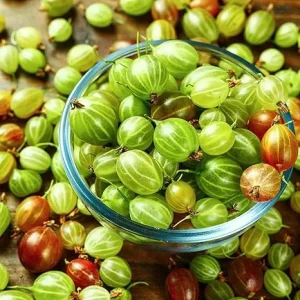
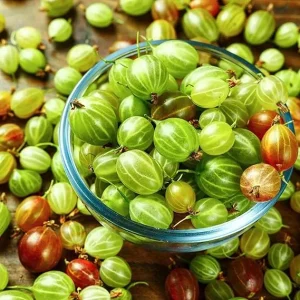
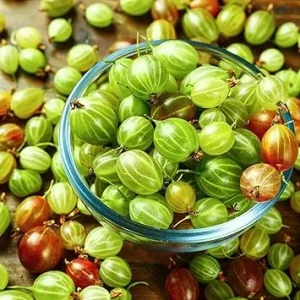
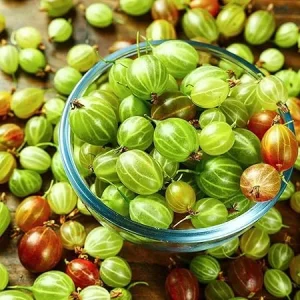
Bring the joy of fresh, homegrown fruit directly to your backyard with this exceptional sweet gooseberry bush live plant. This robust, well-rooted starter plant is an ideal addition for any aspiring or experienced gardener looking to cultivate their own delicious produce. Gooseberries, known for their unique sweet-tart flavor, are incredibly versatile, perfect for eating fresh, making jams, pies, or sauces. Our edible gooseberry plant offers a rewarding growing experience, transforming from a small starter into a prolific fruiting shrub that enhances any garden space. It’s a fantastic choice for those seeking a low-maintenance yet highly productive fruit plant.
This particular gooseberry variety is celebrated for its sweet berries, making it a favorite among fruit enthusiasts. It is a deciduous shrub, meaning it will lose its leaves in the fall and winter, entering a natural dormant state, and burst forth with new foliage and eventually fruit in the spring and summer. With its moderate growth habit and cold hardiness, this gooseberry bush is a reliable performer in a wide range of climates, promising a bountiful harvest for years to come. Start your fruit-growing adventure today with this wonderful addition to your home garden.
Key Benefits
Investing in a sweet gooseberry bush live plant for your garden brings a multitude of advantages, from fresh produce to enhancing your outdoor space. Here are some of the standout benefits:
- Homegrown, Delicious Fruit: Enjoy the unparalleled taste of fresh gooseberries picked right from your garden. These berries are perfect for snacking, baking, or preserving, offering a unique flavor profile that store-bought options can’t match.
- Cold Hardiness: This cold hardy fruit plant is well-suited for a wide range of climates, thriving in USDA Zones 3-8. This resilience ensures it can withstand colder temperatures and still produce a healthy crop.
- Easy to Grow: Gooseberry bushes are relatively low-maintenance once established, making them an excellent choice for both novice and experienced gardeners. They require basic care to flourish and fruit abundantly.
- Attractive Garden Addition: Beyond its fruit-bearing capabilities, the gooseberry bush offers an attractive presence in the garden with its lush foliage and bright berries, adding ornamental value.
- Versatile Culinary Uses: The sweet-tart flavor of gooseberries makes them incredibly versatile in the kitchen. Use them in pies, tarts, jams, jellies, sauces, or simply enjoy them fresh off the bush.
- Productive Yield: Once mature, a healthy edible gooseberry plant can produce a significant amount of fruit, providing a generous harvest for your family and friends. You’ll be delighted by the quantity of delicious berries this shrub can yield.
Plant Care & Growing Tips
Ensuring your sweet gooseberry bush live plant thrives and produces abundant fruit requires attention to a few key care practices. Gooseberries are generally resilient, but providing optimal conditions will lead to the best results. For successful growing gooseberry bushes, begin by selecting a site that receives full sun, ideally at least 6 hours of direct sunlight per day. Good air circulation is also important to prevent fungal diseases. Plant your gooseberry in well-draining soil that is rich in organic matter. A slightly acidic to neutral pH (6.0-7.0) is ideal for optimal growth and fruit production. When planting, ensure the crown of the plant is at soil level.
Watering is crucial, especially during the establishment phase and dry periods. Gooseberries prefer consistently moist, but not waterlogged, soil. Deep watering once or twice a week, depending on weather conditions, is usually sufficient. Avoid overhead watering to minimize the risk of leaf diseases. Fertilize in early spring with a balanced slow-release fertilizer or a granular fertilizer formulated for fruiting plants. Pruning is essential for maintaining plant health and maximizing fruit yield. In late winter or early spring, remove any dead, damaged, or crossing branches. Aim to keep 3-4 older, productive canes and 1-2 new canes each year, removing any canes older than 3-4 years as they become less productive. This regular pruning helps with gooseberry plant care and encourages new, vigorous growth.
Gooseberries are generally hardy, but they can benefit from winter protection in the colder parts of their hardiness range (Zones 3-8). A layer of mulch around the base of the plant can help insulate the roots and retain soil moisture. Keep an eye out for common pests like aphids and gooseberry sawfly, and address them promptly with organic pest control methods if necessary. With proper care, your sweet gooseberry bush live plant will become a cherished and productive part of your home garden, yielding delicious fruit for many seasons.
Size & Details
This offering is for one well-rooted starter sweet gooseberry bush live plant, ready for planting in your home garden. The plant is shipped as a rooted starter, meaning it has an established root system that will help it acclimate quickly to its new environment. While initial dimensions may vary, the plant is typically around 6-10 inches tall upon arrival, provided in a secure nursery pot or packaging that protects its roots during transit. This edible gooseberry plant is expected to grow into a substantial shrub, reaching a mature height of 6-8 feet tall and a similar spread, creating a significant presence in your landscape.
The gooseberry bush is a relatively fast grower, and with proper care, it should begin fruiting next year after planting. It is a deciduous shrub, so expect it to be dormant without leaves in the fall and winter months, and to leaf out with new growth in the spring. This cold hardy fruit plant is suitable for USDA Zones 3-8, demonstrating excellent resilience to varying temperatures. Its moderate watering needs and preference for sandy soil make it adaptable to many garden conditions. Prepare for a rewarding experience as your gooseberry bush matures and starts producing its succulent, sweet-tart berries.
Frequently Asked Questions
- Q: How big does this gooseberry plant get? A: This sweet gooseberry bush live plant typically grows to a mature height of 6-8 feet tall with a similar spread. It is a medium-sized shrub that provides a good yield of fruit.
- Q: Is this an indoor or outdoor plant? A: This is an outdoor fruiting shrub. It requires full sun exposure and is best suited for planting directly in the ground in your garden where it can thrive and produce berries.
- Q: How much sunlight does the gooseberry bush need? A: For optimal growth and fruit production, your edible gooseberry plant requires full sun, meaning at least 6 hours of direct sunlight per day.
- Q: Is this plant easy to care for? A: Yes, gooseberry bushes are considered relatively easy to care for. They are quite forgiving and, with basic attention to watering, pruning, and sunlight, they will flourish, making growing gooseberry bushes a rewarding experience.
- Q: What condition will the plant arrive in? A: The plant will arrive as a well-rooted starter, carefully packaged to ensure its safety and health during transit. It will be ready for immediate planting upon arrival.
- Q: How long until it fruits? A: With proper care, your sweet gooseberry bush live plant should begin producing fruit in the year following its planting. Significant yields typically start in the second or third year.
- Q: Will it survive winter in my zone? A: This is a cold hardy fruit plant suitable for USDA Zones 3-8. It is designed to withstand cold winters by going dormant and will re-emerge in spring.
- Q: What type of soil is best for gooseberries? A: Gooseberries prefer well-draining, sandy soil that is rich in organic matter. A soil pH between 6.0 and 7.0 is ideal for healthy growth.
- Q: How often should I water my gooseberry plant? A: During establishment and dry periods, water deeply once or twice a week to keep the soil consistently moist but not waterlogged. Established plants may require less frequent watering.
- Q: What is the best time to plant a gooseberry bush? A: The best time to plant a gooseberry plant care is typically in early spring or fall, allowing the roots to establish before extreme summer heat or winter cold sets in.


Reviews
There are no reviews yet.