Overview
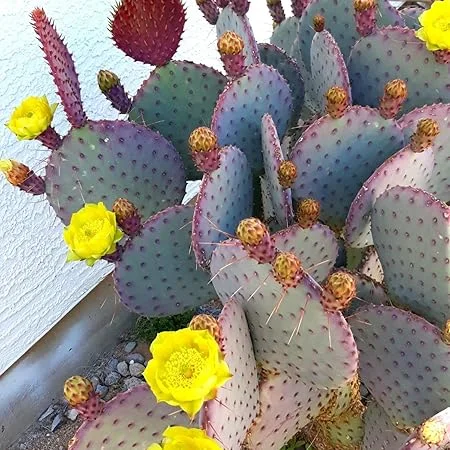
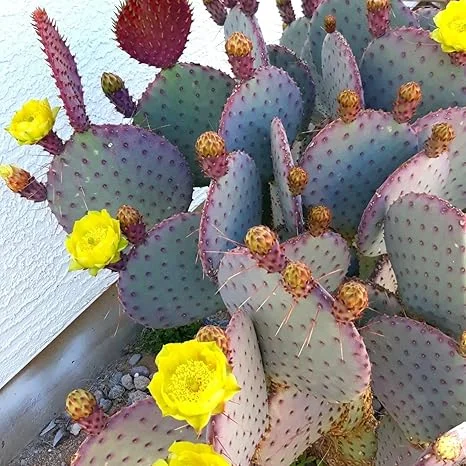
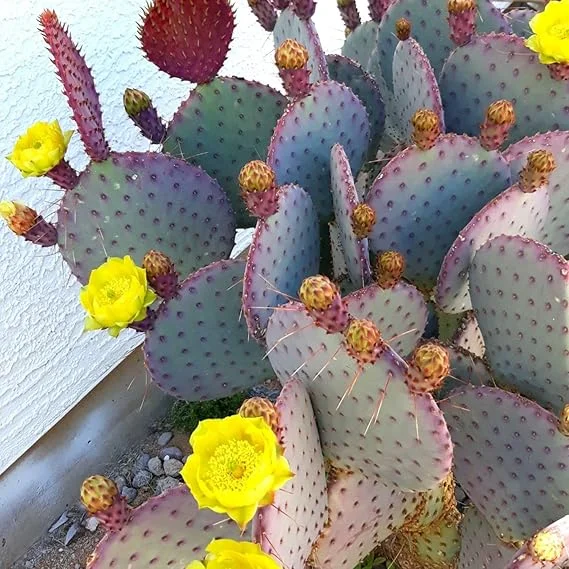
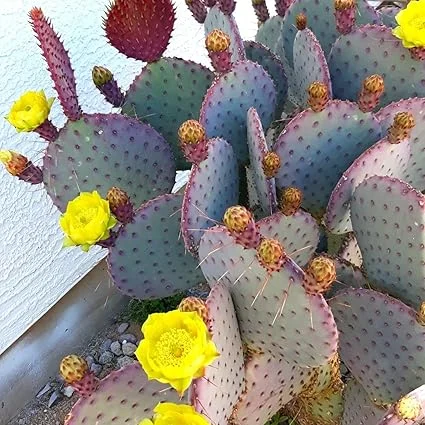
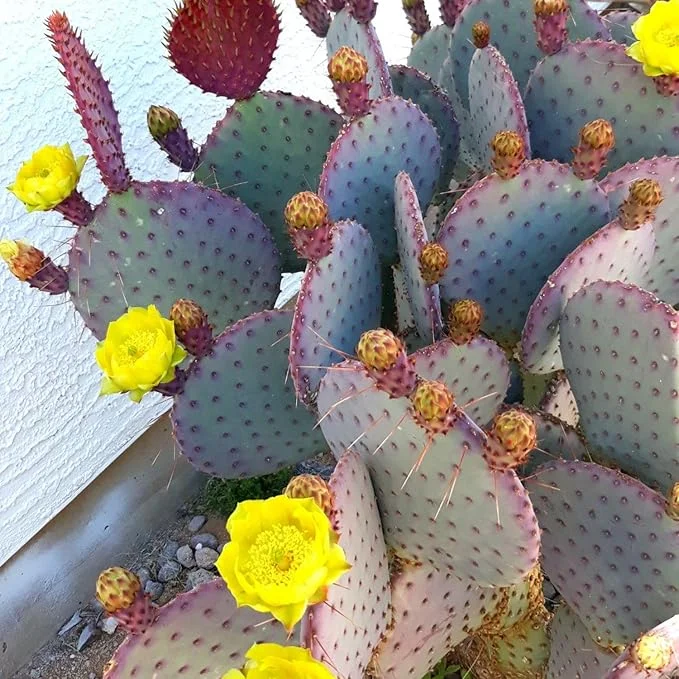
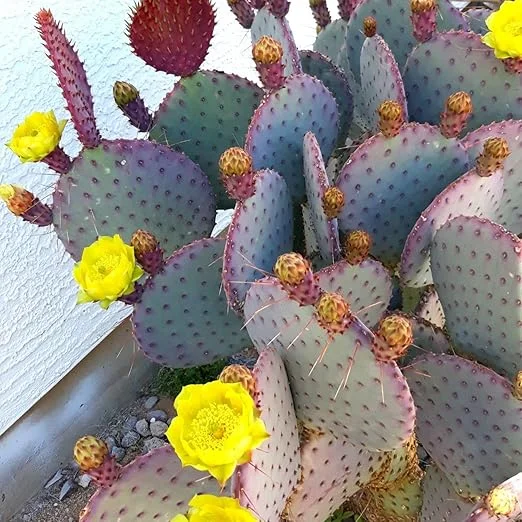
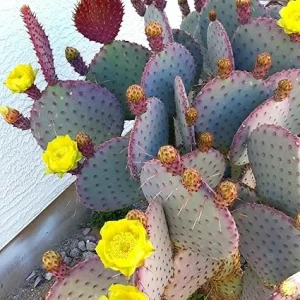
Introduce a striking element to your plant collection with the purple prickly pear cactus live plant. This captivating succulent, known scientifically as Opuntia santa-rita, features distinctive paddle-shaped pads that develop a rich purple hue when exposed to ample sunlight. Originating from the southwestern United States and Mexico, this cactus is celebrated not only for its stunning coloration but also for its remarkable resilience and low maintenance requirements. Whether you’re a seasoned succulent enthusiast or a beginner gardener, the purple prickly pear cactus live plant offers an exotic appeal that is both easy to cultivate and visually rewarding.
The purple prickly pear cactus live plant arrives ready to thrive, typically in a 3-inch pot, and is known for its ability to adapt to a variety of environments. Its unique purple coloration intensifies with more sun exposure and cooler temperatures, making it a dynamic addition to patios, rock gardens, or sunny indoor windowsills. This plant is a true testament to nature’s artistry, providing year-round interest with its vibrant color and architectural form.
Key Benefits
The purple prickly pear cactus live plant offers a multitude of benefits, making it an excellent choice for diverse gardening needs. Its hardiness and striking appearance are just the beginning:
- Stunning Visual Appeal: The pads of this cactus transform into a vibrant purple, especially under strong sunlight and cooler temperatures, providing an eye-catching focal point in any setting.
- Drought Tolerant: As a true desert plant, it requires minimal watering once established, making it an ideal choice for water-wise gardening and busy individuals.
- Low Maintenance: This succulent is incredibly forgiving and easy to care for, thriving with neglect rather than over-attentiveness. It’s an excellent plant for beginners.
- Versatile Placement: Suitable for both indoor and outdoor environments, it can be grown in containers, rock gardens, or as a unique landscape element in appropriate climates.
- Hardy and Resilient: The purple prickly pear cactus live plant is robust and can withstand a range of conditions, thriving in USDA Hardiness Zones 4-11 when given proper care.
- Unique Texture: Its flat, fleshy pads provide a distinctive texture that adds architectural interest and contrast to other plants in your garden or home.
- Air Purification: Like many plants, it contributes to improved air quality by absorbing carbon dioxide and releasing oxygen, especially beneficial in indoor settings.
Plant Care & Growing Tips
Caring for your purple prickly pear cactus live plant is straightforward, largely due to its robust nature and adaptability. The key to its vibrant purple coloration and overall health lies in providing the right conditions, primarily ample sunlight and well-draining soil. This plant thrives on a hands-off approach, making it perfect for those seeking an easy care succulent.
Sunlight requirements: The purple prickly pear cactus live plant absolutely loves full sun exposure. For the most intense purple coloration, aim for at least 6-8 hours of direct sunlight per day. If grown indoors, place it in the brightest south-facing window possible. Insufficient light will result in greener pads and leggy growth. For outdoor planting, choose a spot that receives unobstructed sun for the majority of the day.
Watering schedule and soil moisture preferences: This cactus is naturally drought tolerant cactus and prefers its soil to dry out completely between waterings. Overwatering is the most common cause of problems. During the growing season (spring and summer), water thoroughly every 2-4 weeks, or when the soil is completely dry to the touch. In fall and winter, reduce watering significantly, perhaps once a month or even less, as the plant enters a dormant phase. Ensure that excess water can drain away freely to prevent root rot.
Soil type and drainage requirements: Well-draining soil is crucial for the health of your purple prickly pear cactus live plant. A specialized cactus or succulent potting mix is ideal. If creating your own mix, combine regular potting soil with coarse sand, perlite, or pumice in a 1:1 ratio to enhance drainage. For outdoor planting, ensure the soil is sandy or gravely and does not retain water. The plant thrives in USDA Hardiness Zones 4-11, indicating its ability to tolerate a wide range of climates as long as drainage is adequate.
Temperature range and USDA hardiness zone: This resilient cactus is cold-hardy for a succulent, thriving in USDA zones 4-11. It can tolerate temperatures down to about -20°F (-29°C) when established and planted in the ground, but potted plants may need protection in colder zones. During hot summer months, it thrives in high temperatures. Protect from prolonged frost in colder climates if grown in containers. Fertilization schedule and type: Fertilize sparingly, if at all. A balanced, diluted liquid fertilizer formulated for cacti and succulents can be applied once or twice during the active growing season (spring to early summer). Avoid fertilizing during the dormant winter months. Common problems and solutions: The most common issue is overwatering, leading to root rot. Ensure proper drainage and allow soil to dry. Pests like mealybugs or scale can sometimes appear; treat with insecticidal soap or neem oil. Provide plenty of light to prevent etiolation (stretching). Learning about purple prickly pear care will ensure a thriving plant.
Size & Details
Your purple prickly pear cactus live plant will arrive as a healthy, rooted specimen, typically housed in a 3-inch nursery pot. The plant height generally ranges from 3 to 5 inches tall at the time of shipment, providing a perfect starter size for continued growth. This variety of prickly pear has a moderate growth rate, eventually forming a shrub-like structure that can reach several feet in height and width in ideal outdoor conditions. When mature, it can produce beautiful yellow flowers in spring, followed by edible fruits. The plant is shipped with a protective wrapping to ensure its safe arrival, ready for you to transplant into its permanent home or a larger decorative pot. Its robust nature means it establishes quickly and offers long-lasting beauty.
Frequently Asked Questions
- Q: How big does this plant get? A: In ideal outdoor conditions, a mature purple prickly pear cactus live plant can grow several feet tall and wide, forming a substantial shrub. If kept in a pot, its size will be more constrained, typically remaining under 2-3 feet tall and wide, depending on pot size and pruning.
- Q: What size pot does it come in? A: The plant typically arrives in a 3-inch nursery pot, providing a good starting point for its root development. You can transplant it into a slightly larger pot upon arrival if desired.
- Q: Is this an indoor or outdoor plant? A: This cactus is versatile and can be grown both indoors and outdoors. For best purple coloration, outdoor full sun exposure is recommended. Indoors, it needs a very bright, sunny location.
- Q: How much sunlight does it need? A: The purple prickly pear cactus live plant thrives in full sun, requiring at least 6-8 hours of direct sunlight daily to develop its most vibrant purple hues. Less sun will result in greener pads.
- Q: Is this plant easy to care for? A: Yes, this is an incredibly easy care succulent. It is very drought-tolerant and requires minimal attention once established, making it suitable for beginners and busy plant owners.
- Q: What condition will it arrive in? A: Your cactus will arrive as a healthy, live plant, carefully packaged to minimize stress during transit. It will be rooted in its nursery pot, ready for you to unbox and care for.
- Q: Is it shipped in soil? A: Yes, the purple prickly pear cactus live plant is shipped rooted in its original nursery soil within its pot to ensure its health and stability during delivery.
- Q: Can I eat the fruit from this plant? A: Yes, the fruits of many Opuntia species, including the purple prickly pear, are edible once the glochids (small spines) are carefully removed. The pads (nopales) are also edible when young.
- Q: Will it survive winter in my zone? A: This cactus is quite cold-hardy, thriving in USDA Hardiness Zones 4-11. In colder zones (4-7), if planted in the ground, it can tolerate significant cold. Potted plants in these zones may benefit from some winter protection or moving indoors.
- Q: What’s the minimum temperature it can tolerate? A: Established plants in the ground can tolerate temperatures as low as -20°F (-29°C) in dry conditions. Potted plants are less tolerant and should be protected from prolonged freezing temperatures.


Reviews
There are no reviews yet.