Overview
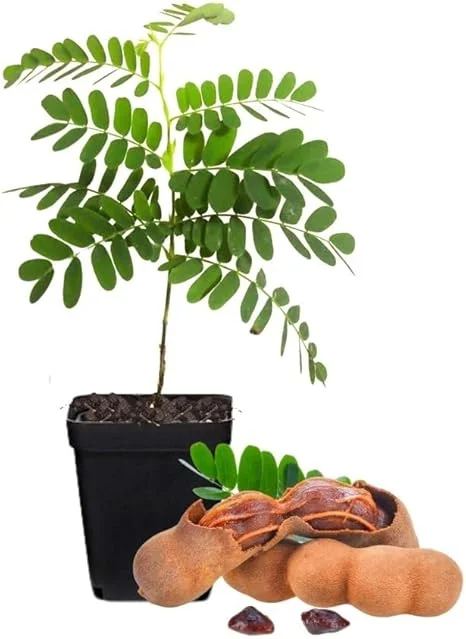
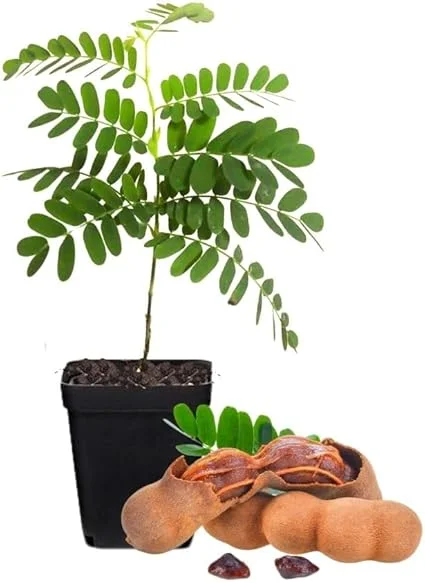
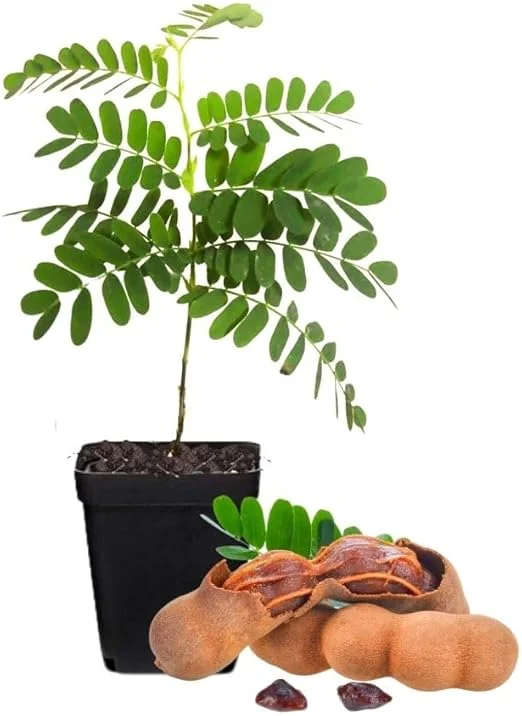
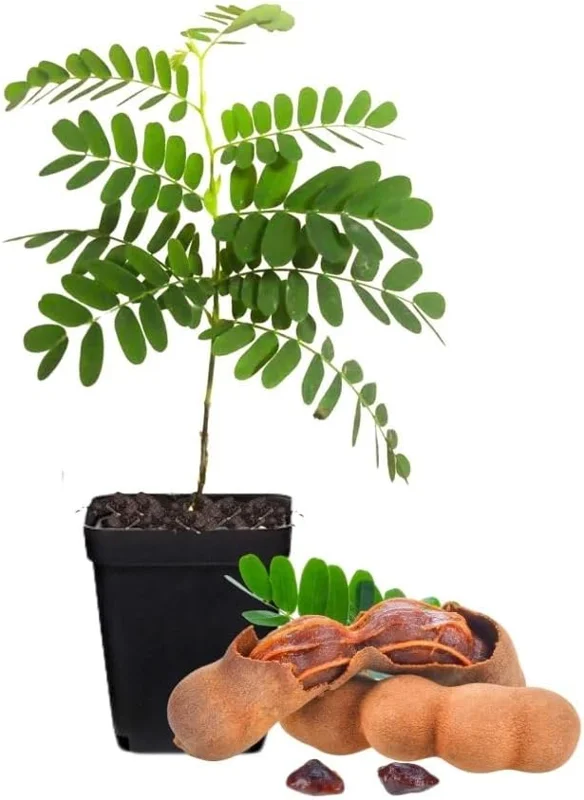
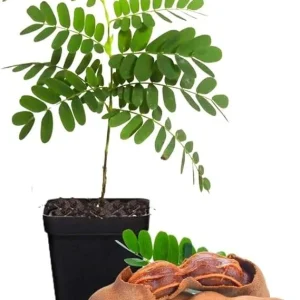
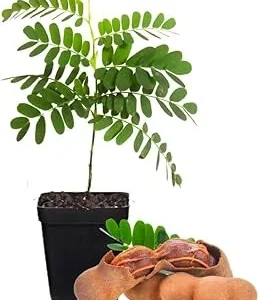
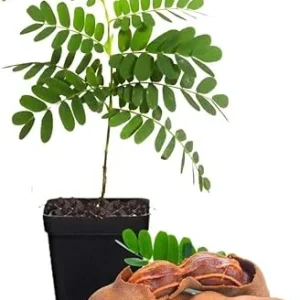
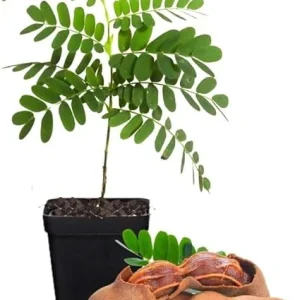
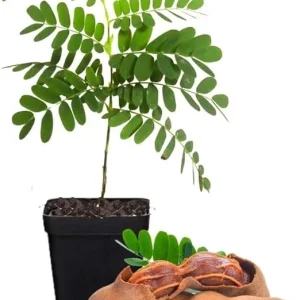
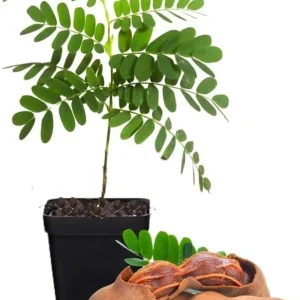
Introduce an exotic touch to your garden or home with this vibrant tamarind tree live plant. Known botanically as Tamarindus indica, the tamarind tree is a long-lived, medium-growth evergreen native to tropical Africa, and widely cultivated throughout tropical and subtropical regions. This particular specimen arrives as a healthy young plant, approximately 5 inches tall, nestled in a 4-inch pot, ready for you to nurture. The tamarind tree is cherished not only for its distinctive, tangy fruit but also for its beautiful feathery foliage, which provides excellent shade. It makes a stunning addition to edible landscapes, tropical gardens, or as a unique potted plant in cooler climates where it can be brought indoors during colder months. Growing your own tamarind fruit plant allows you to enjoy fresh, flavorful pods directly from your garden.
The tamarind tree is a versatile and rewarding plant for enthusiasts of tropical flora. Its attractive appearance and delicious fruit make it a popular choice for home growers. With proper care, this young plant will mature into a robust tree, providing both aesthetic appeal and a bountiful harvest. Whether you’re an experienced gardener or just starting your journey with tropical plants, this tamarind tree live plant offers an exciting opportunity to cultivate a unique and beneficial species.
Key Benefits
Beyond its striking appearance, the tamarind tree offers a multitude of benefits for the home gardener. Its adaptability and yield make it a fantastic choice for anyone looking to expand their edible plant collection.
- Delicious, Versatile Fruit: The primary appeal of the tamarind tree is its fruit, which is encased in brittle brown pods. The pulp is sweet and sour, used extensively in cuisines worldwide, from savory dishes and sauces to desserts and beverages. Growing your own ensures a fresh supply.
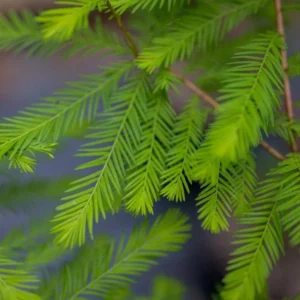
- Ornamental Value: With its delicate, pinnate leaves and attractive form, the tamarind tree is a beautiful specimen plant. It can serve as a focal point in a tropical garden or as an elegant container plant on a patio or indoors.
- Shade Provider: Mature tamarind trees develop a dense canopy, offering excellent shade in sunny climates. While this young tamarind tree live plant will take time to reach that size, it’s a long-term benefit to consider for your landscape design.
- Low Maintenance: Once established, tamarind trees are relatively low-maintenance, especially in their preferred tropical and subtropical environments. They are drought-tolerant and generally resistant to pests and diseases.
- Long-Lived Specimen: Tamarind trees are known for their longevity, often living for many decades. Investing in a tamarind tree live plant means planting a legacy that can be enjoyed for generations.
- Educational Opportunity: For families, growing a tamarind fruit plant can be an engaging educational experience, teaching children about where their food comes from and the life cycle of plants.
Plant Care & Growing Tips
Caring for your tamarind tree live plant is straightforward, especially if you provide it with the right conditions. This tropical plant thrives in warm environments and requires specific attention to sunlight, water, and soil to ensure robust growth and fruit production. Understanding how to grow tamarind tree successfully involves mimicking its natural habitat as closely as possible.
Sunlight Requirements: The tamarind tree is a sun-loving plant, requiring full direct sunlight for at least 6–8 hours per day. For optimal growth and fruiting, it should be placed in the sunniest part of your garden or on a south-facing window if grown indoors. In intensely hot climates, some afternoon shade might be beneficial for very young plants, but mature trees prefer continuous sun exposure. Lack of adequate sunlight can lead to leggy growth and reduced fruit yield.
Watering and Soil: Water your tamarind plant regularly, allowing the top inch or two of soil to dry out between waterings. While it tolerates some drought once established, consistent moisture promotes healthier growth. Ensure the plant is in well-draining soil to prevent root rot. A good quality potting mix amended with sand or perlite is ideal for container-grown plants. For in-ground planting, ensure your garden soil drains freely. Tamarind plant care emphasizes avoiding waterlogging.
Temperature and Hardiness: Tamarind trees thrive in tropical and subtropical zones. They prefer temperatures above 60°F (15°C) and can tolerate brief dips, but prolonged exposure to temperatures below 40°F (4°C) can be damaging. If you are in a cooler climate, it’s best to grow your tropical fruit tree in a container that can be moved indoors during winter. They are generally suited for USDA zones 9–11. Fertilize with a balanced, slow-release fertilizer during the growing season (spring and summer) to support healthy foliage and fruit development. Watch for common pests like aphids or scale insects and treat them with organic insecticidal soap if necessary.
Size & Details
This offering is for one healthy tamarind tree live plant, which arrives approximately 5 inches tall from the top of the soil, measured from the base of the plant. It is securely rooted in a 4-inch nursery pot, providing ample space for its initial growth and establishment. The plant’s dimensions, including the pot, are roughly 10 x 5 x 24 inches, making it a compact and easy-to-handle specimen upon arrival. Tamarind trees are known for their moderate growth rate, and with proper care, this young plant will gradually develop into a more substantial specimen. Expect your tamarind tree live plant to grow into a small to medium-sized tree, eventually reaching heights of 25-80 feet in ideal outdoor conditions, though container-grown plants will remain much smaller and can be pruned to maintain desired size. The plant will arrive carefully packaged to ensure its health during transit.
Frequently Asked Questions
- Q: How big does this plant get? A: This tamarind tree live plant arrives about 5 inches tall in a 4-inch pot. When planted in the ground in ideal tropical conditions, it can grow into a large tree of 25-80 feet. If kept in a container, its size will be significantly smaller and can be managed with pruning.
- Q: Is this an indoor or outdoor plant? A: The tamarind tree thrives outdoors in tropical and subtropical climates (USDA zones 9-11). In cooler regions, it can be grown as a container plant and brought indoors during the colder months, making it a versatile tropical fruit tree.
- Q: How much sunlight does it need? A: A tamarind tree live plant requires at least 6–8 hours of full, direct sunlight every day for healthy growth and fruit production. Place it in the sunniest spot available.
- Q: Is this plant easy to care for? A: Once established, tamarind trees are relatively easy to care for, especially in their preferred warm climates. They require consistent watering when young, well-draining soil, and plenty of sunlight. It’s a rewarding plant for those interested in tamarind plant care.
- Q: What condition will it arrive in? A: Your tamarind tree live plant will arrive carefully packaged in its 4-inch nursery pot, well-rooted and ready for its new home. We take great care to ensure the plant reaches you in optimal health.
- Q: How long until it produces fruit? A: Tamarind trees typically begin to bear fruit when they are 6-8 years old from seed, although grafted trees can fruit sooner. With good care, your young tamarind tree live plant will be well on its way to producing delicious pods.
- Q: Can I use the fruit for cooking? A: Absolutely! The fruit of the tamarind tree is a highly prized ingredient in many cuisines around the world. The tangy pulp can be used in curries, chutneys, sauces, drinks, and desserts once your tamarind fruit plant starts producing.


Reviews
There are no reviews yet.