Overview
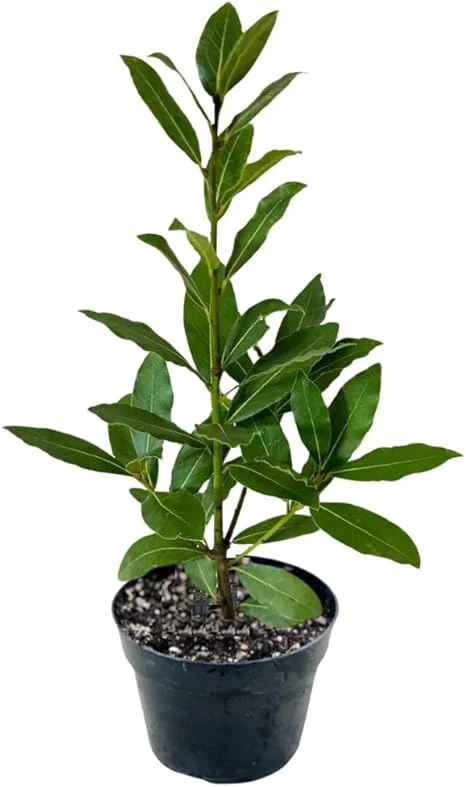
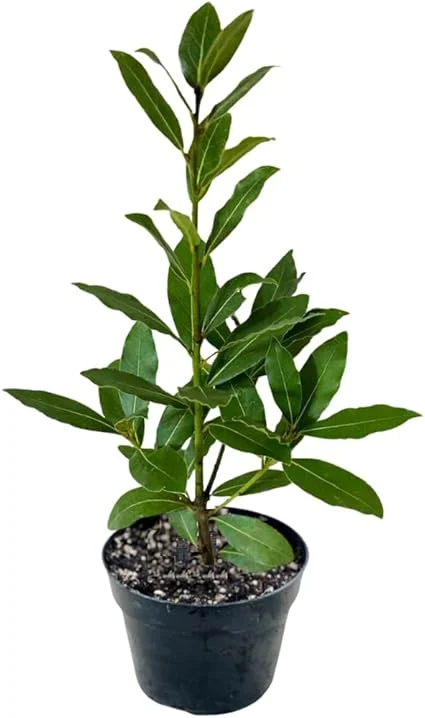
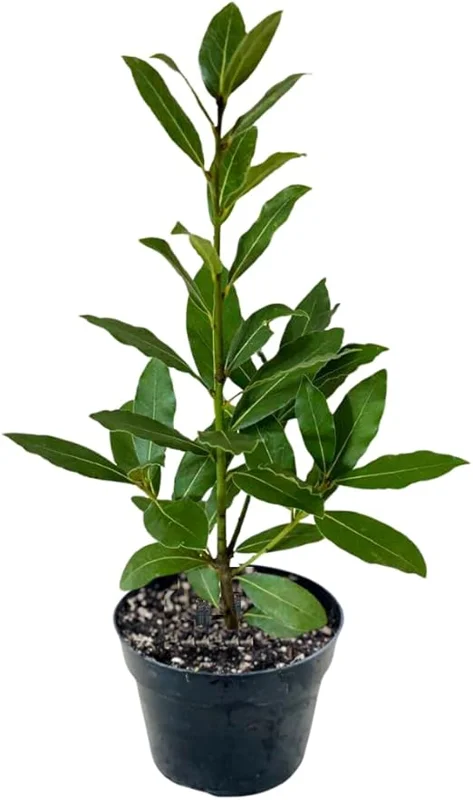
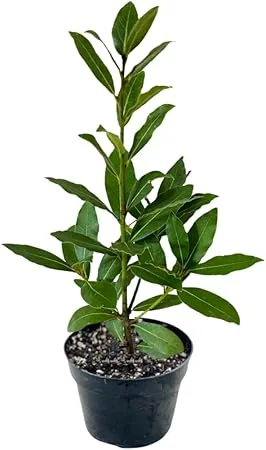
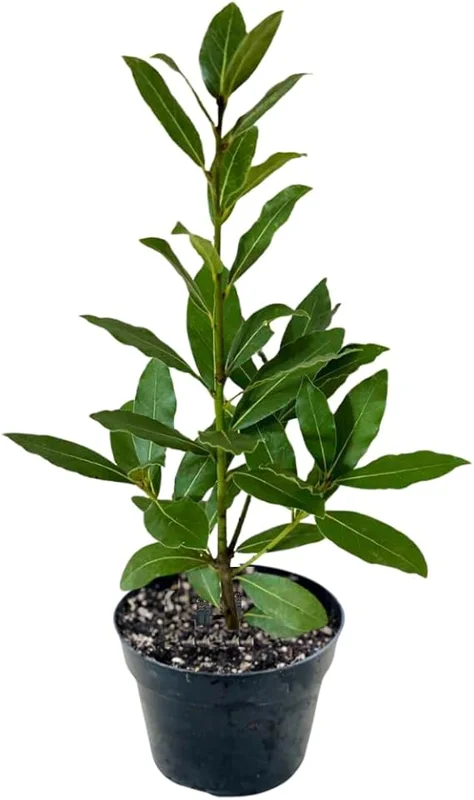
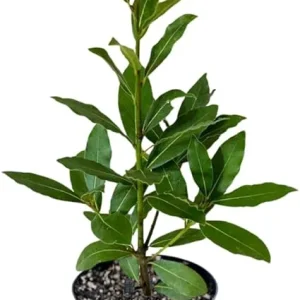
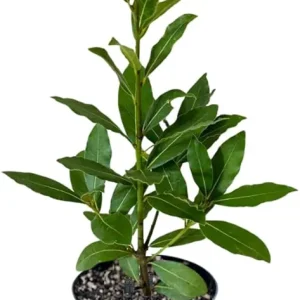
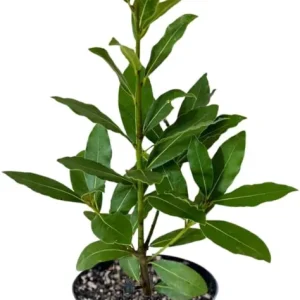
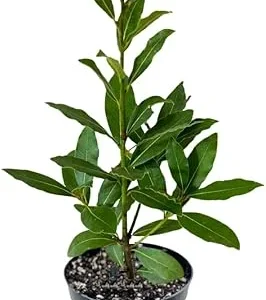
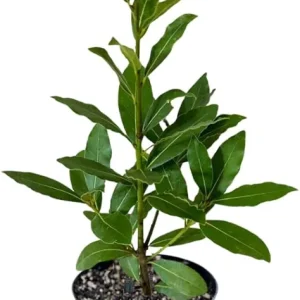
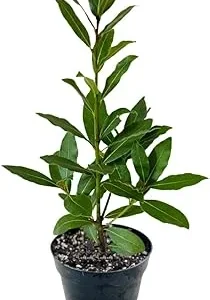
Bring the timeless aroma and flavor of fresh bay leaves into your home or garden with this exquisite bay laurel live plant. Known botanically as Laurus nobilis, this versatile and attractive evergreen shrub is cherished for its glossy, aromatic leaves that are a staple in many culinary traditions. Our healthy bay laurel live plant arrives at your doorstep 8 to 10 inches tall in a 4-inch nursery pot, ready for planting. Whether you’re an experienced gardener or just starting, this plant offers a rewarding experience, providing both ornamental beauty and a continuous supply of fresh herbs. It’s an excellent choice for adding a Mediterranean touch to your landscape or a fragrant accent to your indoor plant collection.
The laurus nobilis plant is revered not only for its culinary uses but also for its historical significance and elegant appearance. Its compact size when young makes it ideal for containers, allowing you to easily move it indoors during colder months if you live outside its hardiness zone. This particular specimen is a vibrant and robust plant, ensuring a strong start in its new environment. Enjoy the satisfaction of harvesting your own bay leaves, knowing they are fresh, organic, and full of flavor for your favorite dishes. This plant is a true asset for any herb enthusiast or home cook seeking to elevate their kitchen garden.
Key Benefits
The bay laurel live plant offers a multitude of benefits, making it a valuable addition to any home or garden. Its evergreen foliage provides year-round beauty, while its aromatic leaves are highly prized for culinary applications.
- Culinary Excellence: Harvest fresh bay leaves directly from your plant to infuse soups, stews, sauces, and roasts with their distinctive, warm, and slightly floral flavor. Fresh leaves offer a more intense aroma than dried ones.
- Aromatic Appeal: The glossy green leaves of the laurus nobilis plant release a pleasant, spicy fragrance when brushed or crushed, contributing to a delightful sensory experience in your garden or home.
- Versatile Growth: This plant is adaptable to both indoor and outdoor environments, thriving in containers or planted directly in the ground, making it suitable for various climates and gardening styles.
- Low Maintenance: Once established, the sweet bay leaf tree is relatively low-maintenance, requiring minimal fuss and care to flourish, perfect for busy gardeners.
- Ornamental Value: With its attractive foliage and graceful form, the bay laurel serves as an elegant ornamental plant, perfect for formal gardens, patio containers, or as a sophisticated indoor accent.
- Air Purification: Like many plants, the bay laurel contributes to a healthier indoor environment by improving air quality and producing oxygen.
- Traditional Uses: Beyond the kitchen, bay laurel has a rich history of traditional uses, including decorative wreaths and various folk remedies, adding a layer of cultural significance.
Plant Care & Growing Tips
Proper care ensures your bay laurel live plant thrives and provides an abundance of fragrant leaves. Bay laurel prefers a location with ample sunlight. For outdoor planting, choose a spot that receives full sun, meaning at least 6 hours of direct sunlight per day. If growing indoors, place your plant near a south or west-facing window where it can receive bright, direct light. While it can tolerate some partial shade, too little light can lead to sparse growth and reduced leaf aroma. Adequate light is crucial for a healthy and productive sweet bay leaf tree.
Watering should be consistent but allow the soil to dry out slightly between waterings. Bay laurel plants thrive in well-drained soil. Overwatering can lead to root rot, so ensure your pot has drainage holes if growing in a container. During hot, dry periods, outdoor plants may need more frequent watering. For indoor plants, reduce watering in winter. The ideal soil type is a rich, well-draining potting mix for containers, or loamy, fertile soil in the garden. For optimal growth, feed your bay laurel with a balanced liquid fertilizer every 2-4 weeks during the growing season (spring and summer), reducing frequency in fall and winter. Understanding bay leaf plant care is essential for its long-term health.
Bay laurel is hardy in USDA zones 8-10, meaning it can withstand winter temperatures down to about 10°F (-12°C). In colder climates, it’s best grown in a container and brought indoors before the first hard frost. Indoors, protect it from drafts and maintain moderate humidity. Pruning can be done in spring to maintain shape, size, and encourage bushier growth. Watch out for common pests like scale insects or mealybugs; address them promptly with horticultural oil or insecticidal soap. Providing the right conditions will ensure your indoor bay laurel or outdoor specimen flourishes.
Size & Details
This offering is for one healthy bay laurel live plant, which measures approximately 8 to 10 inches in height from the top of the soil. The plant is established in a 4-inch nursery pot, providing a good foundation for continued growth. It is shipped in its pot with soil, carefully packaged to ensure its safe arrival. The bay laurel is a slow to moderate grower, eventually reaching heights of 10-20 feet outdoors if left unpruned, and can be maintained at a smaller, more manageable size through regular pruning for container growing. Expect robust foliage and a strong root system, ready for transplanting into a larger pot or your garden bed.
Upon arrival, gently unpack your laurus nobilis plant and water it if the soil feels dry. Allow it to acclimate to its new environment for a few days before repotting. The compact size makes it an ideal starter plant for cultivating your own herb garden. With proper bay leaf plant care, this plant will establish quickly and begin producing fragrant leaves for your culinary adventures. Whether you envision a stately specimen or a petite potted herb, this plant offers excellent potential for growth and enjoyment.
Frequently Asked Questions
- Q: How big does this plant get? A: This bay laurel live plant is currently 8-10 inches tall. Outdoors, it can grow into a tree up to 20 feet, but it can be easily kept smaller through pruning, especially when grown in a container as an indoor bay laurel.
- Q: What size pot does it come in? A: The plant arrives in a standard 4-inch nursery pot, ready for you to transplant into a larger container or directly into your garden.
- Q: Is this an indoor or outdoor plant? A: Bay laurel is versatile and can be grown both indoors and outdoors. In USDA zones 8-10, it can thrive outdoors year-round. In colder zones, it should be brought indoors during winter.
- Q: How much sunlight does it need? A: This sweet bay leaf tree prefers full sun, meaning at least 6 hours of direct sunlight daily. Indoors, place it in a bright, south or west-facing window.
- Q: Is this plant easy to care for? A: Yes, bay laurel is considered relatively low-maintenance. It requires consistent watering, well-draining soil, and ample sunlight. Following basic bay leaf plant care guidelines will ensure its health.
- Q: What condition will it arrive in? A: Your laurus nobilis plant will be carefully packaged and shipped in its pot with soil, ensuring it arrives healthy and ready to thrive.
- Q: Can I use bay leaf in cooking right away? A: Yes, once your plant has settled and started to grow, you can begin harvesting leaves for culinary use. It’s best to allow the plant to establish for a few weeks before heavy harvesting.
- Q: When is the best time to plant? A: While you can plant container-grown bay laurel almost anytime, spring to early summer is ideal for outdoor planting to allow it to establish before winter. Indoor planting can occur year-round.
- Q: Will it survive winter in my zone? A: Bay laurel is hardy in USDA zones 8-10. If you are in a colder zone, you will need to protect your plant from freezing temperatures by bringing it indoors or providing significant winter protection.
- Q: Is the bay laurel plant pet-safe? A: Bay laurel leaves are generally considered mildly toxic to pets if ingested in large quantities. It’s always best to keep plants out of reach of curious pets.


Reviews
There are no reviews yet.