Overview
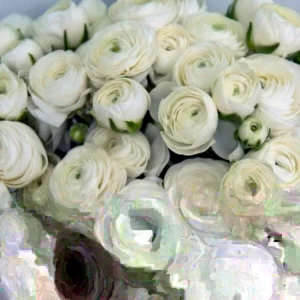
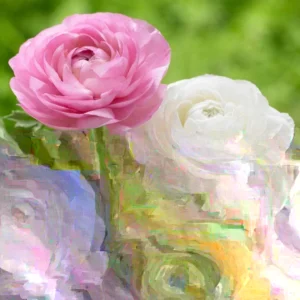
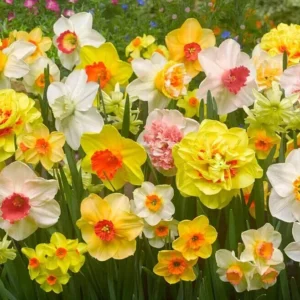
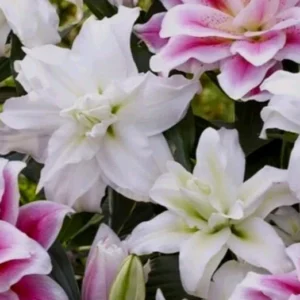
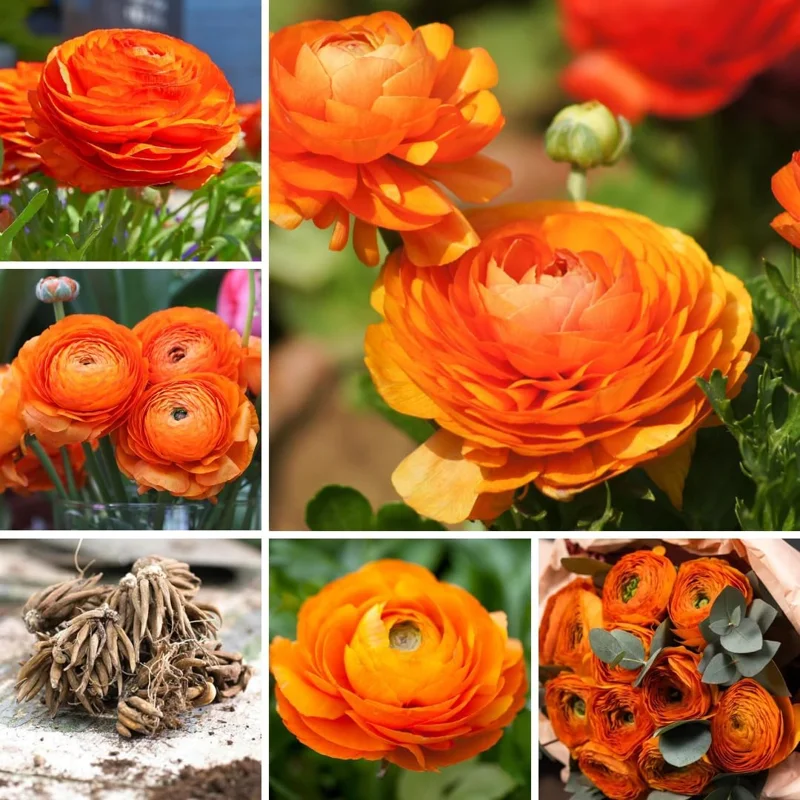
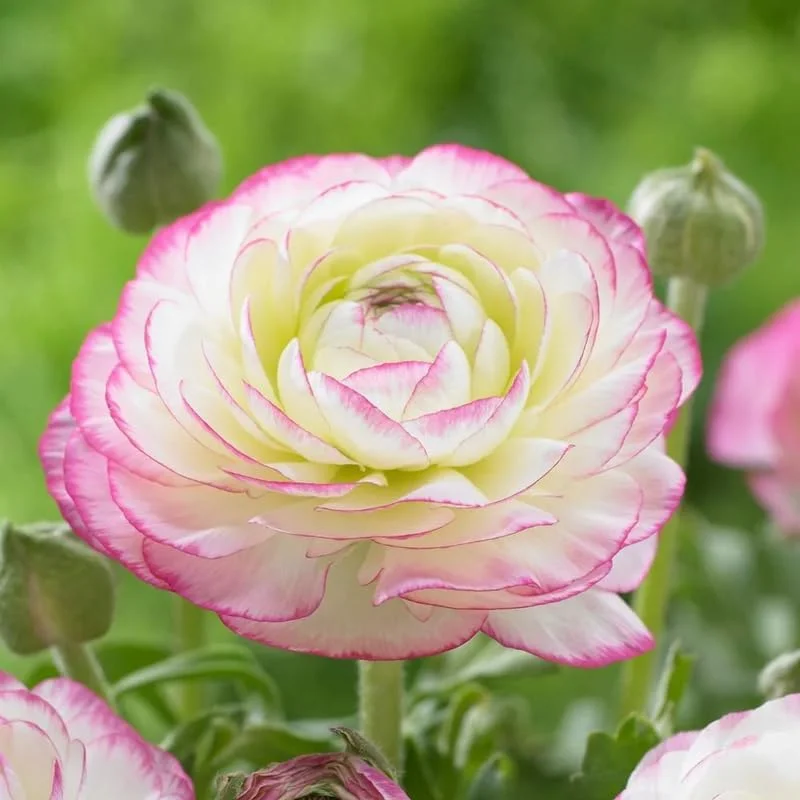
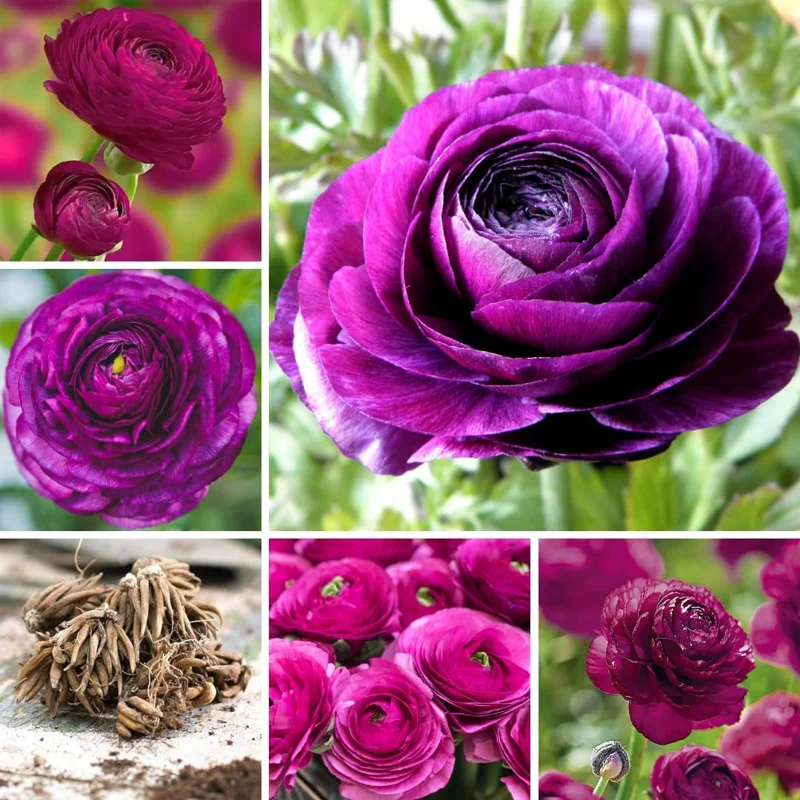
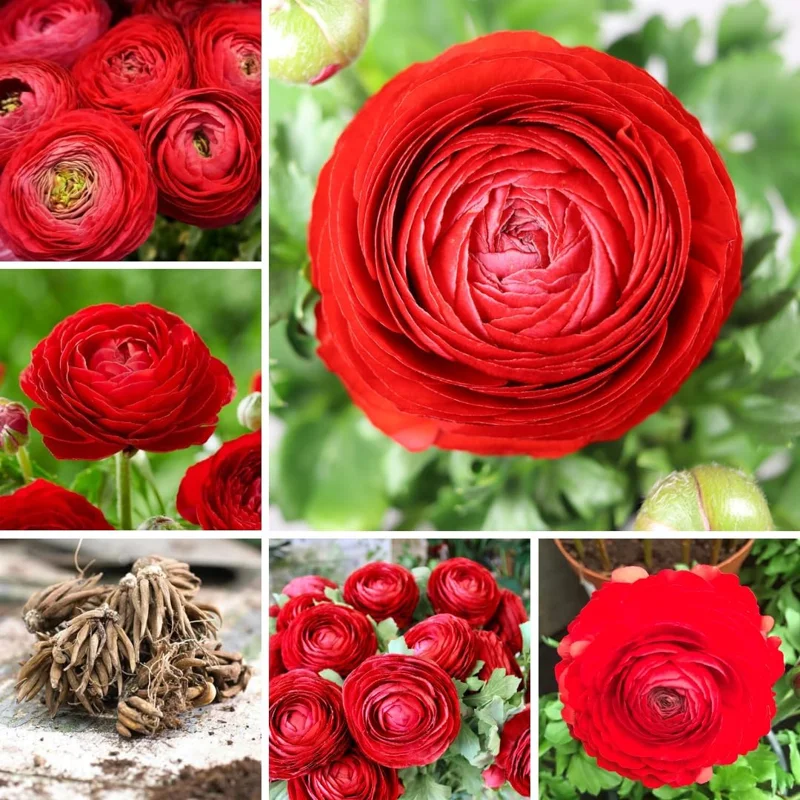
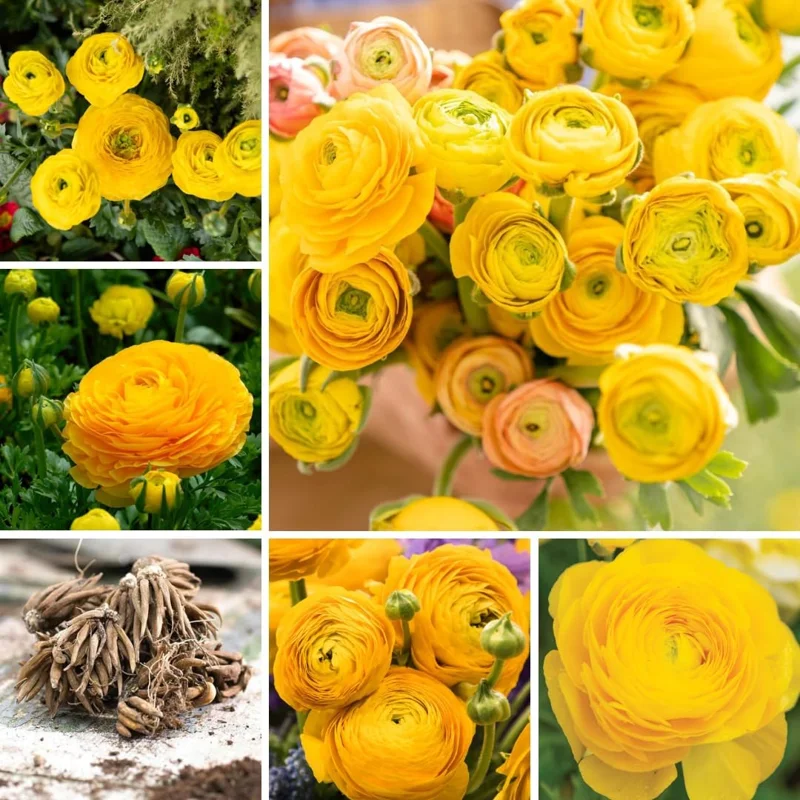
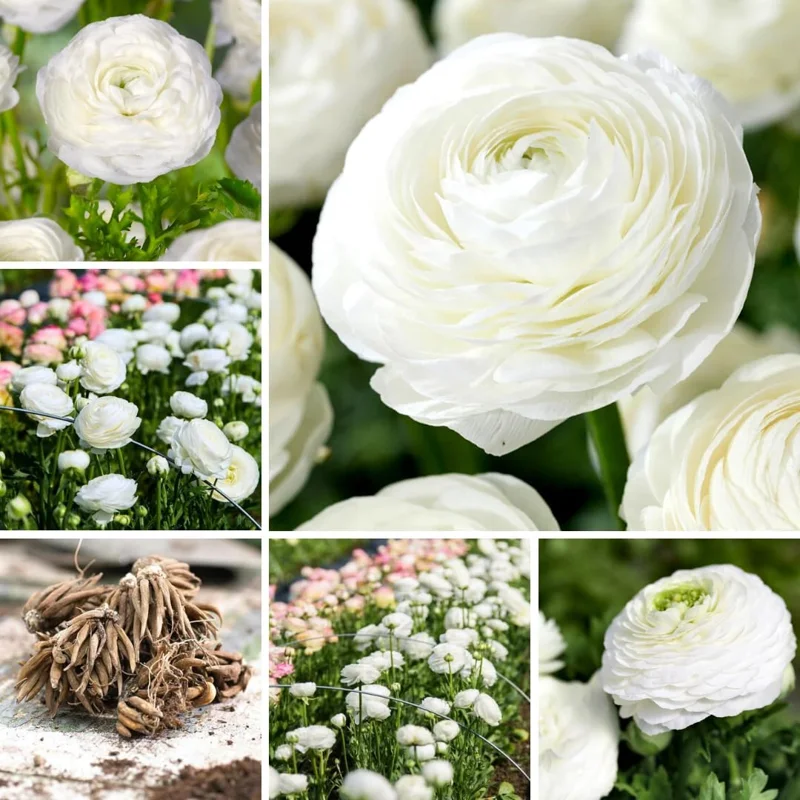
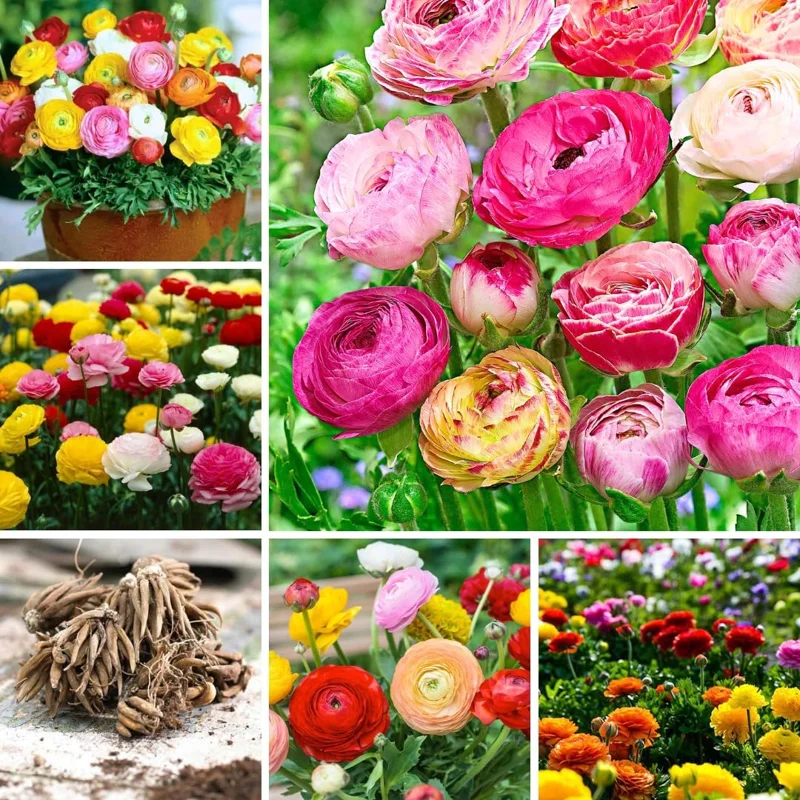
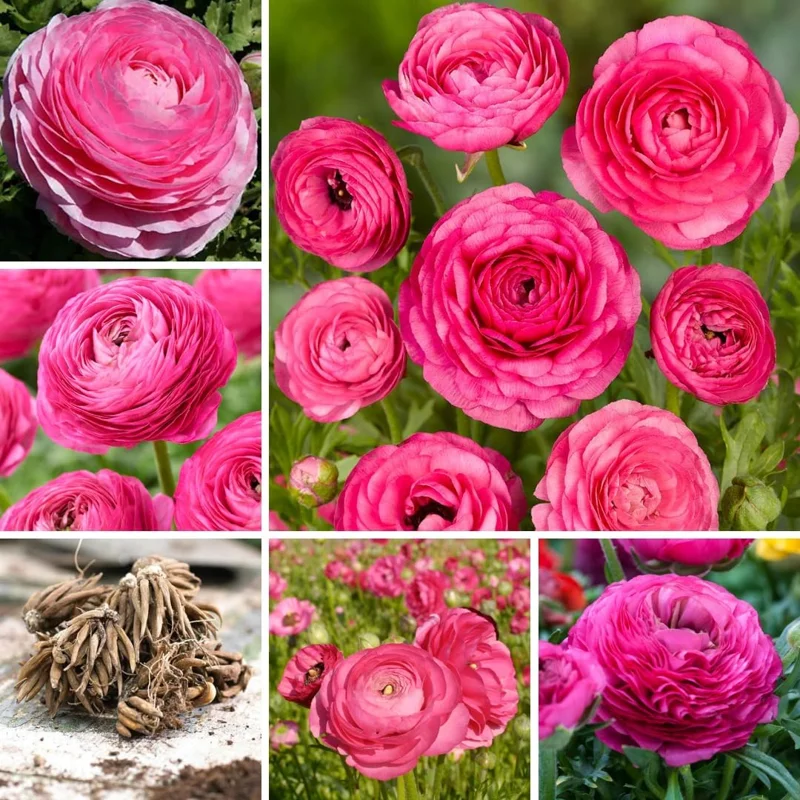
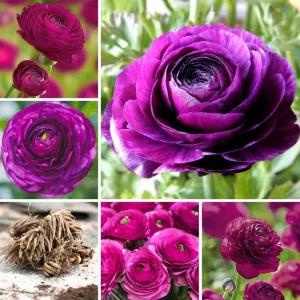
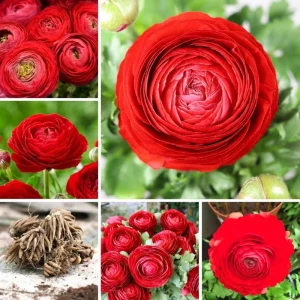
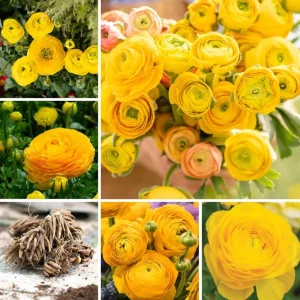
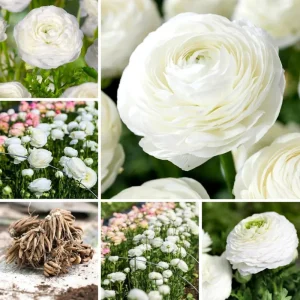
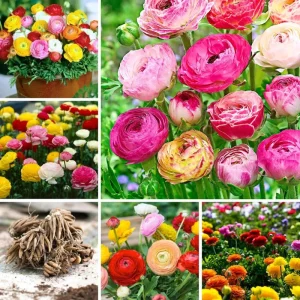
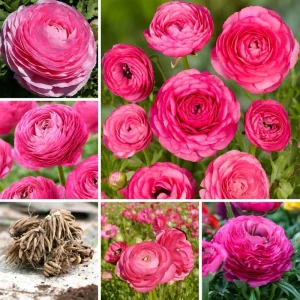
Transform your garden into a vibrant spectacle with this exquisite set of 50 mixed ranunculus bulbs. These captivating corms, often referred to as Persian buttercups, are renowned for their intricate, rose-like blooms that bring a burst of color and elegance to any landscape. Perfect for gardeners seeking to add dramatic flair, these ranunculus bulbs are a fantastic choice for both novice and experienced plant enthusiasts. Once established, they produce a profusion of delicate, multi-petaled ranunculus flowers that are simply breathtaking. Whether you’re designing a formal garden or a whimsical cottage display, these mixed bulbs will provide a diverse array of hues, ensuring a stunning visual impact.
Our collection of ranunculus corms offers a delightful mix, ensuring a surprise of colors from creamy whites and soft pinks to fiery oranges and deep reds. These bulbs are specifically selected for their vigorous growth and abundant flowering, promising a spectacular display. They are incredibly versatile, thriving in various settings, and are particularly cherished for their long-lasting cut flowers. The intricate layers of petals resemble miniature peonies, making them a popular choice for floral arrangements and special occasions. Get ready to enjoy a garden full of charm and sophistication with these easy-to-grow ranunculus corms.
Key Benefits
Choosing to plant ranunculus bulbs offers numerous advantages for both your garden and your enjoyment. Their unique beauty and relatively easy care make them a rewarding addition.
- Stunning Visual Appeal: The multi-layered petals of ranunculus flowers create a luxurious, rose-like appearance that adds significant aesthetic value to any garden space. Their vibrant mixed colors ensure a dynamic and eye-catching display, making them a focal point in beds and borders.
- Excellent Cut Flowers: Renowned for their long vase life, these blooms are highly sought after by florists and home gardeners alike. You can enjoy freshly cut ranunculus bouquets indoors for weeks, bringing their beauty inside your home.
- Versatile Planting Options: These bulbs are suitable for a wide range of applications, including garden beds, borders, container plantings, and even window boxes. Their compact growth habit, typically reaching 12-18 inches, makes them ideal for various garden designs.
- Spring Blooming Delight: Enjoy a spectacular show of color in spring, bringing cheer and vibrancy after the winter months. The cheerful hues of these buttercup ranunculus are a welcome sight as nature reawakens.
- Attracts Pollinators: While primarily grown for their beauty, the nectar-rich flowers can attract beneficial pollinators like bees and butterflies to your garden, contributing to a healthy ecosystem.
Plant Care & Growing Tips
Successful planting ranunculus requires attention to a few key environmental factors to ensure healthy growth and abundant blooms. Ranunculus bulbs thrive in USDA hardiness zones 8-11. Gardeners in cooler zones can still enjoy these flowers by planting the bulbs in containers and bringing them indoors during colder months, treating them as annuals or overwintering the corms. Proper preparation before planting is crucial; soak the dried corms in lukewarm water for 3-4 hours prior to planting to rehydrate them and encourage quicker sprouting. Plant the corms with the ‘claws’ facing downwards, about 2 inches deep and 4-6 inches apart.
These ranunculus bulbs prefer a location with full sun to partial shade, meaning they need at least 6 hours of direct sunlight daily for optimal flowering. In hotter climates, some afternoon shade can prevent scorching. Well-drained soil is paramount to prevent rot, as ranunculus corms are susceptible to fungal diseases if left in soggy conditions. A sandy soil type, rich in organic matter, is ideal. Ensure good air circulation around the plants. Moderate watering is needed; keep the soil consistently moist but never waterlogged, especially during the growing and blooming season. Reduce watering once the foliage begins to yellow after flowering.
Fertilize your ranunculus plants with a balanced liquid fertilizer every 2-4 weeks once growth appears, continuing until flowering begins. Deadhead spent ranunculus flowers regularly to encourage more blooms and prolong the flowering season. After the blooming period, allow the foliage to yellow and die back naturally before carefully lifting the corms if you plan to store them for next season. Store in a cool, dry, and well-ventilated area over winter. These growing tips will help you cultivate beautiful buttercup ranunculus year after year.
Size & Details
This offering includes a generous set of 50 mixed ranunculus corms, providing ample opportunity to create a stunning floral display. These corms are ready for planting upon arrival, offering a diverse array of colors for vibrant garden beds and borders. When mature, ranunculus plants typically reach a height of 12-18 inches, forming a bushy, compact shape that is perfect for various landscape designs. They are ideal for creating visual impact in garden beds, along pathways, or as striking additions to container plantings on patios and balconies. The mixed bulbs ensure a delightful surprise of hues, making each bloom a unique spectacle.
The corms are shipped in a dormant state, ensuring they are ready to thrive once planted in appropriate conditions. Expect blooming to occur in the spring, with flowers lasting for several weeks under optimal care. These ranunculus bulbs are excellent for cutting gardens, providing an abundance of fresh flowers for indoor arrangements. Their impressive bloom size and layered structure make them a favorite for adding elegance and volume to bouquets. The robust nature of these corms means they will establish well and produce vigorous plants when given the right care.
Frequently Asked Questions
- Q: How big do these ranunculus plants get? A: These ranunculus plants typically grow to a height of 12-18 inches, forming a compact and bushy plant. This makes them suitable for various garden applications, including beds, borders, and containers.
- Q: How much sunlight do ranunculus bulbs need? A: Ranunculus bulbs prefer full sun to partial shade. For the best blooming performance, aim for at least 6 hours of direct sunlight per day, especially in cooler climates.
- Q: Is planting ranunculus difficult for beginners? A: No, planting ranunculus is relatively straightforward. With proper soil preparation, adequate sunlight, and consistent moisture, even beginner gardeners can achieve beautiful results with these corms.
- Q: What condition will the ranunculus bulbs arrive in? A: The ranunculus bulbs will arrive in a dormant, dried state. It’s recommended to soak them in lukewarm water for a few hours before planting to rehydrate them for better sprouting.
- Q: Can I grow these ranunculus in containers? A: Absolutely! These ranunculus corms are excellent for container plantings. This is especially beneficial for gardeners in cooler zones (below USDA 8) who can bring containers indoors during winter.
- Q: When is the best time to plant ranunculus for spring blooms? A: For spring blooms, the best time for planting ranunculus is in the fall in mild winter climates (zones 8-11). In colder zones, plant in early spring after the last frost.
- Q: What type of soil do ranunculus flowers prefer? A: Ranunculus flowers thrive in well-drained soil, preferably a sandy loam rich in organic matter. Good drainage is crucial to prevent the corms from rotting.
- Q: Will these ranunculus bulbs come in a mix of colors? A: Yes, this set includes 50 mixed ranunculus bulbs, ensuring a beautiful variety of colors in your garden. You can expect a delightful assortment of hues for your buttercup ranunculus display.
- Q: Are these ranunculus suitable for cutting gardens? A: Yes, these ranunculus are perfect for cutting gardens. Their long stems and stunning blooms make them ideal for creating elegant and long-lasting floral arrangements.
- Q: How can I overwinter ranunculus bulbs in colder climates? A: In colder climates, you can dig up the ranunculus corms after the foliage dies back in fall, clean them, and store them in a cool, dry, dark place over winter. Replant them in spring after the danger of frost has passed.


Reviews
There are no reviews yet.