Overview
Introduce a splash of vibrant color to your garden with the stunning orange quince flowering plant. This robust and beautiful shrub, often referred to as a double quince flower, is celebrated for its spectacular blooms that emerge in early spring, often before other plants even begin to leaf out. The Chaenomeles speciosa, or Flowering Quince, is a deciduous shrub that brings an energetic hue to any landscape, making it a favorite for gardeners seeking early season interest. Our live plant arrives ready for outdoor planting, standing at a healthy 5 to 7 inches tall, promising to establish quickly and grow into a magnificent specimen. It’s a fantastic choice for creating natural borders, hedges, or as a striking focal point in your garden design.
The orange quince flowering plant is not just about its dazzling flowers; it’s also remarkably resilient and easy to care for, making it suitable for both novice and experienced gardeners. Its thorny branches provide excellent security when used as a barrier, and its dense growth habit offers shelter for small birds. This shrub’s ability to thrive in a variety of conditions, from full sun to partial shade, further enhances its appeal as a versatile and rewarding addition to your outdoor space. Prepare to be enchanted by its fiery blossoms year after year.
Key Benefits
The orange quince flowering plant offers a multitude of advantages for any garden. Its hardiness and striking appearance make it a valuable asset for diverse landscaping needs, providing both beauty and functionality.
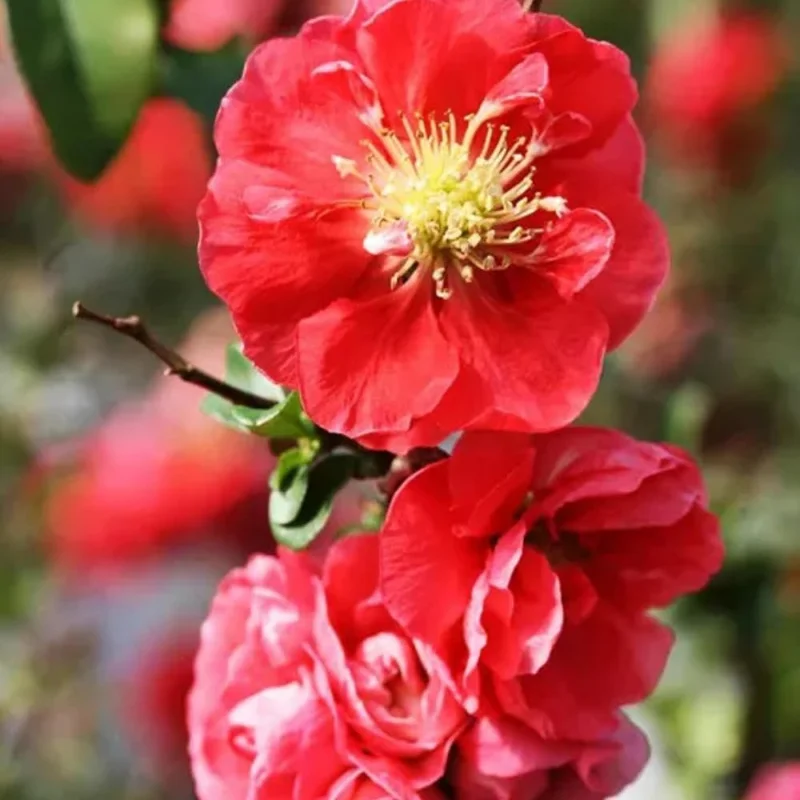
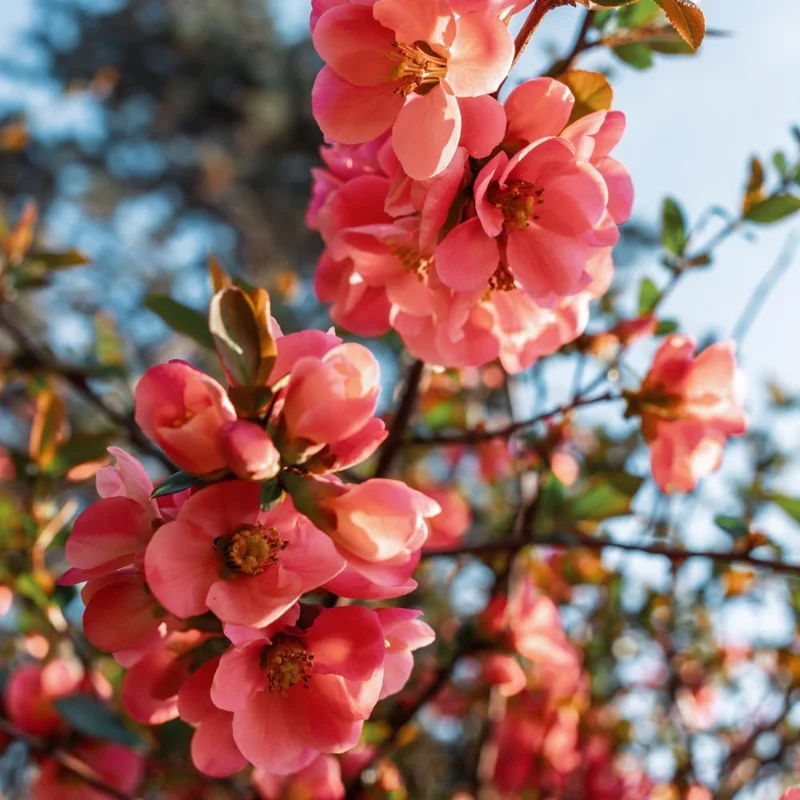
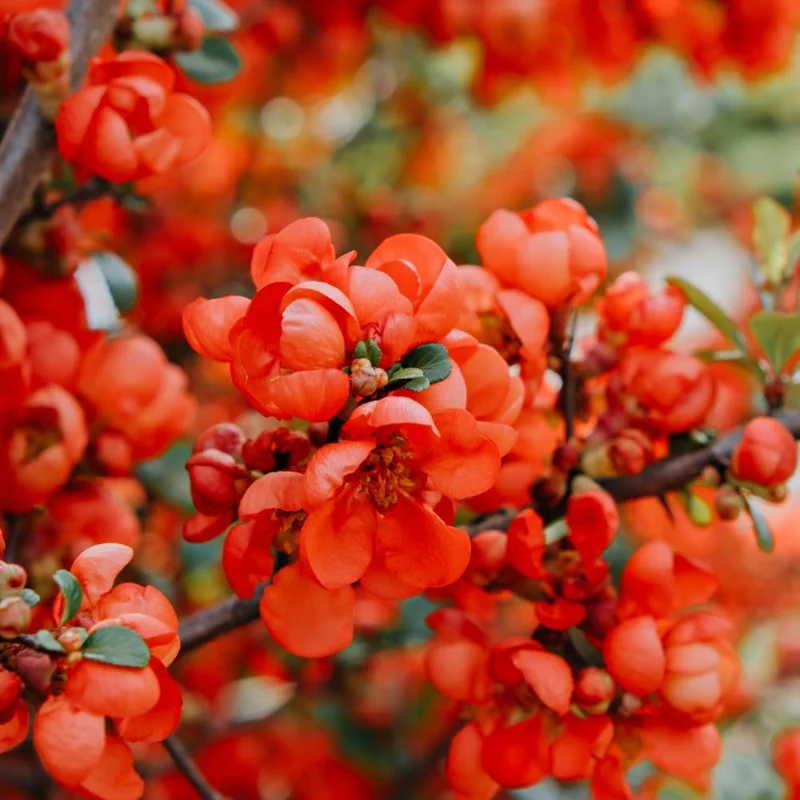
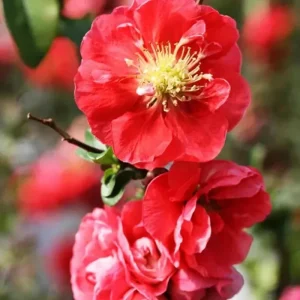
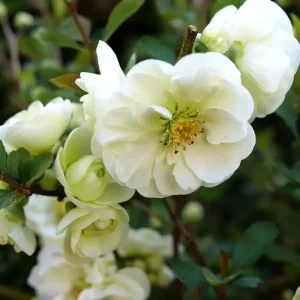
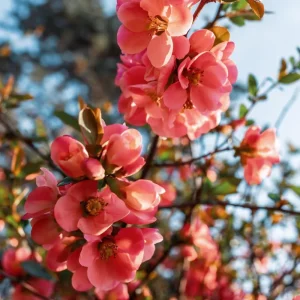
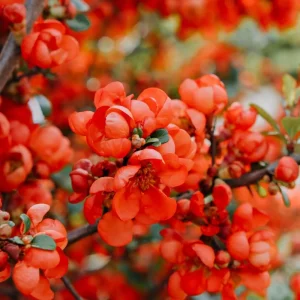
- Spectacular Early Spring Blooms: Be among the first to welcome spring with the vibrant, double orange flowers of this quince. These showy blossoms appear on bare branches, creating a breathtaking display that stands out against the still-dormant landscape. The ‘double flower’ characteristic adds an extra layer of visual richness.
- Versatile Landscaping Use: Ideal for creating beautiful and functional borders, hedges, or as a standalone specimen. Its dense growth provides privacy and structure, while its thorny branches offer a natural deterrent. This makes it an excellent flowering shrub outdoor option.
- Low Maintenance & Drought Tolerant: Once established, this orange quince flowering plant requires minimal care. It is highly tolerant of various soil conditions and periods of drought, making it a resilient choice for busy gardeners or those in drier climates.
- Attracts Pollinators: The early spring flowers provide a valuable nectar source for early emerging bees and other pollinators, contributing to the biodiversity and health of your garden ecosystem.
- Hardy & Adaptable: Thrives across a wide range of USDA Zones (5–9), demonstrating excellent cold hardiness and adaptability to different environmental conditions, making it a reliable performer for many regions.
- Long-Lived Beauty: With proper care, a chaenomeles speciosa orange can live for many years, growing into a mature, established shrub that provides consistent beauty and interest to your garden season after season.
- Seasonal Interest: Beyond its stunning spring flowers, the plant offers attractive green foliage throughout the summer and can produce small, fragrant, apple-like fruits in the fall, adding another layer of visual and aromatic appeal.
Plant Care & Growing Tips
Caring for your orange quince flowering plant is straightforward, ensuring years of beautiful blooms. This hardy shrub is quite forgiving, but providing optimal conditions will lead to the most vigorous growth and abundant flowering. It prefers a location that receives full sun to partial shade. For the most prolific bloom, aim for at least 6 hours of direct sunlight per day. While it can tolerate some shade, too much will reduce the number of flowers produced. Ensure good air circulation around the plant to prevent fungal diseases.
When it comes to watering, the double quince flower prefers moderate watering. Once established, it is fairly drought-tolerant. Water deeply and regularly during its first growing season to help it develop a strong root system. After that, water when the top few inches of soil feel dry, especially during prolonged dry spells. Well-draining soil is crucial; quince plants do not like soggy feet. A loamy, slightly acidic to neutral soil is ideal. Amend heavy clay soils with organic matter to improve drainage. Fertilize in early spring with a balanced, slow-release fertilizer before new growth begins to encourage a healthy early spring blooming plant.
Pruning is best done after flowering in late spring or early summer. Remove any dead, damaged, or crossing branches. You can also prune to shape the shrub and control its size. For a denser hedge, prune more regularly. The flowering shrub outdoor can grow to a mature height of 3–10 feet, so regular pruning can help maintain a desired size and form. This plant is generally pest and disease resistant, making it a robust choice for a low-maintenance garden. Pay attention to any signs of leaf spot or scale, though these are uncommon.
Size & Details
This orange quince flowering plant is a live, vigorous shrub ready for planting. It typically arrives as a young plant, measuring approximately 5 to 7 inches tall from the base of the root ball to the top of the foliage. These plants are grown to establish quickly in your garden. The mature size of the plant can range from 3 to 10 feet in height and spread, depending on the specific cultivar and growing conditions. It is known for a moderate growth rate, establishing well within the first season and showing significant growth in subsequent years. The plant is shipped in a nursery pot, ensuring its root system is protected and ready for transplanting.
Expect your chaenomeles speciosa orange to begin blooming in early spring, often as early as March or April, providing one of the first splashes of color in the garden. The double flowers are a vibrant orange, creating a striking contrast against the emerging green foliage or bare branches. This plant is well-suited for USDA Zones 5–9, indicating its resilience to a broad range of winter temperatures. Its adaptability makes it an excellent choice for various climates across the United States. Ensure adequate space for its mature size when planting to allow for optimal growth and development of this beautiful flowering shrub outdoor.
Frequently Asked Questions
- Q: How big does this orange quince flowering plant get? A: This shrub can reach a mature height of 3 to 10 feet and spread equally wide, depending on growing conditions and if it is pruned regularly. It’s a medium to large flowering shrub outdoor.
- Q: What size pot does it come in? A: The plant arrives in a nursery pot, typically a 4-inch or similar size, ensuring the root ball is intact and protected for transplanting. The plant itself will be 5 to 7 inches tall.
- Q: Is this an indoor or outdoor plant? A: This is an outdoor plant, specifically a hardy flowering shrub outdoor. It is not suitable for long-term indoor cultivation.
- Q: How much sunlight does the double quince flower need? A: For the best blooming performance, it requires full sun (at least 6 hours of direct sunlight daily) but can tolerate partial shade.
- Q: Is this plant easy to care for? A: Yes, the orange quince flowering plant is considered low-maintenance and very hardy once established, making it a good choice for beginners and experienced gardeners alike.
- Q: What condition will it arrive in? A: Your live plant will arrive carefully packaged, with its root system secured in a nursery pot, ready for planting directly into your garden.
- Q: When is the best time to plant an early spring blooming plant like quince? A: The best time to plant is in spring or fall when temperatures are moderate. This allows the plant to establish its root system before extreme heat or cold.
- Q: Will it survive winter in my zone? A: This chaenomeles speciosa orange is hardy in USDA Zones 5–9, meaning it is well-equipped to survive winters within this range.
- Q: How long until it blooms? A: Young plants may bloom in their first or second year after planting. Established plants will reliably bloom every early spring.
- Q: Does it produce fruit? A: Yes, after flowering, this quince can produce small, apple-like fruits that are typically tart but can be used for jellies and preserves.


Reviews
There are no reviews yet.