Overview
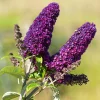
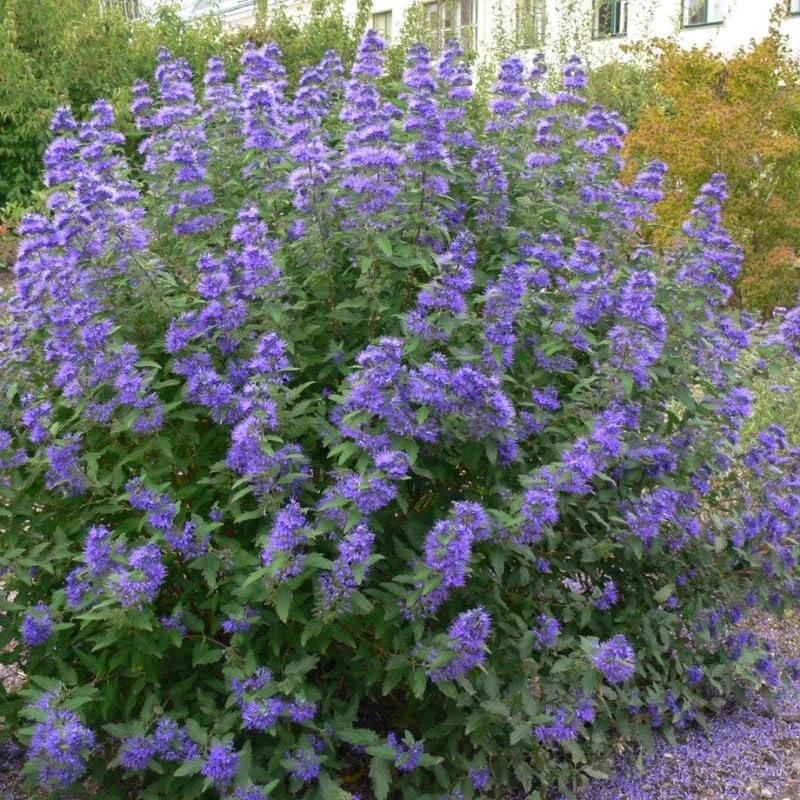
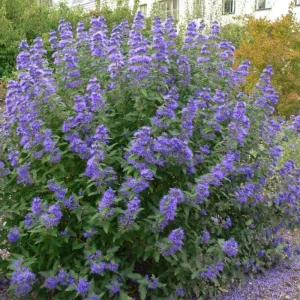
Introduce breathtaking late-season color to your garden with the captivating blue bluebeard live plant (Caryopteris x clandonensis). This remarkable deciduous shrub, often referred to as Caryopteris plant care or blue spirea, is celebrated for its abundant clusters of delicate, intensely blue flowers that emerge from late summer into fall. As other garden blooms begin to fade, the blue bluebeard live plant truly shines, offering a prolonged display of vibrant hue and a delightful fragrance that is irresistible to pollinators like bees and butterflies. Arriving as a healthy, established plant in a 2.5 inch pot, it’s perfectly sized for easy integration into your existing landscape, whether as a border plant, in a mixed perennial bed, or as a charming container specimen. Its compact growth habit and low-maintenance nature make it an excellent choice for both novice and experienced gardeners seeking reliable, long-lasting beauty.
The common name, blue bluebeard, refers to the distinctly blue, beard-like stamens that protrude from each tiny flower, creating a soft, hazy effect when in full bloom. This hardy shrub is a fantastic way to extend your garden’s interest well into the cooler months, providing a vital food source for beneficial insects when other nectar sources are scarce. Its graceful form and stunning floral display ensure it will be a focal point in any garden setting, promising a season of admiration and ecological benefit.
Key Benefits
Cultivating a blue bluebeard live plant brings a multitude of advantages to your garden and local ecosystem. Its unique characteristics make it a standout choice for gardeners looking for both aesthetic appeal and environmental contribution. Here are some of the key benefits:
- Extended Bloom Season: Enjoy a spectacular display of true blue flowers from late summer through fall, providing color when many other plants are past their prime. This extended bloom period ensures your garden remains vibrant and engaging for a longer duration.
- Pollinator Magnet: The fragrant, nectar-rich flowers of the blue bluebeard live plant are a powerful attractant for a variety of pollinators, including bees, butterflies, and hummingbirds. Planting this shrub actively supports local biodiversity and helps maintain a healthy ecosystem.
- Low Maintenance: This hardy shrub is remarkably easy to care for, requiring minimal attention once established. Its drought tolerance and general disease resistance make it an ideal choice for busy gardeners or those new to gardening.
- Deer Resistant: Gardeners in areas prone to deer browsing will appreciate that Caryopteris plant care is generally not favored by deer, making it a reliable option for landscapes where other plants might be damaged.
- Compact & Versatile: With its manageable size and mounding habit, the blue bluebeard live plant is perfect for various garden applications. Use it in mass plantings, as a low hedge, in rock gardens, or in containers to add a touch of elegance.
- Aromatic Foliage: Beyond its beautiful flowers, the foliage of the blue bluebeard emits a pleasant, slightly aromatic scent when brushed against, adding another sensory dimension to your garden experience.
- Vibrant Blue Hues: The intense, true blue color of the flowers is a rare and highly sought-after shade in the plant world, offering a striking contrast and visual interest to green foliage and other garden colors.
Plant Care & Growing Tips
Ensuring your blue bluebeard live plant thrives requires understanding its basic needs, which are fortunately quite straightforward. This shrub is known for its resilience and adaptability, making Caryopteris plant care a rewarding experience for gardeners of all skill levels. For optimal growth and prolific blooming, choose a site that receives plenty of sunlight. The blue bluebeard live plant performs best in full sun, meaning at least 6-8 hours of direct sunlight per day. While it can tolerate partial shade, too little sun may result in fewer flowers and a more leggy growth habit. Good air circulation is also beneficial to prevent fungal issues.
When it comes to soil, the blue bluebeard live plant is not overly particular but prefers well-draining soil. Sandy loam or loamy soil enriched with organic matter is ideal. Avoid heavy, waterlogged soils, as this can lead to root rot. If your soil is heavy clay, amend it with compost or grit to improve drainage. Once established, this shrub is quite drought-tolerant, but consistent watering during its first growing season will help it develop a strong root system. After establishment, water only when the top few inches of soil feel dry to the touch. Regarding temperature, the blue bluebeard live plant is hardy in USDA zones 5-9. In colder zones, it may die back to the ground but will typically regrow from the roots in spring. Pruning is best done in early spring, just as new growth begins. Cut back the entire plant by about one-third to one-half to encourage bushier growth and abundant flowering. Fertilization is not usually necessary in rich soils, but a balanced, slow-release fertilizer can be applied in spring if your soil is poor. Watch for common garden pests, though the blue bluebeard live plant is generally quite pest and disease resistant. Understanding how to grow bluebeard successfully involves these simple steps.
Size & Details
This offering is for one healthy blue bluebeard live plant, shipped in a 2.5 inch nursery pot. Each plant is carefully nurtured to ensure it arrives ready to be transplanted into your garden or a larger container. When mature, the Caryopteris plant typically reaches a height and spread of 2-3 feet, creating a lovely mounding form. Its moderate growth rate means it will establish well within its first year and begin to produce its characteristic blue blooms by late summer. The specific variety of blue bluebeard is chosen for its robust health and vibrant floral display, ensuring a reliable performance in your landscape. This plant is a fantastic choice for adding structure and continuous color to borders, mixed perennial beds, or as a striking stand-alone specimen.
The blue mist spiraea, as it is sometimes called, is an excellent choice for gardeners looking for a plant that delivers significant visual impact with minimal effort. Its compact size makes it suitable for smaller gardens or urban settings where space is at a premium. Expect blooms to appear from August through October, transforming your garden with a haze of blue. The plant will be well-rooted and ready for its new home, requiring only proper planting and initial care to flourish.
Frequently Asked Questions
- Q: How big does this plant get? A: The blue bluebeard live plant typically grows to a mature height and spread of 2-3 feet, forming a compact, mounding shrub. Its manageable size makes it versatile for various garden designs.
- Q: What size pot does it come in? A: Your Caryopteris plant will arrive well-established in a 2.5 inch nursery pot, ready for transplanting. This size is ideal for ensuring a healthy root system for continued growth.
- Q: Is this an indoor or outdoor plant? A: The blue bluebeard live plant is an outdoor shrub. It thrives in garden beds, borders, and outdoor containers, providing beautiful late-season blooms.
- Q: How much sunlight does it need? A: For the best flowering and overall health, your blue bluebeard live plant requires full sun, which means at least 6-8 hours of direct sunlight per day. It can tolerate some partial shade but may produce fewer flowers.
- Q: Is this plant easy to care for? A: Yes, Caryopteris plant care is considered very easy. It’s drought-tolerant once established and generally resistant to pests and diseases, making it a great choice for beginners or low-maintenance gardens.
- Q: What condition will it arrive in? A: We carefully pack and ship healthy, well-rooted plants to ensure they arrive in excellent condition, ready for planting. We take precautions to protect the foliage and soil during transit.
- Q: When is the best time to plant? A: The best time to plant your blue bluebeard live plant is in spring or early fall. This allows the plant to establish its root system before extreme summer heat or winter cold sets in.
- Q: Will it survive winter in my zone? A: This shrub is hardy in USDA Zones 5-9. In colder zones (Zone 5), it may die back to the ground in winter but will typically regrow vigorously from the roots in spring, especially if mulched for protection.
- Q: What type of soil does it prefer? A: The blue bluebeard live plant prefers well-draining soil, such as a sandy loam. It’s crucial to avoid heavy, waterlogged soils to prevent root rot.
- Q: How to grow bluebeard for maximum blooms? A: To maximize blooms, ensure your plant receives full sun and prune it back by about one-third to one-half in early spring before new growth emerges. This encourages robust new stems that will bear abundant flowers.


Reviews
There are no reviews yet.