Overview
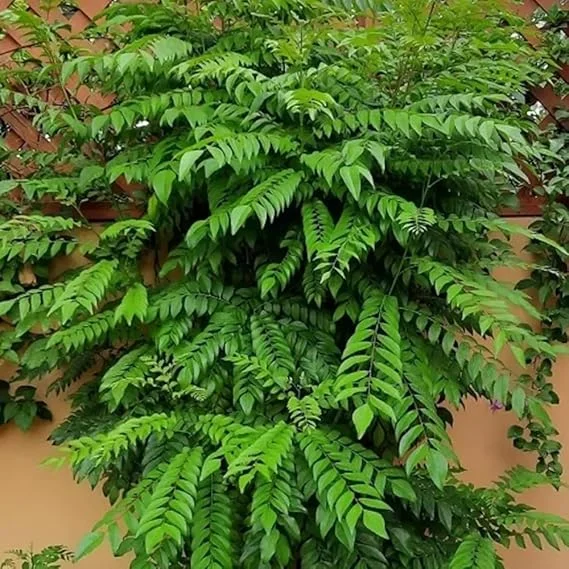
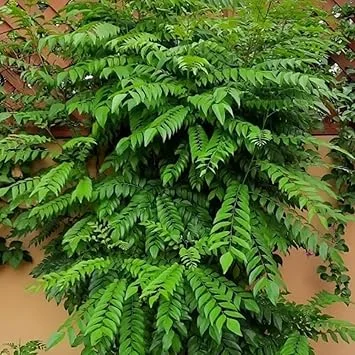
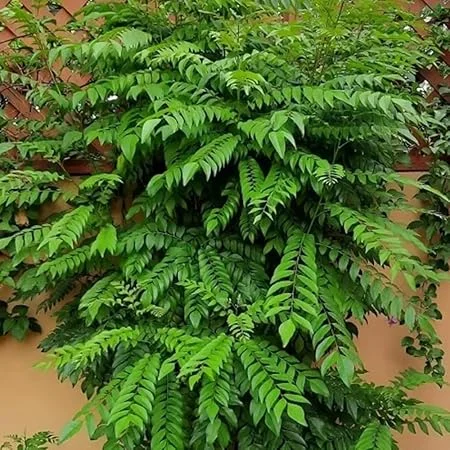
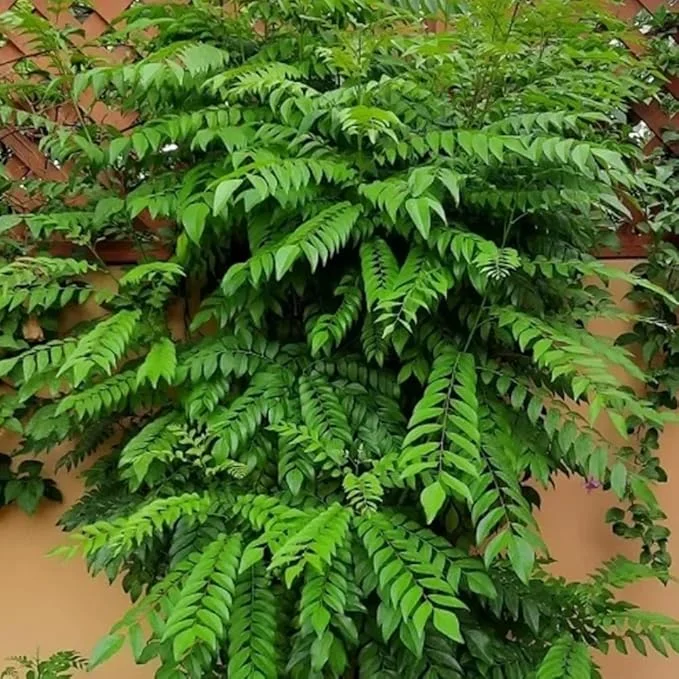
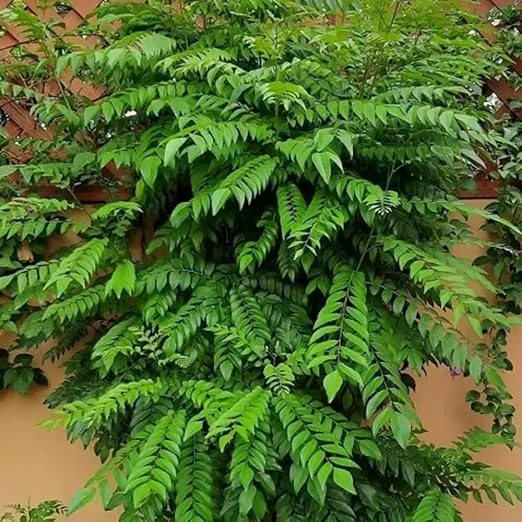
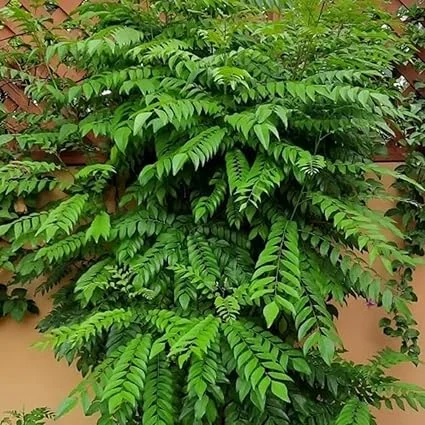
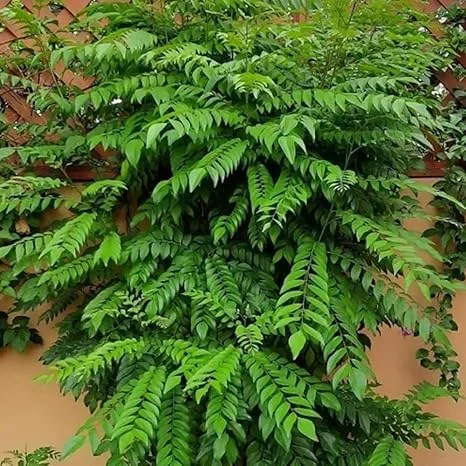
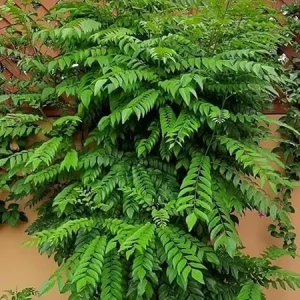
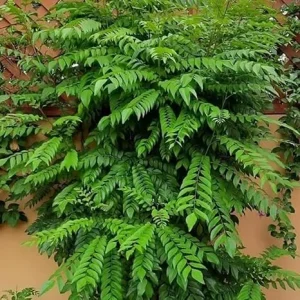
Introduce a remarkable and highly beneficial addition to your garden with this moringa oleifera live plant. Also known as the ‘Miracle Tree,’ Moringa oleifera is celebrated worldwide for its rapid growth, resilience, and nutritional value. This young plant comes to you in a 4-inch nursery pot, ready for transplanting into your garden, raised bed, or a larger container. The moringa oleifera live plant is an excellent choice for gardeners looking for a sustainable and productive tree that offers both ornamental beauty and practical uses. Its slender trunk, fern-like leaves, and delicate white flowers make it an attractive specimen, while its adaptability to various climates and minimal care requirements ensure a rewarding growing experience.
Originating from India, the moringa tree has adapted to thrive in tropical and subtropical regions, making it a perfect fit for warmer climates. Whether you’re an experienced horticulturist or a budding green thumb, cultivating a moringa oleifera live plant is a straightforward and enriching endeavor. Its ability to grow quickly means you’ll soon have a thriving tree providing shade, beauty, and a host of potential benefits directly from your backyard. This particular specimen is a healthy, established starter plant, ensuring a strong foundation for its future growth and development in your chosen planting location.
Key Benefits
Adding a moringa tree to your garden offers a wide array of advantages, from its aesthetic appeal to its remarkable resilience. This moringa oleifera live plant is more than just a decorative feature; it’s a dynamic and rewarding investment for any gardener. Discover the numerous benefits:
- Fast Growth & High Yield: Experience the satisfaction of watching your moringa tree grow rapidly. Known for its quick development, this plant can provide a substantial yield of leaves and pods in a relatively short period, making it a highly efficient addition to your edible landscape.
- Drought Tolerance: Ideal for water-conscious gardeners, the moringa tree is remarkably drought-tolerant once established. This characteristic makes it a sustainable choice for regions with limited rainfall, requiring less frequent watering compared to many other garden plants.
- Low Maintenance: Enjoy a beautiful and productive tree without extensive upkeep. The moringa oleifera live plant is known for being incredibly low-maintenance, thriving with minimal intervention, which is perfect for busy gardeners or those new to tree cultivation.
- Versatile Use: The moringa tree is renowned for its versatility. Its leaves, pods, and even flowers are edible and can be incorporated into various dishes, offering a fresh and nutritious addition to your diet. This makes it a functional and beneficial plant for any home garden.
- Adaptable to Various Settings: This moringa oleifera live plant is suitable for both outdoor gardens in appropriate hardiness zones and can even be grown in large containers on patios or balconies, offering flexibility for different living spaces.
- Soil Improvement: As a deciduous tree, moringa leaves naturally fall and decompose, enriching the soil with organic matter and nutrients. This natural process can contribute to healthier soil structure and fertility in your garden over time.
- Supports Biodiversity: The flowers of the moringa tree attract pollinators such as bees, contributing to the health and biodiversity of your local ecosystem. Growing a moringa tree can help create a more vibrant and active garden environment.
Plant Care & Growing Tips
Caring for your moringa oleifera live plant is surprisingly straightforward, thanks to its robust and adaptable nature. To ensure your tree thrives, begin by selecting an optimal planting site. Moringa trees demand full sunlight, meaning they need at least 6-8 hours of direct sun exposure daily to achieve their best growth and productivity. Ensure the chosen location has well-draining soil, as moringa is susceptible to root rot in waterlogged conditions. A sandy loam soil is ideal, but it can adapt to various soil types as long as drainage is excellent. When transplanting, dig a hole twice as wide as the root ball and just as deep, gently place the plant, and backfill with soil, lightly tamping to remove air pockets.
Watering should be moderate, especially during the initial establishment phase. Once the moringa oleifera live plant is established, it becomes highly drought-tolerant, requiring less frequent watering. However, consistent moisture during dry spells will encourage better growth and leaf production. Fertilization is generally not heavily required, but a balanced, slow-release fertilizer can be applied once or twice during the growing season to boost vitality. Pruning is beneficial for shaping the tree, encouraging bushier growth, and making harvesting easier; it can also help manage the overall size of the fast-growing moringa. Protect young plants from strong winds if possible. Monitoring for pests and diseases is important, though moringa is generally quite resistant. With these simple steps, your moringa tree will flourish, providing a beautiful and beneficial presence in your garden.
Size & Details
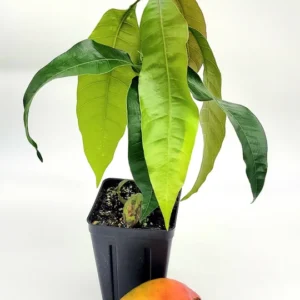
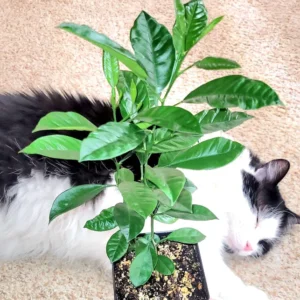
This offering is for one healthy moringa oleifera live plant, which arrives established in a 4-inch nursery pot. At the time of shipment, the plant typically measures approximately 8 inches tall from the base of the pot. Moringa trees are known for their incredibly fast-growing moringa nature, and with proper care, this young plant can quickly reach a significant size. While it can grow up to 20-40 feet tall in its native habitat, its size can be managed through regular pruning in a garden setting or by growing it in a container. It is ready for immediate transplanting into a larger pot, raised bed, or directly into your outdoor garden. The plant is suitable for USDA Hardiness Zones 9-11, making it ideal for warmer climates where it can be grown outdoors year-round. In cooler zones, it can be grown as an annual or overwintered indoors.
Frequently Asked Questions
- Q: How big does this plant get? A: This moringa oleifera live plant is shipped in a 4-inch pot and is typically around 8 inches tall. With ideal conditions, it can grow rapidly, reaching heights of 10-15 feet in a single season, though its size can be managed with regular pruning.
- Q: Is this an indoor or outdoor plant? A: Moringa is primarily an outdoor plant, thriving in full sun in USDA Hardiness Zones 9-11. In cooler climates, it can be grown outdoors during warm months and brought indoors or treated as an annual.
- Q: How much sunlight does it need? A: A moringa oleifera live plant requires full sun exposure, meaning at least 6-8 hours of direct sunlight daily, to ensure vigorous growth and health.
- Q: Is this plant easy to care for? A: Yes, moringa trees are known for their low-maintenance nature. Once established, they are drought-tolerant and require minimal intervention, making them an excellent choice for beginners and busy gardeners alike.
- Q: What condition will it arrive in? A: Your moringa oleifera live plant will arrive as a healthy, established specimen in a 4-inch nursery pot, carefully packaged to ensure its safe journey.
- Q: When is the best time to plant? A: The best time to plant your moringa tree outdoors is in spring or early summer after all danger of frost has passed, allowing it ample time to establish before cooler weather.
- Q: Can I use moringa leaves for cooking? A: Absolutely! Moringa leaves are highly nutritious and can be used in a variety of culinary applications, from smoothies and salads to stir-fries and soups, making this a truly beneficial plant for your home.
- Q: Will it survive winter in my zone? A: This moringa oleifera live plant is hardy in USDA Zones 9-11. If you are in a colder zone, you will need to protect it from frost, either by bringing it indoors or treating it as an annual.
- Q: What type of soil does it prefer? A: Moringa thrives in well-draining soil. A sandy loam is ideal, but any soil type with good drainage will suffice to prevent root rot.
- Q: What are the benefits of moringa? A: The benefits of moringa include its rapid growth, drought tolerance, low maintenance, and its highly nutritious leaves and pods, which are often called a ‘superfood’.


Reviews
There are no reviews yet.