Overview
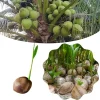
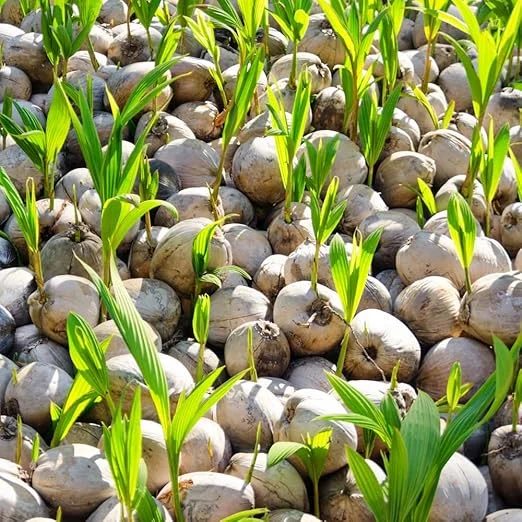
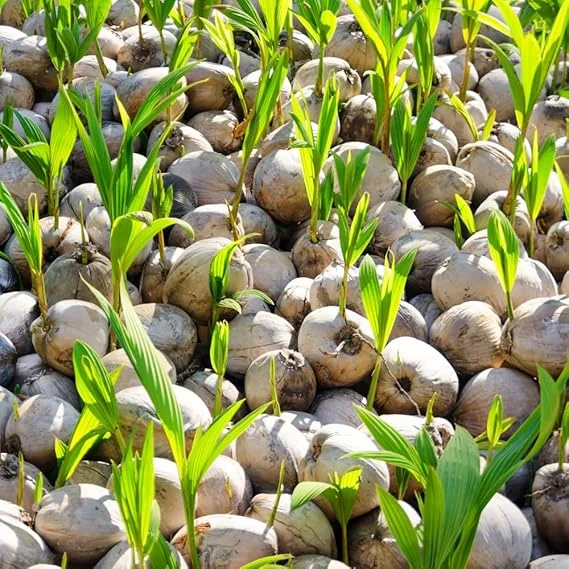
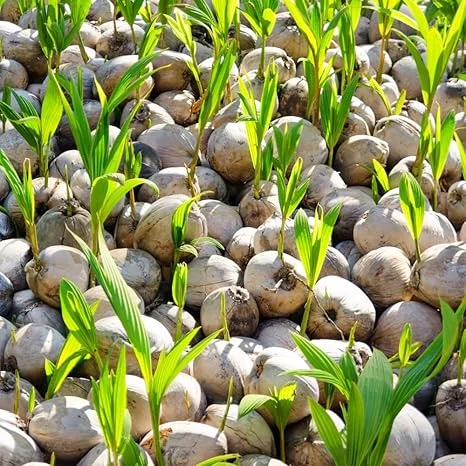
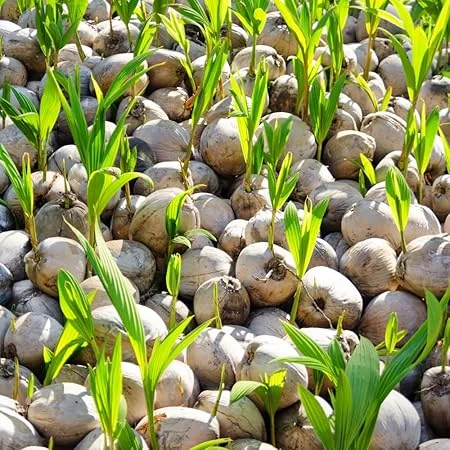
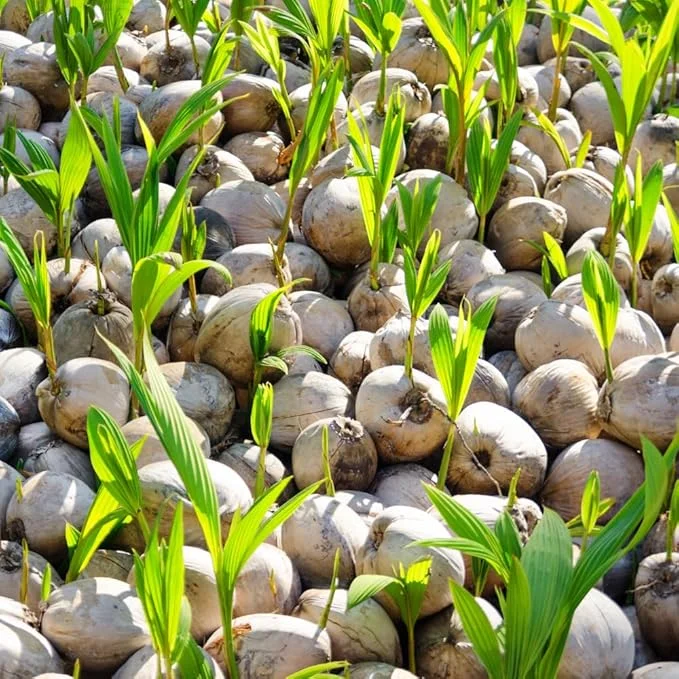
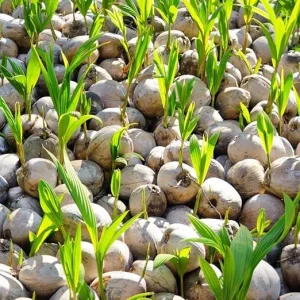
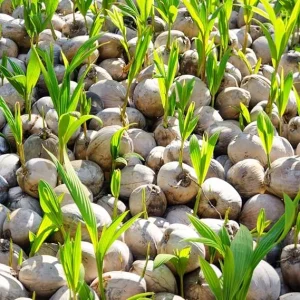
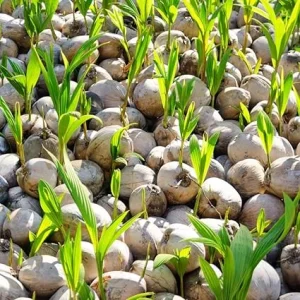
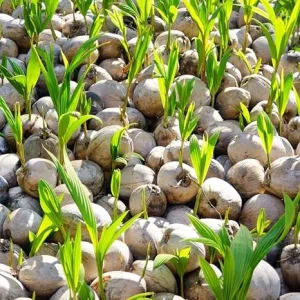
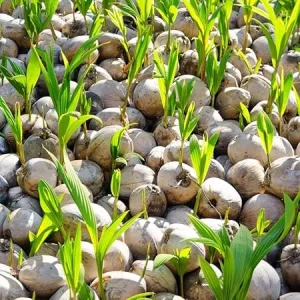
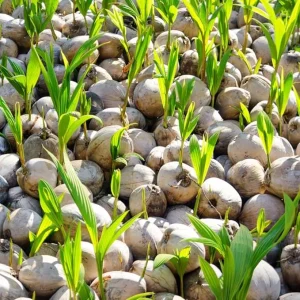
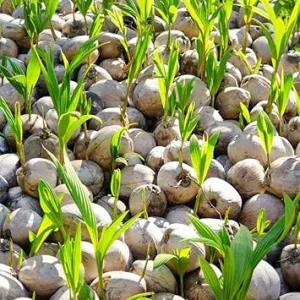
Bring the tropics to your home or garden with this vibrant yellow coconut tree live plant. This offering is for a young, sprouted coconut plant, ready for you to nurture into a mature, fruit-bearing tree. Known for its appealing yellow husks and sweet, edible fruit, this coconut tree is not only a source of delicious tropical produce but also a magnificent ornamental specimen. Whether you dream of harvesting your own coconuts or simply desire to add an exotic touch to your landscape, this sprouted coconut plant is an excellent choice. It thrives in warm climates, making it perfectly suited for USDA Hardiness Zones 10-11, where it can be grown outdoors year-round. For those in cooler regions, it can be cultivated in large containers and brought indoors during colder months, allowing you to enjoy a piece of the tropics regardless of your local climate.
The coconut tree, scientifically known as Cocos nucifera, is a versatile palm renowned globally for its fruit, water, and ornamental appeal. This specific variety, characterized by its yellow coconuts, offers a unique aesthetic and flavor profile. Starting with a yellow coconut tree live plant provides the satisfaction of watching it grow from a young sprout into a towering palm, offering both beauty and bounty.
Key Benefits
This yellow coconut tree live plant offers a multitude of benefits, from its aesthetic appeal to its practical uses:
- Produces Edible Tropical Fruit: Enjoy the unique satisfaction of harvesting your own sweet, delicious yellow coconuts directly from your garden. These coconuts are perfect for fresh consumption, culinary uses, or making refreshing coconut water.
- Stunning Ornamental Value: With its graceful fronds and eventually its bright yellow coconuts, this tree adds a dramatic, tropical flair to any landscape or large patio. It creates a focal point that evokes a sense of paradise.
- Low Maintenance for Tropical Climates: Once established in its preferred climate, the edible coconut tree requires relatively low maintenance, primarily needing consistent watering and appropriate sunlight to flourish.
- Adaptable to Container Growing: While ideal for outdoor planting in Zones 10-11, this tree can also be grown in large containers, allowing enthusiasts in cooler zones to enjoy a tropical fruit tree 10-11 by providing indoor protection during winter.
- Air Purification: Like many large plants, a mature coconut tree can contribute to improving air quality in its immediate surroundings by absorbing carbon dioxide and releasing oxygen.
- Long Lifespan: With proper care, a coconut tree can live for many decades, providing a long-term source of fruit and beauty for your property.
- Unique Garden Addition: Stand out from typical garden varieties by cultivating an ornamental coconut plant, a conversation starter that brings an exotic touch to your green space.
Plant Care & Growing Tips
Caring for your yellow coconut tree live plant involves understanding its specific needs for sunlight, water, soil, and temperature. These tropical plants thrive in conditions that mimic their native habitats. For optimal growth, ensure your plant receives at least 6-8 hours of direct, full sunlight daily. In extremely hot climates, some afternoon shade can be beneficial, especially for young plants, but generally, more sun equals better growth and fruit production. If growing indoors, place it near a south-facing window or use a grow light to supplement natural light.
Watering is crucial, especially for a young sprouted coconut plant. Keep the soil consistently moist but never waterlogged. Allow the top inch or two of soil to dry out slightly between waterings, especially when temperatures are high. Good drainage is paramount; coconut trees are susceptible to root rot if their roots sit in standing water. The ideal soil type is a well-draining sandy loam, rich in organic matter. A slightly acidic to neutral pH (6.0-7.0) is preferred. For container-grown plants, use a high-quality potting mix formulated for palms, ensuring the pot has ample drainage holes.
The tropical fruit tree 10-11 is best suited for USDA Hardiness Zones 10-11, meaning it can tolerate temperatures generally above 30°F (-1°C). It prefers warm, humid conditions and is not frost-tolerant. If you live in a cooler zone, bring your containerized plant indoors when temperatures drop below 40°F (4°C). Fertilize regularly during the growing season (spring through fall) with a balanced palm fertilizer that includes micronutrients like magnesium, manganese, and boron, which are essential for healthy coconut development. Common problems include nutrient deficiencies (often appearing as yellowing fronds) and occasional pests like spider mites, which can usually be managed with horticultural oil or insecticidal soap. Proper care will ensure your yellow coconut tree live plant flourishes.
Size & Details
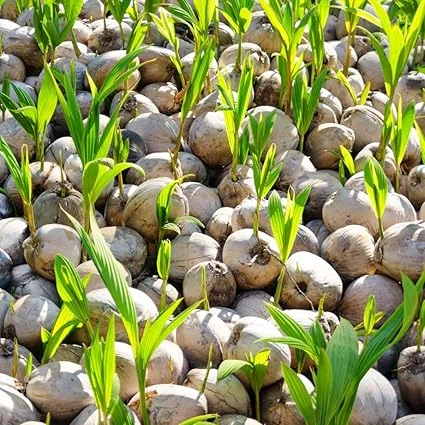
This offering is for a young yellow coconut tree live plant, typically measuring 6-8 inches tall from the base of the sprout to the tip of its fronds. It arrives as a sprouted coconut, meaning the germination process has already begun, giving you a head start on growing your own tropical tree. These plants have a moderate growth rate, and with ideal conditions, a mature coconut tree can reach an impressive height of up to 50 feet over many years, though container-grown trees will remain significantly smaller. It will take several years for the tree to mature and begin producing coconuts, typically 5-7 years from planting for a sprouted seedling. The plant is shipped in a nursery pot, ready for transplanting into a larger container or directly into the ground if your climate permits.
When mature, this edible coconut tree produces distinctive yellow-husked coconuts, offering a visually appealing and delicious yield. The plant dimensions upon arrival, including the nursery pot, are approximately 7 x 7 x 6 inches, making it a manageable size for initial planting and care. Ensure you have adequate space for its future growth, whether in a large patio container or as a prominent feature in your landscape.
Frequently Asked Questions
- Q: How big does this yellow coconut tree live plant get? A: In ideal outdoor conditions (USDA Zones 10-11), a mature coconut tree can reach heights of up to 50 feet. If grown in a container, its size will be significantly more compact, usually limited by the pot size and pruning.
- Q: What size pot does it come in? A: The sprouted coconut plant typically arrives in a small nursery pot, suitable for its initial size of 6-8 inches tall. You will need to transplant it into a larger pot or directly into the ground upon arrival.
- Q: Is this an indoor or outdoor plant? A: This tropical fruit tree 10-11 is primarily an outdoor plant for USDA Zones 10-11. In cooler zones, it can be grown outdoors during warm months and brought indoors as a large houseplant during winter to protect it from cold temperatures.
- Q: How much sunlight does it need? A: Coconut trees require abundant sunlight. For best growth and fruit production, provide at least 6-8 hours of direct, full sun daily. Insufficient light will result in slow growth and poor health.
- Q: Is this plant easy to care for? A: Once established in the correct climate, an edible coconut tree is relatively low maintenance. However, young plants require consistent watering and attention to sunlight and soil conditions to thrive.
- Q: What condition will it arrive in? A: Your yellow coconut tree live plant will arrive as a healthy, sprouted seedling, typically 6-8 inches tall, securely packaged in its nursery pot to ensure safe transit.
- Q: Can I really grow my own edible coconuts? A: Yes, with proper care and suitable growing conditions (especially in USDA Zones 10-11), this tree will eventually produce edible yellow coconuts. It typically takes 5-7 years for a sprouted plant to start fruiting.
- Q: When is the best time to plant this tree? A: The best time to plant your ornamental coconut plant is in the spring or early summer, once all danger of frost has passed and temperatures are consistently warm. This allows the plant ample time to establish its root system before cooler weather.
- Q: Will it survive winter in my zone if I’m not in 10-11? A: No, it will not survive outdoor winter conditions outside of USDA Zones 10-11. If you live in a cooler zone, you must bring the plant indoors when temperatures drop below 40°F (4°C) to protect it from frost and cold.
- Q: What kind of soil does a coconut tree prefer? A: Coconut trees thrive in well-drained, sandy loam soil that is rich in organic matter. Good drainage is crucial to prevent root rot.


Reviews
There are no reviews yet.