Overview
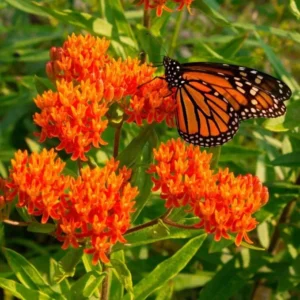
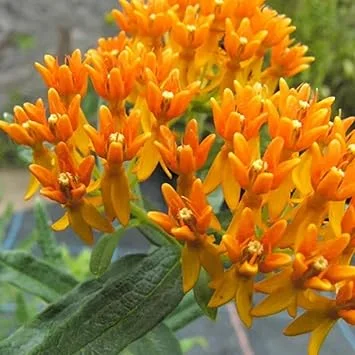
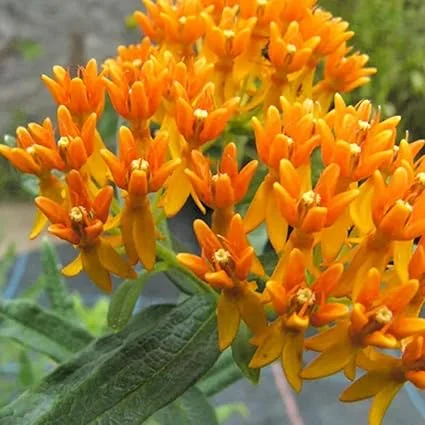
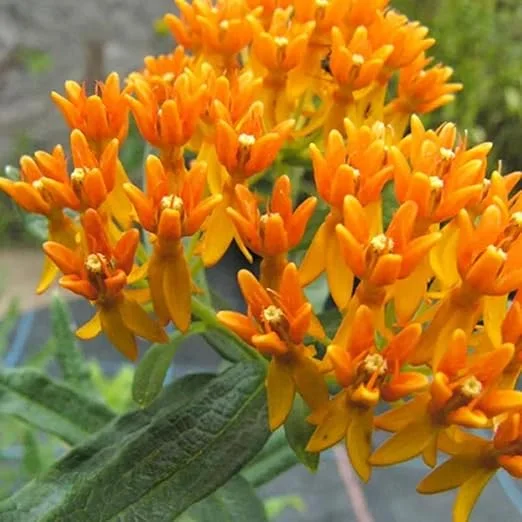
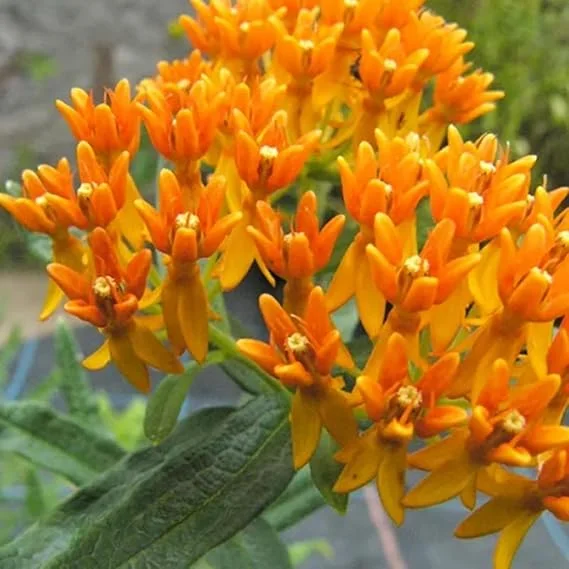
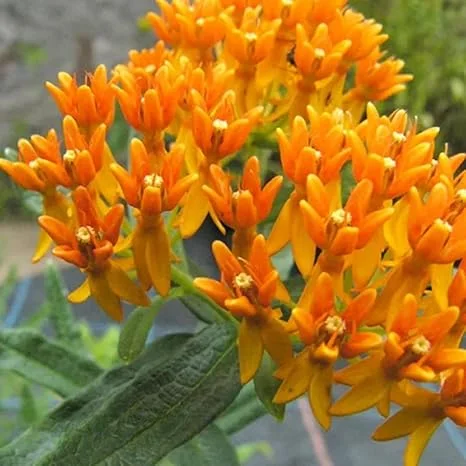
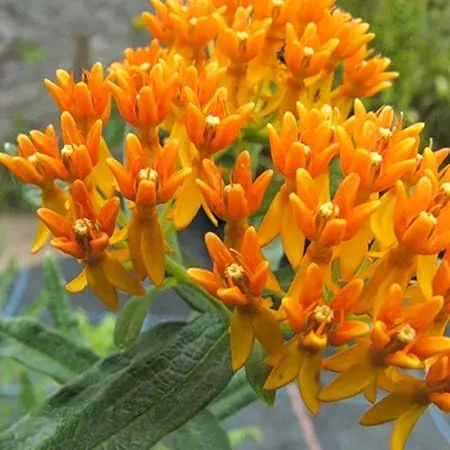
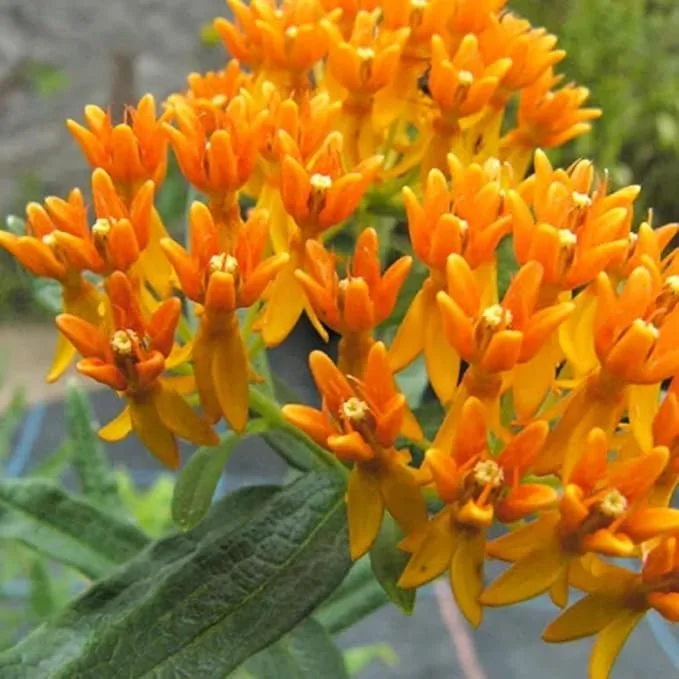
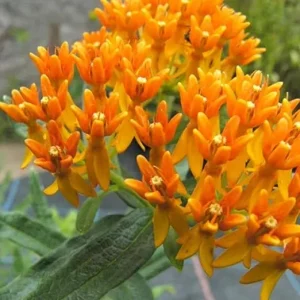
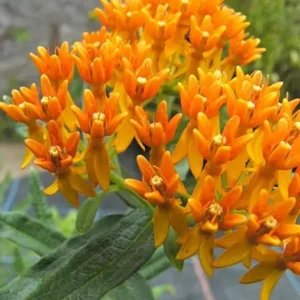
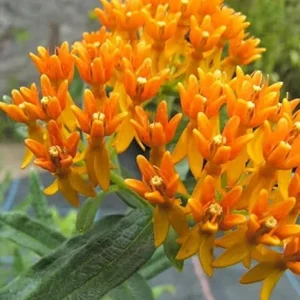
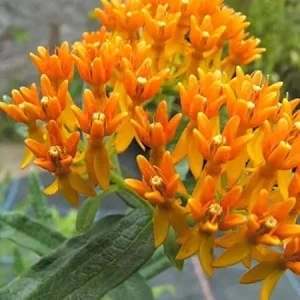
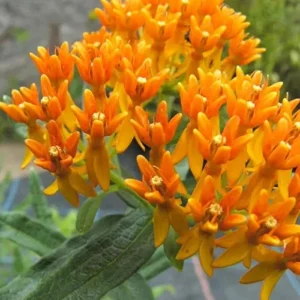
Transform your outdoor space with the stunning beauty of the orange milkweed live plant. This offering includes a set of two vibrant starter plants, each measuring 5-9 inches tall, ready to be planted directly into your garden beds or containers. Known scientifically as Asclepias tuberosa, this captivating perennial is cherished for its brilliant orange blooms that emerge in spring, adding a splash of color and life to any landscape. Beyond its aesthetic appeal, orange milkweed is a crucial host plant for monarch butterfly caterpillars, making it an indispensable addition to any pollinator or butterfly garden. These robust plants are also a cold hardy milkweed variety, ensuring they return year after year with increased vigor and more abundant blossoms once established. Whether you’re an experienced gardener or just starting, these starter plants provide an excellent foundation for a thriving, eco-friendly garden.
The orange milkweed live plant is not just a treat for the eyes; it plays a vital role in supporting local ecosystems. Its bright flowers are a beacon for various pollinators, including bees and hummingbirds, contributing to the biodiversity of your garden. Each plant is carefully cultivated to ensure it arrives healthy and ready for planting, allowing you to enjoy its benefits without delay. Create a haven for wildlife and enjoy the natural wonder these plants bring to your outdoor living space.
Key Benefits
Cultivating the orange milkweed live plant in your garden offers a multitude of advantages, enriching both your landscape and the local environment. These benefits make it a top choice for gardeners:
- Vibrant Spring Blooms: Enjoy a spectacular display of bright orange flowers each spring, adding unparalleled visual appeal to your garden. The rich color stands out and creates a focal point.
- Essential Pollinator Support: As a primary host plant for monarch butterfly caterpillars, this orange milkweed live plant is crucial for their life cycle and contributes significantly to pollinator conservation efforts. It also attracts a variety of other beneficial insects.
- Cold Hardy Perennial: Designed to withstand colder temperatures, these plants return season after season, growing stronger and producing more blooms each year without needing replanting. This makes them a reliable and sustainable choice.
- Low Maintenance: Once established, perennial milkweed care is relatively straightforward, requiring minimal intervention. They are drought-tolerant and adaptable to various conditions, making them ideal for busy gardeners.
- Starter Size for Easy Planting: The 5-9 inch starter size is perfect for immediate planting in garden beds or containers, ensuring a smooth transition and quick establishment in your chosen location.
- Drought Tolerant: Once mature, this variety of milkweed can tolerate periods of dry weather, reducing the need for constant watering and making it an excellent choice for xeriscaping or areas with water restrictions.
- Deer Resistant: Generally, milkweed plants are not preferred by deer, offering a natural defense against common garden pests and protecting your investment.
Plant Care & Growing Tips
Successful cultivation of your orange milkweed live plant ensures a beautiful and thriving garden. These plants are relatively easy to care for, especially since they are a cold hardy milkweed variety. For optimal growth, provide them with full sun exposure, meaning at least six hours of direct sunlight daily. While they can tolerate some partial shade, abundant sunlight encourages the most prolific blooming and robust growth. Ensure they are planted in well-drained soil, as soggy conditions can lead to root rot. If your soil is heavy clay, amend it with sand or compost to improve drainage.
When it comes to watering, establish your new plants with regular moisture during their first growing season. Once established, perennial milkweed care typically involves less frequent watering, as these plants are quite drought-tolerant. Water deeply when the top few inches of soil feel dry to the touch, allowing the soil to dry out slightly between waterings. Orange milkweed thrives in USDA hardiness zones 3-9, making it suitable for a wide range of climates. Fertilization is generally not heavily required for established plants, especially in rich soil; however, a light application of a balanced, slow-release fertilizer in early spring can promote vigorous growth and blooming.
Protecting your plants from common pests and diseases is part of good perennial milkweed care. While milkweed is generally resilient, watch out for aphids, which can be easily managed with a strong spray of water or insecticidal soap. Deadheading spent blooms can encourage more flowers and prevent unwanted self-seeding. In cooler zones, a layer of mulch around the base of the plant in late fall can provide extra winter protection, especially for younger plants. Following these guidelines will help your orange milkweed live plant flourish and become a vibrant part of your garden for years to come.
Size & Details
This offering includes two individual orange milkweed live plant starter plants. Each plant typically stands between 5 and 9 inches tall upon arrival, making them an ideal size for immediate outdoor planting. These starter plants are shipped in a nursery pot, ensuring the root system is protected and ready for transplanting into your garden beds or larger containers. The mature size of the orange milkweed (Asclepias tuberosa) can reach approximately 18-36 inches in height and spread, forming an attractive clump over time. The growth rate is moderate, and you can expect significant development within the first growing season, with robust blooms appearing in spring.
As a cold hardy milkweed, these plants are well-suited for a wide range of climates and are known for their resilience. They are shipped ready to transplant, making it easy to integrate them into your existing garden design. The vibrant orange flowers are a key characteristic, providing both beauty and ecological benefit as a critical component for a butterfly garden plant. Prepare your planting site with well-drained soil and ensure full sun exposure to give these plants the best start. With proper care, they will establish quickly and provide years of enjoyment as a stunning perennial milkweed care addition to your landscape.
Frequently Asked Questions
- Q: How big does this plant get? A: Each orange milkweed live plant is a starter size, typically 5-9 inches tall upon arrival. When mature, they can reach a height and spread of 18-36 inches, forming a beautiful clump.
- Q: Is this an indoor or outdoor plant? A: This is an outdoor plant, specifically a cold hardy milkweed perennial, designed to thrive in garden beds and containers under full sun exposure.
- Q: How much sunlight does it need? A: For best results and abundant blooms, your orange milkweed live plant requires full sun, meaning at least 6 hours of direct sunlight per day.
- Q: Is this plant easy to care for? A: Yes, once established, these plants are relatively low-maintenance. They are drought-tolerant and require minimal perennial milkweed care, making them great for gardeners of all levels.
- Q: What condition will it arrive in? A: Your plants will arrive as healthy 5-9 inch starter plants, carefully packaged in a nursery pot to protect their root system during transit, ready for immediate planting.
- Q: How long until it blooms? A: These starter plants typically begin to bloom in the spring of their first or second year, depending on planting time and growing conditions. They will produce more flowers as they establish and mature.
- Q: Will it survive winter in my zone? A: Yes, this is a cold hardy milkweed variety, generally suitable for USDA zones 3-9. It will die back in winter and return stronger in spring.
- Q: What is the best soil type for orange milkweed? A: Orange milkweed thrives in well-drained soil. If your soil is heavy, amending it with sand or compost will improve drainage and promote healthy root growth.
- Q: Can I use this for a butterfly garden? A: Absolutely! The orange milkweed live plant is an essential butterfly garden plant, serving as a critical host for monarch butterfly caterpillars and attracting various other pollinators.
- Q: How often should I water my new milkweed plants? A: Water regularly during the first growing season to help establish the roots. Once established, water deeply when the top few inches of soil are dry, as they are quite drought-tolerant.


Reviews
There are no reviews yet.