Overview
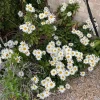
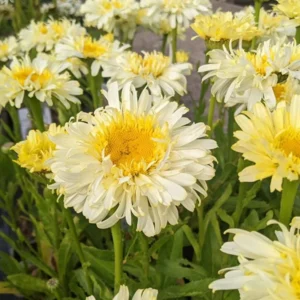
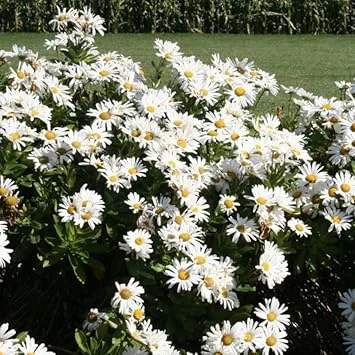
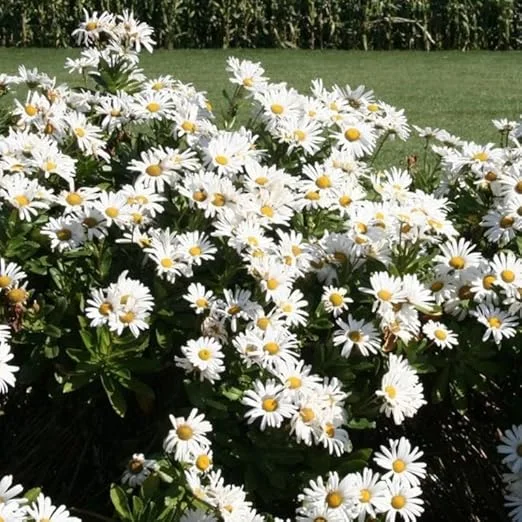
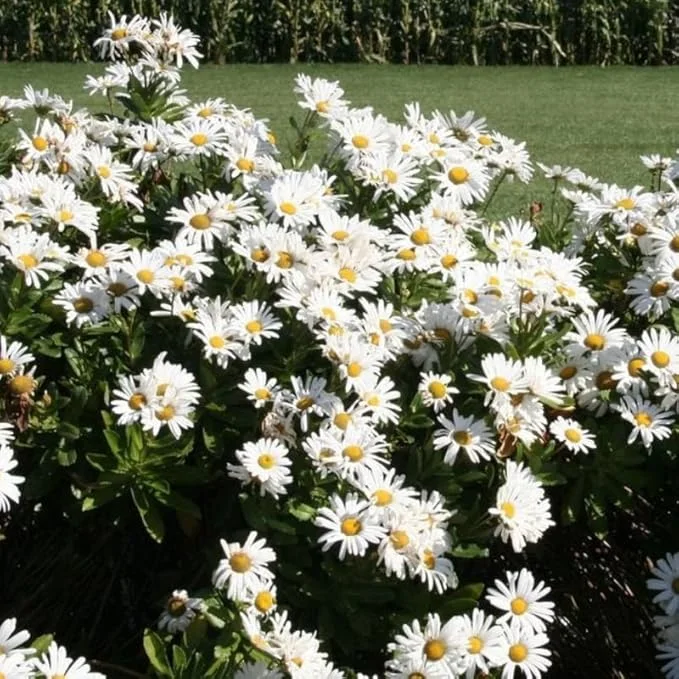
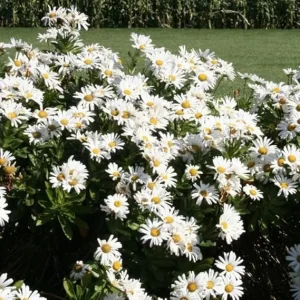
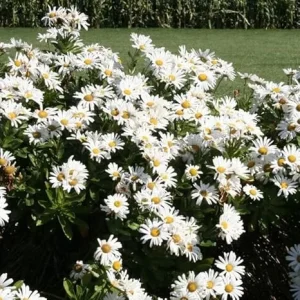
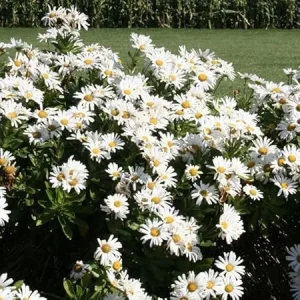
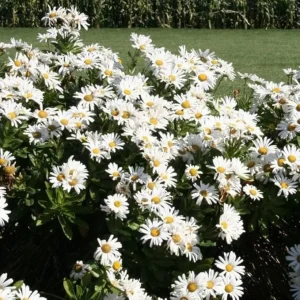
Introduce classic elegance to your outdoor landscape with the white daisy live plant. This beautiful perennial is renowned for its iconic, cheerful white petals surrounding a vibrant yellow center, bringing a touch of natural charm to any garden setting. Often associated with innocence and purity, the daisy is a beloved flower that thrives with minimal care, making it an excellent choice for both seasoned gardeners and beginners alike. Each white daisy live plant arrives ready for planting, typically measuring between 3 to 6 inches tall, providing a healthy start for robust growth. These plants are shipped without a pot, ensuring they are prepared for immediate integration into your garden beds or containers. Prepare to enjoy a spectacular display of blooms that will enhance your outdoor living spaces for many seasons to come.
Key Benefits
Cultivating a white daisy live plant offers a multitude of advantages for your garden, transforming it into a vibrant and inviting space. These benefits extend beyond their aesthetic appeal, contributing to a healthy and dynamic outdoor environment.
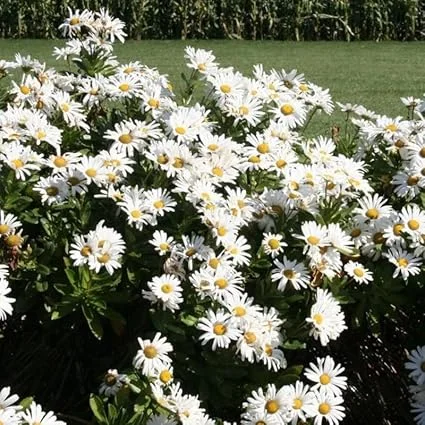
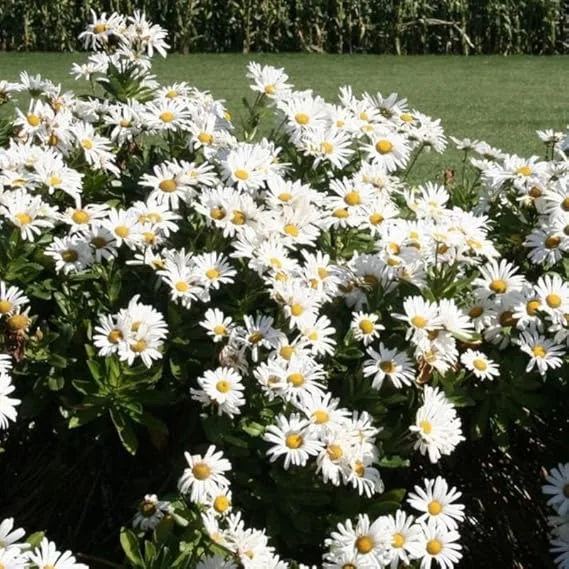
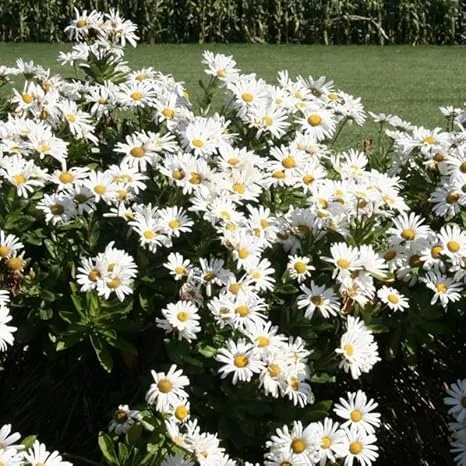
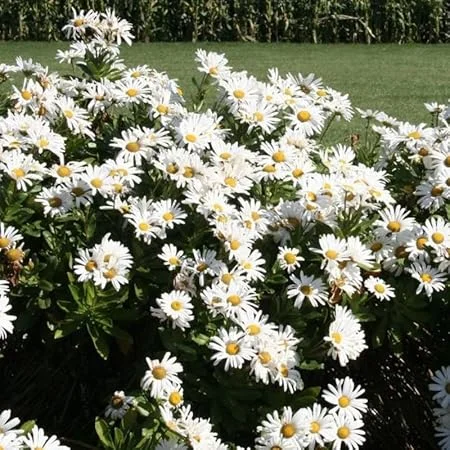
- Stunning Floral Display: Enjoy an abundance of large, classic white daisy flowers with bright yellow centers. These cheerful blooms add a refreshing contrast and significant visual interest to your garden, creating a focal point of natural beauty. The prolific flowering habit ensures a continuous show throughout their blooming season.
- Long Blooming Season: These daisies typically bloom from late summer through fall, providing extended color when many other garden plants are starting to fade. This prolonged flowering period ensures your garden remains lively and attractive, offering consistent beauty for several months.
- Low Maintenance Perennial: As a perennial daisy plant, it returns year after year, growing larger and producing more flowers with each season. They are remarkably resilient and require minimal watering once established, thriving even in average to poor soils. This makes them an ideal choice for gardeners seeking lasting beauty without intensive care.
- Attracts Pollinators: The bright, open flowers of the outdoor daisy flowers are a magnet for beneficial pollinators such as bees and butterflies. By planting these daisies, you contribute to local biodiversity and support the health of your garden ecosystem, encouraging a thriving natural habitat.
- Versatile Garden Use: Reaching 2-3 feet tall and wide at maturity, these plants create a perfectly shaped, bushy form. They are ideal for various garden applications, including borders, mass plantings, cottage gardens, or as cheerful cut flowers to brighten your home. Their adaptability makes them a valuable addition to any landscape design.
- Hardy and Resilient: These Shasta daisies are hardy in USDA Zones 5-9, capable of withstanding a range of temperatures and returning reliably each spring. Their robust nature means they can tolerate various conditions, making them a dependable component of your perennial garden.
- Enhances Curb Appeal: The clean, crisp look of white daisies instantly elevates the aesthetic appeal of your home and garden. Their classic charm provides a welcoming and neat appearance, boosting your property’s curb appeal effortlessly.
Plant Care & Growing Tips
Caring for your white daisy live plant is straightforward, ensuring a bountiful display of blooms with minimal effort. Understanding their basic needs will help you cultivate healthy, vigorous plants that return year after year.
Sunlight Requirements: Daisies thrive in full sun, requiring at least 6-8 hours of direct sunlight per day to produce the most abundant blooms. While they can tolerate partial sun, their flowering may be less prolific. When choosing a location for your garden daisy plant, ensure it receives ample light throughout the day, especially during the morning hours. Adequate sunlight is crucial for strong stem development and vibrant flower production.
Watering Schedule and Soil Moisture: Once established, these daisies are quite drought-tolerant and require minimal watering. Water thoroughly when the top inch of soil feels dry to the touch, especially during prolonged dry spells or extreme heat. Avoid overwatering, as this can lead to root rot. Well-drained soil is essential to prevent water accumulation around the roots. During their establishment phase, ensure consistent moisture to help the young plants settle in.
Soil Type and Drainage: The perennial daisy plant is not particular about soil type and can thrive in poor or average soils. However, they perform best in well-drained soil. If your garden soil is heavy clay, amend it with organic matter like compost or sand to improve drainage. Good drainage is key to preventing fungal diseases and ensuring healthy root development. A slightly acidic to neutral soil pH (6.0-7.0) is generally ideal for Shasta daisies.
Temperature Range and USDA Hardiness Zone: These daisies are hardy in USDA Zones 5–9, making them suitable for a wide range of climates across the United States. They can tolerate winter temperatures down to -20°F (-29°C) with adequate snow cover or mulch. In very hot climates (Zone 9 and above), providing some afternoon shade can help prevent heat stress and prolong bloom time. They are quite resilient to temperature fluctuations once established.
Fertilization Schedule and Type: Daisies are not heavy feeders. A light application of a balanced, slow-release granular fertilizer in early spring, just as new growth emerges, is usually sufficient. Avoid over-fertilizing, especially with high-nitrogen fertilizers, as this can promote leafy growth at the expense of flowers. Organic compost can also be incorporated into the soil annually to provide a steady supply of nutrients and improve soil structure.
Common Problems and Solutions: Daisies are generally robust, but can occasionally face issues like powdery mildew in humid conditions (ensure good air circulation) or slug/snail damage (use organic baits or hand-pick). Deadheading spent flowers regularly will encourage more blooms and prevent the plant from self-seeding excessively, maintaining a tidier appearance. Dividing mature clumps every 3-5 years in early spring will rejuvenate the plant and prevent overcrowding, ensuring continued vigor and flowering for your Shasta daisy.
Size & Details
The white daisy live plant you receive will be between 3 to 6 inches tall, providing a healthy, established start for your garden. These robust young plants are shipped without a pot, carefully packaged to ensure their safe arrival and readiness for immediate planting. At maturity, these perennial daisies typically reach a height and spread of 2 to 3 feet, forming a full, rounded shape that adds significant presence to any garden bed or border. Their moderate growth rate means you will see substantial development within the first growing season. Expect these plants to establish well and begin their cheerful blooming cycle from late summer through fall in their initial year, with increasingly abundant flowers in subsequent seasons as they mature into a majestic perennial daisy plant.
Frequently Asked Questions
- Q: How big does this white daisy live plant get? A: At maturity, this perennial daisy typically reaches a height of 2 to 3 feet and spreads about 2 to 3 feet wide, forming a well-rounded and bushy plant. You can expect substantial growth within the first year after planting.
- Q: How much sunlight does this garden daisy plant need? A: For the best blooming performance, these daisies require full sun, meaning at least 6-8 hours of direct sunlight per day. They can tolerate partial sun, but flowering may be less prolific.
- Q: Is this perennial daisy plant easy to care for? A: Yes, these daisies are known for their low-maintenance nature. Once established, they are drought-tolerant and can thrive in average to poor soils, making them an excellent choice for beginners and busy gardeners.
- Q: What condition will the white daisy live plant arrive in? A: Your 3-6 inch tall daisy plant will arrive as a live plant, carefully packaged and without a pot, ready for immediate planting in your garden. We ensure they are healthy and robust upon arrival.
- Q: When is the best time to plant these outdoor daisy flowers? A: The best time to plant these daisies is in spring or early fall. This allows the plants to establish their root systems before the extremes of summer heat or winter cold.
- Q: Will this Shasta daisy survive winter in my zone? A: These daisies are hardy in USDA Zones 5–9, meaning they are well-equipped to survive winter temperatures in a wide range of climates and will return reliably year after year.
- Q: How long until this daisy plant blooms? A: While specific timing can vary, these daisies typically begin blooming from late summer through fall in their first year, and will produce increasingly abundant flowers in subsequent seasons as they mature.


Reviews
There are no reviews yet.