Overview
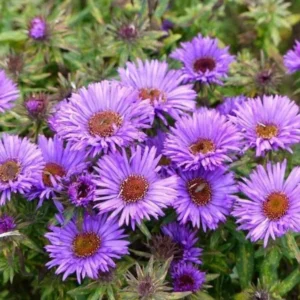
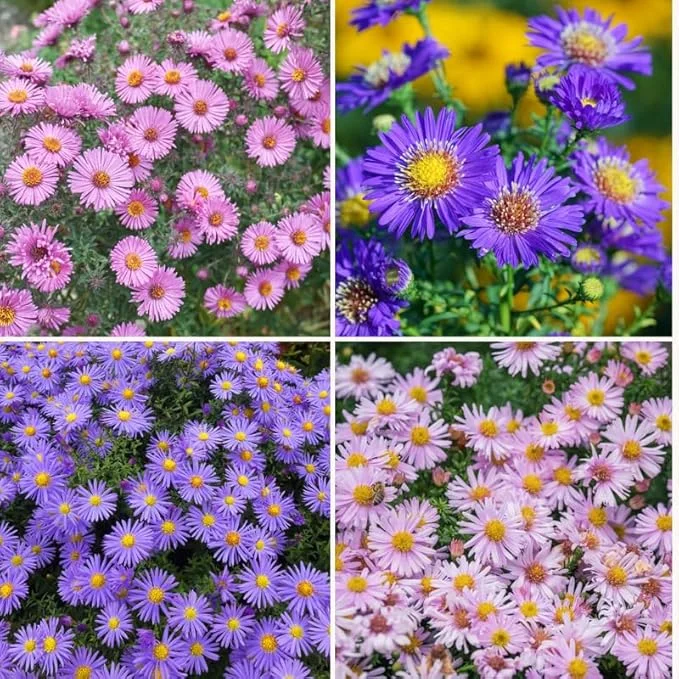
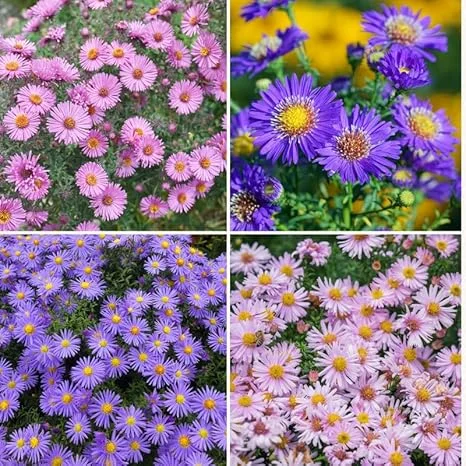
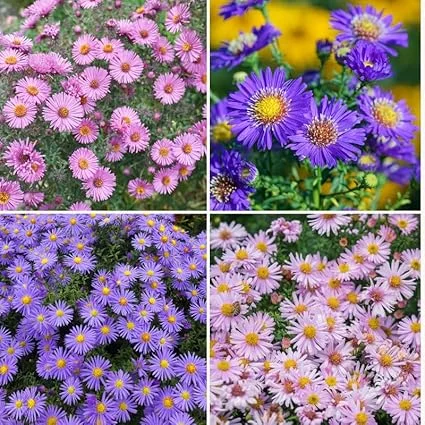
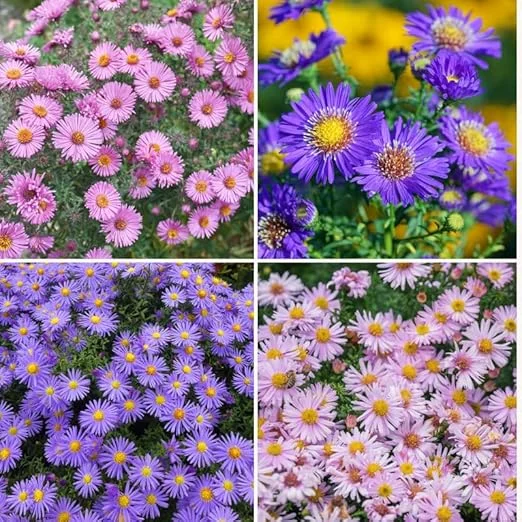
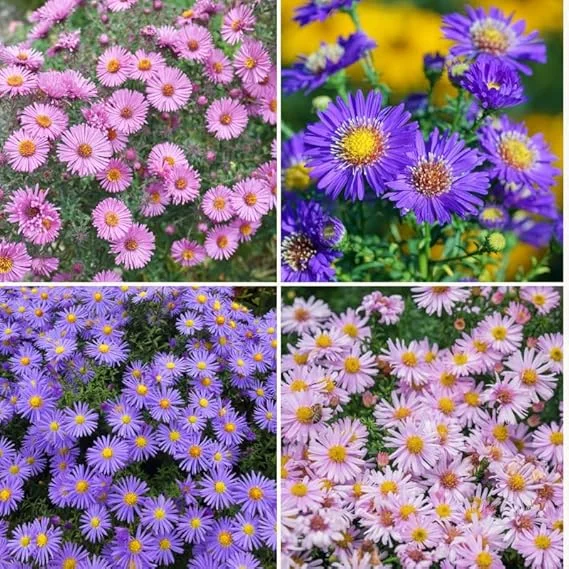
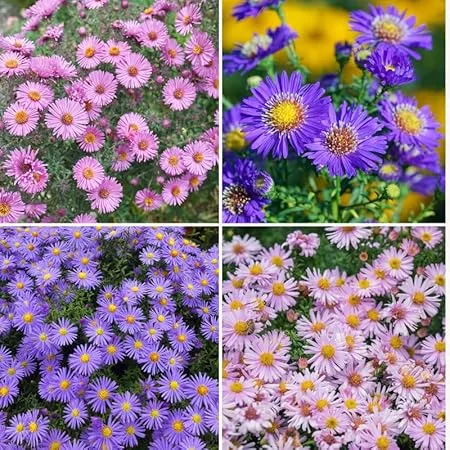
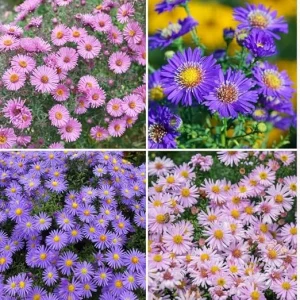
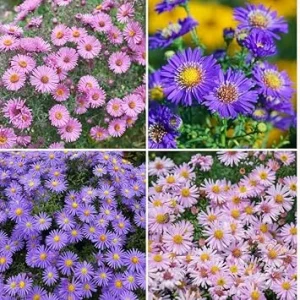
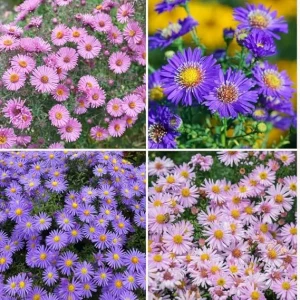
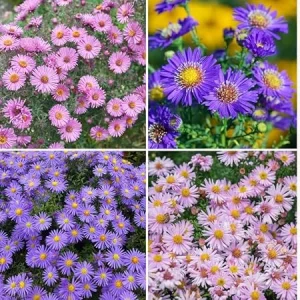
Transform your garden into a haven of color with our beautiful mixed aster perennial plants. This offering includes two vibrant live aster plants, each measuring between 3 to 6 inches tall, ready for planting directly into your garden. Asters are renowned for their stunning, daisy-like flowers that bloom profusely, typically in late summer and fall, providing crucial nectar for pollinators as other flowers fade. These hardy perennials are a fantastic choice for adding long-lasting beauty and ecological value to your landscape. Ideal for a variety of garden designs, these assorted asters will bring a delightful mix of hues to your outdoor areas, ensuring a spectacular display year after year. They are a cornerstone for anyone looking to create a thriving, low-maintenance garden.
Our mixed aster perennial plants are selected for their vigor and ability to thrive in a wide range of climates. As a live plant product, they arrive ready to be transplanted, allowing you to quickly establish a colorful and dynamic garden feature. Asters are a classic choice for cottage gardens, perennial borders, and naturalized areas, offering a charming, informal appeal. Their robust nature means they require minimal fuss once established, making them perfect for gardeners seeking beautiful results without constant attention. Consider these asters for their reliable blooms and ease of care, making them an excellent investment for any garden enthusiast.
Key Benefits
Investing in mixed aster perennial plants offers a multitude of advantages for your garden and local ecosystem. These plants are not only visually appealing but also contribute significantly to garden health and biodiversity. Here are some of the key benefits you will enjoy:
- Stunning Fall Blooms: Asters are celebrated for their spectacular late-season flowers, providing a burst of color when most other plants are winding down. This extends the visual interest of your garden well into autumn, offering a much-needed splash of vibrancy.
- Attracts Pollinators: The daisy-like flowers of asters are a magnet for bees, butterflies, and other beneficial insects. Planting asters provides a vital food source for these pollinators, especially in late summer and fall, helping to support local ecosystems.
- Hardy Perennials: These hardy aster flowers are cold-tolerant and designed to return bigger and fuller each year. Once established, you can count on them to reliably re-emerge, offering consistent beauty without the need for annual replanting.
- Low Maintenance: Asters are incredibly easy to care for, thriving with minimal intervention. They are an excellent choice for beginner gardeners or those with busy schedules, providing maximum impact for minimal effort. This makes aster plant care straightforward and rewarding.
- Versatile Landscaping: With their adaptable nature, asters are suitable for various garden applications. Use them in garden borders, along walkways, in rock gardens, or even in patio containers to add charm and color wherever it’s needed.
- Drought Tolerant: Once established, asters exhibit good drought tolerance, reducing the need for frequent watering. This makes them a sustainable choice for water-wise gardening.
- Disease Resistant: Many aster varieties are naturally resistant to common plant diseases, further simplifying their care and ensuring a healthy, thriving display throughout their growing season.
Plant Care & Growing Tips
Proper aster plant care ensures your mixed aster perennial plants thrive and provide abundant blooms. Asters are generally low-maintenance, but understanding their basic needs will help them flourish. They prefer a location with full sun to light shade, meaning at least 6 hours of direct sunlight per day for optimal flowering. While they can tolerate some shade, too much will result in fewer blooms and leggy growth. Ensure good air circulation around the plants to prevent fungal issues, especially in humid climates. When planting, dig a hole twice as wide as the root ball and just as deep, gently spreading the roots before backfilling with soil.
Watering is crucial, especially during the establishment phase. Keep the soil consistently moist but not waterlogged. Once established, asters are relatively drought-tolerant, but they will perform best with regular watering during dry spells. The ideal soil type is well-drained soil with a neutral to slightly acidic pH. Amending heavy clay soils with organic matter like compost can improve drainage and aeration. For fertilization, a balanced slow-release granular fertilizer applied in early spring can encourage vigorous growth and more blooms. Avoid excessive nitrogen, which can promote leafy growth at the expense of flowers. Pinching back young plants in late spring can encourage bushier growth and more flowers, and deadheading spent blooms can prolong the flowering season.
Asters are hardy in USDA Zones 3–9, making them suitable for a wide range of climates. In colder zones, a layer of mulch around the base of the plant in late fall can provide extra winter protection. Watch out for common pests like aphids and spider mites, which can be managed with insecticidal soap if necessary. Powdery mildew can sometimes be an issue, especially in humid conditions or with poor air circulation; choosing resistant varieties and ensuring proper spacing can help. With these simple tips, your mixed aster perennial plants will bring joy and beauty to your garden for many seasons to come. If you’re looking to buy aster plants online, consider these easy-to-grow varieties.
Size & Details
This offering includes a set of two mixed aster perennial plants, each arriving as a live starter plant. Each individual plant measures approximately 3 to 6 inches tall at the time of shipment. These plants are shipped without a pot, with their roots carefully protected for transplanting. Asters are known for their moderate to fast growth rate, and once established, they typically grow into a bushy mound ranging from 1 to 3 feet in height and spread, depending on the specific variety and growing conditions. They are perennial, meaning they will return each year, growing larger and more robust over time.
Expect these plants to establish themselves quickly in your garden. While they provide attractive foliage throughout the spring and summer, their main show begins in late summer to early fall when they burst into a spectacular display of colorful, daisy-like flowers. The exact bloom time can vary based on your climate and the specific aster varieties included in the mix. These plants are perfect for filling gaps in your perennial borders or adding a vibrant touch to containers. For those seeking low maintenance perennials that deliver consistent performance, these asters are an excellent choice.
Frequently Asked Questions
- Q: How big do these aster plants get? A: These are starter plants, arriving at 3 to 6 inches tall. Once established, most aster varieties grow to be 1 to 3 feet tall and wide, forming a beautiful bushy mound.
- Q: Is this an indoor or outdoor plant? A: These mixed aster perennial plants are outdoor plants. They thrive in garden beds, borders, and outdoor containers, preferring full sun to light shade.
- Q: How much sunlight does it need? A: Asters perform best with at least 6 hours of direct sunlight per day (full sun). They can tolerate light shade, but too much shade may result in fewer blooms.
- Q: Is this plant easy to care for? A: Yes, asters are considered very easy to care for and are an excellent choice for beginner gardeners. They are known for being low maintenance perennials.
- Q: What condition will it arrive in? A: Your mixed aster perennial plants will arrive as live starter plants, carefully packaged without a pot, with their roots protected for safe transit and immediate planting.
- Q: How long until it blooms? A: Asters typically bloom in late summer and fall, often from August through October. If planted in spring, you may see blooms in their first fall season.
- Q: When is the best time to plant asters? A: The best time to plant asters is in the spring after the last frost, or in early fall. This allows them to establish a strong root system before extreme weather.
- Q: Will it survive winter in my zone? A: These hardy aster flowers are perennial in USDA Zones 3–9, meaning they are built to withstand winter and return year after year in these regions.
- Q: What type of soil do asters prefer? A: Asters prefer well-drained soil. They are adaptable to various soil types but will struggle in heavy, waterlogged conditions.
- Q: Can I grow aster plants in containers? A: Yes, asters can be successfully grown in containers. Just ensure the container has good drainage and is large enough to accommodate the mature size of the plant.


Reviews
There are no reviews yet.