Overview
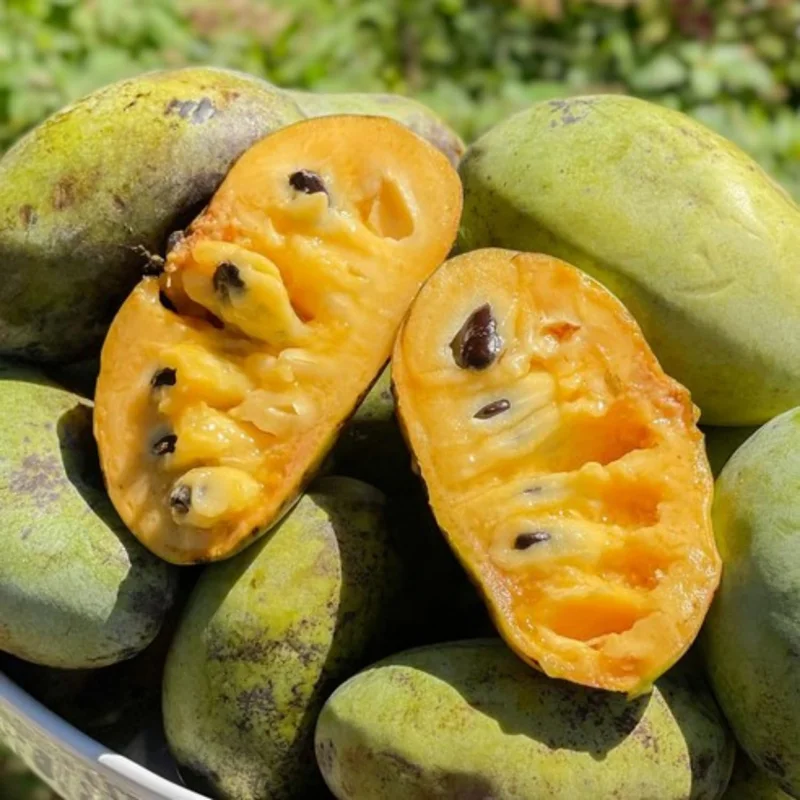
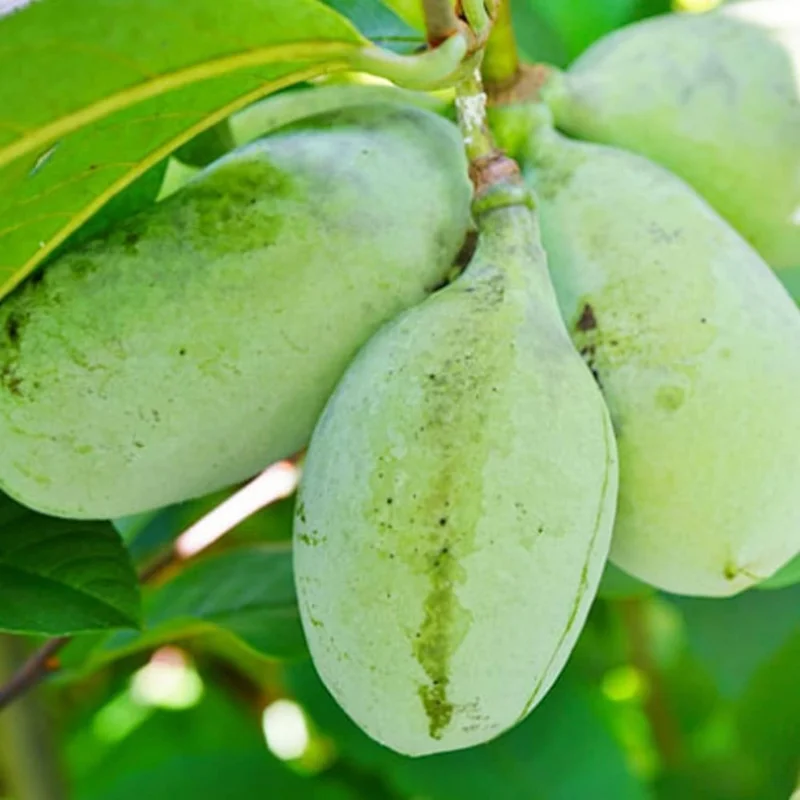
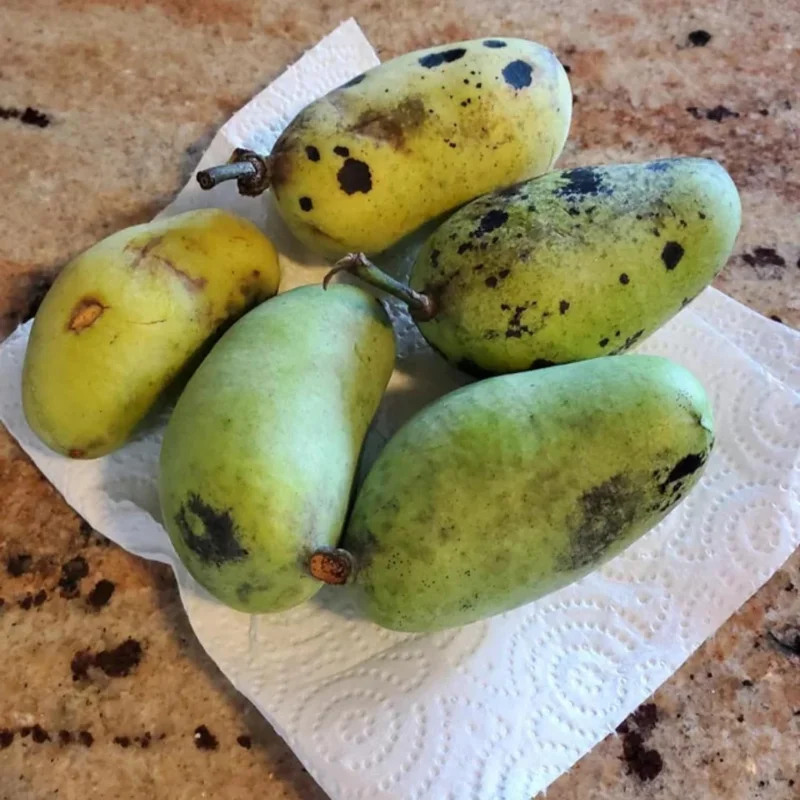
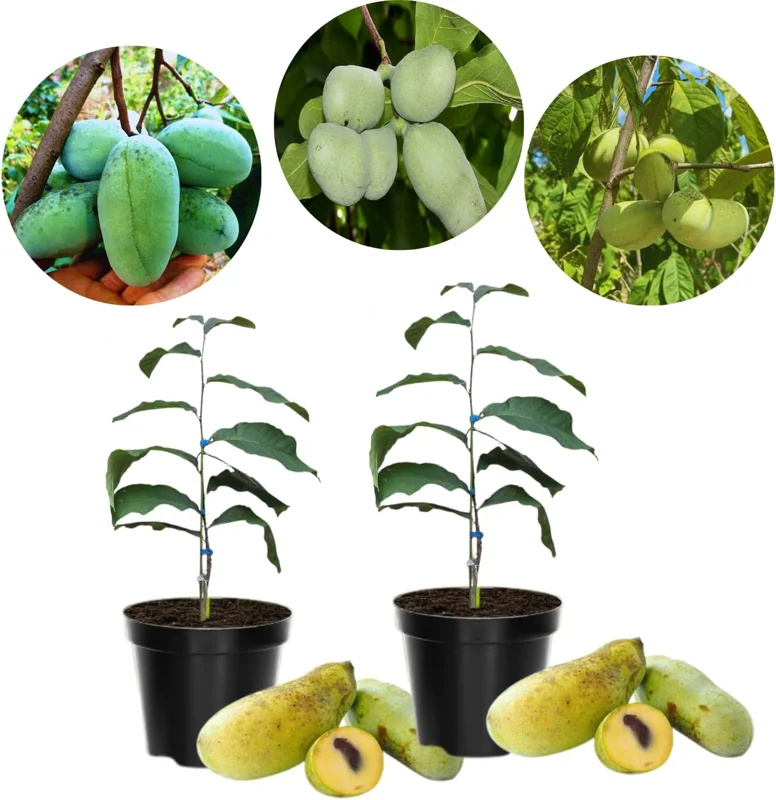
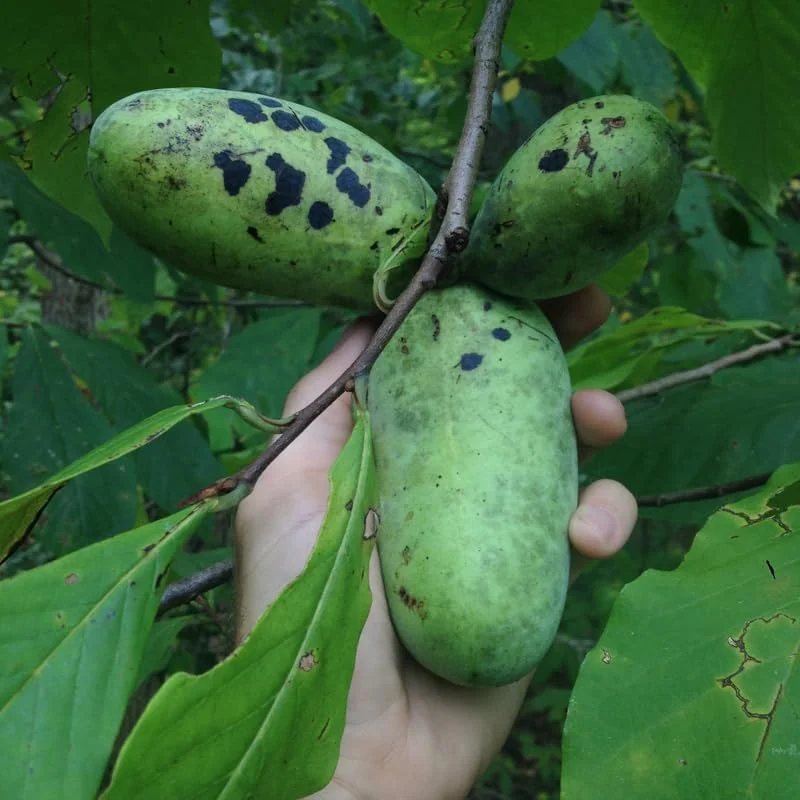
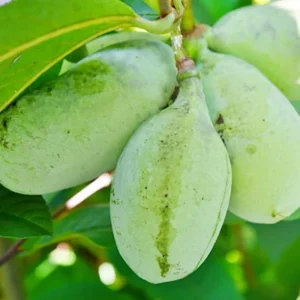
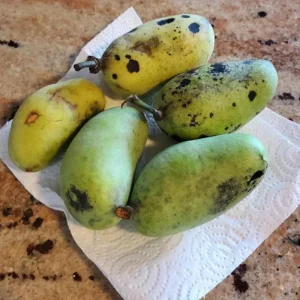
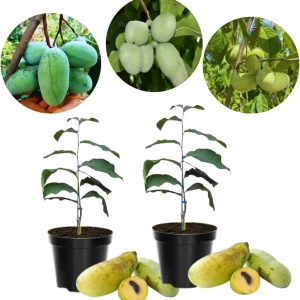
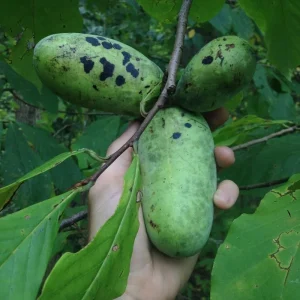
Embark on a unique gardening journey with our pawpaw tree live plant bare roots. This offering includes two healthy, hardy pawpaw plants, each measuring 6 to 12 inches tall, perfect for establishing your own native fruit orchard. Pawpaws (Asimina triloba) are America’s largest native fruit, known for their creamy, tropical-like flavor, often compared to a banana-mango custard. These deciduous trees thrive in a variety of climates and are a fantastic addition to any garden or homestead looking to grow delicious, uncommon fruit. Our hardy pawpaw bare roots are carefully prepared for shipping, ensuring they arrive ready for successful planting and growth.
Growing pawpaw tree live plant bare roots is a rewarding experience, providing both an attractive landscape tree and an abundance of unique fruit. These trees are known for their resilience and ability to adapt to different soil conditions once established. With proper care, these young plants will develop into mature trees capable of producing a bountiful harvest, allowing you to enjoy fresh, organic pawpaw fruit straight from your backyard.
Key Benefits
Adding a pawpaw tree live plant to your garden offers numerous advantages beyond just delicious fruit:
- Unique Fruit Production: Enjoy the distinct, tropical flavor of pawpaw fruit, a rare and delightful treat not commonly found in grocery stores. Growing your own ensures freshness and organic quality.
- Native and Hardy: As a native North American tree, the pawpaw is incredibly resilient and well-adapted to local climates, requiring less intensive care than many non-native fruit trees. This makes it an excellent choice for a sustainable garden.
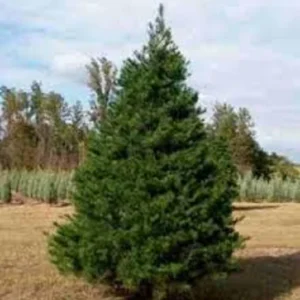
- Attractive Landscape Addition: Beyond its fruit, the pawpaw tree boasts attractive foliage and a pleasing pyramidal shape, making it a beautiful ornamental addition to your yard. Its large leaves provide excellent shade.
- Wildlife Friendly: Pawpaw trees serve as a host plant for the beautiful zebra swallowtail butterfly, attracting beneficial insects and adding ecological value to your garden. The fruit also provides food for local wildlife.
- Relatively Low Maintenance: Once established, pawpaw trees are known for their low maintenance requirements, being relatively pest and disease resistant. This makes them ideal for gardeners seeking productive yet easy-care fruit trees.
- Adaptable to Various Soils: While they prefer fertile, well-draining soil, pawpaws can tolerate a range of soil types, showing good adaptability in different garden settings. This flexibility helps grow pawpaw trees successfully in many areas.
- Good for Forest Gardens: Pawpaws naturally thrive as understory trees, making them perfectly suited for integration into forest garden designs or shaded areas where other fruit trees might struggle.
Plant Care & Growing Tips
To successfully grow pawpaw trees from bare roots, proper planting and initial care are crucial. Choose a site with full sun to partial shade; while they can tolerate some shade, more sun generally leads to better fruit production. Ensure the soil is well-draining and rich in organic matter. Dig a hole wide enough to accommodate the root system without bending, and deep enough so the crown of the plant is at soil level. Gently spread the roots outwards before backfilling with soil.
After planting your pawpaw tree live plant, water thoroughly to settle the soil around the roots. Consistent moisture is vital during the first year of establishment, so water regularly, especially during dry spells. Mulching around the base of the tree with organic material like wood chips helps retain soil moisture, suppress weeds, and regulate soil temperature. Pawpaws prefer slightly acidic to neutral soil (pH 5.5-7.0). Fertilize sparingly in the first year; established trees benefit from a balanced granular fertilizer in early spring. These plants are hardy in USDA Zones 5 to 9, tolerating cold winters and hot summers. Protection from deer or other browsing animals may be necessary for young trees.
Pawpaw trees are generally self-incompatible, meaning you’ll need at least two genetically different trees for cross-pollination and fruit production. Planting this set of two bare roots increases your chances of successful fruit set. Pruning is usually minimal, focused on removing dead or crossing branches to maintain good air circulation and shape. Watch out for any signs of pest or disease, though pawpaws are relatively resistant. With these tips, you’ll be well on your way to enjoying your own harvest of pawpaw fruit tree delights.
Size & Details
This offering includes a set of two pawpaw tree live plant bare roots, each plant typically ranging from 6 to 12 inches tall upon arrival. Bare roots are a cost-effective and efficient way to establish fruit trees, as they are dormant and ready to burst into growth once planted. At maturity, these pawpaw trees are expected to reach a height of 15 to 30 feet, forming an attractive and productive addition to your landscape. The growth rate is moderate, with significant development occurring in the first few years after planting.
These plants are suitable for USDA Hardiness Zones 5 through 9, indicating their robust nature and ability to withstand a wide range of temperate climates. You will receive the bare roots without a pot, allowing for direct planting into your garden or a larger container if desired. Expect your pawpaw trees to begin producing fruit within 3-5 years after planting, depending on growing conditions and care. The size and vigor of these young plants provide an excellent foundation for a long-lived and fruitful pawpaw orchard. For optimal fruit production, ensure you are planting at least two distinct varieties for cross-pollination, ideally spaced 15-20 feet apart.
Frequently Asked Questions
- Q: How big will the pawpaw tree live plant get? A: At maturity, these pawpaw tree live plant specimens can reach a height of 15 to 30 feet, forming a beautiful and productive tree in your landscape. Their spread can be considerable, so allow ample space.
- Q: Is this an indoor or outdoor plant? A: The pawpaw tree live plant is an outdoor tree, well-suited for temperate climates. It requires significant space and sunlight to thrive and produce fruit.
- Q: How much sunlight does a pawpaw tree need? A: While young pawpaw trees prefer some afternoon shade, mature trees thrive in full sun for best fruit production. Aim for at least 6-8 hours of direct sunlight per day once established.
- Q: What condition will the bare roots arrive in? A: Your hardy pawpaw bare roots will arrive dormant and carefully packaged to ensure their health. They will not have leaves or soil, as is typical for bare root plants, and should be planted as soon as possible after arrival.
- Q: How long until the pawpaw tree produces fruit? A: Typically, a pawpaw fruit tree will begin producing fruit within 3 to 5 years after planting, given optimal growing conditions and successful cross-pollination from another pawpaw tree.
- Q: Do I need more than one pawpaw plant to get fruit? A: Yes, pawpaw trees are generally self-incompatible, meaning you will need at least two genetically different pawpaw trees for successful cross-pollination and fruit production. This set of two bare roots is a great start.
- Q: What USDA zones are these pawpaw trees suitable for? A: These pawpaw tree live plant bare roots are hardy and suitable for growing in USDA Hardiness Zones 5 through 9, making them adaptable to a wide range of climates across the United States.
- Q: What kind of soil is best for pawpaw trees? A: Pawpaw trees prefer fertile, well-draining soil with a slightly acidic to neutral pH. Amending heavy clay soils with organic matter can improve drainage and provide essential nutrients for healthy growth.
- Q: Is this plant easy to care for? A: Once established, grow pawpaw trees are relatively low-maintenance. Initial care involves consistent watering and protection for young plants, but mature trees are quite resilient and pest-resistant.
- Q: When is the best time to plant pawpaw bare roots? A: The best time to plant pawpaw bare roots is in late winter or early spring, before the trees break dormancy. This allows them to establish their root system before the stress of summer heat.


Reviews
There are no reviews yet.