Overview
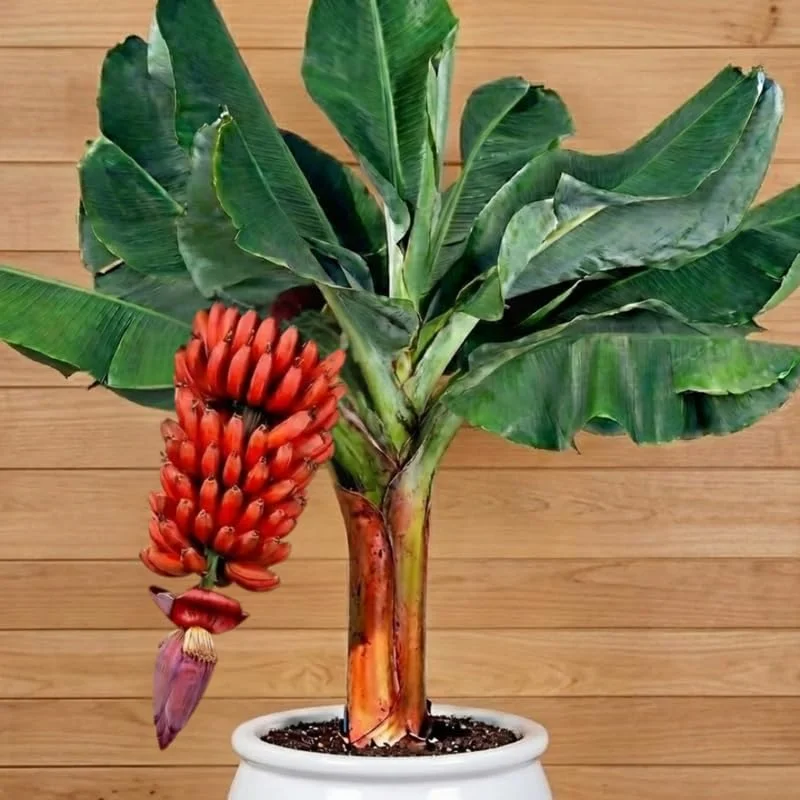
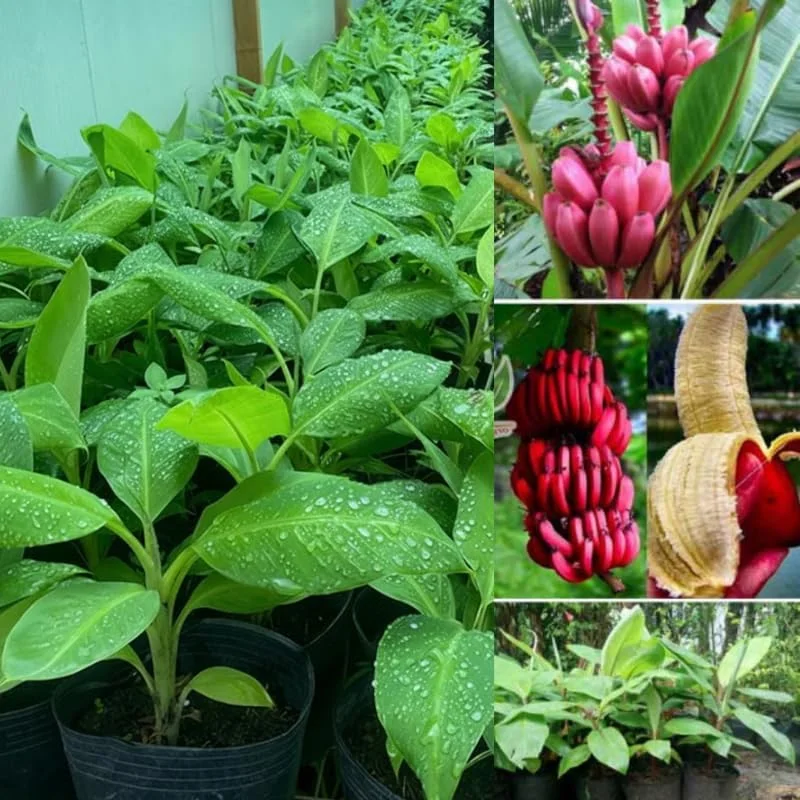
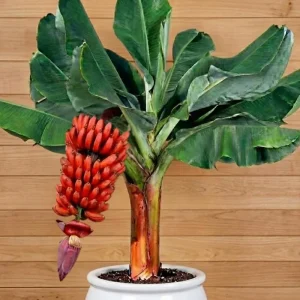
Introduce an exotic flair to your landscape with the captivating red cuban banana plant. This live specimen offers a unique opportunity to cultivate a distinctive Musa variety known for its vibrant red-tinged foliage and potential for delicious fruit. Originating from tropical regions, this particular banana plant is celebrated for its surprising cold hardiness, making it suitable for a wider range of climates than many other banana varieties. Whether you’re an experienced gardener or a budding enthusiast, growing a red cuban banana plant can be a rewarding experience, transforming your patio or garden into a lush, tropical haven. Each plant is carefully nurtured to ensure it arrives healthy and ready for successful establishment in your home or garden.
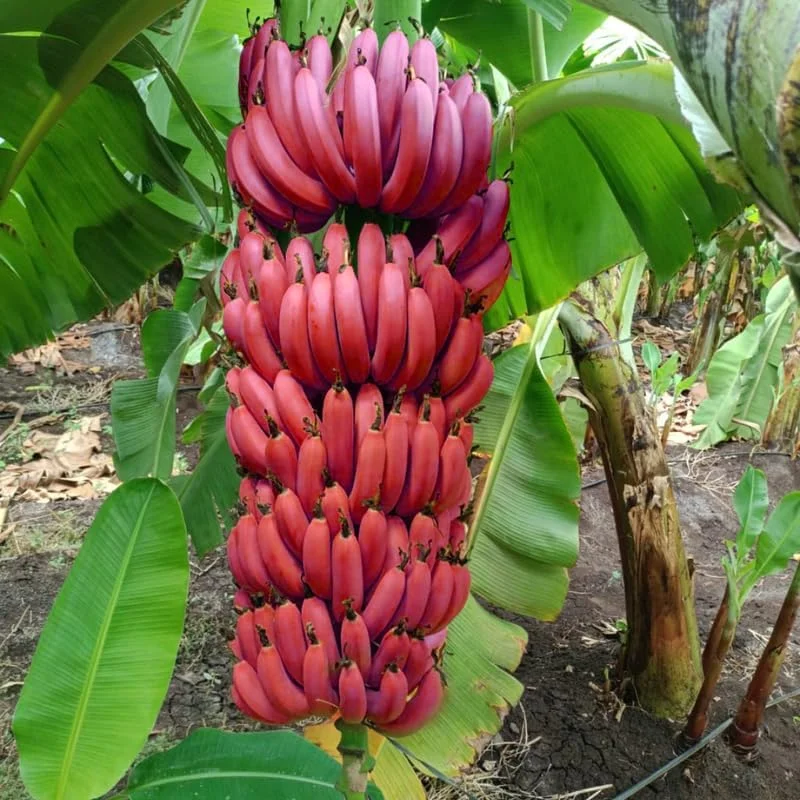
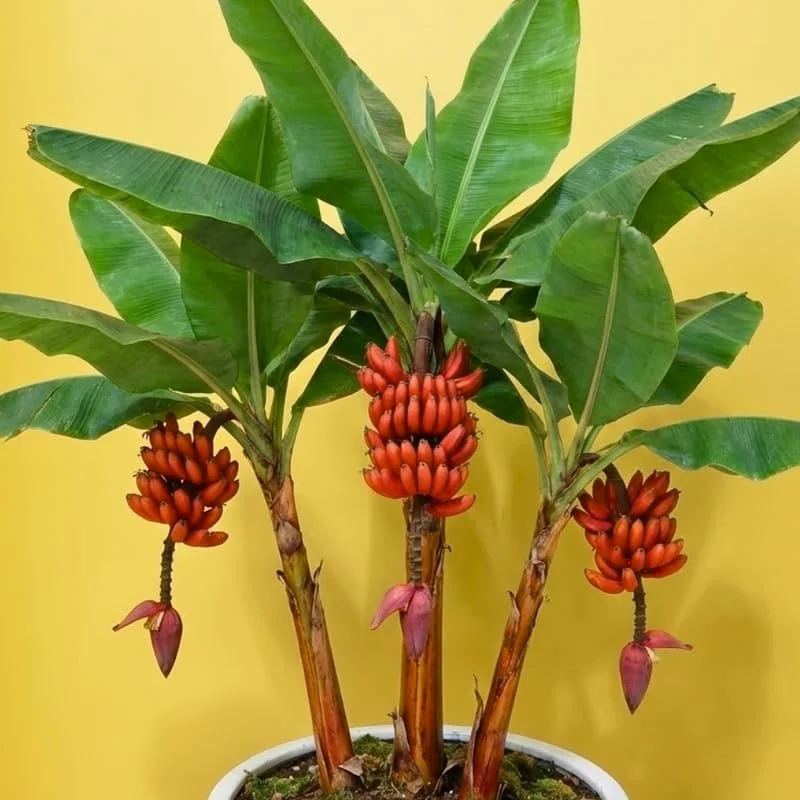
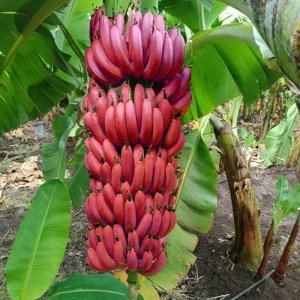
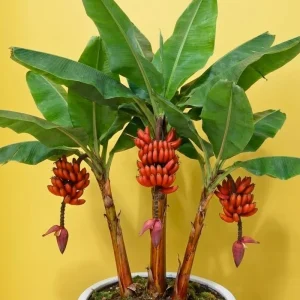
Cultivating a musa plant live brings not only aesthetic beauty but also the promise of homegrown bananas. This variety, often referred to as ‘Red Dacca’ or ‘Red Banana’, is known for its sweet, creamy fruit that ripens to a beautiful reddish-purple hue. The plant itself is a striking ornamental, boasting large, paddle-shaped leaves that can add dramatic texture and color to any setting. Its relatively compact size compared to some other banana trees also makes it a versatile choice for various garden designs or even large container planting.
Key Benefits
The red cuban banana plant offers a multitude of benefits, from its stunning visual appeal to its potential for providing sweet, homegrown fruit. It’s an excellent choice for gardeners looking for something out of the ordinary:
- Exotic Visual Appeal: The large, lush leaves and distinctive reddish tones of this banana plant create a dramatic, tropical focal point in any garden or indoor space. Its unique appearance sets it apart from common foliage plants.
- Cold Hardy Nature: Unlike many tropical banana varieties, this cold hardy banana plant can withstand cooler temperatures, extending its growing range and making it more accessible to gardeners in temperate climates.
- Potential for Delicious Fruit: With proper care and conditions, you can enjoy harvesting your own sweet, nutrient-rich red bananas, offering a unique culinary experience right from your backyard.
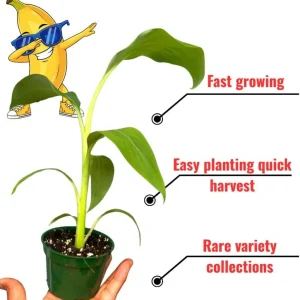
- Fast Growing: Banana plants are known for their rapid growth, meaning you won’t have to wait long to see significant development and enjoy the lush canopy this plant provides.
- Versatile Planting Options: Suitable for both outdoor planting in warmer zones and container growing, allowing it to be moved indoors during winter in colder regions, ensuring its survival year after year.
- Air Purifying Qualities: Like many large-leaved plants, the musa plant live contributes to improving air quality by absorbing carbon dioxide and releasing oxygen, creating a healthier living environment.
- Low Maintenance (once established): After its initial planting and establishment, this banana tree requires relatively straightforward care, making it a manageable addition to most garden routines.
Plant Care & Growing Tips
Successfully growing your red cuban banana plant involves understanding its specific needs for light, water, and soil. These plants thrive in conditions that mimic their tropical origins, but their cold hardiness provides some flexibility. For optimal growth and fruit production, select a site that receives plenty of sunlight. Banana plants prefer at least 6-8 hours of direct sun per day. In very hot climates, some afternoon shade can be beneficial to prevent leaf scorch, but generally, more sun equals more robust growth.
Watering is crucial for a cold hardy banana plant. They are heavy feeders and drinkers. The soil should be consistently moist but never waterlogged. During warm, active growing periods, you may need to water daily, especially if planted in containers. Reduce watering in cooler months or when the plant is dormant. Well-draining soil is paramount to prevent root rot; a rich, loamy soil with plenty of organic matter is ideal. Amend heavy clay soils with compost and sand to improve drainage, or sandy soils with compost to improve water retention. Fertilize regularly during the growing season (spring through fall) with a balanced, slow-release fertilizer or a liquid feed high in potassium to encourage fruit development. Protect your rare banana plant from strong winds, which can shred the large leaves.
Regarding temperature, while this is a cold hardy banana plant, it will still benefit from protection in regions with harsh winters. It can tolerate temperatures down to freezing for short periods, but sustained cold below 28-30°F (-2 to -1°C) can cause damage. In USDA zones where winter temperatures drop significantly, consider mulching heavily around the base or bringing container-grown plants indoors. When planting, ensure the soil level is the same as it was in the nursery pot. Give your plant ample space to grow, as mature banana plants can spread considerably.
Size & Details
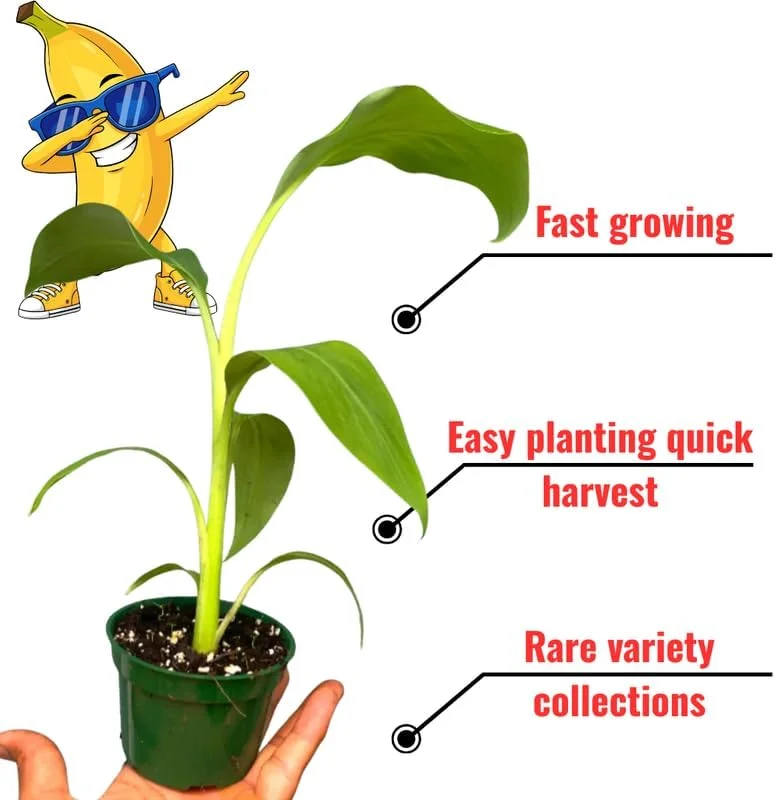
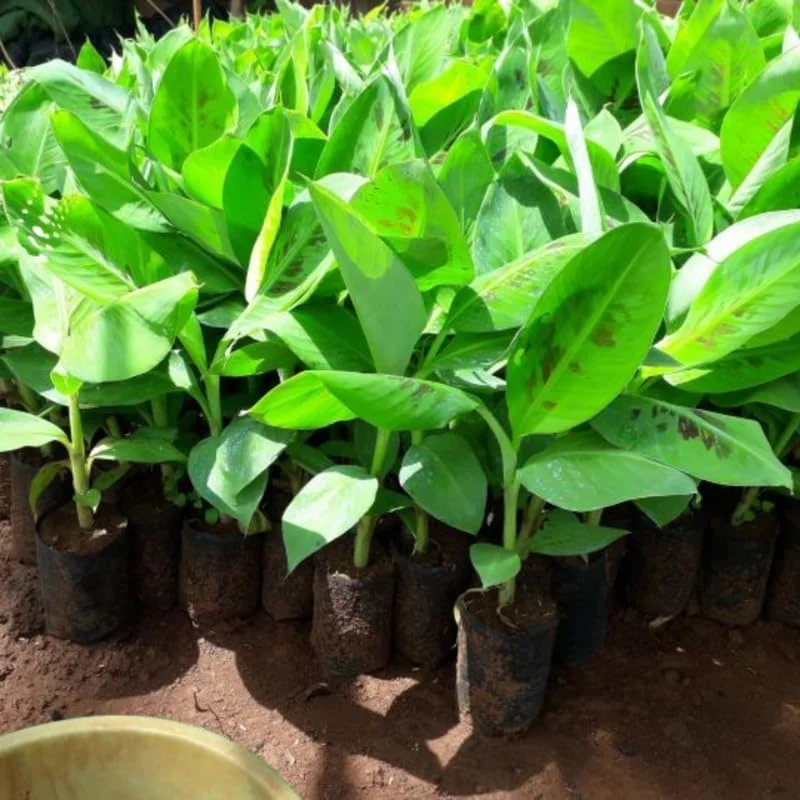
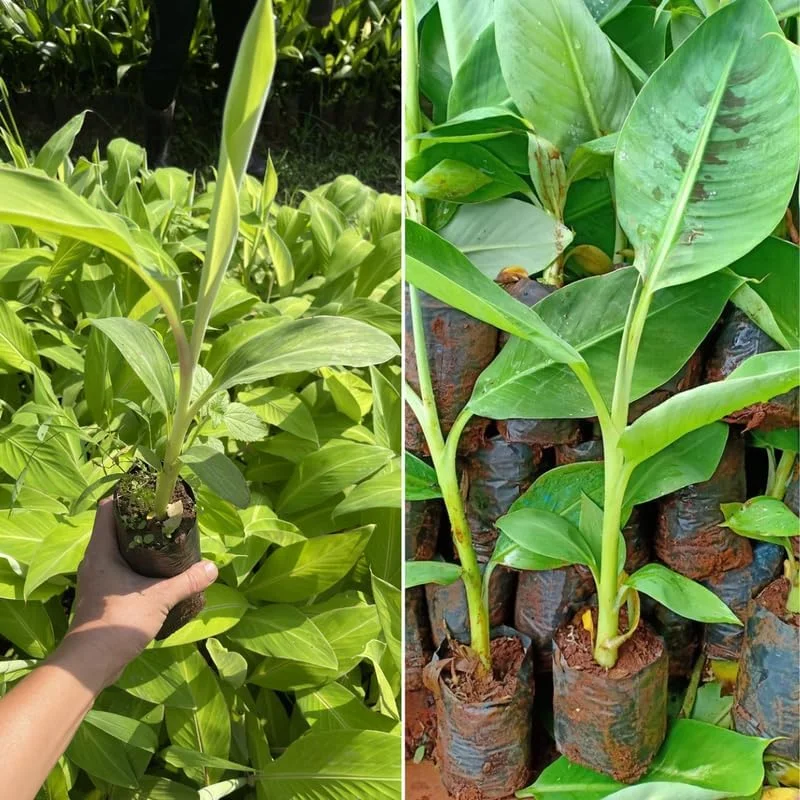
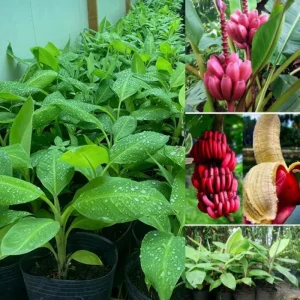
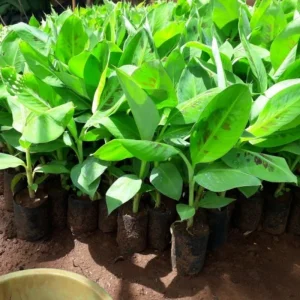
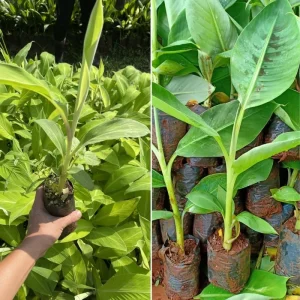
This offering is for one red cuban banana plant, a live specimen measuring approximately 4-7 inches in height upon arrival. These young plants are shipped without a pot, as a bare root or with minimal soil around the root ball, carefully packaged to ensure safe transit. This allows for easier and more efficient planting directly into your chosen garden spot or a larger container. The plant is expected to grow rapidly under ideal conditions, quickly developing its signature large, paddle-shaped leaves. While exact mature size varies based on climate and care, this variety typically reaches heights of 8-10 feet in optimal outdoor conditions, with a similar spread of its leaves.
The rare banana plant typically begins to produce fruit within 1-2 years of planting, provided it receives adequate sunlight, nutrients, and warmth. Its growth rate is considered fast, allowing you to enjoy a mature, fruit-bearing plant relatively quickly. When selecting a container for indoor or patio growing, choose one that is at least 15-20 gallons in capacity to accommodate its vigorous root system and future growth. This plant is a fantastic choice for those looking for a unique and productive addition to their edible landscape or a striking ornamental feature.
Frequently Asked Questions
- Q: How big does this plant get? A: This red cuban banana plant typically grows to an impressive height of 8-10 feet in optimal outdoor conditions, with a similar spread of its large leaves. Its size can be somewhat managed through pruning and container growing.
- Q: What size pot does it come in? A: This particular offering is for a live plant measuring 4-7 inches tall, shipped without a pot. It will arrive as a bare root or with a small amount of soil around the root ball, ready for immediate planting.
- Q: Is this an indoor or outdoor plant? A: This cold hardy banana plant can be grown outdoors in warmer climates (USDA zones 8-11 typically) or in containers that can be moved indoors during colder months in temperate regions. It adapts well to both environments with proper care.
- Q: How much sunlight does it need? A: For best growth and fruit production, the musa plant live requires a minimum of 6-8 hours of direct sunlight per day. In very hot climates, some afternoon shade can be beneficial to protect the leaves.
- Q: Is this plant easy to care for? A: While banana plants are heavy feeders and drinkers, they are generally considered moderately easy to care for once established. Consistent watering, regular fertilization, and protection from severe cold are key to its success.
- Q: What condition will it arrive in? A: Your red cuban banana plant will arrive carefully packaged as a young, live specimen, approximately 4-7 inches tall, with its roots protected. It’s normal for some leaves to be trimmed for shipping.
- Q: How long until it blooms or fruits? A: Under ideal growing conditions, you can expect this banana plant to start producing fruit within 1-2 years after planting. Fruit production is dependent on sufficient warmth, sunlight, and nutrients.
- Q: Will it survive winter in my zone? A: This is a cold hardy banana plant, meaning it can tolerate temperatures down to freezing for short periods. In zones below 8, it’s best to provide winter protection, such as heavy mulching or bringing container plants indoors.
- Q: What is the best soil type for this banana plant? A: This banana plant thrives in rich, well-draining, slightly acidic to neutral soil. Amending your soil with plenty of organic compost will provide the necessary nutrients and structure.
- Q: Can I grow this plant indoors permanently? A: Yes, you can grow this rare banana plant indoors permanently in a very large container, provided it receives ample bright light, ideally from a south-facing window or with supplemental grow lights. Consistent watering and humidity are also important.


Reviews
There are no reviews yet.