Overview
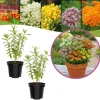
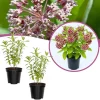
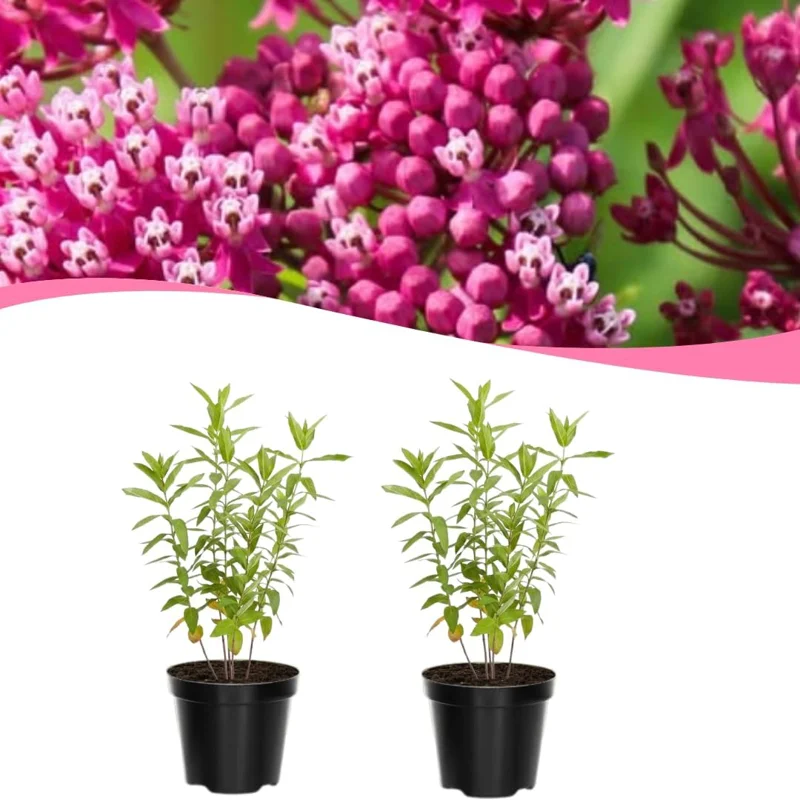
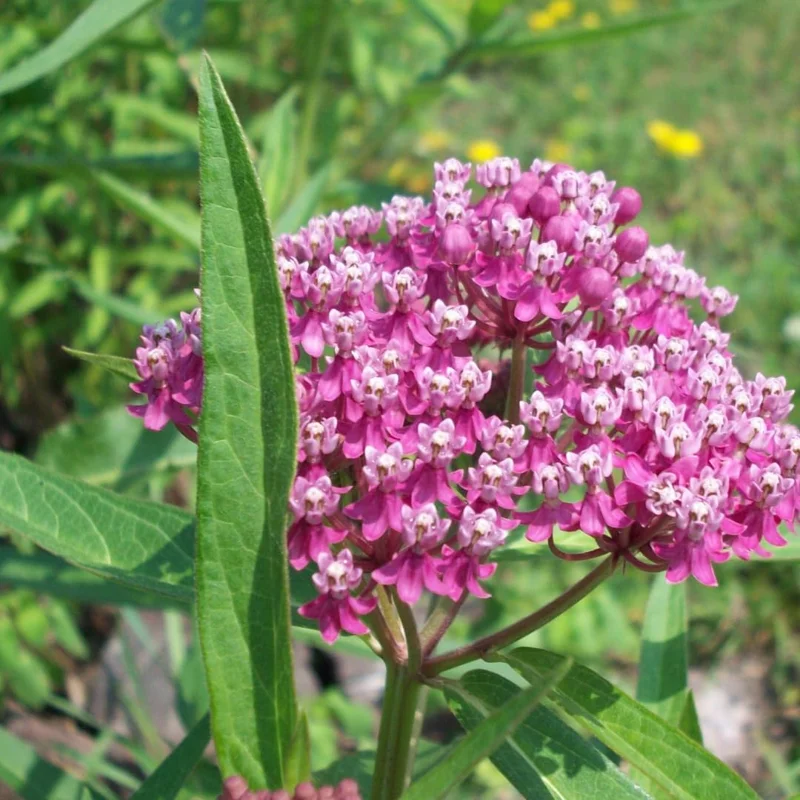
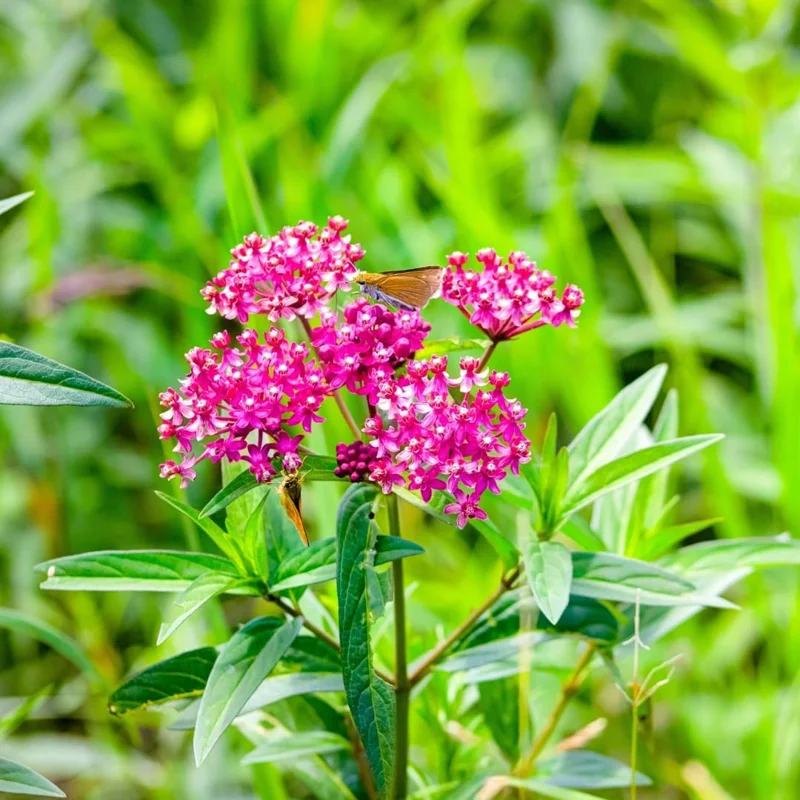
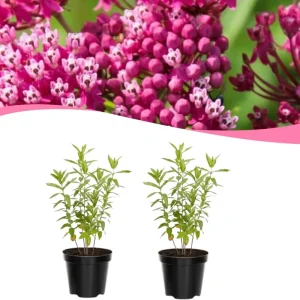
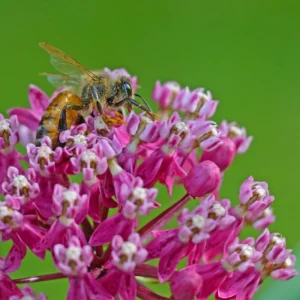
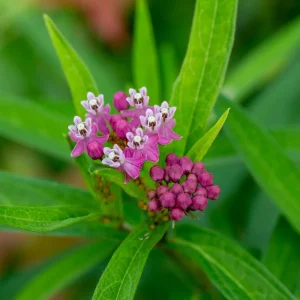
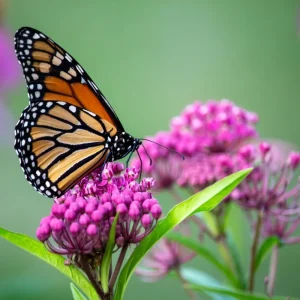
Transform your garden into a haven for pollinators with this exquisite set of two milkweed live plant specimens. Specifically, these are Asclepias Tuberosa plants, commonly known as Butterfly Milkweed, renowned for their vibrant orange flowers and crucial role in supporting monarch butterfly populations. Each plant arrives at a healthy 5-8 inches tall, ready to thrive in its new environment. These perennial beauties are not only a visual delight but also an ecological asset, providing essential nectar for various pollinators and acting as the sole host plant for monarch butterfly caterpillars. Investing in a milkweed live plant means contributing to biodiversity and enjoying the lively dance of butterflies in your own backyard.
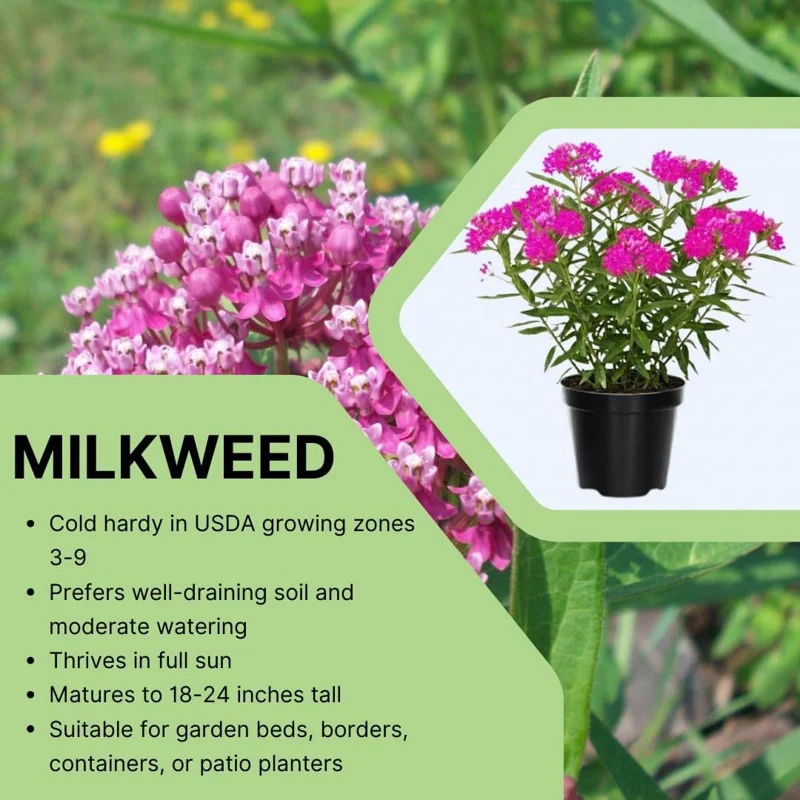
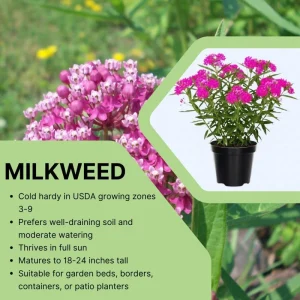
Our milkweed live plant offerings are carefully cultivated to ensure robust growth and ease of establishment. Whether you’re a seasoned gardener or just starting, these plants are forgiving and rewarding. They are perfect for adding a splash of color to garden beds, borders, containers, or patio planters. Their adaptability makes them suitable for a wide range of climates, particularly cold hardy in USDA growing zones 3-9, ensuring they return year after year to grace your landscape with their charm and ecological benefits.
Key Benefits
Bringing a milkweed live plant into your garden offers a multitude of advantages, from aesthetic appeal to significant ecological contributions. These benefits make them a must-have for any garden enthusiast.
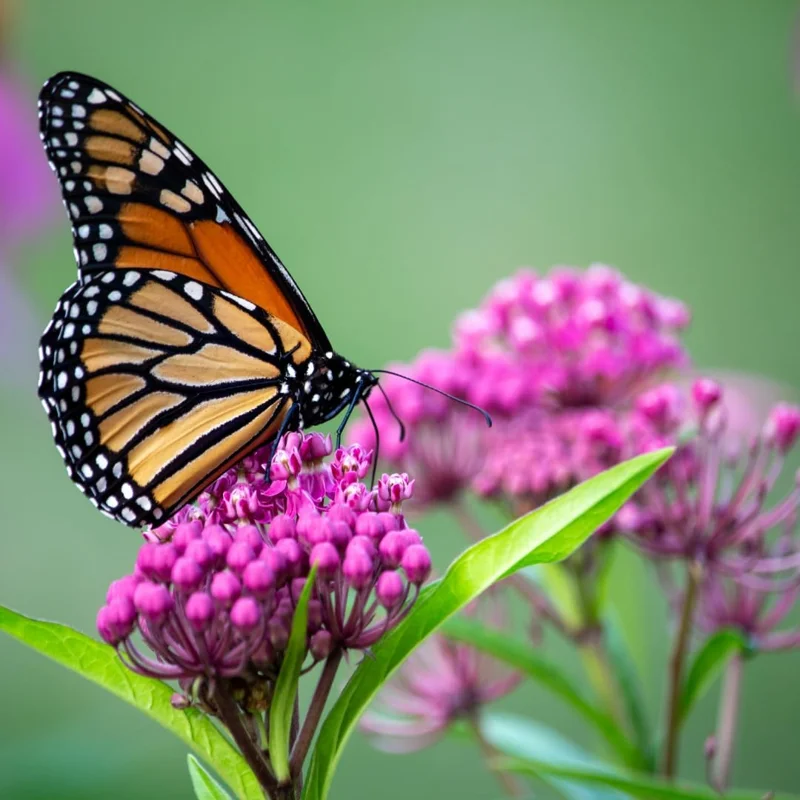
- Pollinator Magnet: The primary benefit of planting Asclepias Tuberosa plants is their unparalleled ability to attract monarch butterflies and other beneficial pollinators. The bright flowers serve as a rich source of nectar, crucial for their survival.
- Monarch Butterfly Host Plant: These plants are the exclusive food source for monarch caterpillars, making them vital for the monarch life cycle. By planting milkweed, you directly support monarch conservation efforts.
- Low Maintenance & Drought Tolerant: Once established, perennial milkweed is remarkably low maintenance. It prefers well-draining soil and moderate watering, becoming quite drought-tolerant, making it an excellent choice for water-wise gardening.
- Cold Hardy & Perennial: Suitable for USDA zones 3-9, these plants are cold hardy and will return year after year, offering continuous beauty and ecological support without the need for annual replanting.
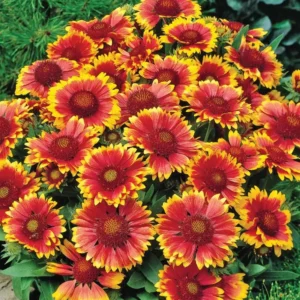
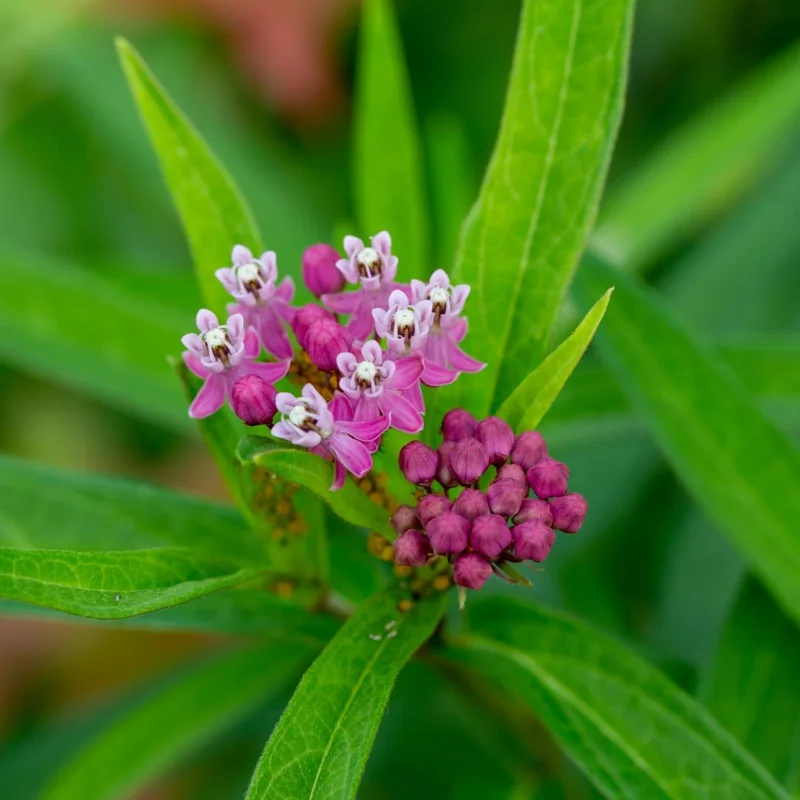
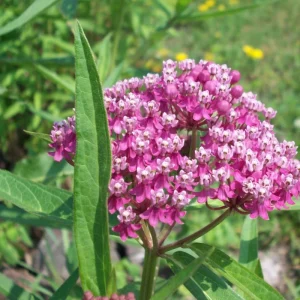
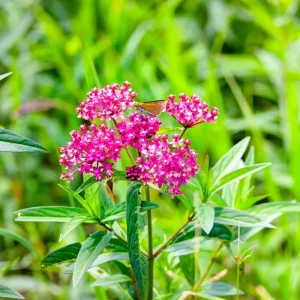
- Vibrant Garden Aesthetic: The striking orange blooms of Asclepias Tuberosa plants add a stunning burst of color to any garden, enhancing visual appeal and creating a lively, dynamic outdoor space.
- Versatile Planting Options: These plants are suitable for various settings, including garden beds, borders, containers, or patio planters, offering flexibility in garden design.
Plant Care & Growing Tips
Caring for your milkweed live plant is straightforward, ensuring a thriving display of flowers and a bustling pollinator garden. These resilient plants are quite adaptable but perform best with specific conditions. For optimal growth, plant your Asclepias Tuberosa plants in a location that receives full sun, meaning at least 6-8 hours of direct sunlight per day. This ensures vigorous growth and abundant flowering. While they can tolerate some partial shade, full sun will yield the most spectacular results. When considering butterfly milkweed care, proper light exposure is paramount.
Watering should be moderate; these plants prefer well-draining soil and do not like to sit in soggy conditions. Allow the soil to dry out slightly between waterings. Overwatering can lead to root rot, so it’s better to err on the side of underwatering once established. The ideal soil type is well-drained, sandy, or loamy soil. They are not particular about soil fertility, often thriving in poorer soils where other plants struggle. A key aspect of perennial milkweed success is ensuring good drainage. As for temperature, these plants are cold hardy in USDA zones 3-9, meaning they can withstand freezing temperatures and will re-emerge in spring. Fertilization is generally not necessary, especially in rich soils. If your soil is very poor, a light application of a balanced, slow-release granular fertilizer in spring can encourage growth, but avoid over-fertilizing.
Common problems are few for these robust plants. Aphids might occasionally appear, but a strong spray of water or natural predators usually keeps them in check. Avoid using systemic pesticides, as these can harm the monarch caterpillars that rely on milkweed. Regular deadheading of spent blooms can encourage more flowering and prevent excessive self-seeding, though allowing some seed pods to mature is beneficial for future generations of milkweed and for providing seeds to share. Understanding milkweed for pollinators means embracing a more natural, less interventionist approach to gardening.
Size & Details
This offering includes a set of two healthy milkweed live plant specimens, each standing approximately 5-8 inches tall upon arrival. These young Asclepias Tuberosa plants are actively growing and ready for transplanting into your garden or larger containers. They are shipped as live plants in their nursery pots, ensuring minimal transplant shock. When mature, these perennial milkweed plants typically reach a height of 18-24 inches with a similar spread, forming attractive clumps of upright stems. Their growth rate is moderate, establishing quickly in suitable conditions and flowering in their first or second year. Expect vibrant orange flowers to appear from early summer through fall, providing continuous nectar for pollinators.
The plants are suitable for a variety of planting environments, from expansive garden beds to compact patio containers. They are cold hardy, making them a reliable perennial choice for many regions. The mature size makes them ideal for the middle or front of a border, or as a focal point in a pollinator garden. Each plant contributes significantly to attracting milkweed for pollinators, making your garden a lively and ecologically valuable space. They are shipped with care to ensure they arrive in excellent condition, ready to flourish.
Frequently Asked Questions
- Q: How big does this milkweed live plant get? A: Your milkweed live plant will arrive 5-8 inches tall and mature to a height of 18-24 inches with a similar spread, forming a robust clump.
- Q: Is this an indoor or outdoor plant? A: While they can be started indoors, Asclepias Tuberosa plants are primarily outdoor perennial plants, thriving in full sun in garden beds, borders, or large containers.
- Q: How much sunlight do these Asclepias Tuberosa plants need? A: These plants require full sun, meaning at least 6-8 hours of direct sunlight per day, for optimal growth and flowering.
- Q: Is this plant easy to care for? A: Yes, butterfly milkweed care is relatively easy. Once established, they are low maintenance, drought-tolerant, and generally disease and pest-free.
- Q: What condition will the milkweed live plant arrive in? A: Your plants will arrive as healthy, actively growing live plants in their nursery pots, carefully packaged to ensure freshness and minimize stress during transit.
- Q: When is the best time to plant perennial milkweed? A: The best time to plant is in spring after the last frost, or in early fall. This allows the plant to establish its root system before extreme weather.
- Q: Will this milkweed for pollinators survive winter in my zone? A: These plants are cold hardy in USDA zones 3-9, meaning they are well-equipped to survive winter in these regions and will return in spring.
- Q: What kind of soil does this plant prefer? A: They prefer well-draining soil, such as sandy or loamy soil. Good drainage is crucial to prevent root rot.
- Q: Are these plants beneficial for other insects besides monarch butterflies? A: Absolutely! While crucial for monarchs, Asclepias Tuberosa plants also attract a wide variety of other beneficial insects, including bees and other butterflies, making them excellent for general milkweed for pollinators.
- Q: How often should I water my milkweed live plant? A: Water moderately, allowing the soil to dry out slightly between waterings. Established plants are quite drought-tolerant and need less frequent watering.


Reviews
There are no reviews yet.