Overview
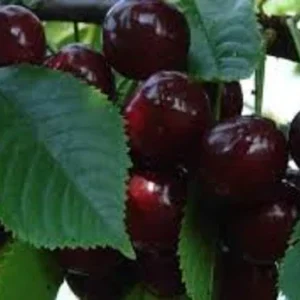
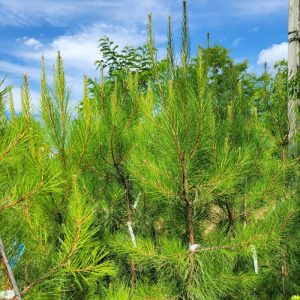
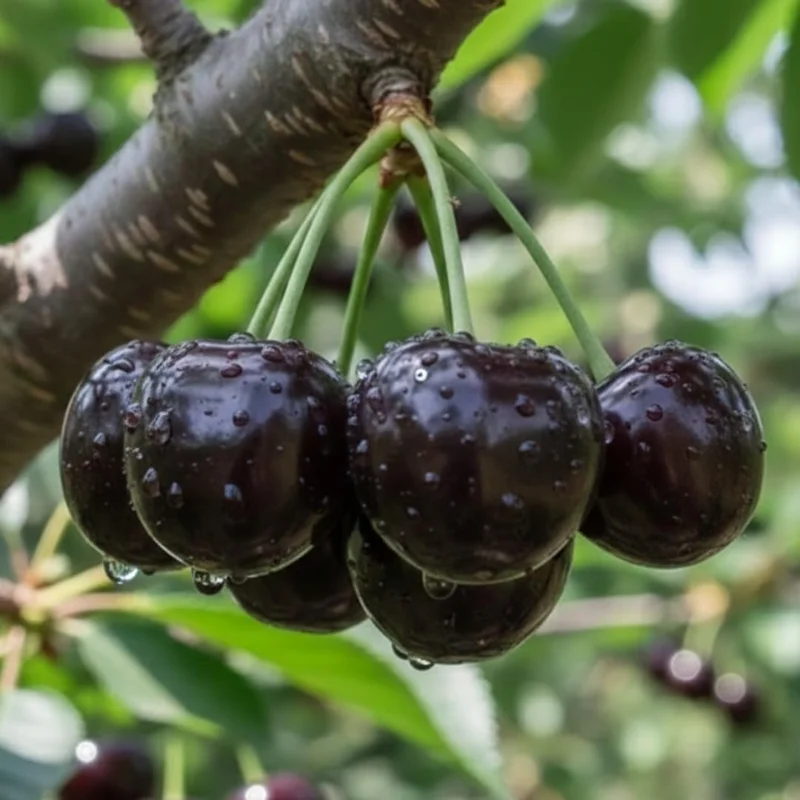
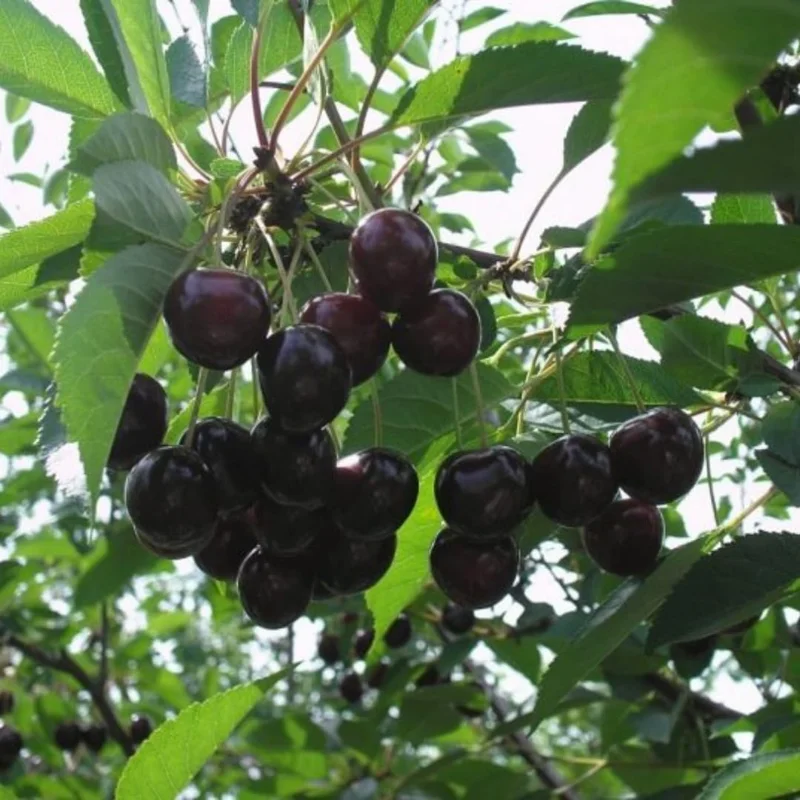
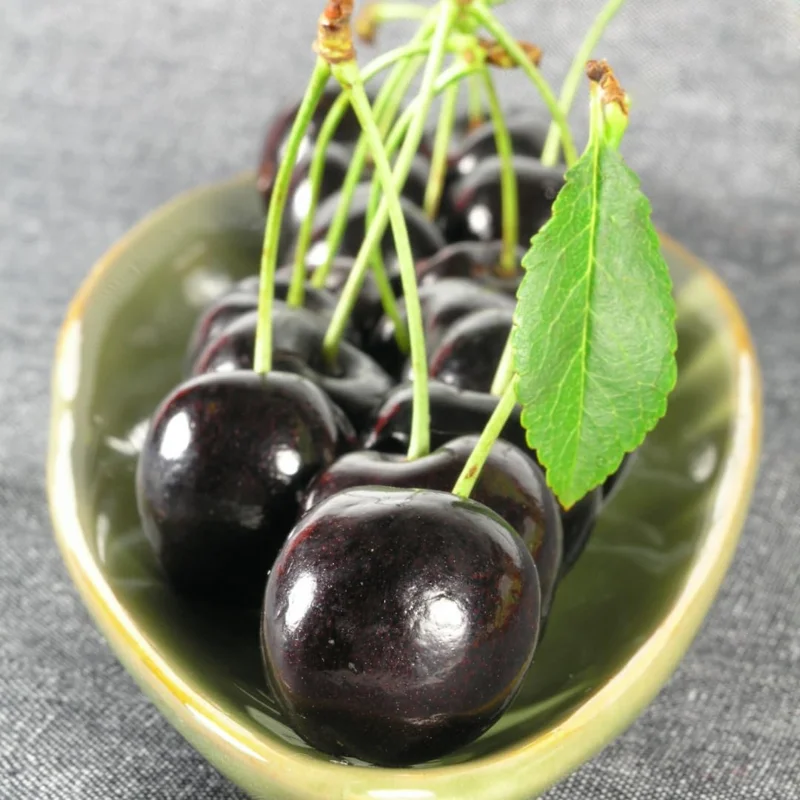
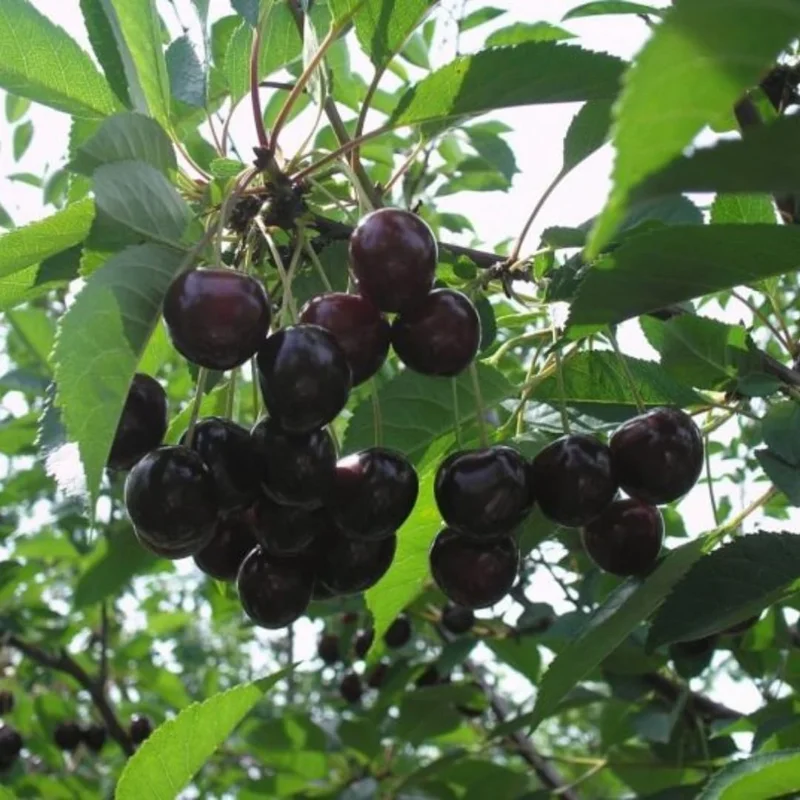
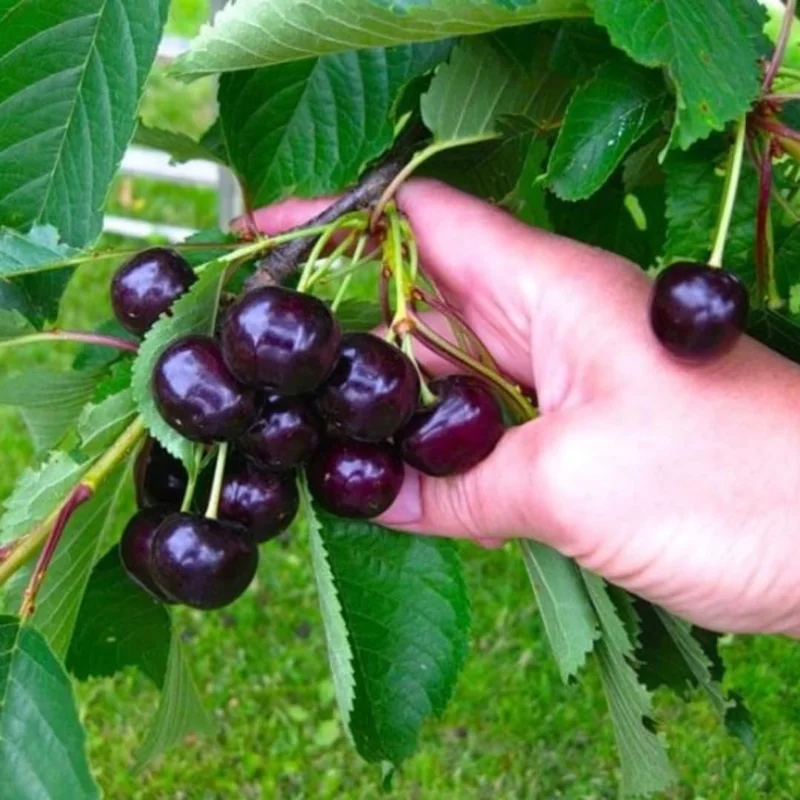
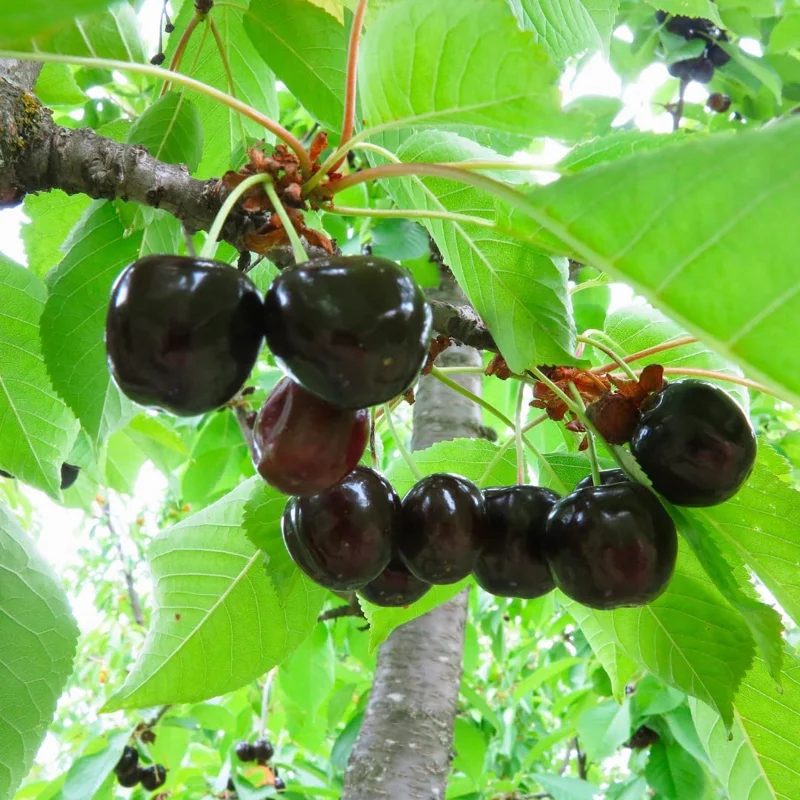
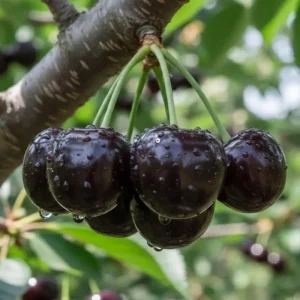
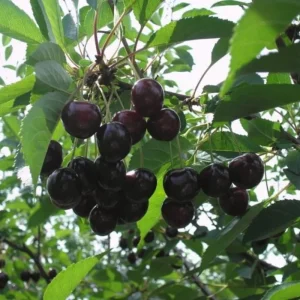
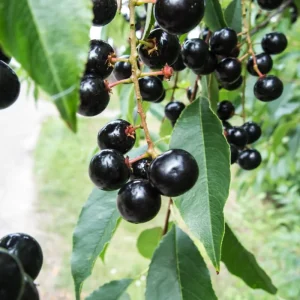
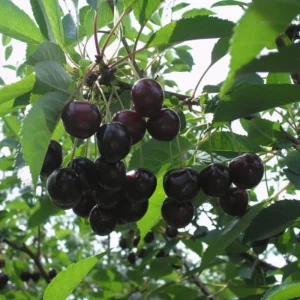
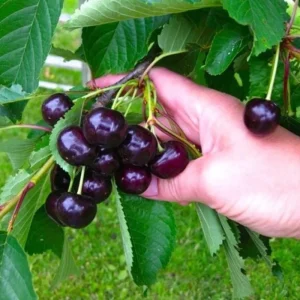
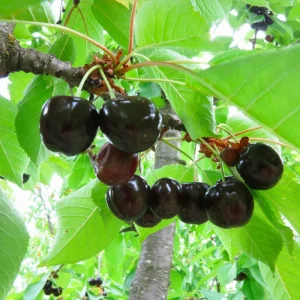
Experience the joy of harvesting your own sweet, juicy fruit with this set of two black cherry fruit trees. These bare root plants arrive dormant and ready for immediate planting, making it easy to establish a productive orchard or add a beautiful, fruit-bearing specimen to your landscape. Each tree stands an impressive 3-4 feet tall, offering a significant head start on growth compared to smaller saplings. Known for their delicious, dark fruit, these sweet cherry bare root trees are a fantastic addition for both seasoned gardeners and those new to fruit tree cultivation. They are carefully selected to ensure vigorous growth and abundant yields, transforming your garden into a source of fresh, organic produce.
The black cherry, scientifically known as Prunus serotina, is a deciduous tree native to North America, celebrated for its rich, flavorful fruit and attractive foliage. These young trees are provided in a bare root condition, which means they are shipped without soil around their roots, minimizing transplant shock and promoting rapid establishment once planted. This method is highly effective for deciduous trees and allows for easier handling and planting. Prepare to enjoy the beauty of their spring blossoms and the bounty of their summer fruit, making these black cherry fruit trees a rewarding long-term investment for your home and garden.
Key Benefits
Investing in these black cherry fruit trees brings a multitude of benefits to your home and garden. Not only do they provide a source of fresh, delicious fruit, but they also enhance your landscape with their natural beauty and ecological value. Here are some of the key advantages:
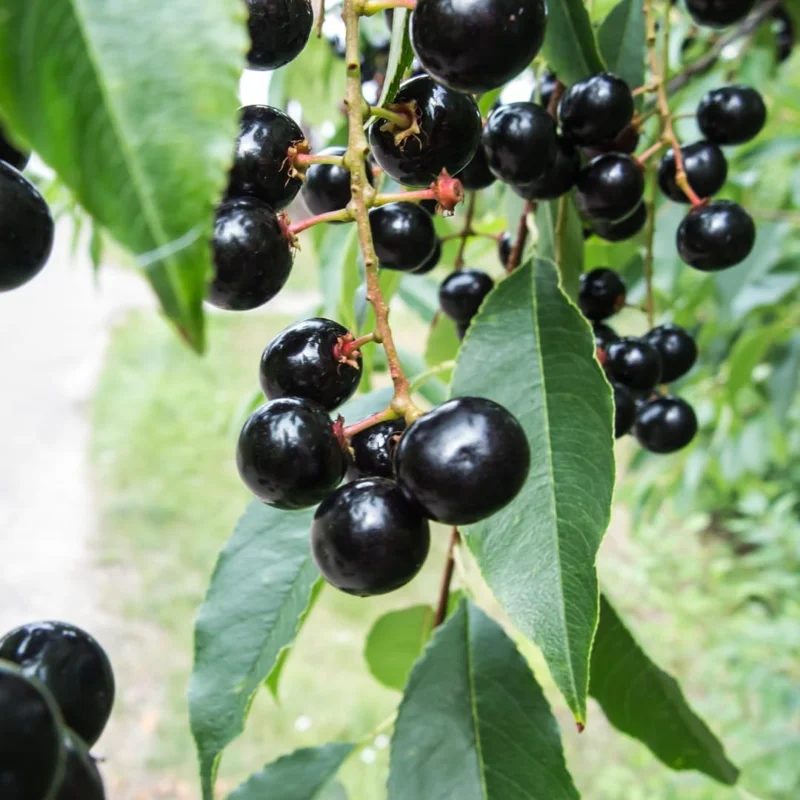
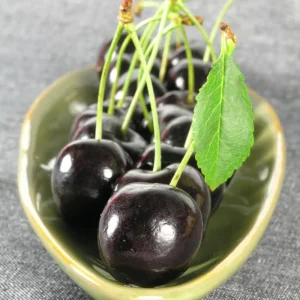
- Abundant Harvest: Enjoy a plentiful supply of sweet, dark black cherries directly from your own garden, perfect for fresh eating, baking, jams, and preserves. Growing your own fruit ensures you have organic, chemical-free produce at your fingertips.
- Landscape Enhancement: These trees offer aesthetic appeal with their beautiful spring blossoms and lush green foliage throughout the growing season, adding natural beauty and shade to your yard. They grow into large, stately trees, providing significant visual impact.
- Wildlife Attraction: The cherries are a favorite food source for various birds and other wildlife, contributing to a healthy and biodiverse ecosystem in your garden. This makes your garden a more vibrant and lively space.
- Cold Hardy & Adaptable: Suitable for USDA Hardiness Zones 3-9, these trees are robust and can withstand a wide range of climates, making them a reliable choice for many regions. Their cold hardiness ensures they thrive even in colder winters.
- Long-Term Investment: With proper care, these trees will produce fruit for many years, becoming a valuable and sustainable source of food for your family. A mature tree can live for decades, providing a legacy of fresh fruit.
- Easy to Plant Bare Root: Shipped as bare root plants, they are easy to handle and plant, promoting quick establishment and growth once settled in their new home. This method reduces transplant stress and encourages strong root development for your live cherry plant.
Plant Care & Growing Tips
Caring for your black cherry fruit trees is straightforward, ensuring a bountiful harvest for years to come. These trees thrive in specific conditions that mimic their natural habitat. For optimal growth and fruit production, select a site that receives full sun exposure, meaning at least 6-8 hours of direct sunlight daily. While they can tolerate partial sun, full sun will lead to better fruit development and overall tree health. Ensure the soil is well-draining, loamy, and rich in organic matter. Black cherries prefer a slightly acidic to neutral pH (6.0-7.0).
Upon arrival, soak the bare roots in water for a few hours before planting. Dig a hole wide enough to accommodate the spread of the roots and deep enough so that the graft union (the slightly swollen area on the trunk) is above the soil line. Backfill with soil, gently tamping down to remove air pockets, and water thoroughly. Consistent moisture is crucial, especially during the first few years after planting. Water regularly, ensuring the soil remains moist but not waterlogged. Once established, they are moderately drought-tolerant but will benefit from supplemental watering during dry spells. Fertilize in early spring with a balanced slow-release fertilizer suited for fruit trees. Pruning should be done in late winter or early spring to remove dead or diseased branches, improve air circulation, and shape the tree for optimal fruit production. Understanding how to grow black cherry successfully involves attention to these key aspects, ensuring your trees flourish and yield delicious fruit.
Size & Details
This offering includes a set of two black cherry fruit trees, each standing approximately 3-4 feet tall at the time of shipment. These are bare root plants, meaning they are dormant and without soil around their roots, which is the ideal way to ship deciduous fruit trees for successful transplanting. The mature tree size for these black cherry varieties can reach an impressive 30-60 feet tall, developing a broad, rounded canopy. They are perennial trees, meaning they will return year after year, providing continuous harvests and shade. These trees are suitable for USDA Hardiness Zones 3-9, indicating their robust nature and ability to withstand a wide range of temperatures. They are ready for planting upon arrival and will begin to establish their root systems and leaf out in the spring. Expect a few years for the trees to mature enough to produce a significant crop, but the wait is well worth the reward of fresh, homegrown fruit.
Frequently Asked Questions
- Q: How big do these black cherry fruit trees get at maturity? A: These black cherry fruit trees can grow quite large, typically reaching a height of 30-60 feet with a substantial canopy at full maturity. They are an excellent choice for larger landscapes or orchards.
- Q: What size are the trees when they arrive? A: Each tree in this set arrives as a sweet cherry bare root plant, approximately 3-4 feet tall. They are dormant and ready for planting to establish their root system.
- Q: Is this an indoor or outdoor plant? A: These are outdoor fruit trees. They thrive when planted directly in the ground in your garden or a large landscape area, requiring ample space to grow and reach their full potential.
- Q: How much sunlight does a black cherry tree need? A: For the best fruit production and overall health, these trees require full sun exposure, which means at least 6-8 hours of direct sunlight daily. They can tolerate partial sun but may produce less fruit.
- Q: Is this plant easy to care for? A: Yes, once established, cherry tree care is relatively straightforward. They require consistent watering during establishment, well-draining soil, and annual pruning. They are a good choice for gardeners of various skill levels.
- Q: What condition will the trees arrive in? A: The trees will arrive dormant and as bare root plants, meaning they will not have leaves and will be shipped without soil around their roots. This is a standard and effective method for shipping deciduous trees.
- Q: When is the best time to plant these black cherry trees? A: The ideal time to plant bare root trees is in early spring, after the last frost, but before the trees break dormancy. This allows them to establish their root systems before the heat of summer.
- Q: Will these trees survive winter in my zone? A: These live cherry plant specimens are suitable for USDA Hardiness Zones 3-9, indicating they are very cold-hardy and well-equipped to survive winters in a wide range of climates.
- Q: How long until these trees start producing fruit? A: Black cherry trees typically begin producing fruit within 3-5 years after planting, with significant harvests usually starting around 5-7 years. The exact timing can depend on growing conditions and care.
- Q: Do I need more than one tree for pollination? A: While black cherry trees are often self-pollinating, planting multiple trees can often lead to a more abundant fruit set, especially if you have different varieties that can cross-pollinate.


Reviews
There are no reviews yet.