Overview
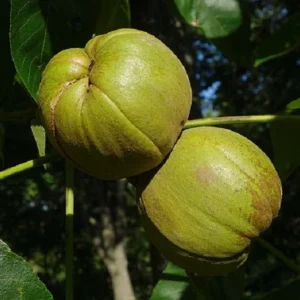
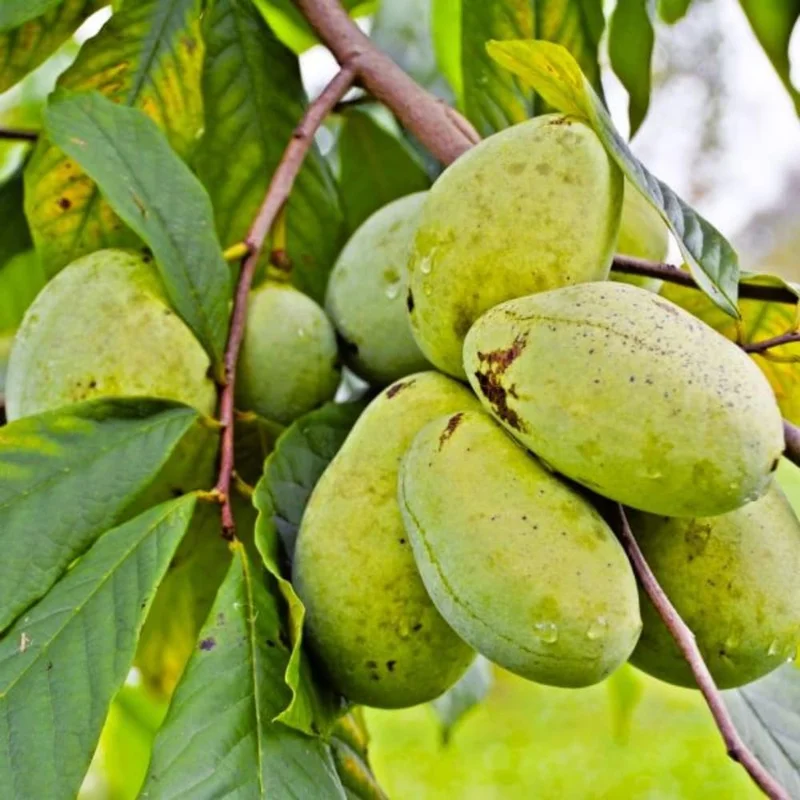
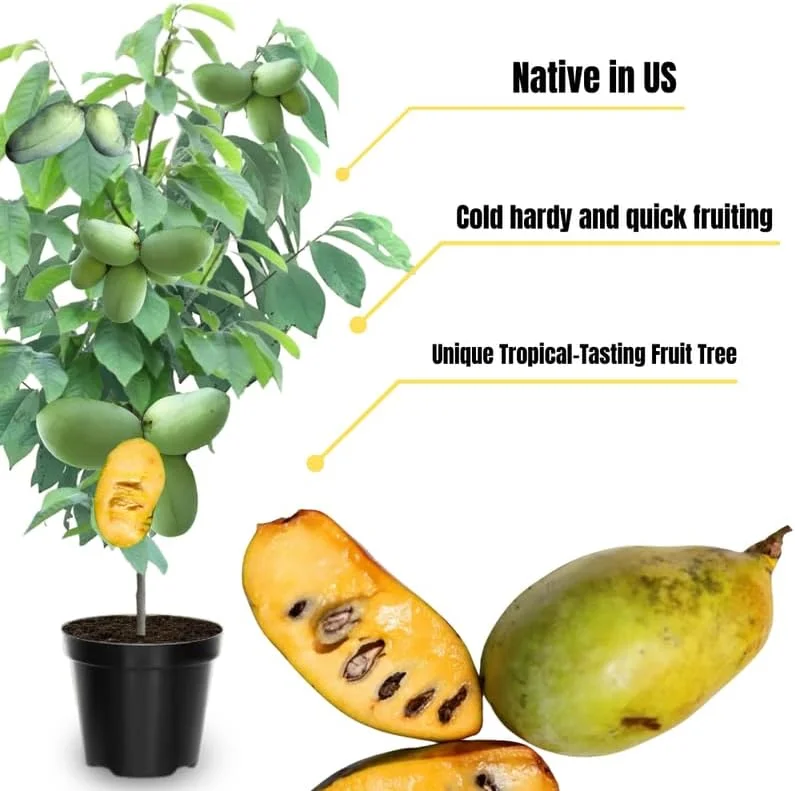
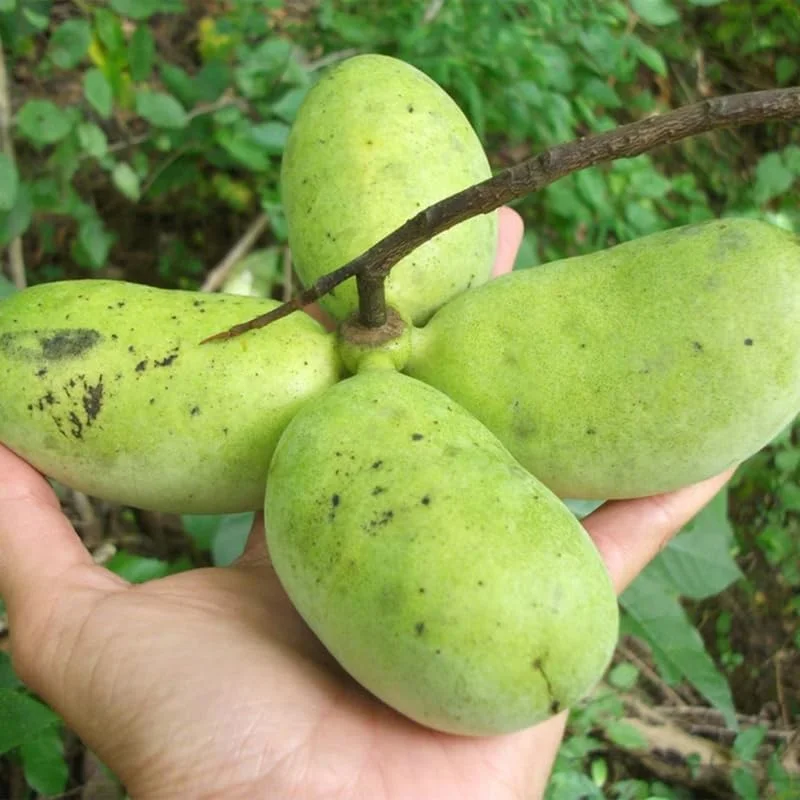
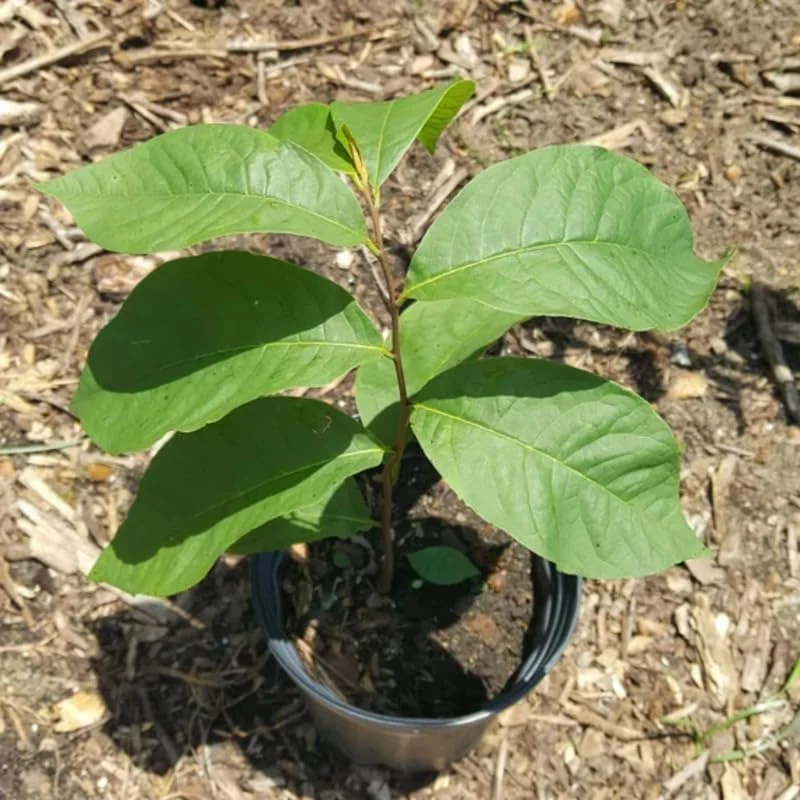
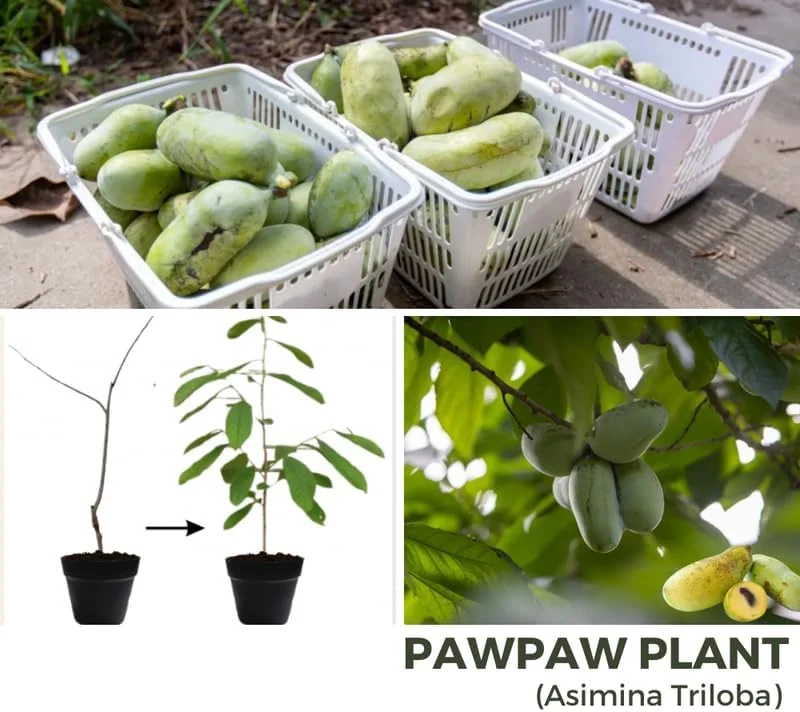
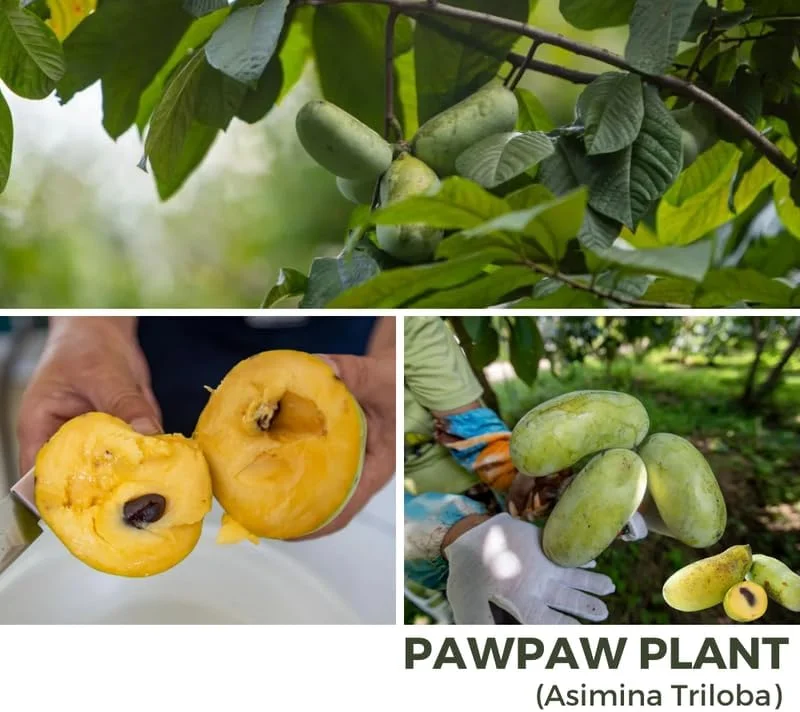
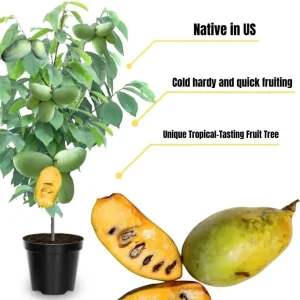
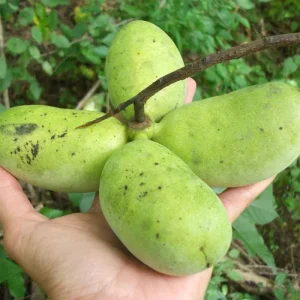
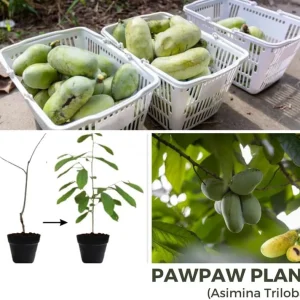
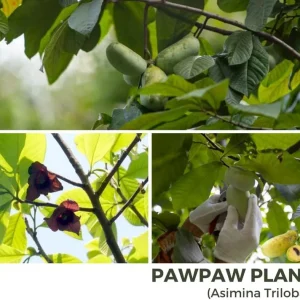
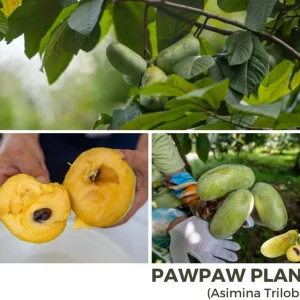
Discover the joy of growing your own exotic fruit with this paw paw tree live plant. Also known as Asimina triloba or the common pawpaw, this unique North American native is celebrated for its delicious, custard-like fruit. Imagine harvesting sweet, tropical-flavored pawpaws right from your backyard, reminiscent of a delightful blend of banana and mango. This resilient tree thrives in USDA Zones 5-9, making it an excellent choice for many temperate climates. Our young paw paw trees are shipped as bare root specimens, typically 6-12 inches tall, ensuring they are ready to establish strong roots in your garden for vigorous growth. Embrace sustainable gardening and cultivate a piece of American horticultural history with this fascinating and productive fruit tree. Growing a paw paw tree live plant is a rewarding experience, providing both ornamental beauty and a bountiful harvest of unique fruit.
Key Benefits
Cultivating a paw paw tree live plant offers a multitude of advantages for any gardener, from the novice to the experienced:
- Unique Fruit Production: Enjoy the rare and delicious pawpaw fruit, often described as a blend of banana, mango, and pineapple. This distinct flavor is a culinary delight not commonly found in grocery stores.
- Native North American Species: Support local ecosystems by growing a plant native to the eastern United States. This helps local wildlife and contributes to biodiversity.
- Cold Hardy & Resilient: These trees are naturally cold hardy, thriving in USDA Zones 5-9, and are generally resistant to many common pests and diseases, making them a low-maintenance choice.
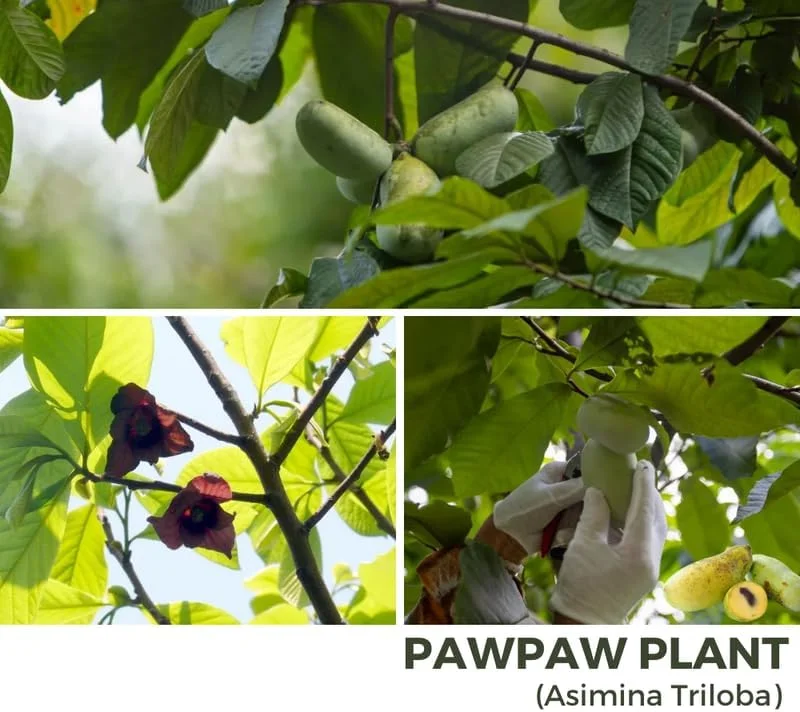
- Ornamental Value: Beyond its fruit, the pawpaw tree boasts attractive large leaves that provide excellent shade and a tropical aesthetic to your landscape. Its unique purple-brown flowers bloom in spring before the leaves emerge.
- Sustainable Gardening: Growing your own fruit reduces your carbon footprint and provides a fresh, organic food source right at home. A paw paw tree live plant is a long-term investment in your garden’s productivity.
- Easy to Grow: Once established, paw paw tree care is relatively straightforward, requiring minimal intervention compared to many other fruit trees.
- Supports Wildlife: The fruit is a favorite of various wildlife, including birds and small mammals, adding ecological value to your garden space.
Plant Care & Growing Tips
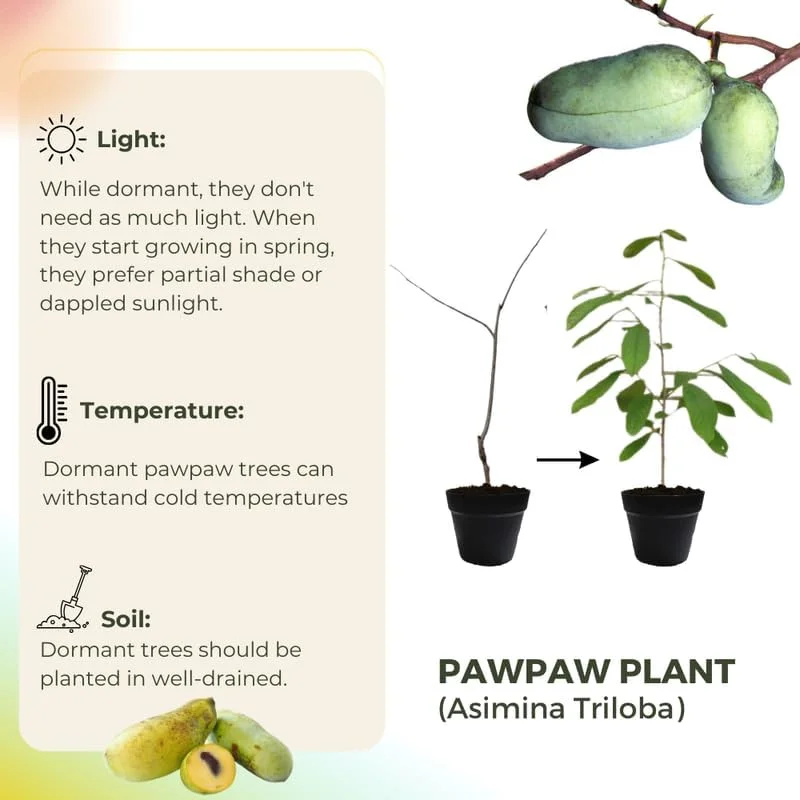
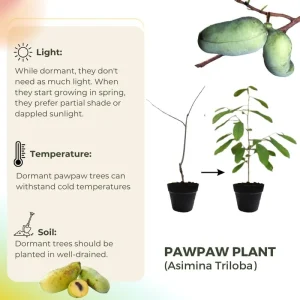
Caring for your paw paw tree live plant ensures a healthy, productive specimen. These trees prefer a location with at least six hours of direct sunlight per day once established, though young trees benefit from partial shade for their first year or two to prevent sunscald. They thrive in rich, well-draining soil with a slightly acidic to neutral pH (5.5-7.0). Incorporating organic matter, such as compost, into the planting site will significantly improve soil structure and fertility. Consistent moisture is crucial, especially during the first few growing seasons and during fruit development, but avoid waterlogging the roots.
Pawpaw trees are hardy in USDA Zones 5-9, meaning they can withstand winter temperatures down to -10 to -20 degrees Fahrenheit. Fertilize in early spring with a balanced, slow-release fertilizer formulated for fruit trees. Pruning should be minimal, focusing on removing dead, damaged, or crossing branches to maintain good air circulation and shape. Watch out for potential issues like pawpaw peduncle borer, though these trees are generally robust. To ensure fruit set, you’ll need at least two genetically different pawpaw trees for cross-pollination. Consider planting two or more Asimina triloba varieties to maximize your harvest.
Size & Details
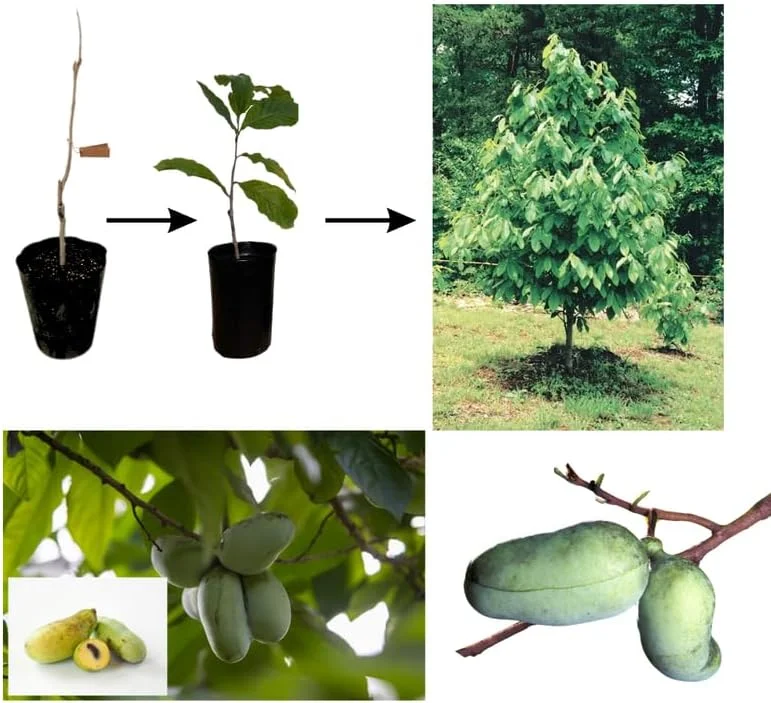
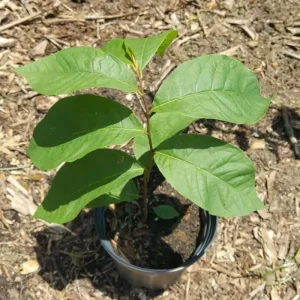
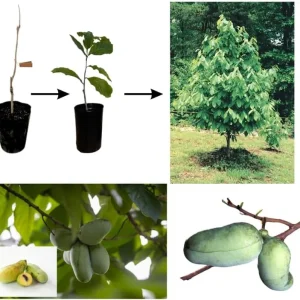
This offering is for one young paw paw tree live plant, typically ranging from 6 to 12 inches in height. It is shipped as a bare root plant, which means it will arrive without soil or a pot, allowing for easier transplanting and better establishment in your garden. The bare root format is ideal for planting during its dormant season, typically in late winter or early spring. Pawpaw trees have a moderate growth rate, eventually reaching heights of 15-20 feet with a similar spread, forming an attractive, pyramidal shape. While this young plant will take a few years to mature and begin fruiting (typically 3-5 years from planting), the wait is well worth it for the unique and delicious harvest. This cold hardy fruit tree will grow into a substantial and productive addition to your landscape, providing fresh pawpaw fruit for many years.
Frequently Asked Questions
- Q: How big does this paw paw tree live plant get? A: This young plant is 6-12 inches tall upon arrival. Mature pawpaw trees typically reach heights of 15-20 feet with a similar spread, making them a medium-sized fruit tree suitable for many yards.
- Q: Is this an indoor or outdoor plant? A: The Asimina triloba is an outdoor plant. It is a temperate fruit tree that requires cold dormancy in winter to produce fruit. It is not suitable for long-term indoor cultivation.
- Q: How much sunlight does it need? A: Established pawpaw trees prefer full sun, meaning at least 6 hours of direct sunlight daily. However, young trees benefit from partial shade during their first year or two to protect them from intense sun.
- Q: What condition will it arrive in? A: Your paw paw tree live plant will arrive as a dormant, bare root specimen. This means it will not have leaves and will be shipped without soil or a pot, ready for immediate planting in your garden.
- Q: Is it good for beginners? A: Yes, paw paw tree care is relatively easy once the tree is established. They are quite resilient and generally low-maintenance, making them a good choice for gardeners of all experience levels who want to grow a unique fruit.
- Q: When is the best time to plant this cold hardy fruit tree? A: The best time to plant bare root pawpaw trees is in late winter or early spring, as soon as the soil can be worked and before new growth begins. This allows the roots to establish before the heat of summer.
- Q: Will it survive winter in my zone? A: This pawpaw fruit tree is cold hardy in USDA Zones 5-9. If you are within these zones, your tree should successfully survive winter and go through its necessary dormant period.
- Q: Do I need more than one tree to get fruit? A: Yes, pawpaw trees are not self-pollinating. You will need at least two genetically different pawpaw trees to ensure successful cross-pollination and fruit production.


Reviews
There are no reviews yet.