
Overview
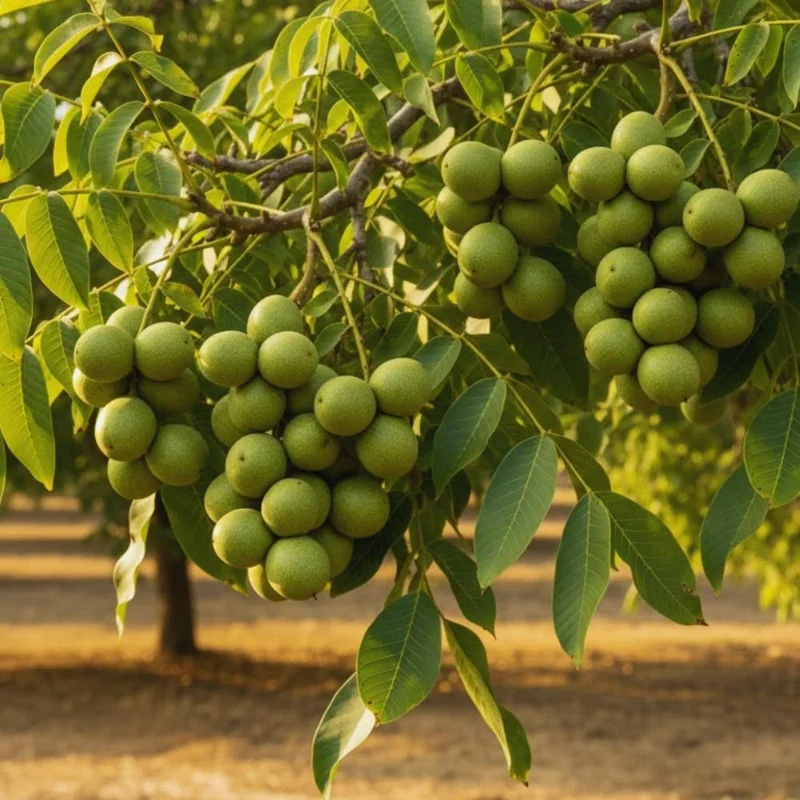
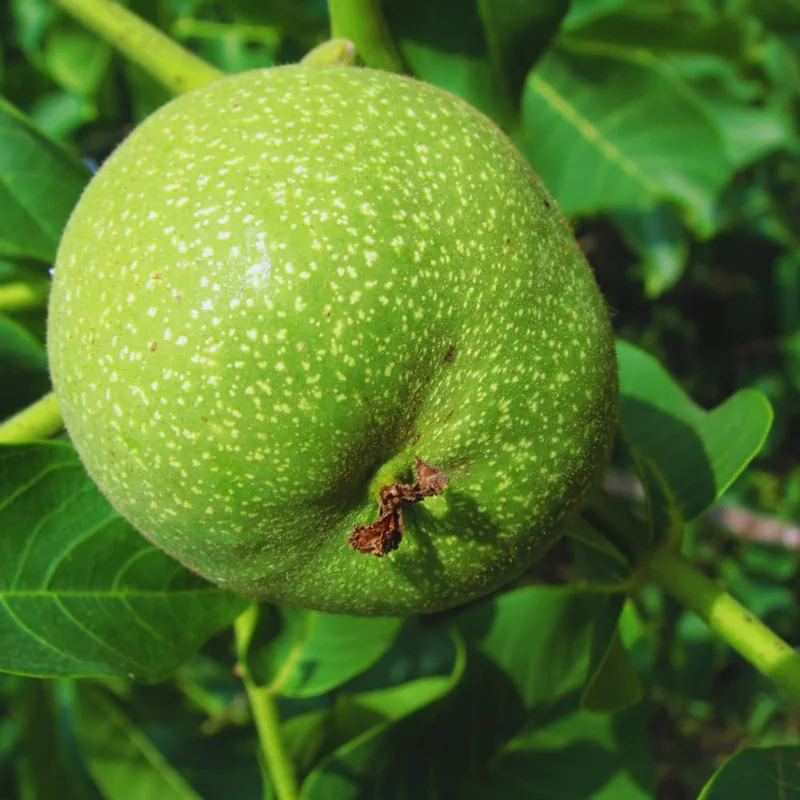
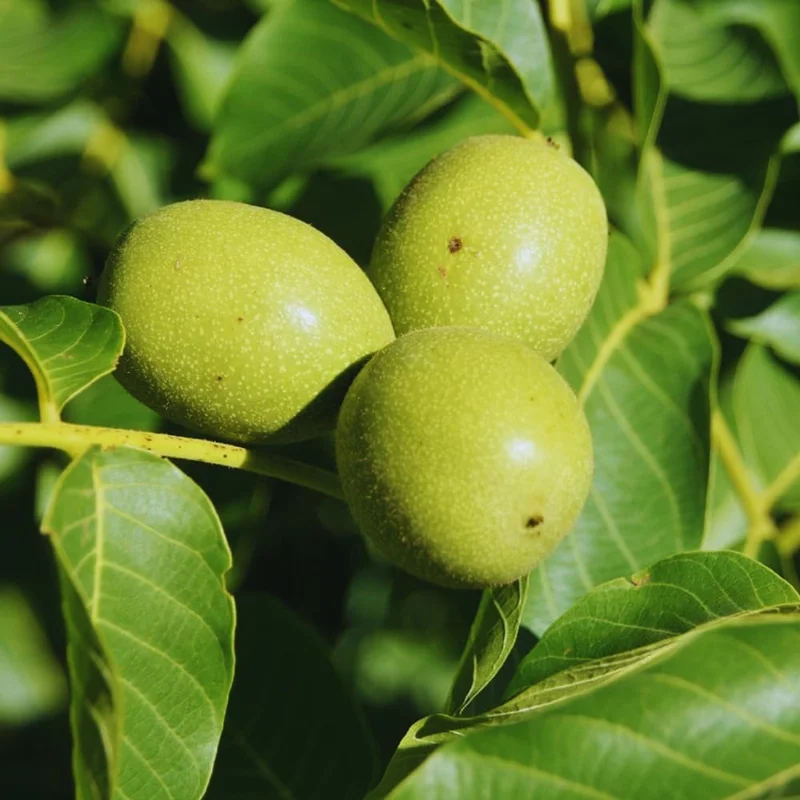
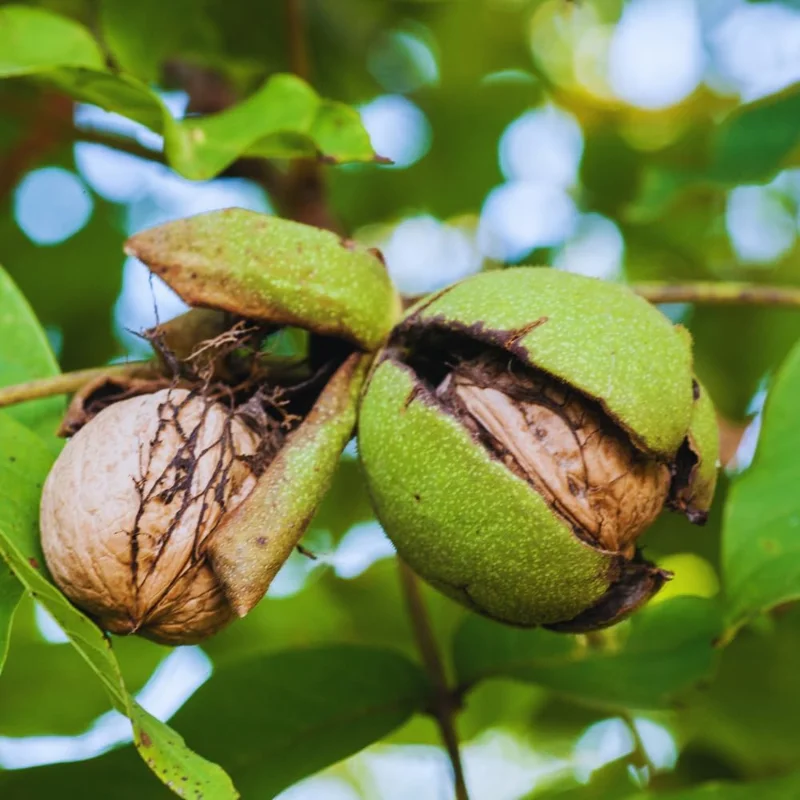
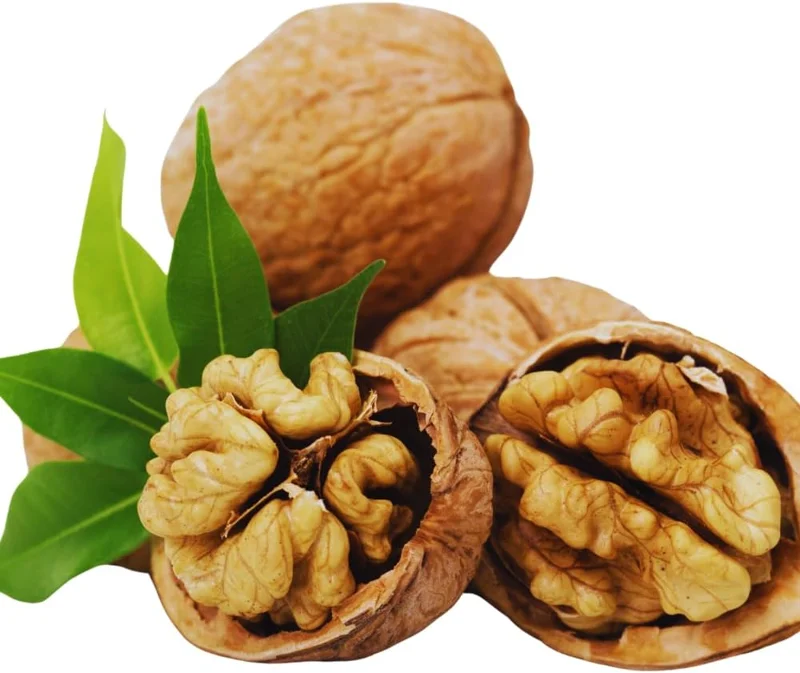
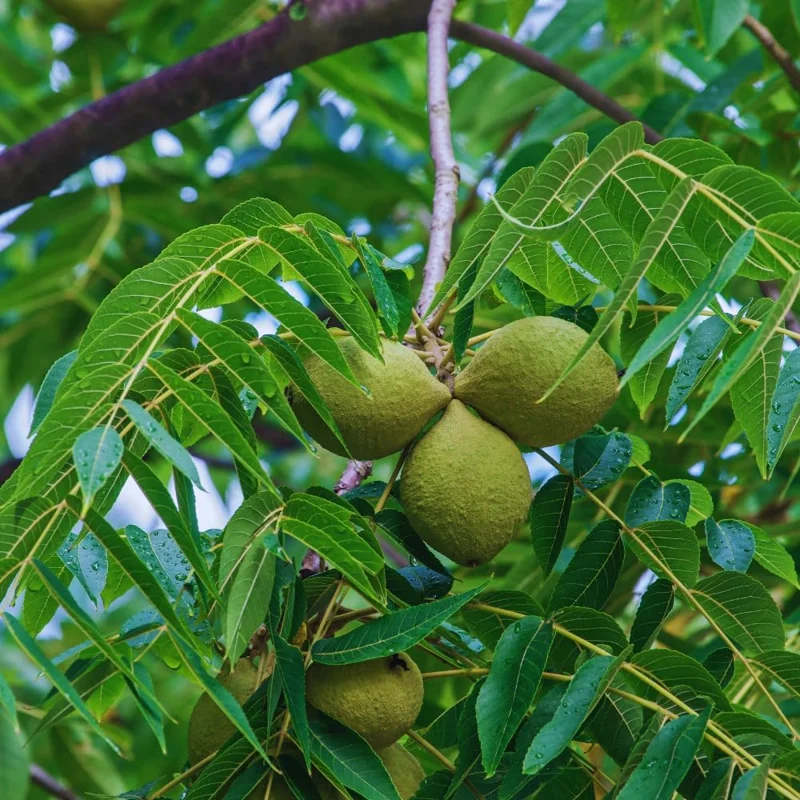
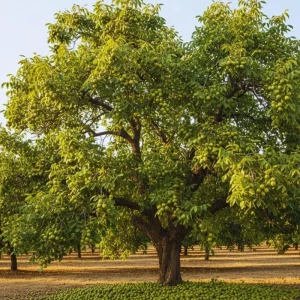
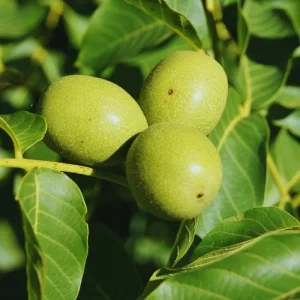
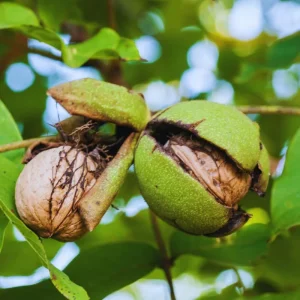
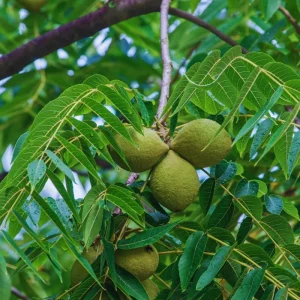
Embark on a rewarding gardening journey with this premium walnut tree live plant. Cultivating your own walnuts offers immense satisfaction, from watching the tree mature to harvesting its nutritious bounty. This young walnut tree, currently 2 feet in height, is ready to be planted in your garden, promising years of delicious harvests. Known for its strong, stately presence, the walnut tree is not just a producer of nuts but also a beautiful addition to any landscape. Often referred to as Juglans regia, or the English Walnut, it’s celebrated for its valuable timber and edible nuts. This particular specimen is a cold hardy walnut tree, making it suitable for a wide range of climates and ensuring it can withstand colder temperatures, expanding its potential growing regions for many enthusiastic gardeners.
Bringing a walnut tree live plant into your garden means investing in a long-term, sustainable food source and a magnificent shade tree. Imagine the joy of cracking open fresh, homegrown walnuts, rich in flavor and nutrients. This tree is designed to adapt well to various outdoor conditions, making it a reliable choice for both novice and experienced gardeners looking to grow their own fruit. Its growth habit and hardiness ensure it will establish itself well in your chosen spot, eventually reaching an impressive mature size and becoming a focal point in your yard.
Key Benefits
Planting a walnut tree offers a multitude of advantages beyond just its delicious nuts. This resilient tree provides both aesthetic appeal and practical benefits for your home and garden.
- Abundant Nut Production: Enjoy a continuous supply of fresh, homegrown walnuts. These nuts are not only tasty but also packed with omega-3 fatty acids, antioxidants, and essential vitamins, making them a healthy addition to your diet.
- Long-Term Investment: A walnut tree live plant is a long-term asset, increasing in value as it matures. Walnut trees are known for their longevity and the quality of their timber, which becomes valuable over decades.
- Beautiful Shade Tree: As it grows, this tree will develop into a magnificent shade provider, perfect for cooling your home and garden during warm summer months. Its broad canopy offers a serene outdoor living space.
- Cold Hardy & Adaptable: This cold hardy walnut tree is specifically bred to withstand diverse weather conditions, including colder temperatures, ensuring a higher success rate in various USDA zones. It’s also adaptable to many soil types.
- Wildlife Attraction: Walnut trees can attract beneficial wildlife to your garden, including squirrels and various bird species, adding to the natural ecosystem of your yard.
- Environmental Contribution: Like all trees, walnut trees contribute to a healthier environment by producing oxygen, absorbing carbon dioxide, and supporting local biodiversity.
Plant Care & Growing Tips
Ensuring the success of your walnut tree live plant involves understanding its specific care requirements. Walnut trees thrive with proper attention to light, water, and soil conditions. For optimal growth, choose a site that receives full sun exposure, meaning at least 6-8 hours of direct sunlight daily. This will encourage robust growth and plentiful nut production. While adaptable to many soil types, walnuts prefer well-drained, deep, and fertile loamy soil. Avoid planting in areas with heavy clay or consistently waterlogged conditions, as this can lead to root rot. Good drainage is paramount for a healthy tree.
Watering is crucial, especially during the first few years after planting. Keep the soil consistently moist but not saturated. Deep watering encourages the roots to grow downwards, making the tree more drought-tolerant as it matures. Once established, walnut trees are quite resilient but will benefit from supplemental watering during prolonged dry spells. Fertilization can support vigorous growth; use a balanced, slow-release fertilizer formulated for fruit trees in early spring. Follow product instructions carefully to avoid over-fertilization. Pruning should be done in late winter or early spring to remove dead or diseased branches and to shape the tree, promoting better air circulation and light penetration. Understanding how to grow walnuts successfully involves patience and consistent care, ensuring your tree thrives and produces bountiful harvests.
Size & Details
This offering is for one walnut tree live plant, currently standing approximately 2 feet (24 inches) tall from the base of the root ball to the tip of the highest stem. The plant is shipped as a young, actively growing specimen, ready for transplanting into your garden. It arrives in a secure, protective container to ensure its health during transit. Walnut trees are known for their strong growth rate, and this variety is expected to reach a mature height of 40-50 feet with a similar spread, creating a substantial canopy over time. The estimated time to first nut production can range from 5-10 years, depending on growing conditions and specific variety, with full production typically achieved after 15-20 years. This juglans regia plant is a long-term investment that will provide beauty and bounty for generations.
Frequently Asked Questions
- Q: How big does this plant get? A: This walnut tree live plant is currently 2 feet tall. When mature, it can reach an impressive height of 40-50 feet with a similar spread, providing ample shade and a grand presence in your landscape.
- Q: Is this an indoor or outdoor plant? A: This is an outdoor fruit tree. It requires significant space to grow and thrives in full sun conditions, making it unsuitable for indoor cultivation.
- Q: How much sunlight does it need? A: Walnut trees require full sun exposure, meaning at least 6 to 8 hours of direct sunlight per day, for optimal growth and nut production.
- Q: Is this plant easy to care for? A: Once established, walnut trees are relatively low-maintenance. However, they do require consistent watering during their initial years and proper site selection for long-term health. Following guidelines for growing walnut trees will ensure success.
- Q: What condition will it arrive in? A: Your walnut tree live plant will arrive securely packaged in a container, ensuring it is healthy and ready for planting. We take great care to protect the plant during shipping.
- Q: How long until it produces nuts? A: Walnut trees typically begin producing nuts within 5 to 10 years of planting, with significant harvests usually starting around 15 to 20 years. It’s a long-term investment in your garden’s future.
- Q: Will it survive winter in my zone? A: Yes, this is a cold hardy walnut tree specifically suited for USDA Hardiness Zones 4-9, meaning it can tolerate a wide range of winter temperatures.
- Q: What’s the minimum temperature it can withstand? A: This cold-hardy variety can withstand temperatures well below freezing, making it suitable for temperate climates within its specified USDA hardiness zones.
- Q: What type of soil does a walnut tree prefer? A: Walnut trees prefer deep, well-draining, and fertile loamy soil. Good drainage is crucial to prevent root issues, and they can adapt to a variety of soil types as long as they are not waterlogged.
- Q: Can I use the walnuts for cooking? A: Absolutely! The walnuts produced by this tree are perfect for all culinary uses, including baking, snacking, and adding to salads. Knowing how to grow walnuts provides you with fresh, organic ingredients.


Reviews
There are no reviews yet.