Overview
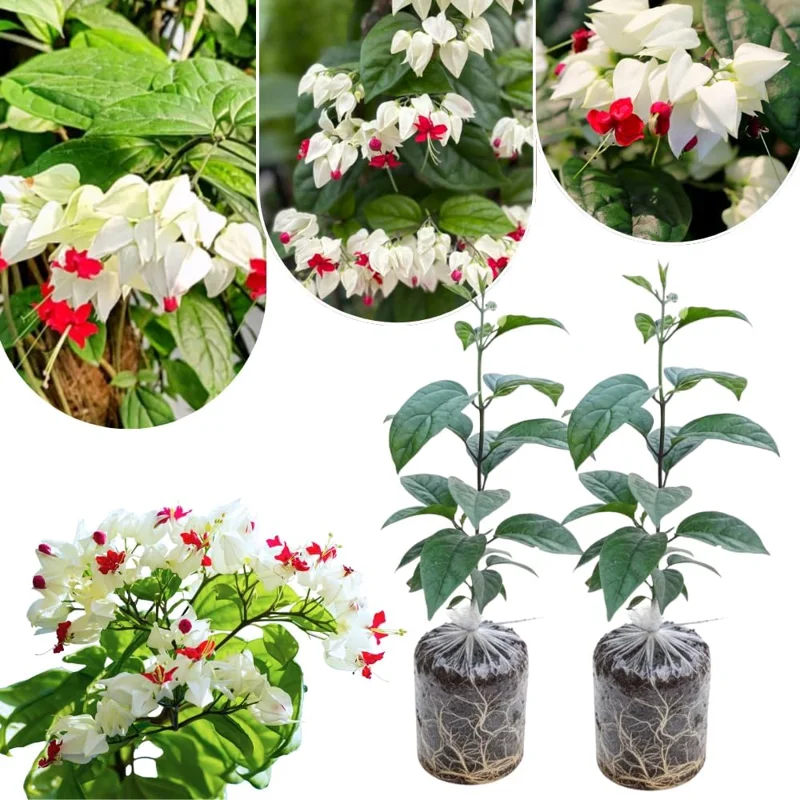
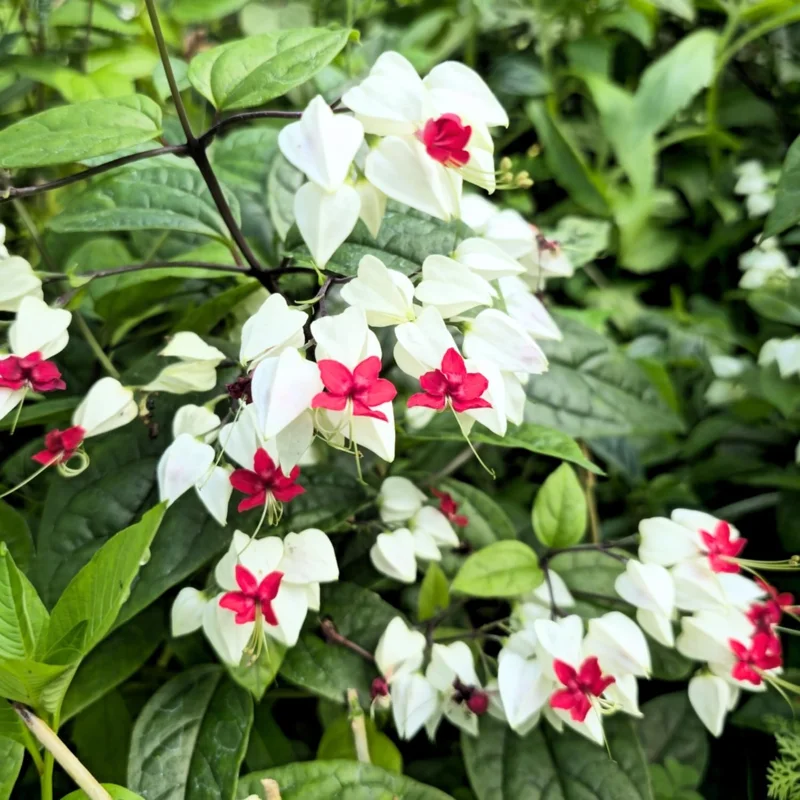
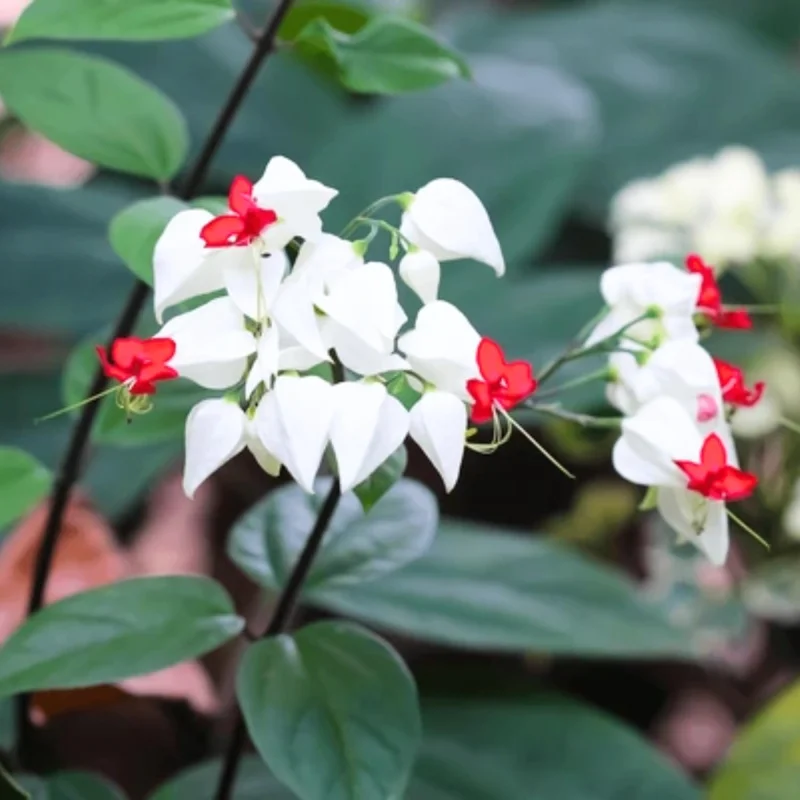
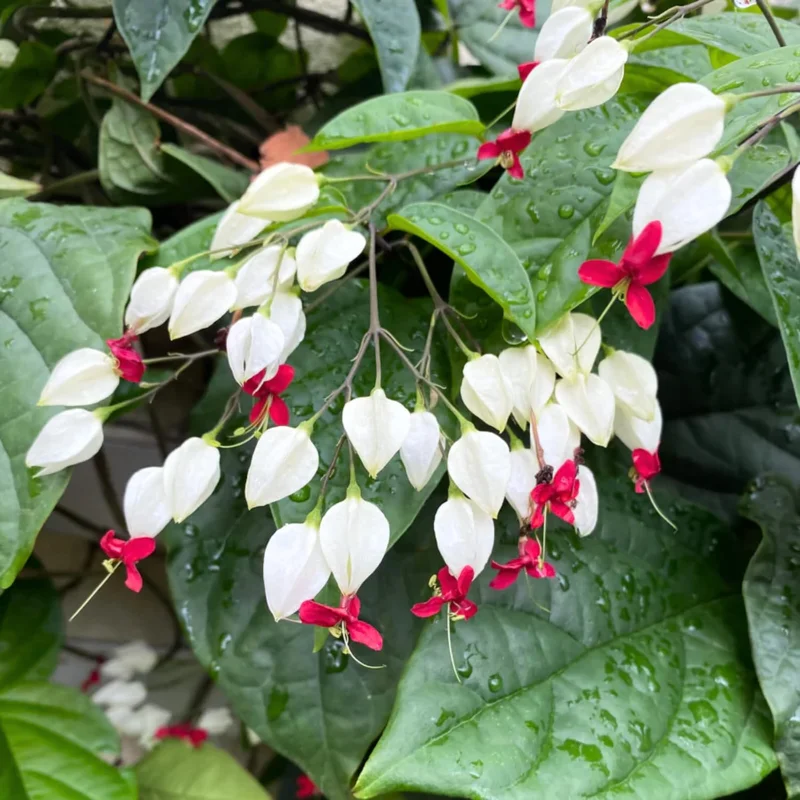
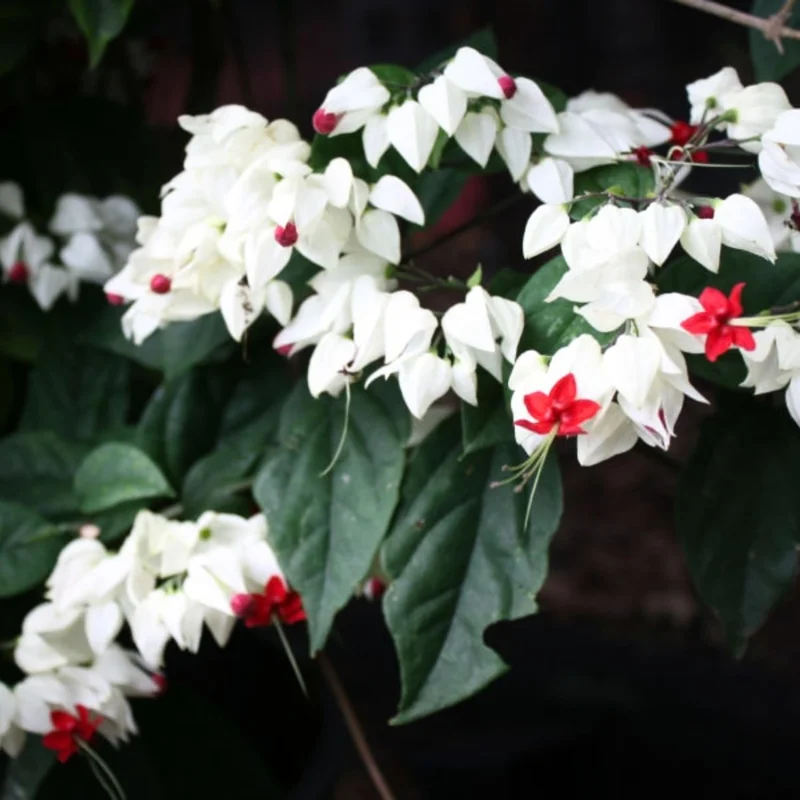
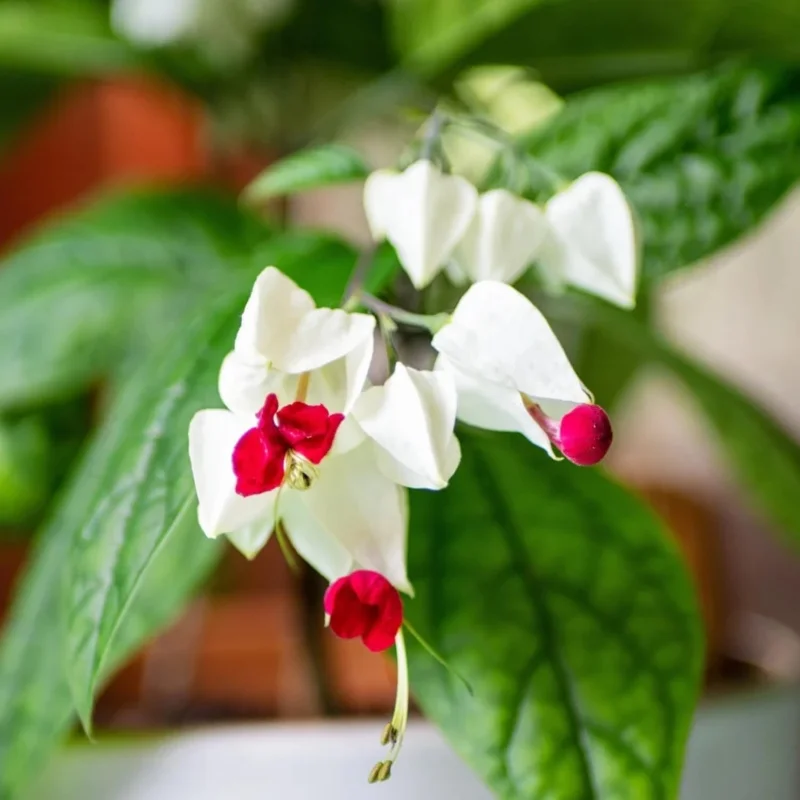
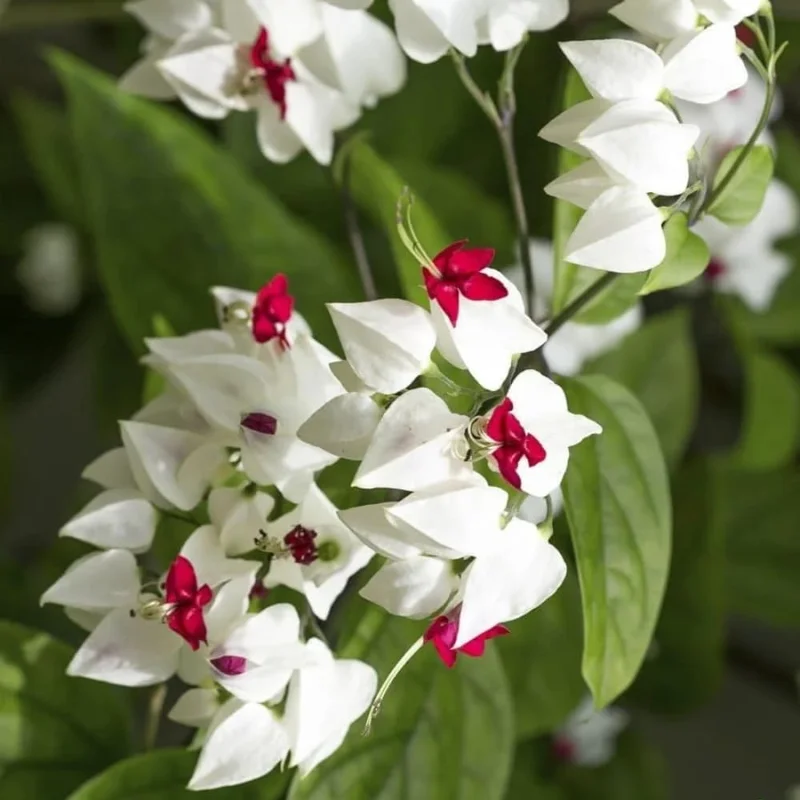
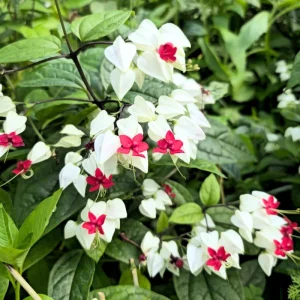
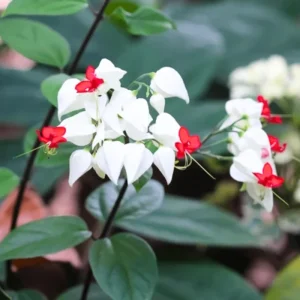
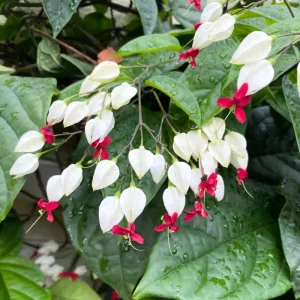
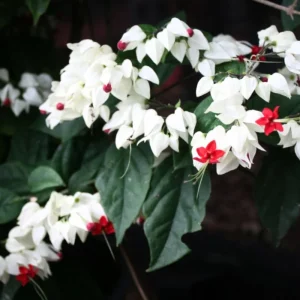
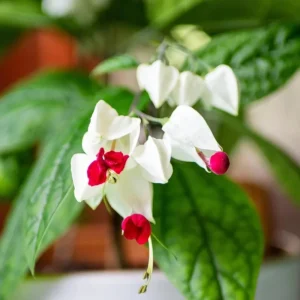
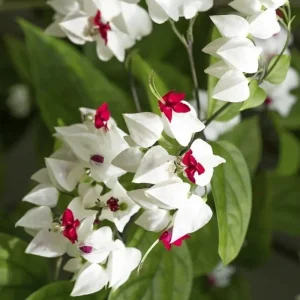
Introduce a touch of serene beauty to your garden with our exquisite white bleeding heart live plant set. This offering includes two healthy, well-rooted plants, each standing approximately 4-6 inches tall, prepared to flourish in your landscape. Known botanically as Dicentra spectabilis ‘Alba’, the white bleeding heart is celebrated for its distinctive heart-shaped flowers that dangle gracefully from arching stems. These charming blooms, appearing in spring and early summer, provide a striking contrast against their delicate, fern-like foliage, making them a focal point in any shaded garden. Ideal for creating a tranquil and elegant atmosphere, this white bleeding heart live plant is a true perennial gem that returns year after year, offering consistent beauty with minimal effort.
Originating from woodland environments, the white bleeding heart thrives in conditions that mimic its natural habitat, preferring cool, moist, and shaded locations. Its unique floral structure, resembling a perfect heart with a single ‘drop’ at the bottom, gives it its evocative common name. Beyond its ornamental appeal, this plant is remarkably hardy, making it an excellent choice for gardeners across various climates. Whether you’re enhancing an existing shade garden, creating a new one, or simply adding a touch of classic charm to your outdoor space, these live plants promise to deliver enduring elegance and a peaceful ambiance.
Key Benefits
Our white bleeding heart live plant offers numerous advantages for gardeners seeking both beauty and ease of care. These plants are a superb addition to any garden, providing both aesthetic appeal and robust growth.
- Elegant White Blooms: Produces exquisite, pure white, heart-shaped flowers that create a serene and sophisticated look in any garden setting. These unique blooms are a true conversation starter and add a touch of romance.
- Shade Loving Perennial: Thrives in partial to full shade, making it an ideal plant for those challenging, darker areas of your garden where many other flowering plants struggle. It’s a perfect solution for under trees or on the north side of a building.
- Hardy and Resilient: Suitable for USDA hardiness zones 3-9, these plants are robust perennials that endure cold winters and reliably return each spring, offering long-term beauty with proper care. This hardiness ensures a lasting display in your garden.
- Low Maintenance: Once established, the white bleeding heart live plant requires minimal attention. It’s relatively pest-free and disease-resistant, allowing you more time to enjoy its beauty rather than tending to complex needs.
- Versatile Garden Use: Excellent for planting in shaded borders, woodland gardens, cottage gardens, or even in decorative containers on a shaded patio. Its adaptable nature makes it suitable for various garden designs.
- Attractive Foliage: Beyond its stunning flowers, the fern-like, deeply lobed green foliage adds texture and interest to the garden even when the plant is not in bloom. This delicate foliage complements many other shade-loving plants.
Plant Care & Growing Tips
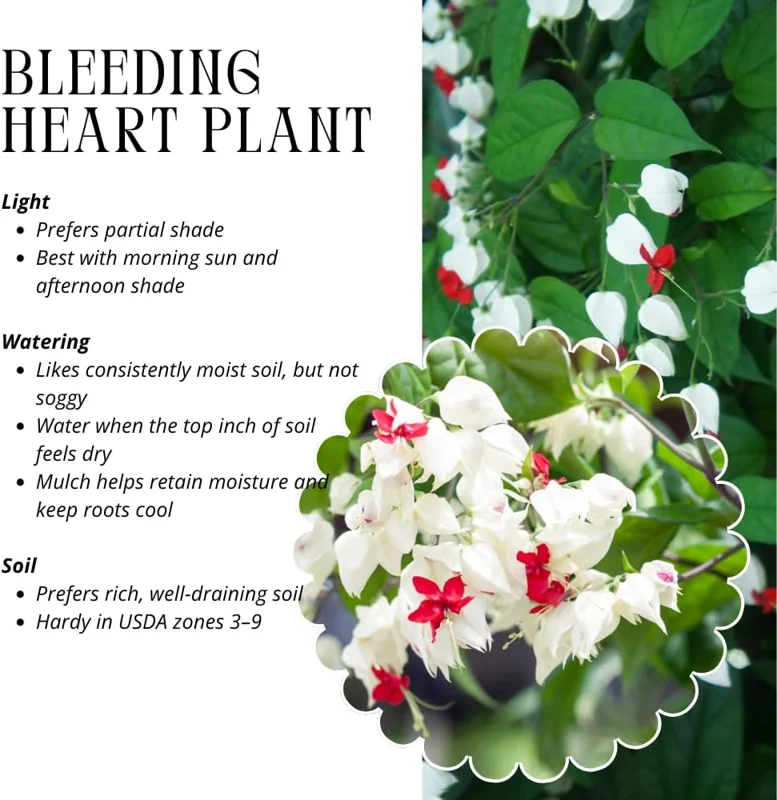
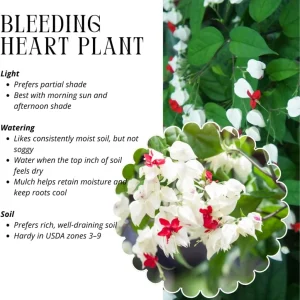
Proper care ensures your white bleeding heart live plant thrives and provides a spectacular display of its unique blooms. These plants are relatively easy to care for, especially when their fundamental needs are met. For optimal growth, plant your bleeding heart in a location that receives partial to full shade. While it can tolerate some morning sun, intense afternoon sun can scorch its delicate foliage, leading to wilting and reduced flowering. Aim for a spot that gets about 4-6 hours of indirect light or dappled shade throughout the day. This shade loving perennial prefers consistently moist soil, so regular watering is crucial, especially during dry spells and in its first year of establishment. However, ensure the soil is well-draining to prevent root rot, as soggy conditions can be detrimental.
The ideal soil for a white bleeding heart live plant is rich in organic matter, slightly acidic to neutral, and well-draining. Amend heavy clay soils with compost or peat moss to improve drainage and aeration. For sandy soils, adding organic matter will help retain moisture and nutrients. These plants are hardy in USDA zones 3-9, indicating their ability to withstand cold temperatures. In colder zones, a layer of mulch applied in late fall can help insulate the roots. Fertilize in early spring with a balanced, slow-release granular fertilizer or a liquid feed diluted to half strength. Avoid over-fertilizing, which can lead to lush foliage but fewer flowers. Deadhead spent flowers to encourage more blooms, though this is not strictly necessary as the plant typically goes dormant in summer. Look for signs of stress, such as yellowing leaves, which might indicate too much sun or improper watering. Understanding bleeding heart plant care is key to a vibrant garden.
Size & Details
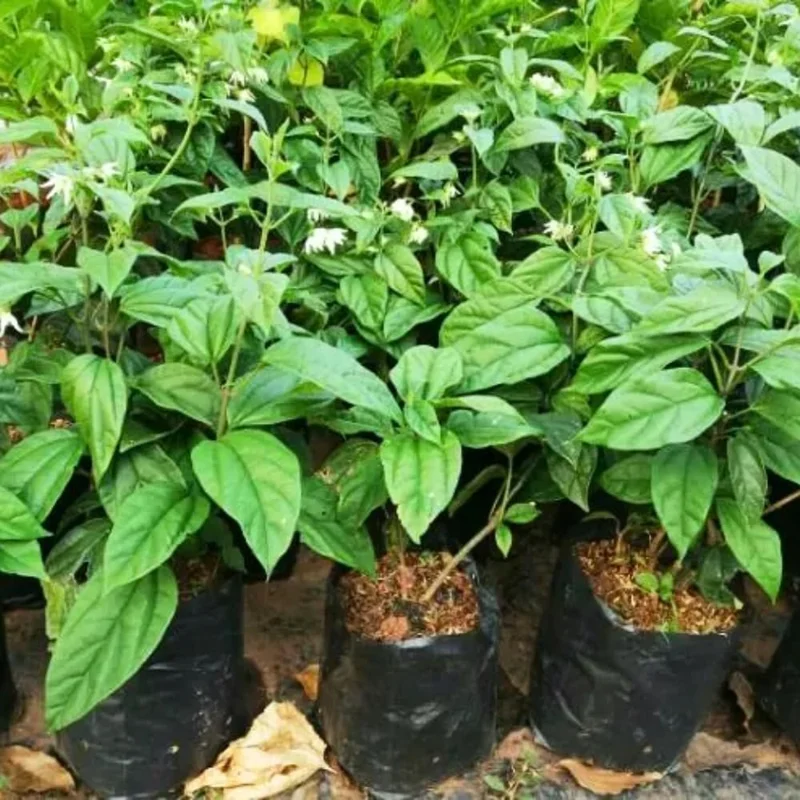
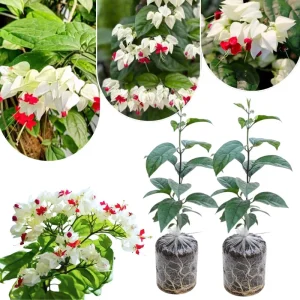
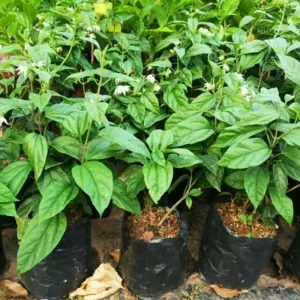
This offering includes two individual white bleeding heart live plant specimens, each carefully cultivated to ensure healthy growth. Upon arrival, you can expect each plant to be approximately 4-6 inches tall, measured from the soil line to the top of the foliage, and well-rooted in a nursery pot, ready for immediate planting. These plants are shipped in their active growth phase, ensuring they are robust and prepared to establish quickly in your garden. The mature height of a white bleeding heart typically ranges from 24-36 inches (2-3 feet), with a spread of 18-24 inches, forming a graceful, mounding habit. The growth rate is moderate, and you can expect them to reach their full size within 2-3 years, producing an abundance of charming heart shaped flowers each spring.
These perennial plants will go dormant in the heat of summer, especially in warmer climates, with their foliage naturally dying back. This is a normal part of their life cycle, and they will re-emerge vigorously the following spring. The plants are packaged to ensure safe transit, protecting their delicate stems and roots. Their compact size upon arrival makes them easy to handle and plant in various garden settings, from shaded borders to container gardens. Plant them in an area where their spring beauty can be appreciated, knowing they will provide a consistent display for many years to come.
Frequently Asked Questions
- Q: How big does this white bleeding heart live plant get? A: Each plant typically grows to a mature height of 24-36 inches (2-3 feet) with a spread of 18-24 inches. They form a lovely, mounding clump over a few years.
- Q: What size pot does it come in? A: The plants are shipped well-rooted in standard nursery pots, usually 2.5-3 inch square or round pots, suitable for their 4-6 inch height.
- Q: Is this an indoor or outdoor plant? A: The white bleeding heart live plant is primarily an outdoor perennial. It thrives in shaded garden beds and containers outdoors within its suitable hardiness zones.
- Q: How much sunlight does it need? A: This plant prefers partial to full shade. It can tolerate some morning sun but should be protected from harsh afternoon sun to prevent leaf scorch.
- Q: Is this plant easy to care for? A: Yes, it is considered a low-maintenance plant once established. Providing consistent moisture and the right shade conditions are key for successful bleeding heart plant care.
- Q: What condition will it arrive in? A: Your plants will arrive as two healthy, well-rooted specimens, approximately 4-6 inches tall, carefully packaged to ensure their safety during transit.
- Q: When is the best time to plant a shade loving perennial like this? A: Ideally, plant in spring or early fall when temperatures are moderate. This allows the plant to establish its root system before extreme heat or cold.
- Q: Will it survive winter in my zone? A: These plants are hardy in USDA Zones 3-9, meaning they are well-suited to survive winter in these regions. In colder zones, a layer of mulch can provide extra protection.
- Q: What kind of soil does it prefer? A: It prefers rich, well-draining soil that is consistently moist. Amending with organic matter is beneficial for both drainage and nutrient content.
- Q: How long until it blooms? A: Depending on when it’s planted, you can expect blooms in the spring following establishment, typically from April to May. The delicate heart shaped flowers are a beautiful sight.


Reviews
There are no reviews yet.