Overview
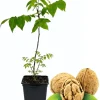
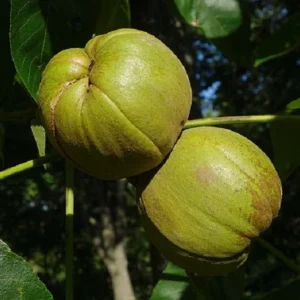
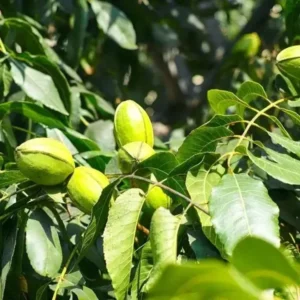
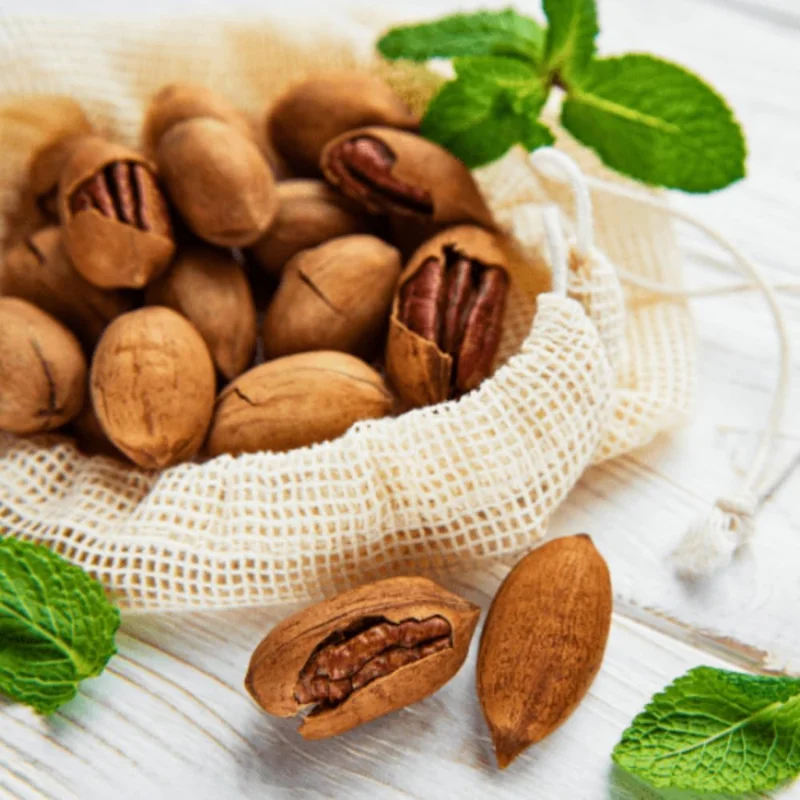
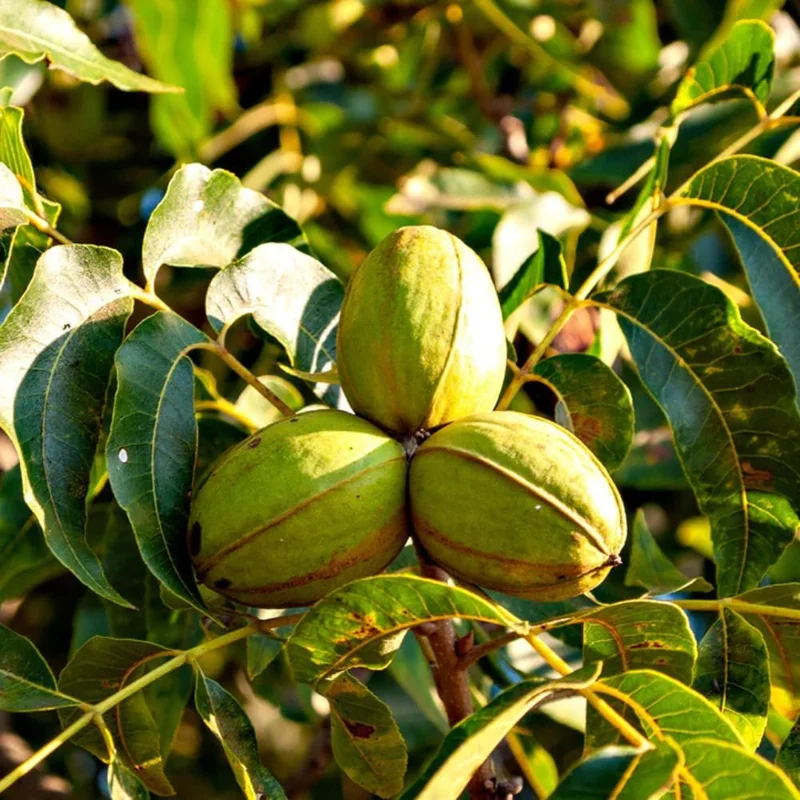
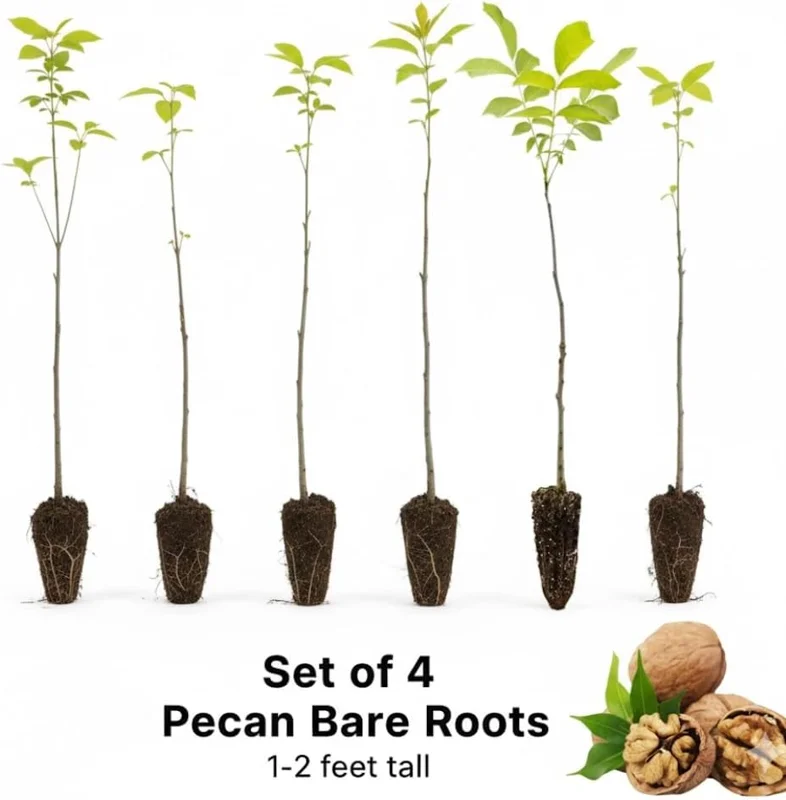
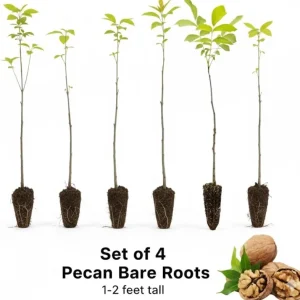
Embark on a rewarding gardening journey with this set of four pecan tree live plant bare root seedlings. These young, dormant trees, each standing 1-2 feet tall, are an excellent choice for establishing a home orchard, enhancing your landscape, or creating a shaded haven. Pecan trees (Carya illinoinensis) are renowned for their delicious nuts and stately presence, making them a valuable addition to any property. Our bare root pecan tree offerings are carefully selected to ensure vigorous growth and successful establishment, providing you with the foundation for a thriving pecan grove for years to come. These robust seedlings represent an investment in both the beauty and bounty of your outdoor space, promising a future of fresh, homegrown pecans.
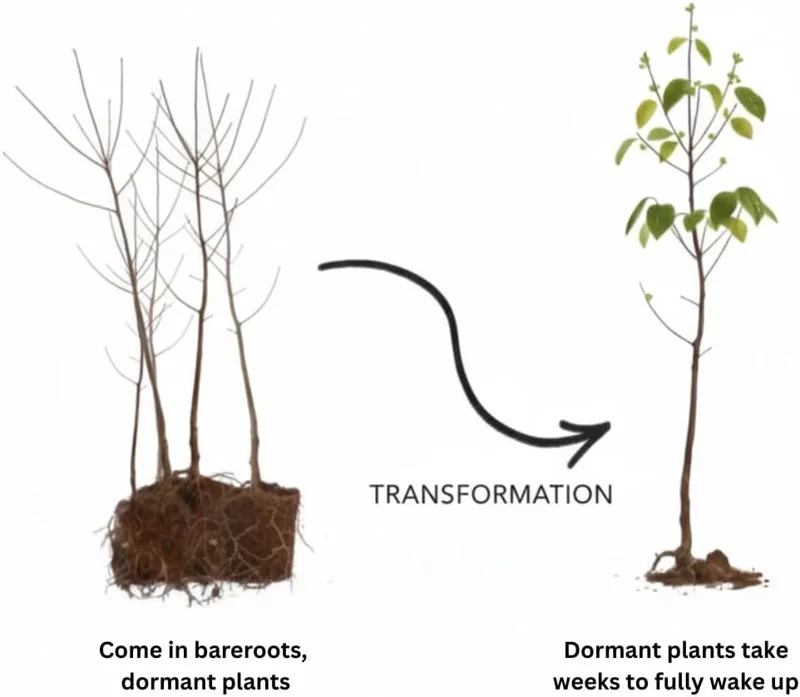
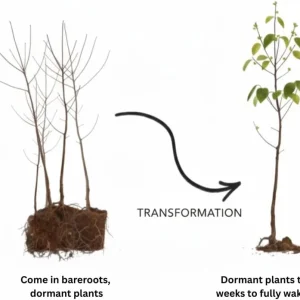
These seedlings are delivered in a dormant state, which is the optimal time for planting, allowing them to focus their energy on root development once introduced to their new environment. With proper care, these young trees will quickly become a prominent feature, offering not only ornamental value but also a sustainable source of nutritious nuts. Ideal for gardeners looking to cultivate a productive and long-lasting food source, these pecan trees are a testament to nature’s generosity.
Key Benefits
Adding these pecan trees to your property offers numerous advantages, blending aesthetic appeal with practical benefits. These hardy nut trees are designed to thrive, providing a multitude of reasons to make them a part of your landscape:
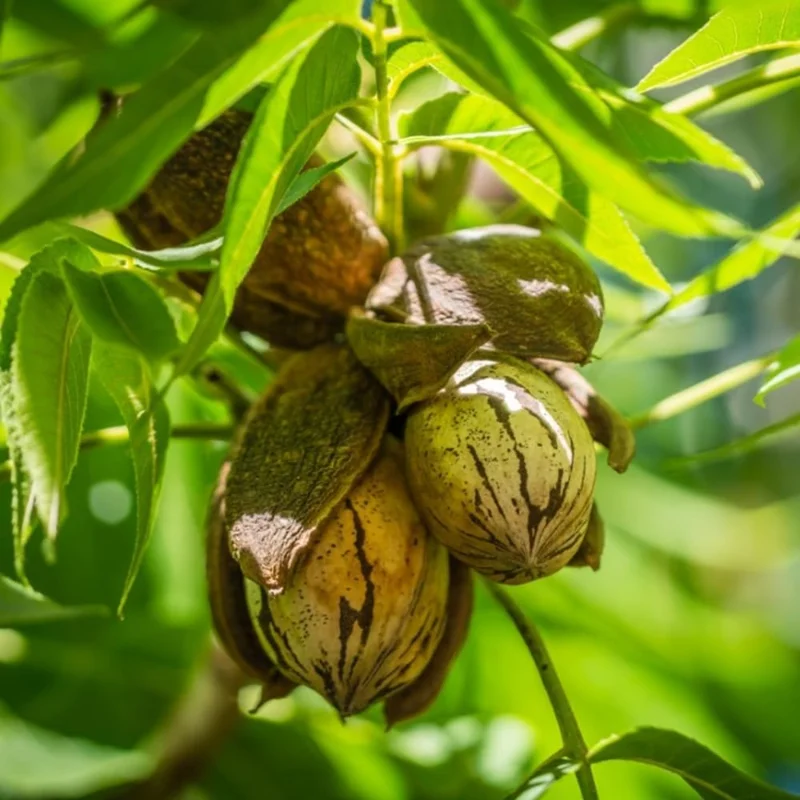
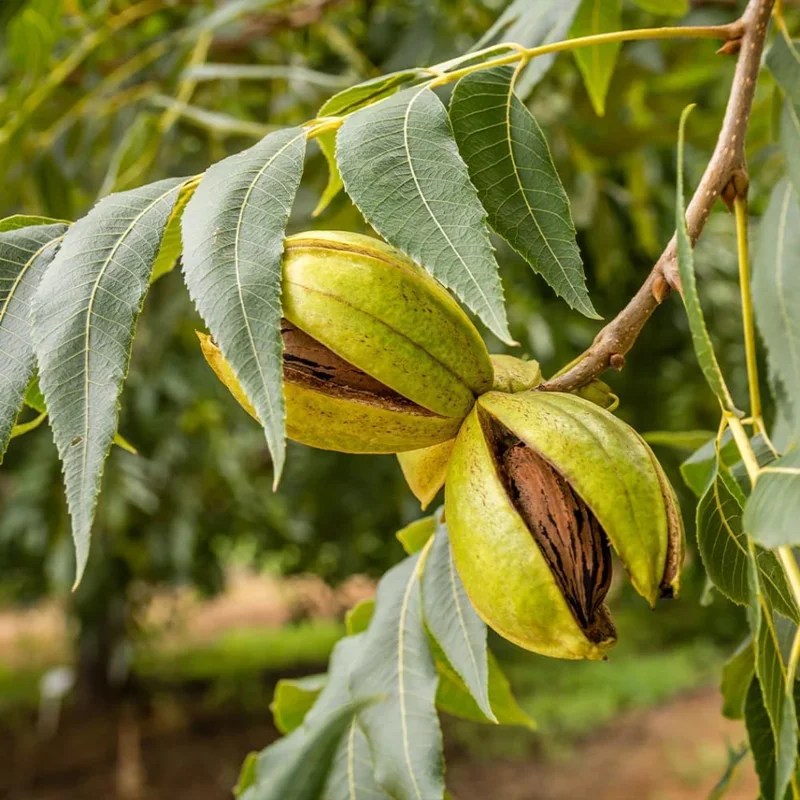
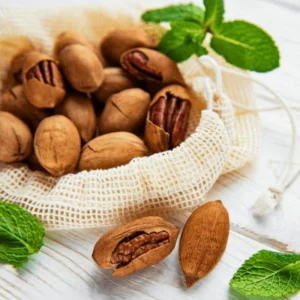
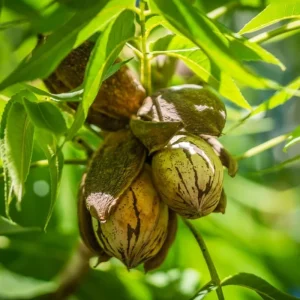
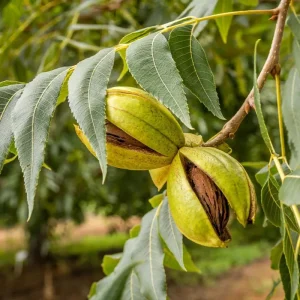
- Homegrown Pecans: Enjoy the unparalleled taste of fresh, organic pecans harvested directly from your own backyard. These nuts are not only delicious but also packed with healthy fats and nutrients. Growing your own ensures a fresh supply, far superior to store-bought varieties.
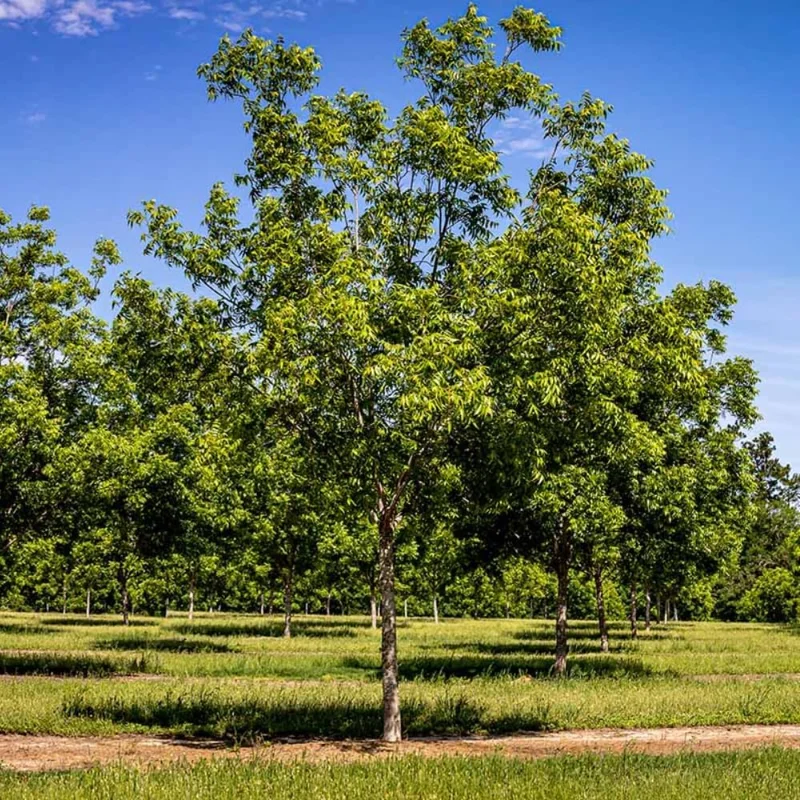
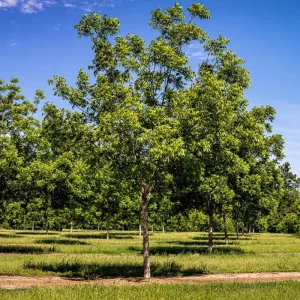
- Shade and Ornamental Value: Mature pecan trees can reach impressive heights of 50-70 feet, casting generous shade during hot summer months. Their broad canopies and attractive foliage also contribute significantly to the aesthetic beauty of your landscape, enhancing curb appeal.
- Long-Term Investment: Pecan trees are long-lived, often producing nuts for many decades. Planting a pecan tree live plant is a long-term investment that increases property value and provides a sustainable food source for generations.
- Wildlife Attraction: The nuts produced by pecan trees serve as a valuable food source for local wildlife, including squirrels, birds, and deer, contributing to the biodiversity of your garden ecosystem.
- Adaptable and Resilient: These seedlings are hardy and adaptable to a variety of soil types and climates within their recommended USDA zones, making them a versatile choice for many regions. Their resilience ensures they can withstand various environmental conditions.
- Easy to Plant: Shipped as bare root dormant seedlings, they are easy to handle and plant, requiring minimal effort to get started. This makes the process of planting pecan trees accessible even for novice gardeners.
- Environmental Benefits: Like all trees, pecan trees help improve air quality, reduce carbon dioxide, and prevent soil erosion, contributing positively to the local environment and global health.
Plant Care & Growing Tips
Ensuring the successful growth of your pecan tree live plant seedlings requires attention to specific care guidelines. These hardy nut trees are relatively low-maintenance once established, but initial care is crucial for healthy development. Pecan trees thrive in areas with abundant sunshine. They require at least 6-8 hours of full sun daily to produce a bountiful harvest of nuts. Choose a planting site that is not overshadowed by buildings or other large trees. Good air circulation is also beneficial, so avoid overly crowded areas.
Watering is particularly important during the first few years after planting pecan trees. Keep the soil consistently moist but not waterlogged. Deep watering once or twice a week, especially during dry spells, is more effective than frequent shallow watering. As the trees mature, they become more drought-tolerant. Pecan trees prefer deep, well-draining, sandy loam soil with a pH between 6.0 and 7.0. While adaptable to various soils, good drainage is paramount to prevent root rot. Incorporating organic matter at planting time can improve soil structure and fertility. These trees are hardy for USDA zones 6-9, meaning they can withstand winter temperatures down to -10°F to 0°F. Protecting young trees from harsh winter winds in colder zones can be beneficial.
Fertilize your young pecan trees with a balanced fertilizer in late winter or early spring, before new growth begins. Follow the product instructions for application rates, typically increasing the amount as the tree grows. Pruning should be done in late winter to remove dead, diseased, or crossing branches and to shape the tree for optimal light penetration and strong structure. Watch out for common pests like aphids and pecan weevils, and diseases such as scab. Regular inspection and appropriate organic treatments can keep these issues in check, ensuring your outdoor pecan tree remains healthy and productive.
Size & Details
This offering includes a set of four pecan tree live plant bare root seedlings, each carefully selected to be approximately 1-2 feet tall upon arrival. These dormant plants are shipped without soil around their roots, which is the standard and most effective method for transporting and planting deciduous trees during their dormant season. This allows the trees to be easily handled and transplanted, minimizing shock. Once planted, these young bare root pecan tree specimens will focus their energy on developing a strong root system before leafing out in the spring. While they are small now, mature pecan trees are impressive, reaching heights of 50-70 feet with a spread of 30-50 feet over many years, providing significant shade and a substantial yield of nuts. Expect your trees to begin producing nuts within 5-10 years, with full production achieved after 10-15 years, making them a rewarding long-term addition to your garden.
Frequently Asked Questions
- Q: How big do these pecan trees get? A: These are 1-2 feet tall bare root seedlings. Mature pecan tree live plant specimens can grow to be 50-70 feet tall with a spread of 30-50 feet, providing substantial shade and a large nut harvest.
- Q: Is this an indoor or outdoor plant? A: These are outdoor pecan tree plants. Pecan trees require ample space and full sun exposure to thrive and produce nuts, making them unsuitable for indoor cultivation.
- Q: How much sunlight does a pecan tree need? A: Pecan trees require at least 6-8 hours of full, direct sunlight daily for optimal growth and nut production. Choose a sunny location for planting pecan trees.
- Q: What condition will the trees arrive in? A: Your pecan trees will arrive as bare root pecan tree dormant seedlings, meaning they will not have leaves and will be shipped without soil around their roots, securely packaged for transit. This is normal and ideal for planting.
- Q: When is the best time to plant these pecan trees? A: The best time for planting pecan trees is typically in late winter or early spring while the trees are still dormant, which allows them to establish their root system before the growing season begins.
- Q: Will these hardy nut trees survive winter in my zone? A: These pecan trees are hardy for USDA zones 6-9. If you are in this range, they should survive winter temperatures without special protection once established.
- Q: How long until these trees start producing nuts? A: You can typically expect these hardy nut trees to start producing nuts within 5-10 years after planting, with full production achieved after 10-15 years.
- Q: What kind of soil is best for pecan trees? A: Pecan trees prefer deep, well-draining, sandy loam soil with a slightly acidic to neutral pH (6.0-7.0). Good drainage is crucial to prevent root issues.
- Q: Are these pecan trees easy to care for? A: Once established, pecan trees are relatively low-maintenance. Initial care, especially watering and proper planting, is key for young pecan tree live plant seedlings.
- Q: Can I grow these as ornamental trees if I don’t want the nuts? A: Yes, even if you are not primarily interested in the nuts, pecan trees make excellent ornamental shade trees due to their large size and attractive foliage, providing significant landscape value.


Reviews
There are no reviews yet.