

Overview
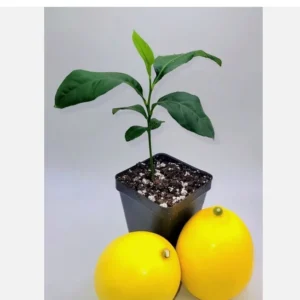
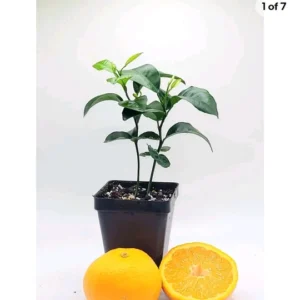
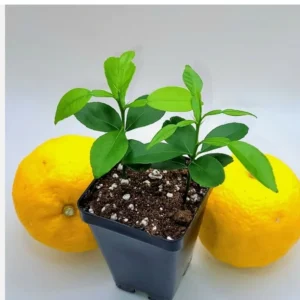
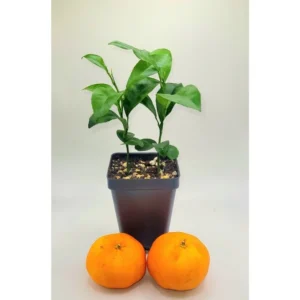
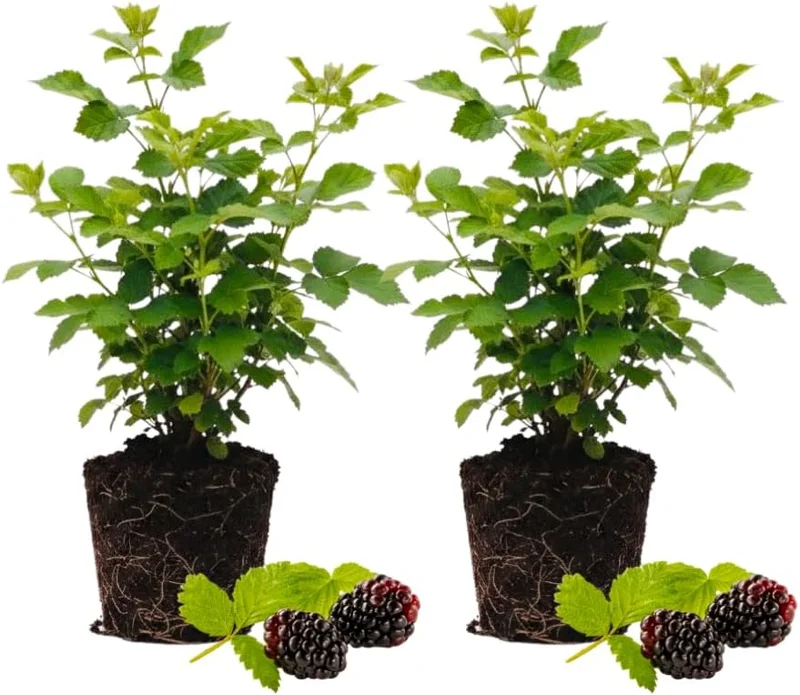
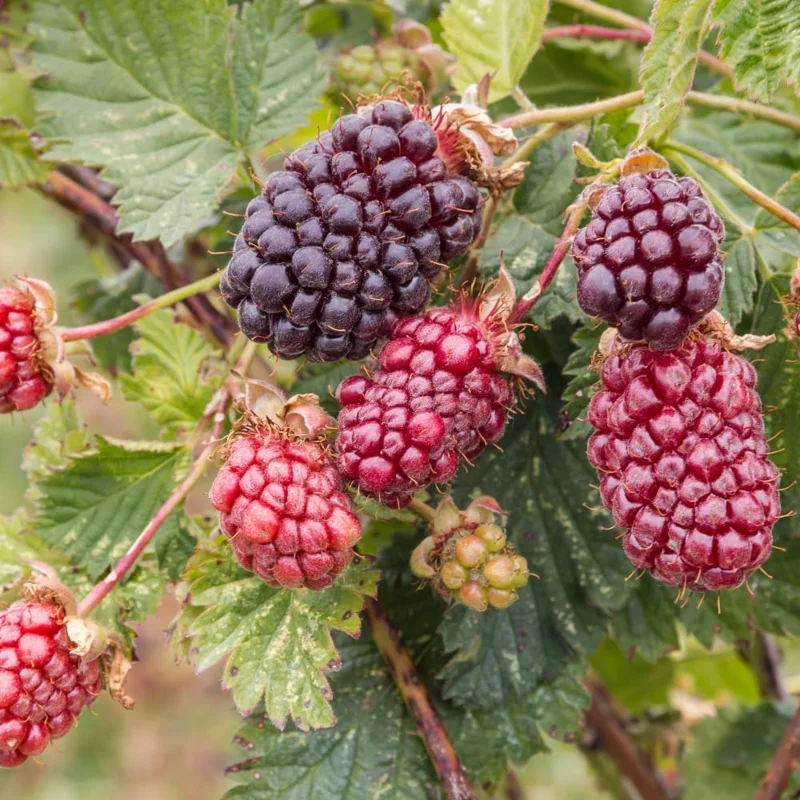
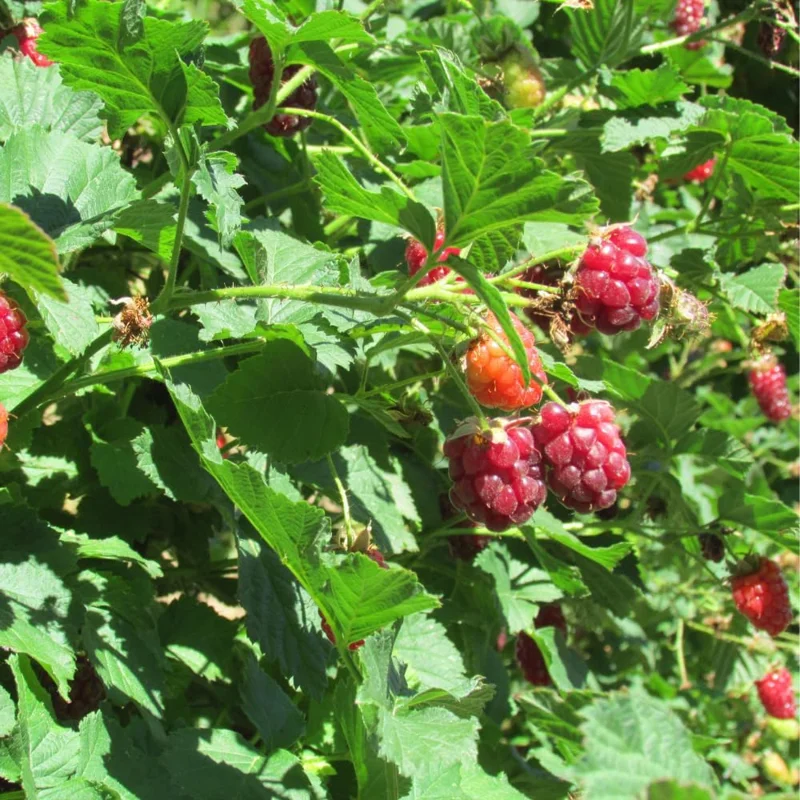
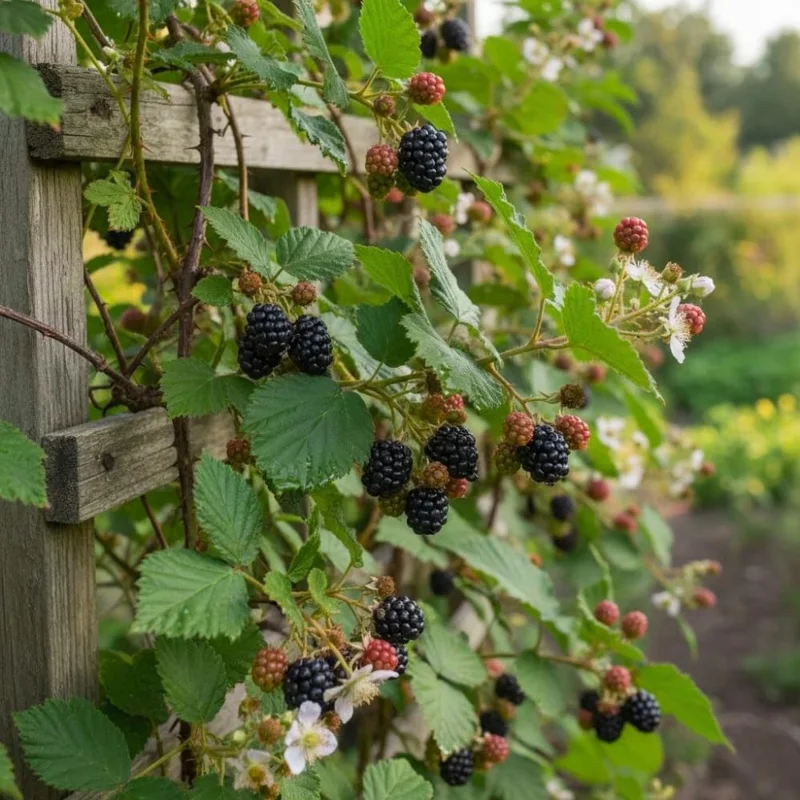
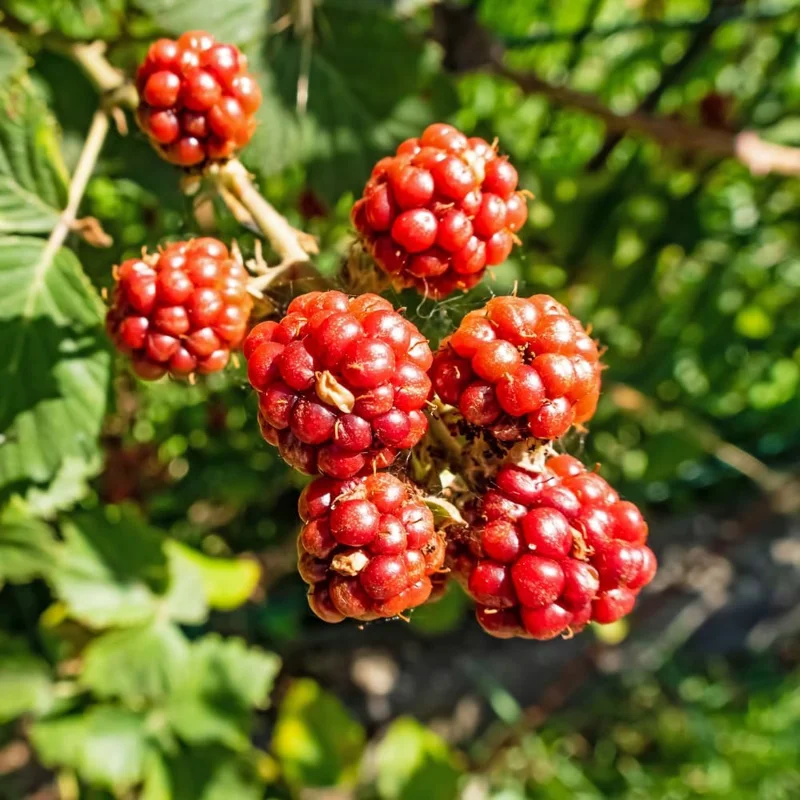
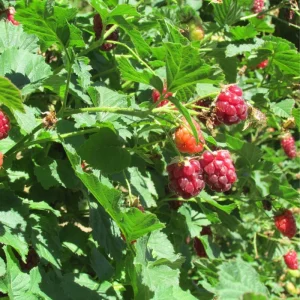
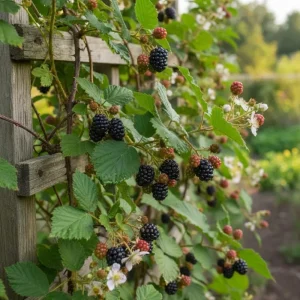
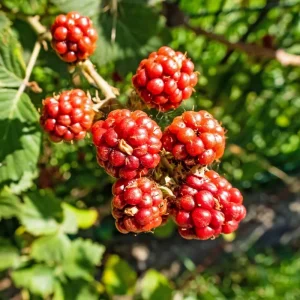
Bring the joy of fresh, homegrown berries to your garden with this exceptional set of thornless boysenberry live plant. These young plants, measuring 4 to 6 inches tall, are ready to be nurtured into productive berry bushes, offering a bounty of large, dark, and incredibly sweet berries. The boysenberry is a hybrid berry, a cross between a raspberry, blackberry, loganberry, and dewberry, resulting in a unique and delicious flavor profile. This particular variety is thornless, making harvesting a more enjoyable and less prickly experience. Whether you’re an experienced gardener or just starting, these easy-to-grow plants are a fantastic addition to any edible landscape, providing both beauty with their white spring flowers and delicious fruit in the summer. Enjoy the satisfaction of picking your own sweet berries right from your backyard or patio.
These thornless boysenberry live plant specimens are perfect for planting in spring, thriving in full sun and well-draining loam soil. They are adaptable for both indoor and outdoor growing, making them versatile for various garden setups. With proper care, these plants will grow into robust bushes, producing an abundance of fruit for years to come. Experience the rich flavor and health benefits of fresh boysenberries, known for their antioxidants and vitamins.
Key Benefits
Investing in a thornless boysenberry live plant offers numerous rewards for any home gardener:
- Effortless Harvesting: Being thornless, these boysenberry plants make picking your delicious fruit a comfortable and safe experience, eliminating the usual pricks associated with berry bushes. This feature is particularly beneficial for families with children or those who prefer a more pleasant gardening experience.
- Abundant & Sweet Berries: Each plant produces a generous yield of large, dark, and incredibly sweet berries. These versatile fruits are perfect for fresh eating, baking, jams, jellies, and desserts, offering a delightful culinary experience.
- Versatile Growing Options: These plants are suitable for both indoor and outdoor cultivation. While they thrive outdoors in appropriate USDA zones, they can also be grown in containers on patios or even indoors with proper care, allowing more gardeners to enjoy fresh berries.
- Low Maintenance: Known for being compact and relatively low maintenance, these growing boysenberry plants require minimal fuss once established. They are a great choice for gardeners looking for productive plants that don’t demand constant attention.
- Attractive Foliage & Flowers: Beyond their fruit, boysenberry plants feature attractive green foliage and produce beautiful white flowers in spring, adding ornamental value to your garden before the berries even appear.
- Hardy & Resilient: Ideal for USDA Hardiness Zones 5-9, these plants are robust and resilient, capable of withstanding a range of climatic conditions, ensuring a reliable harvest year after year.
- Fresh, Healthy Produce: Growing your own berries ensures you have access to fresh, pesticide-free fruit packed with vitamins and antioxidants, contributing to a healthier lifestyle. Enjoy the superior taste and quality that only homegrown produce can offer.
Plant Care & Growing Tips
Caring for your thornless boysenberry live plant is straightforward, ensuring a bountiful harvest of sweet berry plants. These plants thrive in locations that receive full sun, meaning at least 6-8 hours of direct sunlight per day. If growing indoors, place them near a south-facing window or use grow lights to ensure they get adequate light. Proper sunlight is crucial for optimal fruit production and plant health. The ideal soil type is a well-draining loam soil, rich in organic matter. Before planting, amend heavy clay soils with compost to improve drainage, and sandy soils to enhance water retention. Good drainage is vital to prevent root rot.
Watering should be consistent, especially during dry periods and when the fruit is developing. Keep the soil consistently moist but never waterlogged. Young plants will require more frequent watering until established. Once established, mature plants may tolerate short periods of drought but will produce better with regular moisture. Fertilize your growing boysenberry plants in early spring with a balanced slow-release fertilizer or an organic berry food, following package instructions. Avoid over-fertilizing, which can promote leafy growth at the expense of fruit production. Pruning is essential for maintaining plant vigor and maximizing yield; remove old, unproductive canes after fruiting and thin out weaker canes in late winter or early spring.
These plants are hardy in USDA Zones 5-9. In colder zones, provide winter protection by mulching heavily around the base or bringing potted plants indoors. Protect from extreme heat in warmer climates by providing some afternoon shade. Common pests include aphids and spider mites, which can usually be managed with organic insecticidal soaps or neem oil. Watch for fungal diseases like powdery mildew; good air circulation and proper spacing can help prevent these issues. With consistent boysenberry care, your plants will flourish and provide delicious berries.
Size & Details
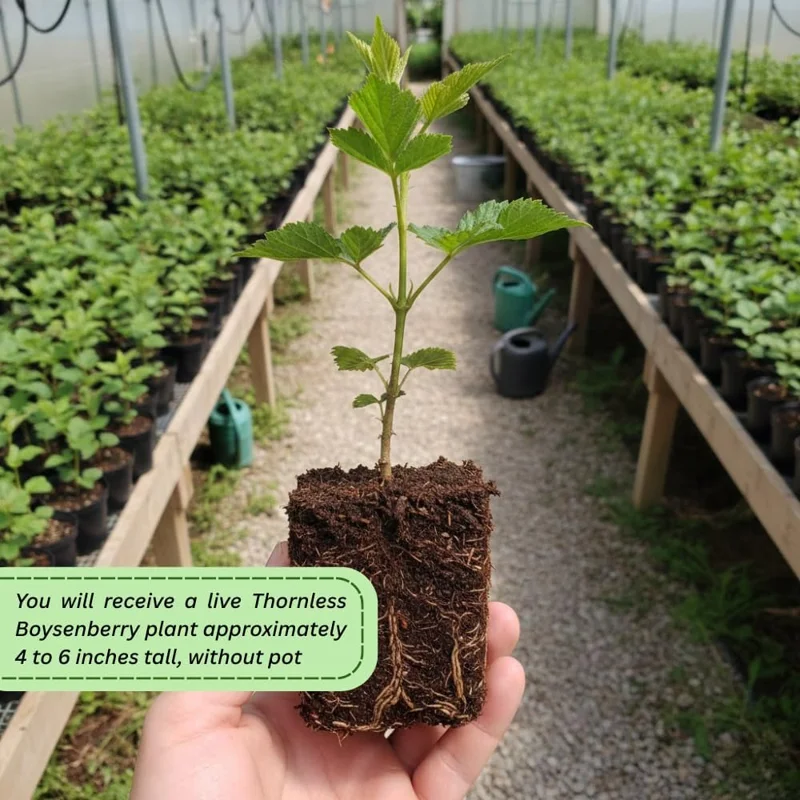
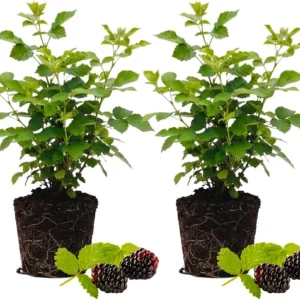
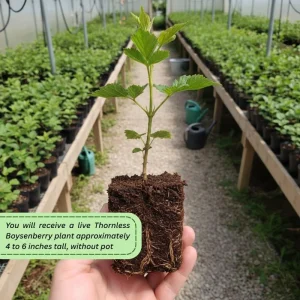
This offering includes a set of 2 thornless boysenberry live plant, each standing approximately 4 to 6 inches tall upon arrival. These young, vigorous plants are shipped as bare-root or in small nursery pots, ready for immediate planting in your garden or a larger container. Boysenberry plants are known for their trailing to semi-upright canes, which benefit greatly from structural support such as a trellis or stakes as they mature. The expected mature height of these plants is around 4 feet, with a similar spread if allowed to trail. They typically begin producing fruit in their second year after planting, with white spring flowers followed by the dark, sweet berries in summer.
The plants are ideal for cultivation in USDA Hardiness Zones 5 through 9, adapting well to a variety of climates within this range. They prefer full sun exposure for optimal fruiting and performance. With proper boysenberry care, these plants will establish quickly and become a productive part of your garden for many seasons. The berries are typically ready for harvest from late spring to mid-summer, depending on your specific climate and planting time. Enjoy the satisfaction of growing your own delicious, thornless berries.
Frequently Asked Questions
- Q: How big do these boysenberry plants get? A: These thornless boysenberry live plant specimens are 4 to 6 inches tall when shipped. With proper care, they can grow up to 4 feet tall and wide, especially if given structural support for their trailing canes.
- Q: Is this an indoor or outdoor plant? A: These boysenberry plants are versatile and can be grown both indoors and outdoors. For optimal fruiting, outdoor planting in full sun within USDA Zones 5-9 is recommended. They can also thrive in large containers on patios or indoors near a sunny window.
- Q: How much sunlight does a thornless boysenberry need? A: For the best berry production, your thornless boysenberry live plant requires full sun exposure, which means at least 6 to 8 hours of direct sunlight per day. Insufficient light can lead to fewer berries and weaker plant growth.
- Q: Is this plant easy to care for? A: Yes, this thornless boysenberry variety is considered relatively low maintenance. It requires consistent watering, good drainage, and annual pruning, making it a good choice for both novice and experienced gardeners looking for sweet berry plants.
- Q: What condition will the plants arrive in? A: Your boysenberry plants will arrive healthy and ready for planting, typically as bare-root specimens or in small nursery pots. We ensure they are carefully packaged to withstand transit and arrive in excellent condition.
- Q: When is the best time to plant these boysenberries? A: The ideal time for planting your thornless boysenberry live plant is in the spring, once the danger of hard frost has passed. This allows the plants ample time to establish their root system before the summer heat.
- Q: How long until these plants produce berries? A: Boysenberry plants typically begin producing fruit in their second year after planting. You can expect to see white spring flowers followed by delicious berries in the summer.
- Q: What type of soil is best for growing boysenberries? A: Boysenberries prefer well-draining loam soil that is rich in organic matter. Ensure the soil has good drainage to prevent waterlogging, which can be detrimental to the plant’s health.
- Q: Will this thornless berry bush survive winter in my zone? A: This thornless berry bush is hardy in USDA Zones 5-9. In colder parts of this range, mulching around the base can provide extra winter protection. Potted plants in colder zones can be moved indoors for winter.
- Q: Do these plants need a trellis or support? A: Yes, boysenberry plants have trailing to semi-upright canes that benefit significantly from structural support like a trellis, stakes, or an arbor. This helps manage growth, improves air circulation, and makes harvesting easier.


Reviews
There are no reviews yet.