Overview
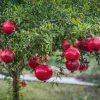
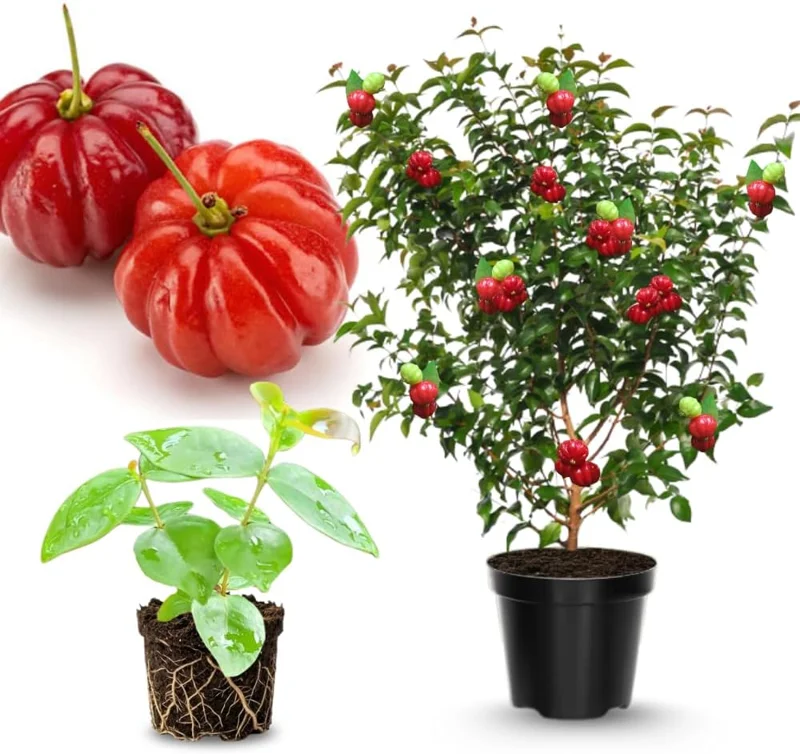
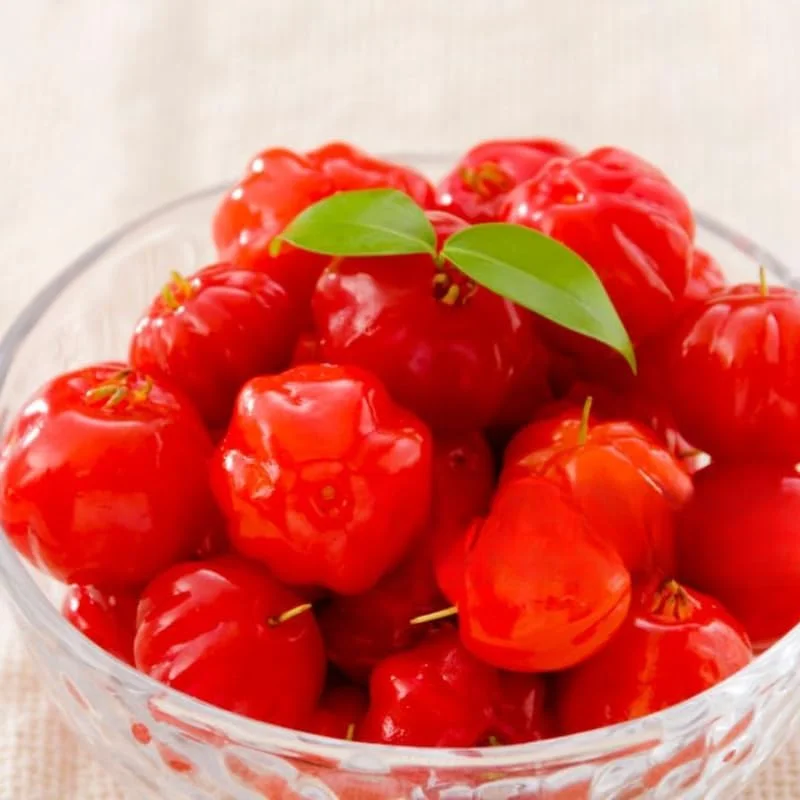
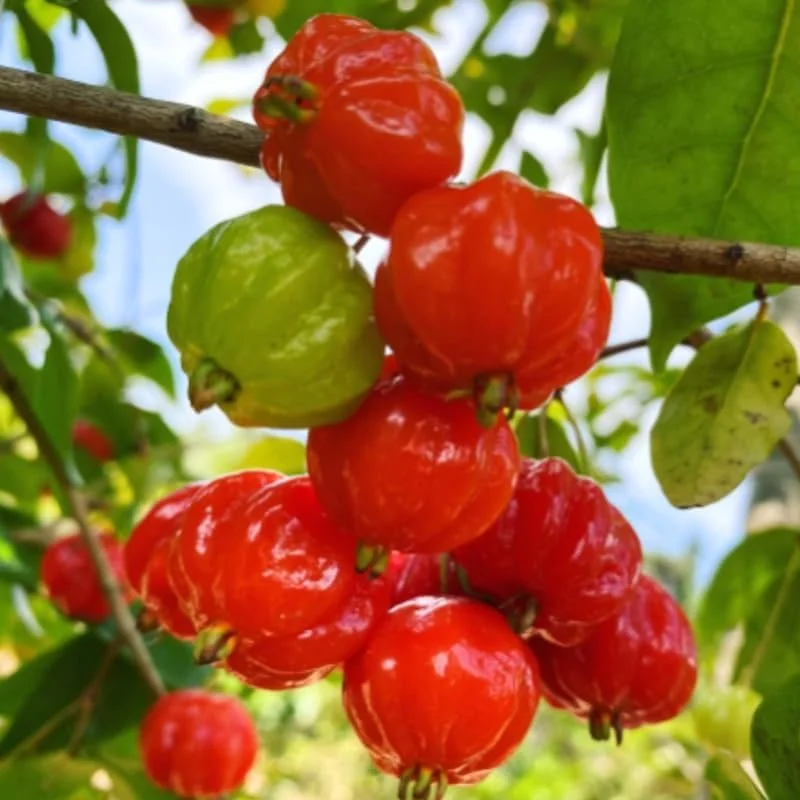
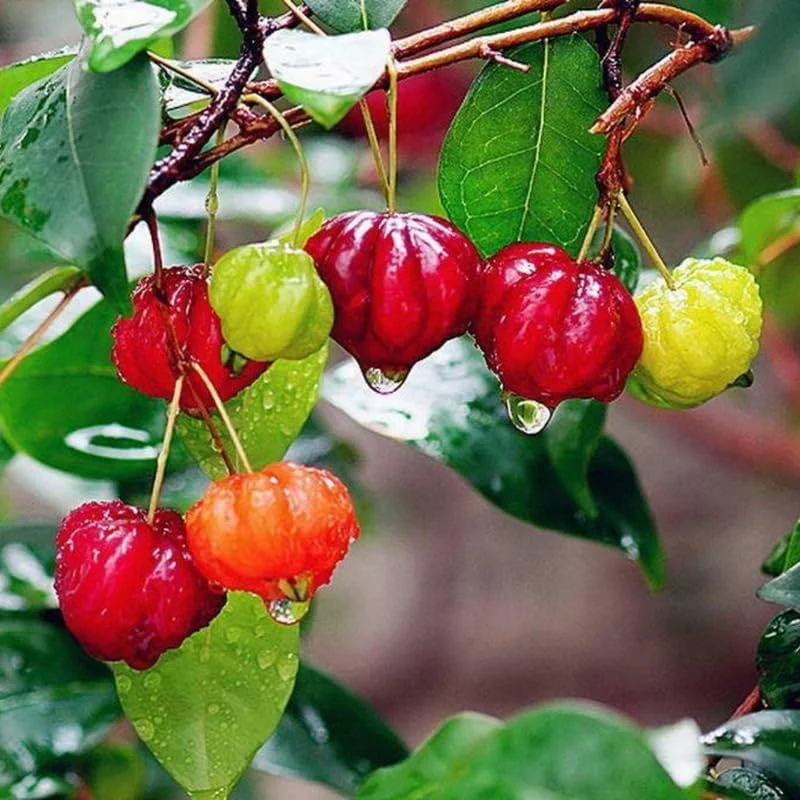
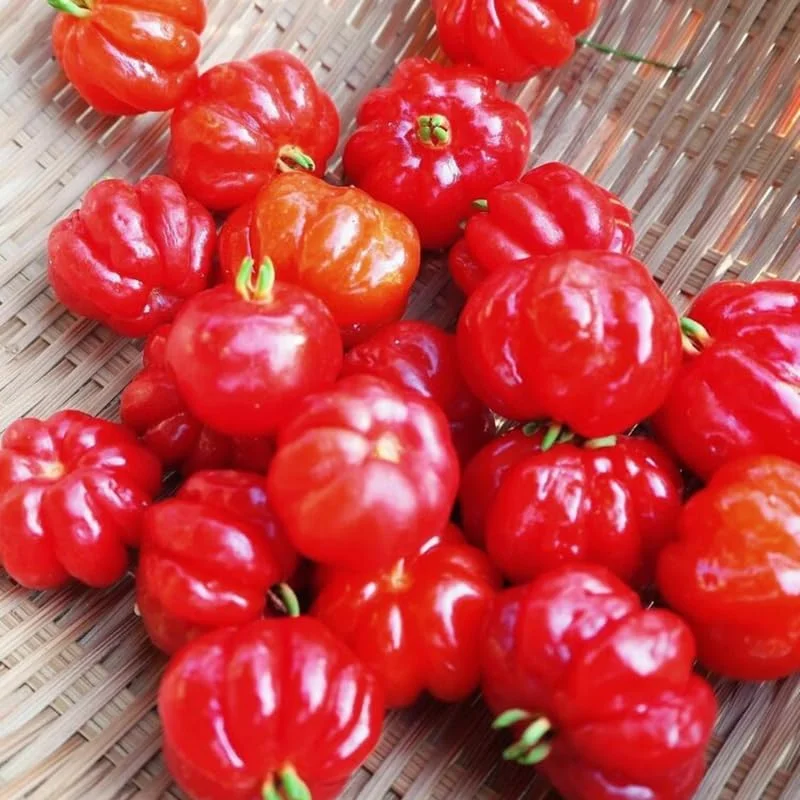
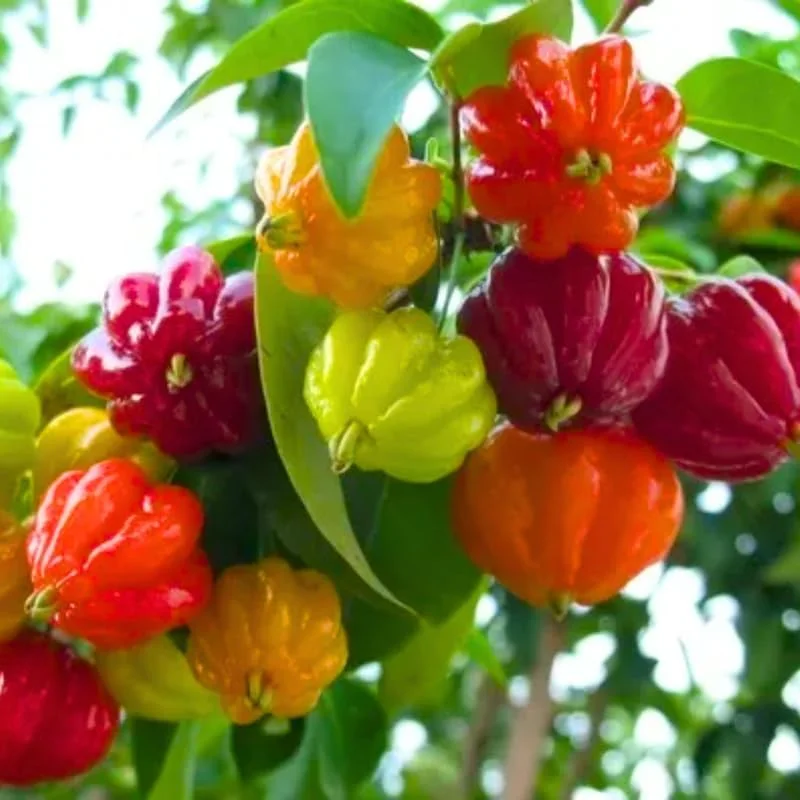
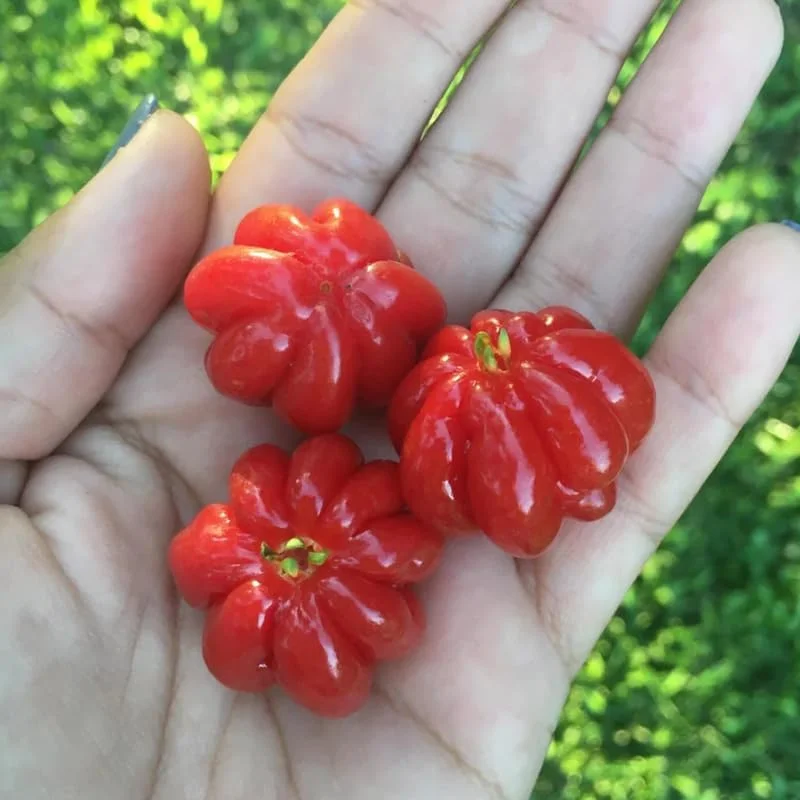
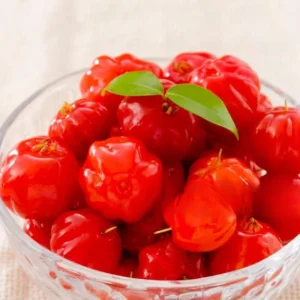
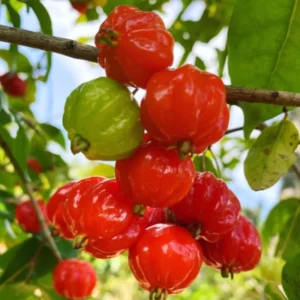
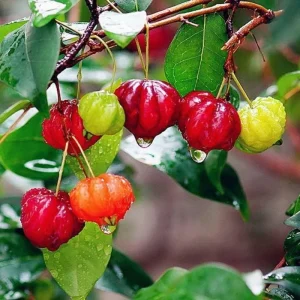
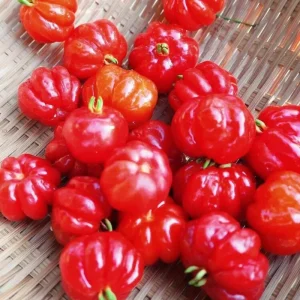
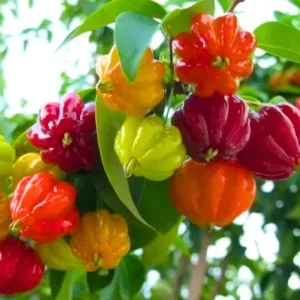
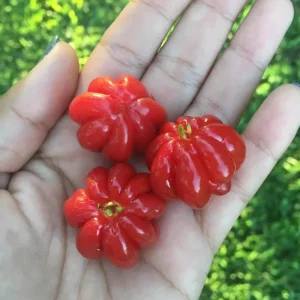
Cultivate your own exotic fruit with this vibrant surinam cherry tree live plant. Known for its unique sweet-tart flavor, the Surinam cherry (Eugenia uniflora), also commonly referred to as Pitanga, is a delightful addition to any garden or patio. This particular specimen is a young, vigorous live plant, typically measuring 4-8 inches tall, ready to establish itself and grow into a productive fruit-bearing tree. Ideal for fruit enthusiasts and gardeners looking for an interesting and rewarding plant, the surinam cherry tree live plant is celebrated for its rapid growth and abundant yields. Its attractive foliage and bright red, ribbed fruits make it a beautiful and functional choice for various landscape designs or container gardening.
Originating from tropical South America, the Surinam cherry thrives in warm climates but can also be grown in containers in cooler regions, allowing you to move it indoors during colder months. This makes it a versatile option for many gardeners across the United States. The fruits are not only delicious but also rich in nutrients, offering a healthy snack straight from the branch. Growing your own edible fruit tree provides fresh, organic produce and the satisfaction of nurturing a plant from its early stages to fruit production.
Key Benefits
Adding a Surinam cherry tree to your collection offers numerous advantages, from its aesthetic appeal to its bounty of delicious fruit. Here are some of the key benefits you can expect from this remarkable plant:
- Exotic Sweet-Tart Fruit: Enjoy the unique flavor profile of Surinam cherries, which offer a delightful balance of sweetness and tang. These fruits are perfect for eating fresh, making jams, jellies, or even beverages.
- High Yield: This fast-growing variety is known for its prolific fruiting, providing you with an abundant harvest of cherries once established. You’ll have plenty to share or process.
- Easy to Grow: The surinam cherry tree live plant is a low-maintenance option, making it ideal for beginner gardeners or those seeking an easy-care fruit tree. It adapts well to various conditions with minimal fuss.
- Versatile Landscaping: Its attractive, glossy green leaves and vibrant red fruits make it a beautiful ornamental shrub or small tree. It can be grown as a hedge, a standalone specimen, or a container plant on a patio.
- Adaptable to Zones 9-11: Thrives outdoors in warmer climates, specifically USDA Hardiness Zones 9-11. In cooler zones, it can be successfully grown as a container plant and brought indoors during winter, making it a flexible choice for many regions.
- Nutrient-Rich Produce: Surinam cherries are packed with vitamins and antioxidants, offering a healthy and delicious addition to your diet straight from your own garden.
Plant Care & Growing Tips
Caring for your surinam cherry tree live plant is straightforward, making it an excellent choice for gardeners of all experience levels. Understanding its basic needs will ensure healthy growth and a bountiful harvest. The Surinam cherry thrives in full sun, requiring at least 6-8 hours of direct sunlight per day to produce the best fruit. While it can tolerate partial shade, fruit production may be reduced. If growing indoors, place it near a south-facing window or use supplemental grow lights to meet its light requirements. This plant is well-suited for outdoor planting in USDA Zones 9-11, where it can withstand mild winters. In colder climates, growing it in a pot allows you to easily move it indoors when temperatures drop below 40°F (4°C).
Watering is crucial, especially for young plants. Keep the soil consistently moist but never waterlogged. Allow the top inch or two of soil to dry out slightly between waterings. Overwatering can lead to root rot, so ensuring good drainage is essential. A well-draining soil mix, preferably slightly acidic to neutral (pH 6.0-7.0), is ideal. For potted plants, use a high-quality potting mix with perlite or sand added to improve drainage. Fertilize your surinam cherry tree live plant with a balanced, slow-release fertilizer designed for fruiting plants during the growing season (spring and summer) to encourage strong growth and fruit development. Pruning can be done to maintain shape, size, and encourage bushier growth, though it’s not strictly necessary for fruit production. Regular inspection for pests and diseases will help you address any issues promptly, ensuring your grow surinam cherry plant remains healthy and productive.
Size & Details
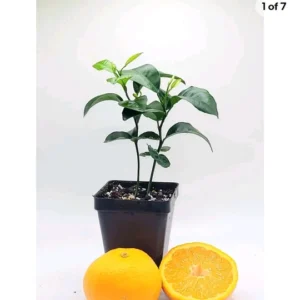
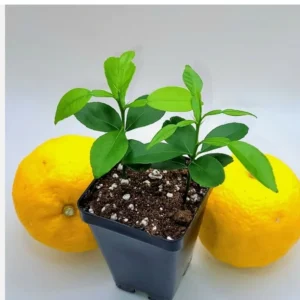
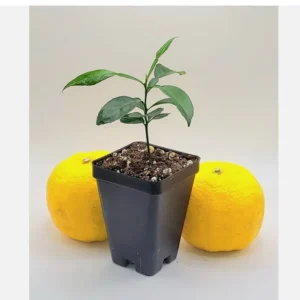
This offering is for one young surinam cherry tree live plant, typically ranging from 4 to 8 inches in height upon arrival. These plants are shipped without a pot, allowing for easier transplanting into your preferred container or garden spot. While young, these plants are fast-growing and will quickly establish themselves with proper care, developing into a sizable shrub or small tree. Surinam cherry trees can reach heights of 6-15 feet in their natural habitat or when given ample space in the ground, though they can be kept smaller through pruning, especially when grown in containers. Expect your plant to begin producing fruit within 1-2 years under optimal growing conditions, offering a rewarding experience for any gardener looking to cultivate an edible fruit tree.
The growth rate is considered fast, meaning you won’t have to wait long to see significant development and eventually, your first harvest of delicious cherries. When potting, select a container that is at least 10-12 inches in diameter initially, gradually upsizing as the plant grows to accommodate its root system. This plant’s robust nature makes it a resilient choice for various gardening styles, from dedicated fruit orchards to ornamental patio displays. The vibrant red fruits are not only visually appealing but also a testament to the plant’s health and vitality, making the effort to grow surinam cherry truly worthwhile.
Frequently Asked Questions
- Q: How big does this Surinam cherry tree get? A: This surinam cherry tree live plant is currently 4-8 inches tall. In the ground, it can grow 6-15 feet tall, but can be maintained at a smaller size with pruning, especially when grown in a container.
- Q: Is this an indoor or outdoor plant? A: It can be both. The surinam cherry tree live plant thrives outdoors in USDA Zones 9-11. In cooler climates, it can be grown as a container plant and brought indoors during winter.
- Q: How much sunlight does it need? A: Surinam cherry trees prefer full sun, requiring at least 6-8 hours of direct sunlight daily for optimal growth and fruit production. Partial shade may result in fewer fruits.
- Q: Is this plant easy to care for? A: Yes, it is considered a low-maintenance plant, making it suitable for beginner gardeners. Basic care involves consistent watering, good drainage, and adequate sunlight to help you grow surinam cherry successfully.
- Q: What condition will it arrive in? A: Your surinam cherry tree live plant will arrive as a young, healthy specimen, typically 4-8 inches tall, without a pot, ready for planting.
- Q: How long until it blooms and fruits? A: Under optimal conditions, Surinam cherry trees can begin to bloom and produce fruit within 1-2 years of planting.
- Q: Will it survive winter in my zone? A: It will survive winters outdoors in USDA Zones 9-11. If you are in a colder zone, you will need to protect your pitanga tree from frost by bringing it indoors or providing adequate winter protection.
- Q: What kind of soil does it prefer? A: This plant thrives in well-draining soil, preferably slightly acidic to neutral (pH 6.0-7.0). For potted plants, use a quality potting mix amended with perlite or sand for better drainage.
- Q: Can I use the fruits for cooking? A: Absolutely! The sweet-tart flavor of Surinam cherries makes them excellent for fresh eating, as well as for making jams, jellies, pies, and even refreshing beverages. It’s a versatile edible fruit tree.
- Q: When is the best time to plant? A: The best time to plant is typically in spring or early summer, allowing the plant ample time to establish itself before extreme weather conditions.


Reviews
There are no reviews yet.