Overview
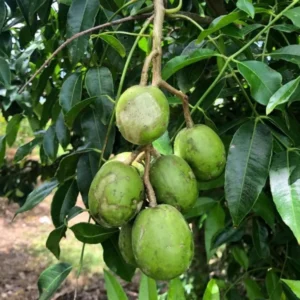
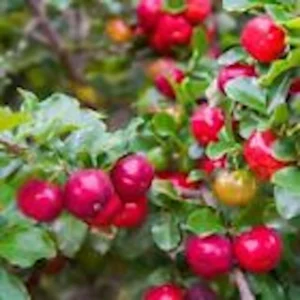
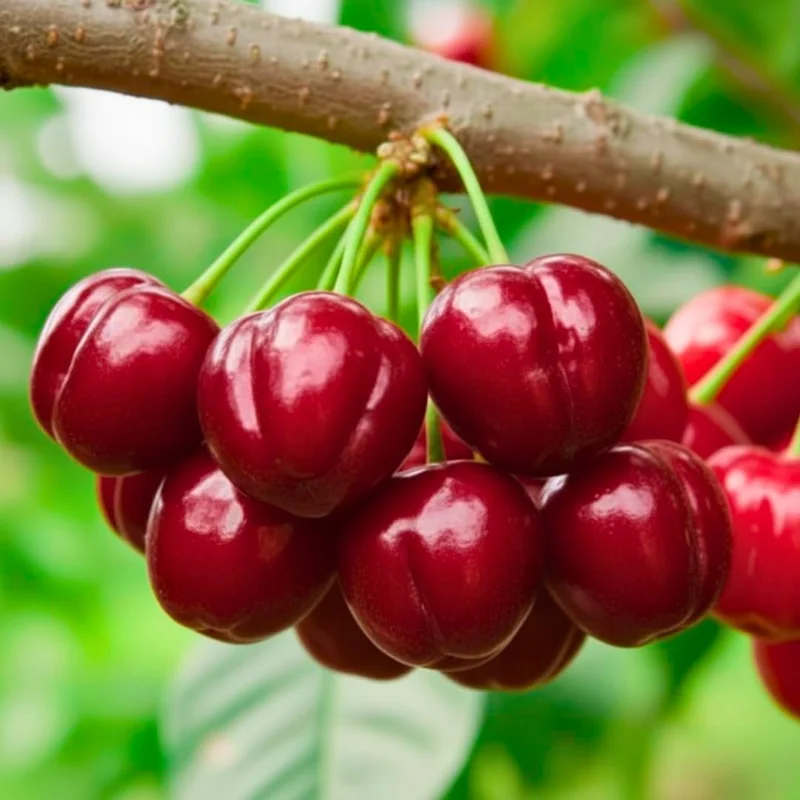
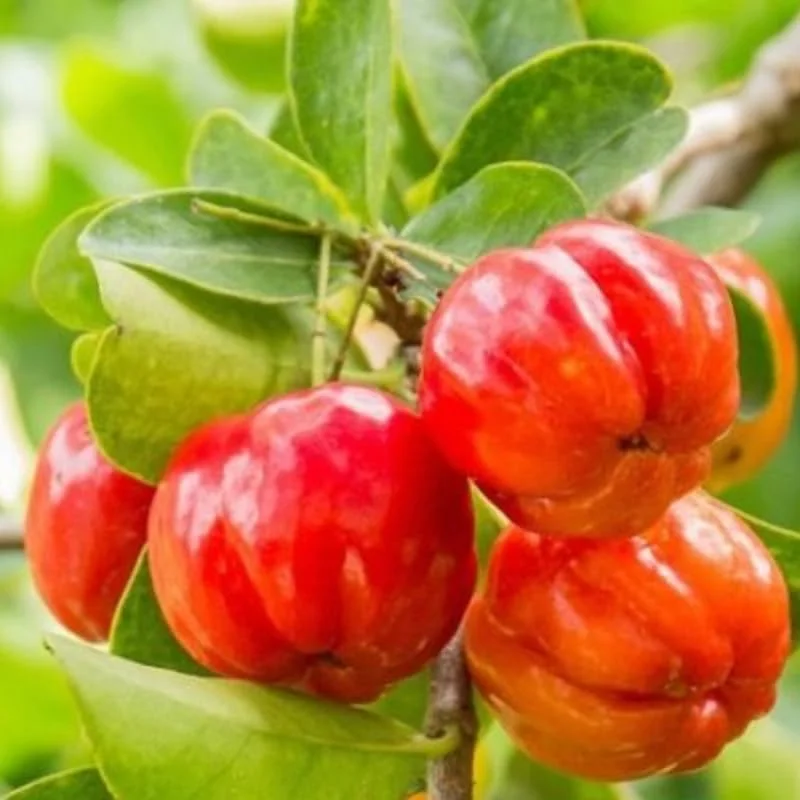
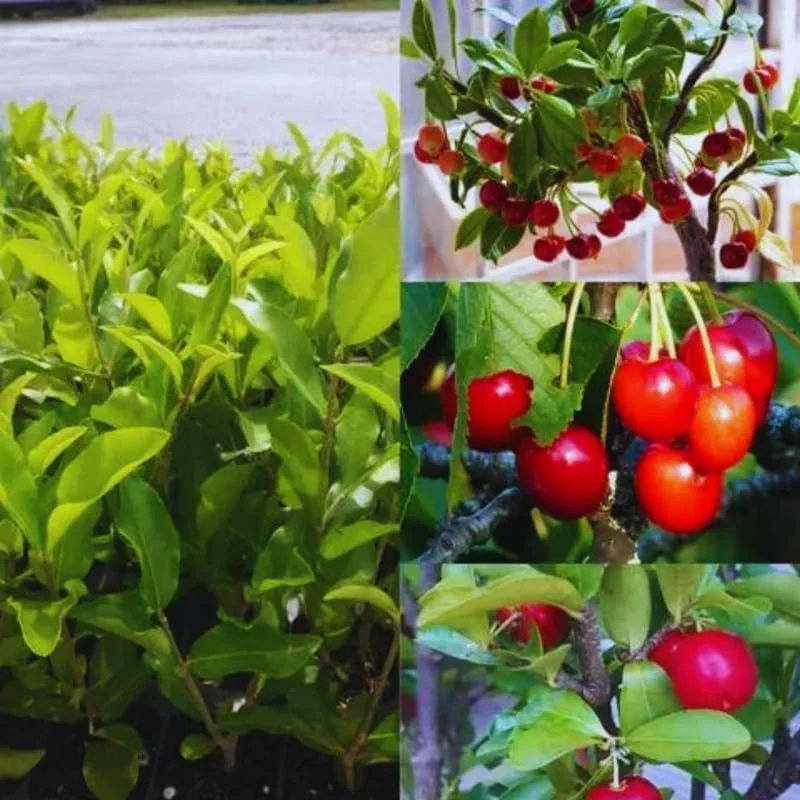
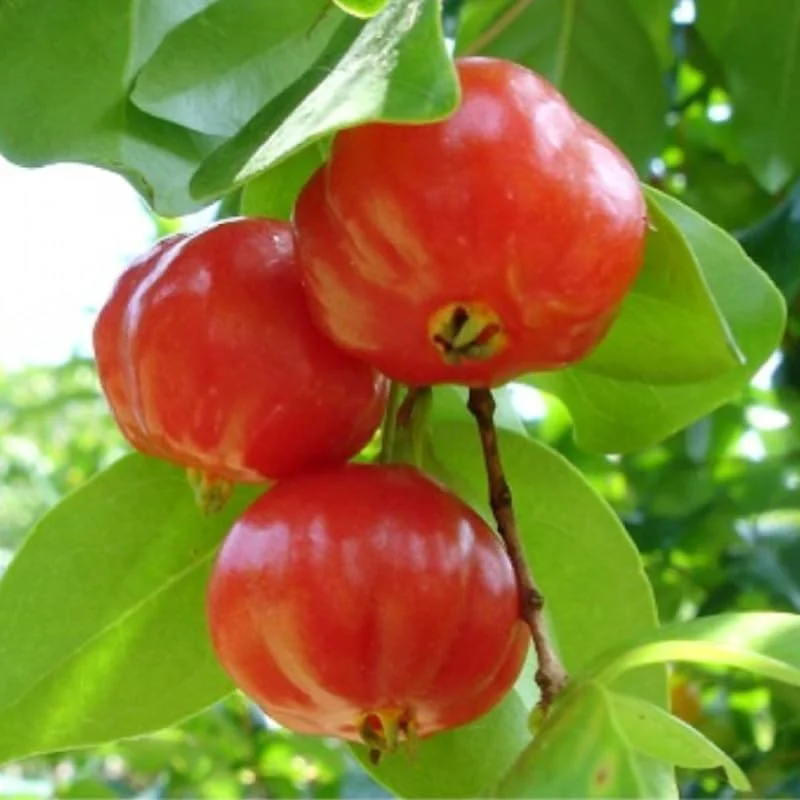
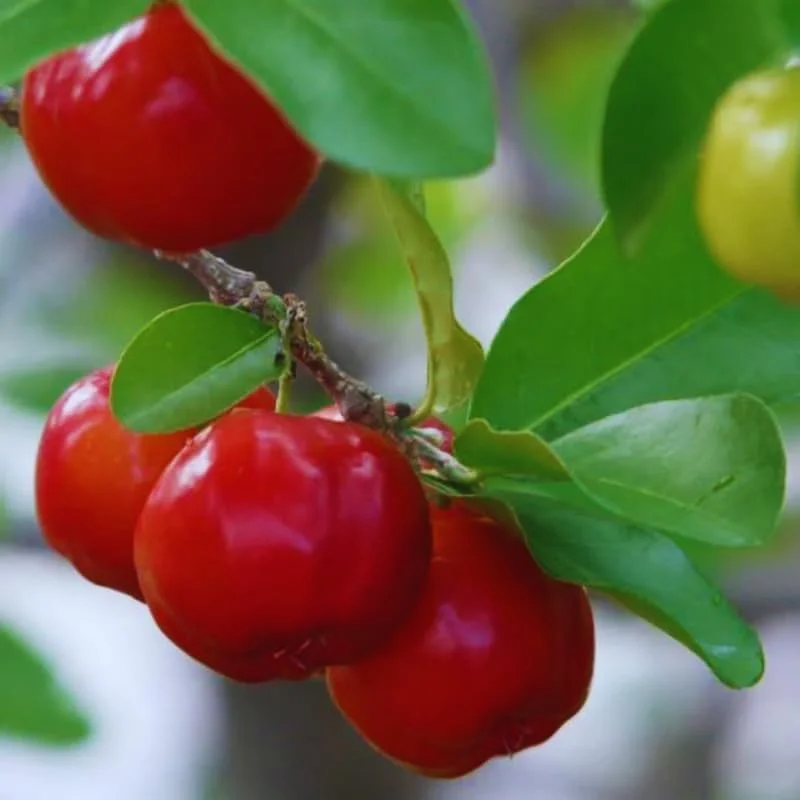
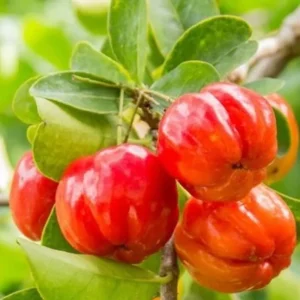
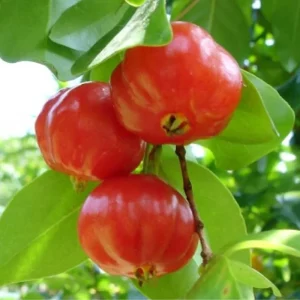
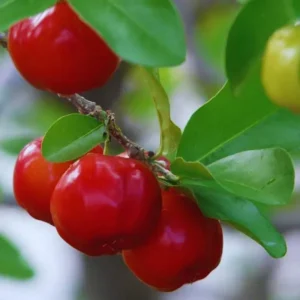
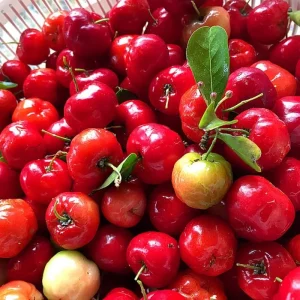
Bring the taste of the tropics to your home with the exquisite barbados cherry live plant. Also known as Acerola Cherry or Malpighia emarginata, this remarkable fruit tree is celebrated for its rapid growth and abundant production of vitamin C-rich fruit. Perfect for both seasoned gardeners and enthusiastic beginners, this live plant offers a unique combination of ornamental beauty and edible bounty. The Barbados Cherry is a versatile plant that can thrive in various settings, from a sunny garden bed to a container on your patio, making it an excellent choice for a productive and attractive addition to your landscape.
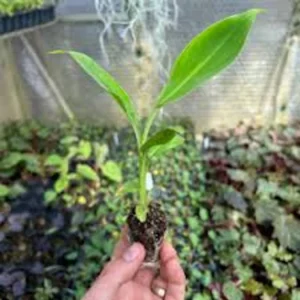
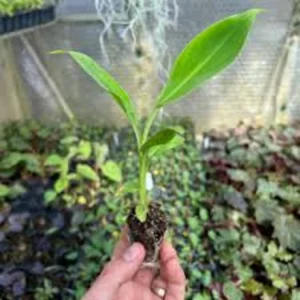
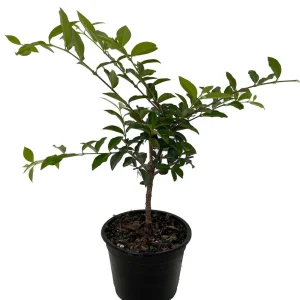
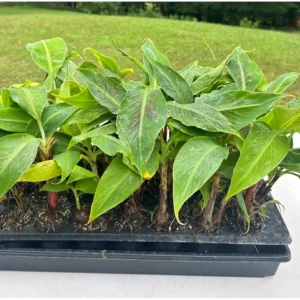
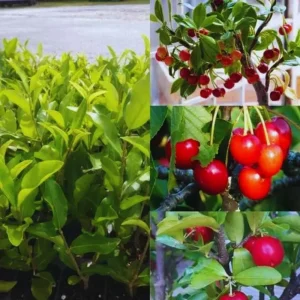
Our barbados cherry live plant arrives as a young, vibrant specimen, typically measuring 4-8 inches tall, ready to establish itself in its new environment. While it does not come with a pot, this allows for immediate transplantation into your preferred container or garden spot. Known for its resilience and adaptability, this tropical fruit plant promises a rewarding growing experience, culminating in a harvest of delectable, health-boosting cherries. Its lush green foliage and charming flowers add an aesthetic appeal even before the fruit begins to ripen.
Key Benefits
Choosing the barbados cherry live plant for your home or garden comes with a multitude of advantages, offering both culinary delights and visual appeal. This resilient plant is more than just a fruit producer; it’s a statement of vibrant, healthy living. Here are some of the key benefits you’ll enjoy:
- Fast-Growing & High Yielding: Experience the satisfaction of seeing your plant mature quickly and produce abundant fruit. This fast growing fruit tree ensures a generous harvest, making it a highly rewarding addition to any garden.
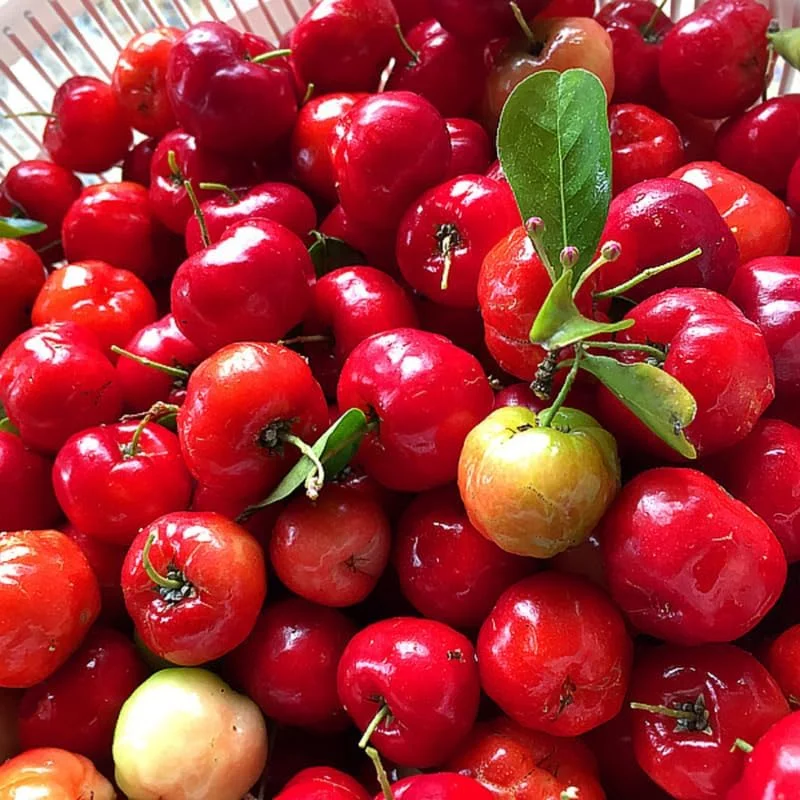
- Nutrient-Rich Fruit: Enjoy sweet and tart cherries packed with an exceptional amount of Vitamin C, surpassing many other fruits. These delicious fruits are perfect for fresh consumption, juices, jams, or desserts.
- Tropical Beauty & Adaptability: With its lush foliage and attractive flowers, the Barbados Cherry adds a touch of tropical elegance to any setting. It thrives in warm climates and can be grown in the ground or in containers.
- Easy to Maintain: This plant is known for its relatively low maintenance requirements, making it suitable for gardeners of all skill levels. It adapts well to various conditions once established.
- Versatile Culinary Use: The unique sweet and tangy flavor of the fruit makes it incredibly versatile. Use it in smoothies, cocktails, preserves, or simply enjoy it straight from the tree.
- Compact Growth Habit: While a tropical fruit plant, it typically maintains a manageable size, especially when grown in a container, making it ideal for smaller gardens, patios, or even balconies.
- Attracts Pollinators: The flowers of the Barbados Cherry are known to attract beneficial pollinators, contributing to the biodiversity and health of your garden ecosystem.
Plant Care & Growing Tips
Caring for your barbados cherry live plant is straightforward, ensuring a healthy and productive tree. For optimal growth and fruit production, understanding its specific needs is crucial. This tropical gem thrives in conditions that mimic its native environment, primarily warm temperatures and ample sunlight. Providing the right care will lead to a bountiful harvest of delicious cherries.
Sunlight requirements: The Barbados Cherry thrives in full sun, requiring at least 6-8 hours of direct sunlight per day to produce the most fruit. In extremely hot climates, some afternoon shade can be beneficial to prevent leaf scorch. For indoor cultivation, place it near a south-facing window or supplement with grow lights. Watering schedule and soil moisture preferences: Water regularly, especially during dry periods and when the plant is actively fruiting. Allow the top inch or two of soil to dry out between waterings to prevent root rot. Consistent moisture is key, but avoid waterlogging. Soil type and drainage requirements: This plant prefers well-draining soil with a slightly acidic to neutral pH (6.0-7.0). A good quality potting mix amended with compost or perlite works well for container growing. In the garden, ensure the soil is not heavy clay. Temperature range and USDA hardiness zone: The Barbados Cherry is a tropical plant, ideally suited for USDA Zones 9-11. It can tolerate brief drops in temperature but is not frost-hardy. Protect the plant from freezing temperatures, especially when young. Fertilization schedule and type: Fertilize every 2-3 months during the growing season (spring through fall) with a balanced, slow-release fertilizer or an organic fruit tree fertilizer. Reduce fertilization in winter. Common problems and solutions: Watch out for common pests like aphids or scale insects, which can be treated with insecticidal soap. Yellowing leaves may indicate overwatering or nutrient deficiency. Ensuring proper drainage and consistent feeding will help maintain a healthy acerola cherry tree.
Size & Details
This barbados cherry live plant is shipped as a young specimen, typically ranging from 4 to 8 inches in height. It is provided as a bare-root plant, meaning it will arrive without a pot, allowing you to choose the perfect container or garden spot for its new home. The plant is ready for immediate transplantation upon arrival. While initially small, the Barbados Cherry is a fast growing fruit tree, and with proper care, it can quickly establish itself and begin producing fruit.
Expected time to maturity for fruit production can vary, but many Barbados Cherry trees start bearing fruit within 1-2 years of planting, especially under ideal conditions. When mature, they can reach heights of 6-10 feet when grown in containers, or up to 20 feet in the ground if left unpruned. Regular pruning can help maintain a more compact size and encourage bushier growth, making it suitable for smaller spaces and easier harvesting. This sweet barbados cherry is a robust plant that will reward your efforts with bountiful harvests.
Frequently Asked Questions
- Q: How big does this plant get? A: When grown in a container, a Barbados Cherry tree typically reaches 6-10 feet tall. If planted in the ground and left unpruned, it can grow up to 20 feet. Regular pruning can help manage its size.
- Q: What size pot does it come in? A: This barbados cherry live plant is shipped without a pot, as a bare-root specimen, allowing you to choose the ideal container size for its initial planting. We recommend a pot at least 8-10 inches in diameter for starting.
- Q: Is this an indoor or outdoor plant? A: The Barbados Cherry is primarily an outdoor plant in USDA Zones 9-11. In colder climates, it can be grown outdoors during warm months and brought indoors as a potted plant when temperatures drop. It thrives as a tropical fruit plant.
- Q: How much sunlight does it need? A: This plant requires at least 6-8 hours of direct sunlight per day to produce the best fruit. Full sun is ideal, but in very hot climates, some afternoon shade can be beneficial.
- Q: Is this plant easy to care for? A: Yes, the Barbados Cherry is considered relatively easy to care for, making it a great choice for both novice and experienced gardeners. It’s known for its resilience and adaptability once established.
- Q: What condition will it arrive in? A: Your barbados cherry live plant will arrive as a healthy, young bare-root specimen, typically 4-8 inches tall, carefully packaged to ensure its safe journey. It will need to be planted promptly upon arrival.
- Q: Can I use acerola cherry in cooking? A: Absolutely! The fruit of the acerola cherry tree is delicious fresh, and can be used in juices, smoothies, jams, jellies, and desserts. Its high vitamin C content makes it a healthy addition to many recipes.
- Q: How long until it blooms and fruits? A: With proper care, your Barbados Cherry plant can begin blooming and producing fruit within 1-2 years after planting. Fruit production is typically abundant once the plant matures.
- Q: When is the best time to plant this tree? A: The best time to plant a Barbados Cherry is in the spring or early summer, after all danger of frost has passed, to allow it ample time to establish before cooler weather.
- Q: Will it survive winter in my zone? A: This plant is suitable for USDA Zones 9-11. If you live in a colder zone, you will need to provide winter protection or grow it in a container that can be moved indoors during cold months to protect your tropical fruit plant.


Reviews
There are no reviews yet.