






Overview
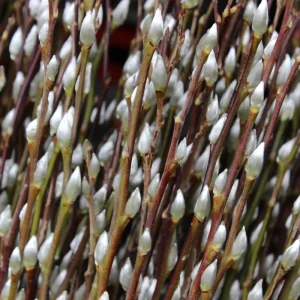
Introduce the delightful charm of early spring to your landscape with a pussy willow live plant. Known for its distinctive soft, furry catkins that appear before the leaves, this hardy shrub offers a unique textural and visual appeal. Our pussy willow, botanically known as Salix discolor, is a deciduous shrub that brings a touch of elegance and anticipation to the late winter and early spring garden. This live plant, provided in a 2.5-inch pot, is ready to establish itself in your outdoor space, offering beautiful blooms and a robust presence. Ideal for gardeners seeking a low-maintenance yet striking plant, the pussy willow is a versatile addition to various garden styles.
This particular pussy willow live plant is approximately 6-12 inches tall, making it suitable for immediate planting in your garden, a larger container, or as part of a mixed border. It’s a fantastic choice for attracting early pollinators and providing visual interest when much of the garden is still dormant. The plant will arrive dormant in winter months, which is a natural and healthy state, ensuring it’s ready to burst into life with the first signs of spring. Enjoy the natural beauty and seasonal transition this delightful willow offers.
Key Benefits
Adding a pussy willow live plant to your garden offers a multitude of benefits, from its aesthetic appeal to its ecological contributions. This versatile shrub is a fantastic choice for enhancing biodiversity and providing early season interest.
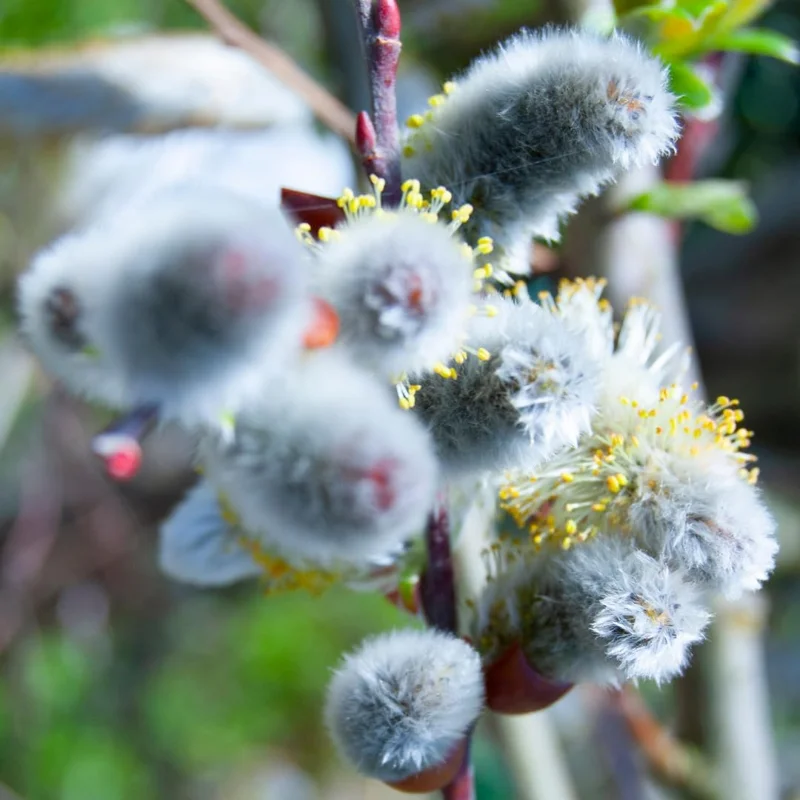
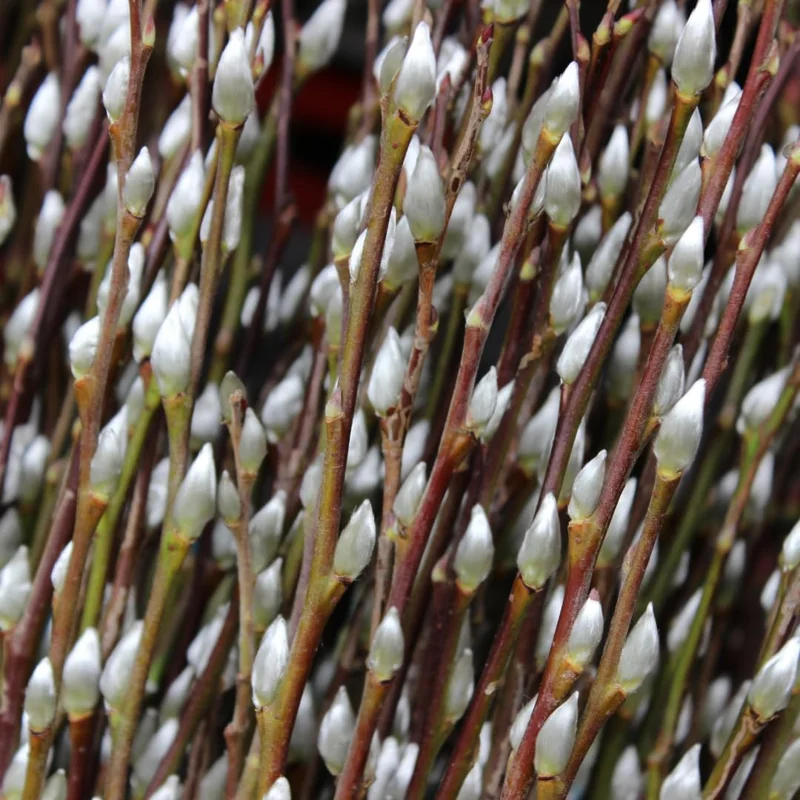
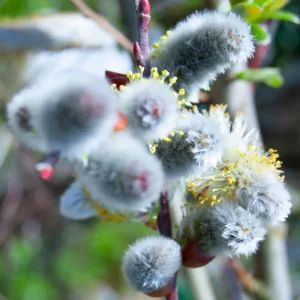
- Early Spring Interest: The most iconic feature of the pussy willow is its soft, silvery catkins that emerge in late winter to early spring, often before other plants show signs of life. These fuzzy blooms are a welcome sight, signaling the end of winter and the beginning of the growing season.
- Pollinator Magnet: The early-appearing catkins are an important food source for early emerging bees and other pollinators, making this a valuable plant for supporting local ecosystems and encouraging biodiversity in your garden.
- Cold Hardy Shrub: This hardy pussy willow thrives in USDA Zones 4-8, demonstrating excellent resilience to cold temperatures. This makes it an ideal choice for a wide range of climates, ensuring it can withstand harsh winters and return reliably each spring.
- Versatile Landscaping Use: Its manageable size and attractive form make it suitable for various garden applications. Use it as a specimen plant, in a mixed border, for naturalizing, or even in large containers to create a focal point.
- Low Maintenance: Once established, the pussy willow is remarkably easy to care for, requiring minimal attention. It’s tolerant of various soil conditions and generally resistant to pests and diseases, perfect for busy gardeners.
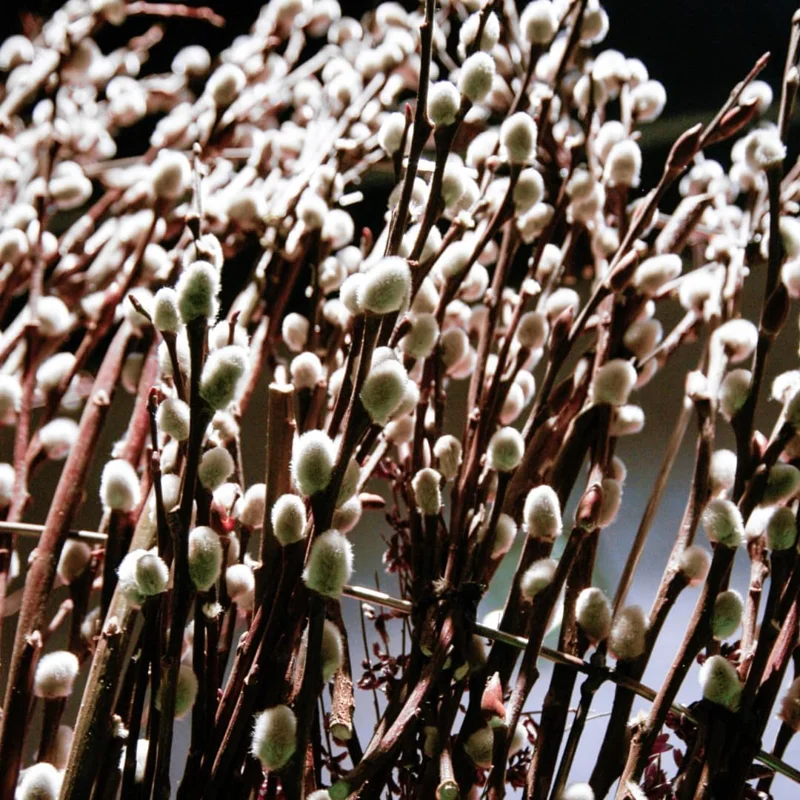
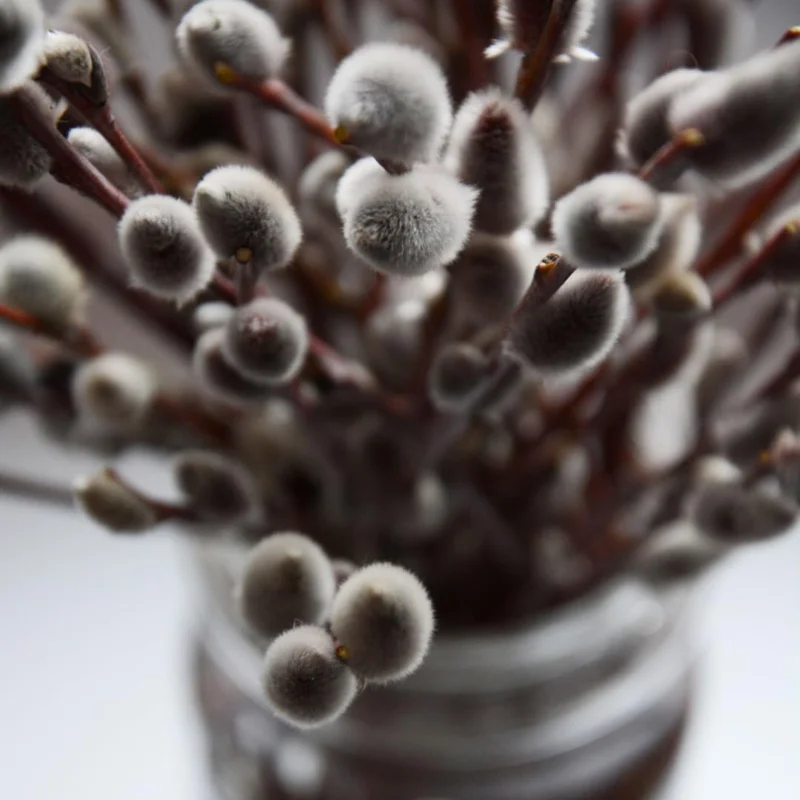
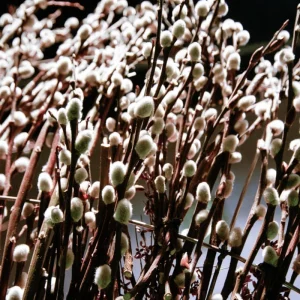
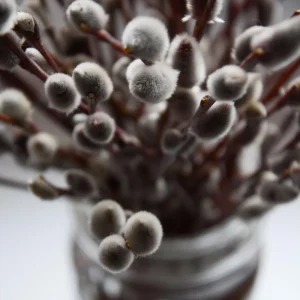
- Cut Flower Potential: The beautiful catkins are highly prized for floral arrangements. Cut branches can be brought indoors in late winter to force blooms, bringing the joy of spring into your home even earlier.
- Erosion Control: Like many willows, the pussy willow has an extensive root system, making it an excellent choice for stabilizing soil on slopes or near water bodies, helping to prevent erosion.
Plant Care & Growing Tips
Caring for your pussy willow live plant is relatively straightforward, ensuring you’ll enjoy its charming spring blooms for years to come. This hardy shrub is quite adaptable, but providing optimal conditions will encourage the best growth and catkin production. Pussy willows prefer full sun to partial shade, meaning they should receive at least 6 hours of direct sunlight per day for vigorous growth and abundant flowering. While they can tolerate some shade, too little sun may result in fewer catkins and a more open growth habit. They are also known for their love of moisture, making them ideal for areas with consistently moist soil.
When it comes to watering, consistent moisture is key, especially during the first growing season as your pussy willow shrub establishes itself. While mature plants can tolerate some drought, they truly thrive in well-drained but consistently moist soil. Avoid letting the soil dry out completely between waterings. Pussy willows are not particularly fussy about soil type but prefer a rich, loamy soil. Good drainage is important, but they can tolerate heavier soils better than many other plants. Fertilization is generally not heavily required; a balanced slow-release fertilizer in early spring can encourage strong growth, but avoid over-fertilizing.
Pruning is an important aspect of maintaining a healthy and attractive spring blooming willow. Pussy willows can be pruned heavily in late winter or early spring, just as the catkins begin to swell, which is also the best time to harvest branches for indoor arrangements. This encourages new growth, which produces the best catkins for the following year. They are cold hardy to USDA Zone 4, but in colder zones, ensuring adequate mulch around the base in winter can provide extra protection. Keep an eye out for common willow pests like aphids, though serious issues are rare for a healthy plant. Proper care ensures your salix discolor plant remains a beautiful feature.
Size & Details
This pussy willow live plant is shipped in a 2.5-inch nursery pot, providing a healthy root system ready for transplanting. At the time of shipment, the plant typically measures between 6 to 12 inches in height, offering a compact yet robust specimen. This size makes it easy to handle and establish in its new location, whether that’s a larger container on your patio or a permanent spot in your garden bed. Pussy willows are known for their relatively fast growth rate once established, quickly developing into a charming shrub. While the plant may arrive dormant during cooler months, this is a natural and healthy state, indicating strong root development and readiness for spring awakening. Expect beautiful catkins to emerge in late winter to early spring, followed by attractive green foliage.
The mature size of a pussy willow can vary depending on growing conditions and pruning habits, but typically they can reach heights of 10-15 feet if left unpruned, with a similar spread. However, they respond very well to pruning, allowing you to maintain them at a more compact size, such as 3-6 feet, making them versatile for smaller spaces or specific landscape designs. The plant is suitable for outdoor cultivation in USDA Zones 4-8. Each order includes one healthy pussy willow live plant, carefully packaged to ensure safe arrival.
Frequently Asked Questions
- Q: How big does this plant get? A: This pussy willow live plant arrives 6-12 inches tall in a 2.5-inch pot. If left unpruned, it can grow to 10-15 feet tall and wide. However, it can be easily maintained at a smaller size, such as 3-6 feet, through regular pruning.
- Q: Is this an indoor or outdoor plant? A: This is an outdoor plant, a hardy pussy willow shrub. It thrives in outdoor garden settings, especially in USDA Zones 4-8, and is not typically grown as a houseplant due to its size and dormancy requirements.
- Q: How much sunlight does it need? A: Your pussy willow prefers full sun to partial shade. For the best catkin production and vigorous growth, aim for at least 6 hours of direct sunlight per day.
- Q: Is this plant easy to care for? A: Yes, the pussy willow is considered a low-maintenance plant once established. It’s tolerant of various soil conditions and generally resilient, making it a good choice for both experienced and novice gardeners.
- Q: What condition will it arrive in? A: Your pussy willow live plant will arrive healthy in a 2.5-inch pot. If ordered during the cooler months, it may arrive dormant with no leaves, which is a normal and healthy state for this deciduous shrub.
- Q: When is the best time to plant a pussy willow? A: The best time to plant a spring blooming willow is in spring or fall, allowing the plant ample time to establish its root system before extreme temperatures. However, container-grown plants can be planted throughout the growing season.
- Q: Will it survive winter in my zone? A: This pussy willow is cold hardy and thrives in USDA Zones 4-8. If your zone falls within this range, it will survive winter and return reliably each spring. In colder zones, extra winter protection might be beneficial.
- Q: Can I use the catkins for floral arrangements? A: Absolutely! The soft, fuzzy catkins of this salix discolor plant are highly prized for their beauty and are excellent for cutting and using in fresh or dried floral arrangements.


Reviews
There are no reviews yet.