Overview
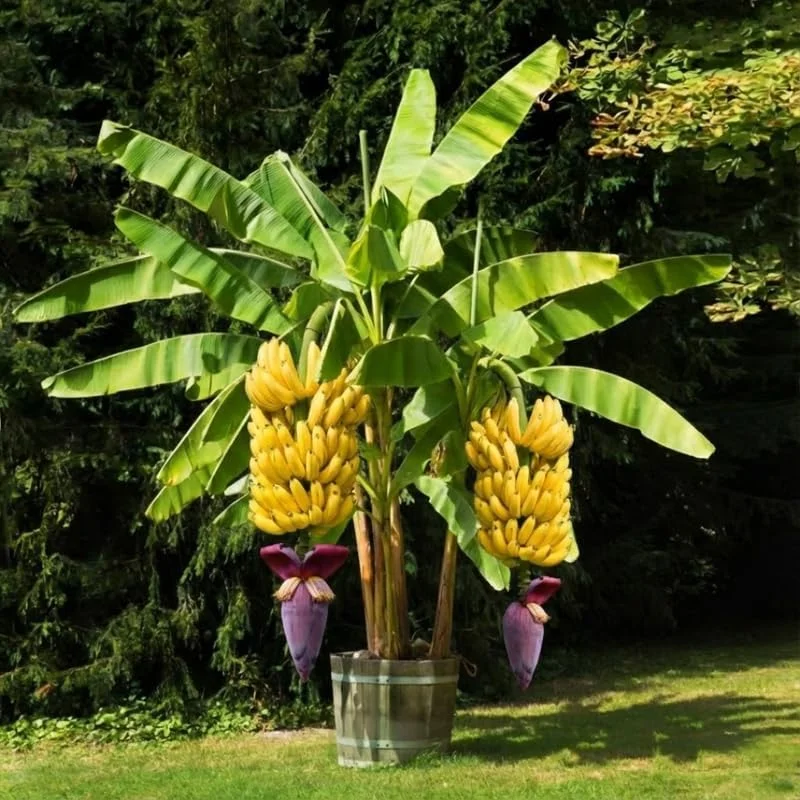
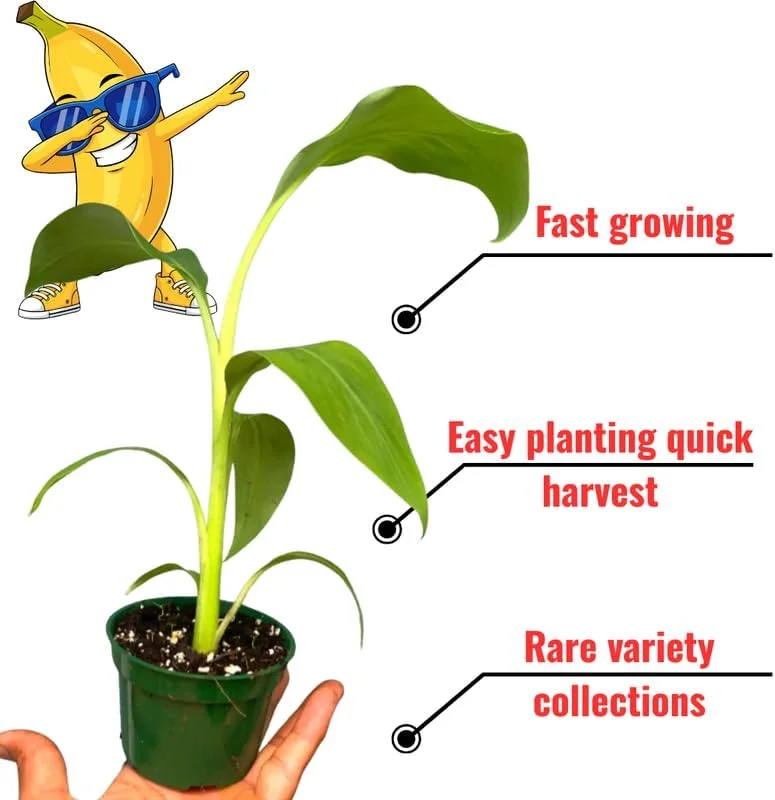
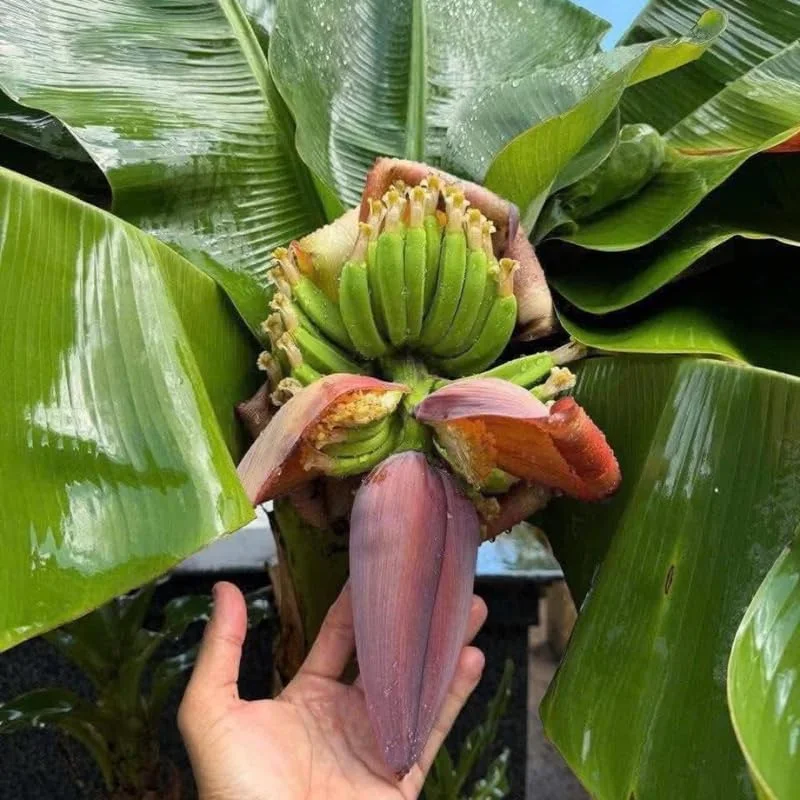
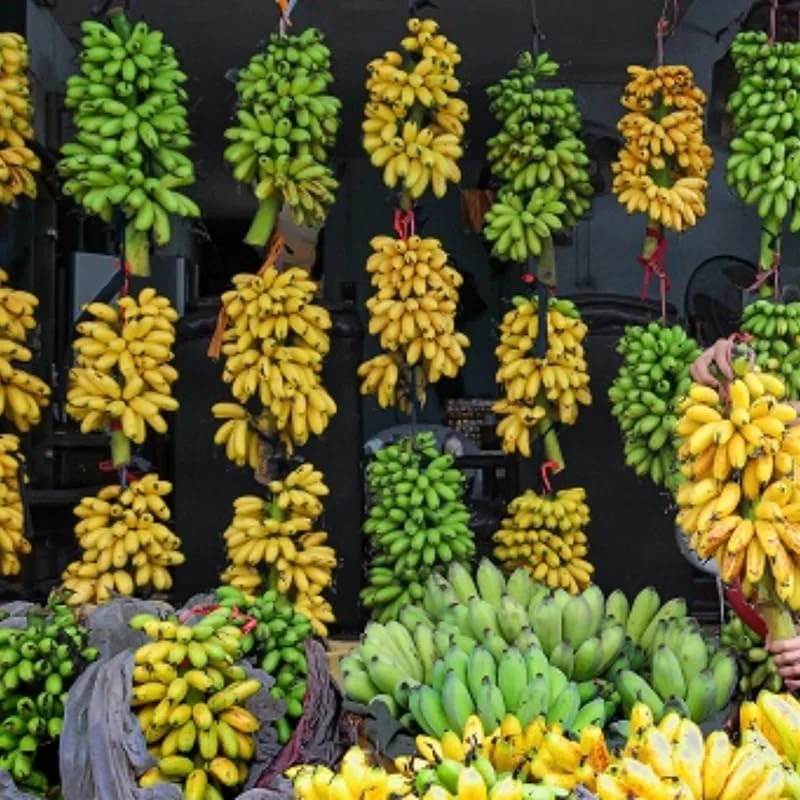
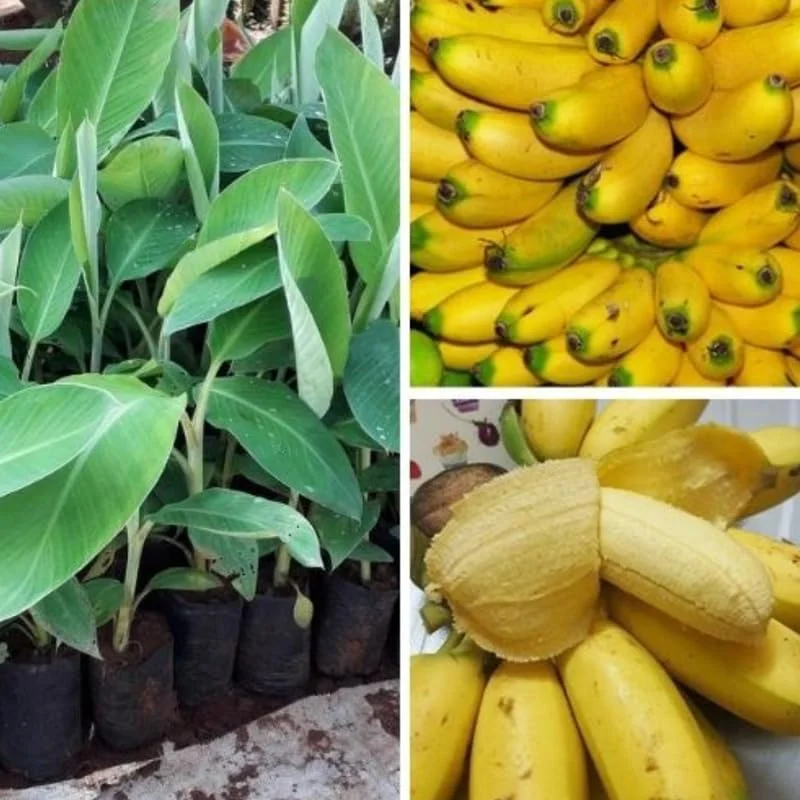
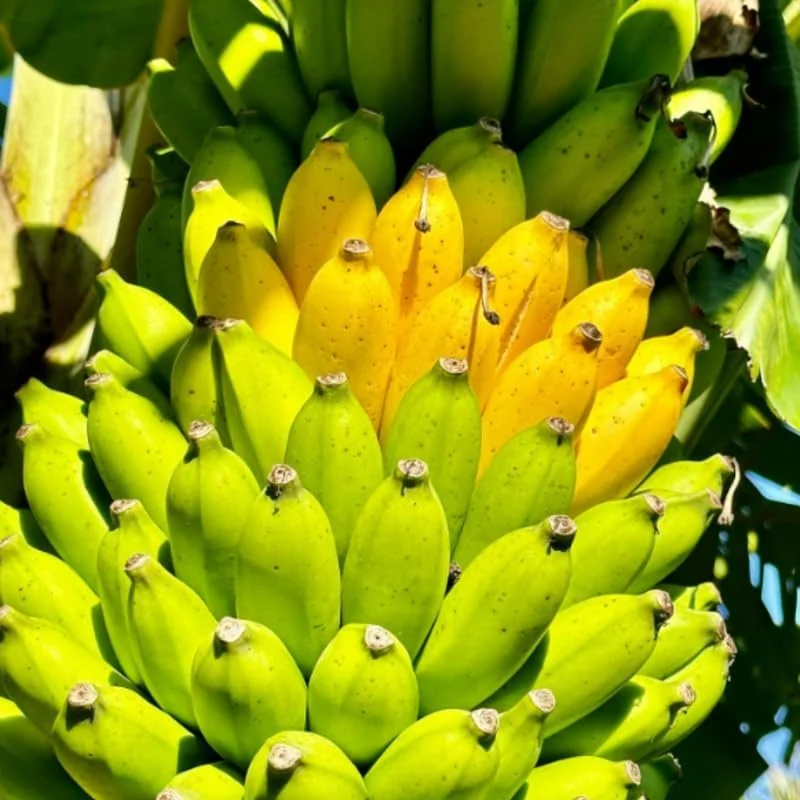
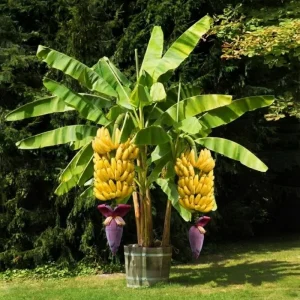
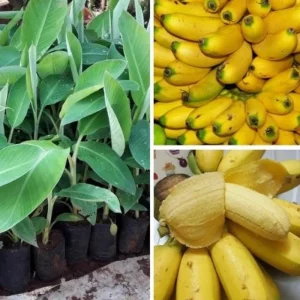
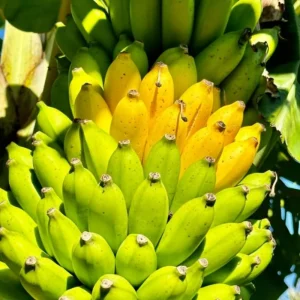
Introduce an exotic touch to your garden or indoor space with a rare yellow banana plant. This unique Musa variety offers the promise of delicious, homegrown yellow bananas, making it a truly rewarding addition for any plant enthusiast. Unlike many tropical banana varieties, this particular plant is celebrated for its cold-hardiness, allowing it to thrive in a wider range of climates. Shipped at a manageable height of 4-7 inches, this live plant is ready for planting and eager to grow into a productive fruit-bearing specimen. Whether you’re an experienced gardener or just starting your journey with fruit trees, this rare yellow banana plant provides an exciting opportunity to cultivate something truly special.
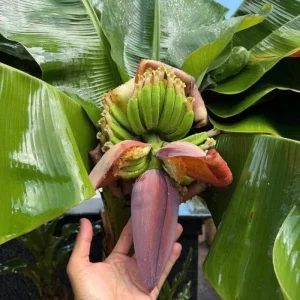
The botanical name for banana plants is Musa, and this specific variety offers distinct yellow fruit. It’s an excellent choice for those looking to add both ornamental beauty and edible produce to their landscape. Growing your own yellow banana fruit tree can be a fascinating and fulfilling experience, providing fresh, organic fruit that tastes far superior to store-bought options.
Key Benefits
Adding a rare yellow banana plant to your collection offers a multitude of benefits, from aesthetic appeal to the joy of harvesting your own fruit. This versatile plant is not only beautiful but also surprisingly resilient, making it a great choice for many gardeners.
- Exotic Fruit Production: Enjoy the unique satisfaction of growing and harvesting your own sweet, yellow bananas. Freshly picked bananas offer unparalleled flavor and nutritional benefits, providing a healthy snack straight from your garden.
- Cold Hardy Variety: Unlike typical tropical banana plants, this Musa variety boasts impressive cold hardiness, expanding the range of climates where it can be successfully grown outdoors. This resilience makes it a more accessible option for gardeners in cooler regions.
- Versatile Planting Options: Suitable for both outdoor garden beds and large indoor containers, this rare yellow banana plant adapts well to various environments. This flexibility allows you to cultivate it regardless of your living situation.
- Ornamental Garden Addition: Beyond its fruit, the large, lush leaves of the banana plant provide a stunning tropical aesthetic, enhancing the visual appeal of any landscape or indoor setting. Its vibrant green foliage makes a bold statement.
- Educational Experience: Growing a banana plant from a small specimen to a fruit-bearing tree offers a wonderful educational experience, teaching about plant cycles, care, and the origins of food. It’s a fantastic project for families.
- Air Purification: Like many plants, the banana tree contributes to better air quality by absorbing carbon dioxide and releasing oxygen, creating a healthier environment around your home.
- Unique Conversation Starter: Owning a yellow banana fruit tree is sure to be a conversation starter, captivating guests with its unusual presence and the promise of exotic fruit.
Plant Care & Growing Tips
Caring for your rare yellow banana plant involves understanding its specific needs to ensure robust growth and fruit production. While cold-hardy, optimal conditions will yield the best results. This musa plant live specimen will thrive with proper attention to its environmental requirements.
Sunlight Requirements: Banana plants are sun-lovers. For best growth and fruit development, your plant will need at least 6-8 hours of direct sunlight per day. If planting outdoors, choose a location with full sun exposure. Indoors, place it near a south-facing window or use supplemental grow lights to mimic natural sunlight. Insufficient light can lead to leggy growth and reduced fruiting.
Watering and Soil: Banana trees require consistently moist, but not waterlogged, soil. Water deeply when the top inch of soil feels dry to the touch, especially during warm weather and active growth periods. Ensure excellent drainage to prevent root rot. A rich, well-draining potting mix is ideal for container planting. For outdoor planting, amend heavy clay soils with organic matter to improve drainage and fertility. This helps create the perfect environment for your banana plant care routine.
Temperature and Hardiness: This cold-hardy variety can tolerate cooler temperatures than many other banana species. While it can withstand some frost, protecting it during severe freezes is recommended. Generally, it will perform well in USDA zones 8-11, and possibly even zone 7 with adequate winter protection. Indoor plants should be kept in a warm environment, ideally between 65-85°F (18-29°C), away from cold drafts. Fertilize every 2-4 weeks during the growing season with a balanced, slow-release fertilizer or a liquid feed rich in potassium. Reduce feeding in winter when growth slows.
Size & Details
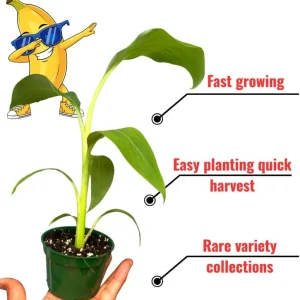
This offering is for one rare yellow banana plant, shipped as a live specimen typically measuring 4-7 inches in height. These plants are carefully packaged without a pot to minimize shipping stress and allow you to choose your preferred growing medium upon arrival. While initially small, this Musa variety is known for its relatively fast growth rate under optimal conditions, quickly developing into a substantial plant. With proper banana plant care, you can expect it to reach mature fruiting size within a few years, producing its delicious yellow fruit. The exact time to fruit production will vary based on growing conditions and climate, but generally, banana plants can fruit within 1-3 years from planting.
Upon arrival, it is recommended to plant your musa plant live specimen immediately into a suitable container or garden bed. Choose a pot that is at least 10-15 gallons for container growing to allow for root development, gradually upsizing as the plant grows. For outdoor planting, ensure adequate space to accommodate its mature size, which can be several feet tall and wide.
Frequently Asked Questions
- Q: How big does this rare yellow banana plant get? A: While shipped at 4-7 inches tall, with proper care, this banana plant can grow quite large, typically reaching heights of 8-15 feet in optimal outdoor conditions. Indoor plants will generally remain smaller, depending on pot size and pruning.
- Q: Is this an indoor or outdoor plant? A: This cold-hardy Musa variety is versatile. It can be grown outdoors in USDA zones 8-11, and potentially zone 7 with winter protection. It also makes an excellent indoor plant in a large container, provided it receives ample sunlight.
- Q: How much sunlight does it need? A: For best growth and fruit production, your yellow banana fruit tree requires at least 6-8 hours of direct, full sunlight per day. If growing indoors, a bright, south-facing window is ideal, or use grow lights.
- Q: What condition will it arrive in? A: Your musa plant live will arrive as a healthy, unpotted specimen, carefully packaged to ensure its safety during transit. It’s ready for immediate planting upon arrival to minimize stress.
- Q: Is this plant easy to care for? A: Banana plant care is moderately easy. They require consistent watering, plenty of sunlight, and regular feeding during the growing season. The cold-hardy nature of this specific variety makes it a bit more forgiving than other tropical bananas.
- Q: When is the best time to plant this banana plant? A: The best time to plant your rare yellow banana plant is in the spring or early summer when the danger of frost has passed and temperatures are consistently warm. This allows the plant ample time to establish itself before cooler weather.
- Q: Will it survive winter in my zone? A: This is a cold-hardy banana variety, generally suitable for USDA zones 8-11. In zone 7, it may require significant winter protection, such as heavy mulching or being brought indoors, to survive the coldest months.
- Q: How long until this cold hardy banana tree produces fruit? A: Under ideal growing conditions, a banana plant can start producing fruit within 1 to 3 years from planting. Factors like climate, sunlight, and proper care will influence the exact timeline.
- Q: What kind of soil does this plant prefer? A: This banana plant thrives in rich, consistently moist, well-draining soil. For container planting, use a high-quality potting mix. For outdoor planting, ensure your garden soil is amended with organic matter to improve fertility and drainage.
- Q: How often should I fertilize my banana plant? A: During the active growing season (spring through fall), fertilize your banana plant care regimen should include feeding every 2-4 weeks with a balanced, slow-release fertilizer or a liquid fertilizer high in potassium. Reduce or stop fertilizing during winter dormancy.


Reviews
There are no reviews yet.