Overview
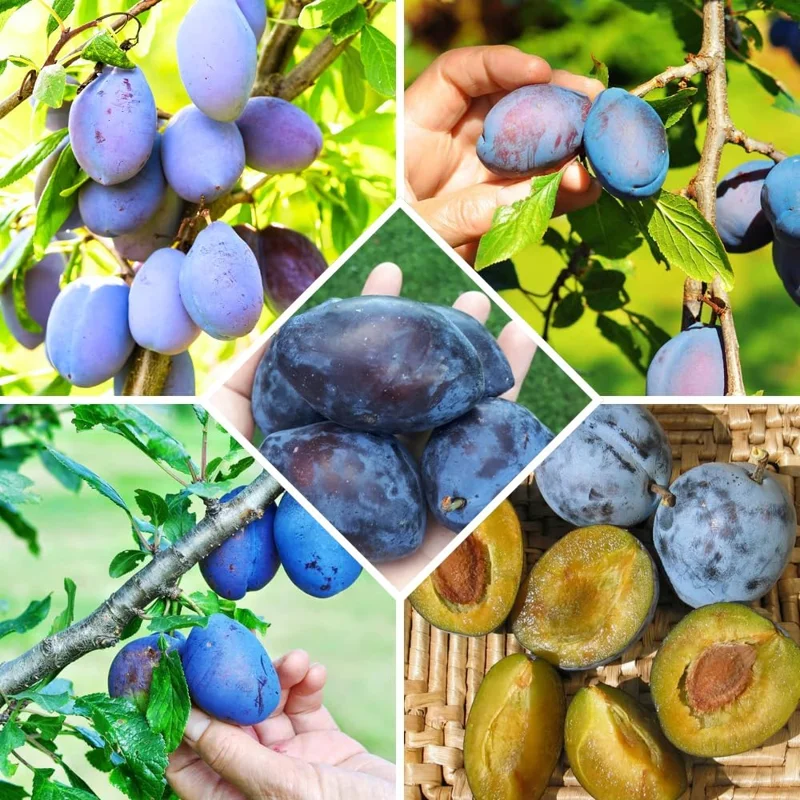
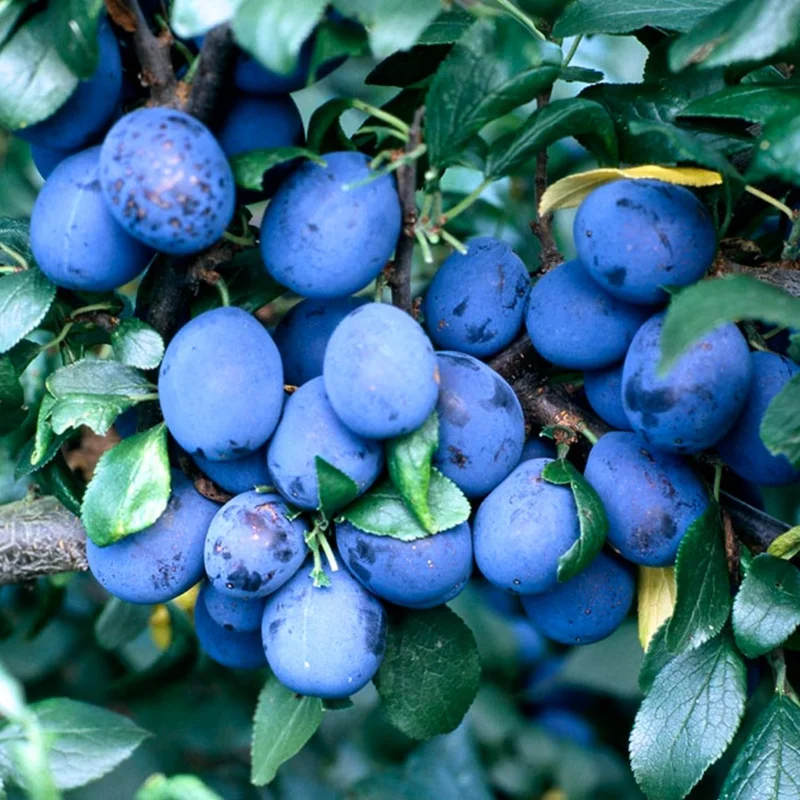
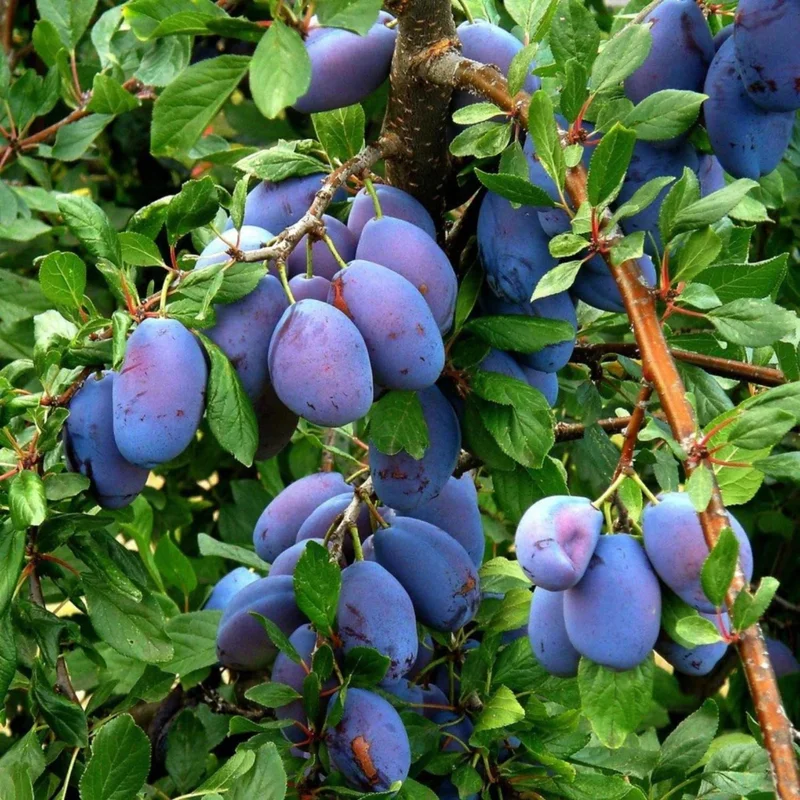
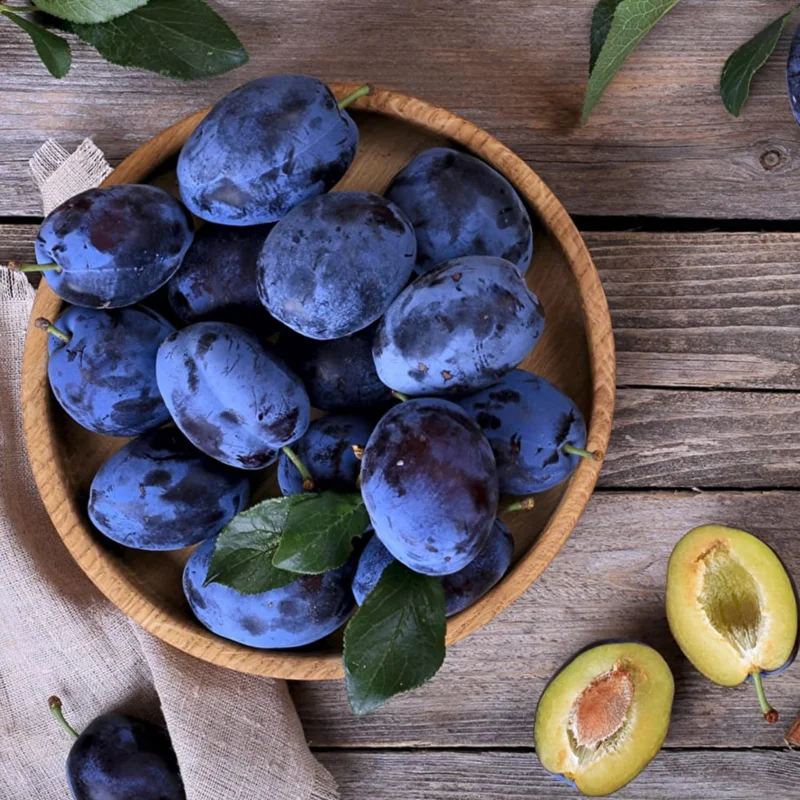
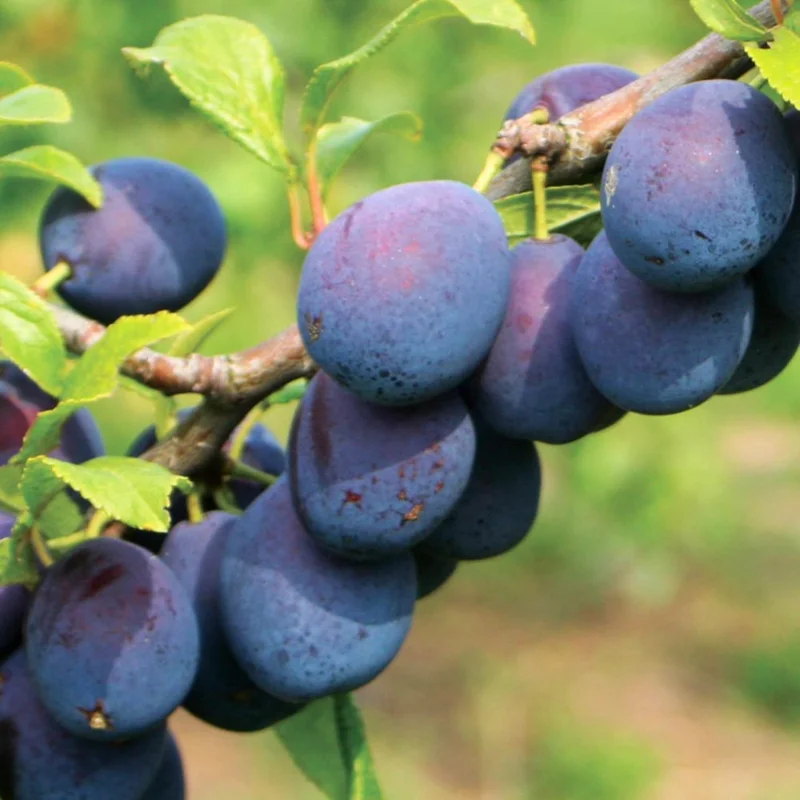
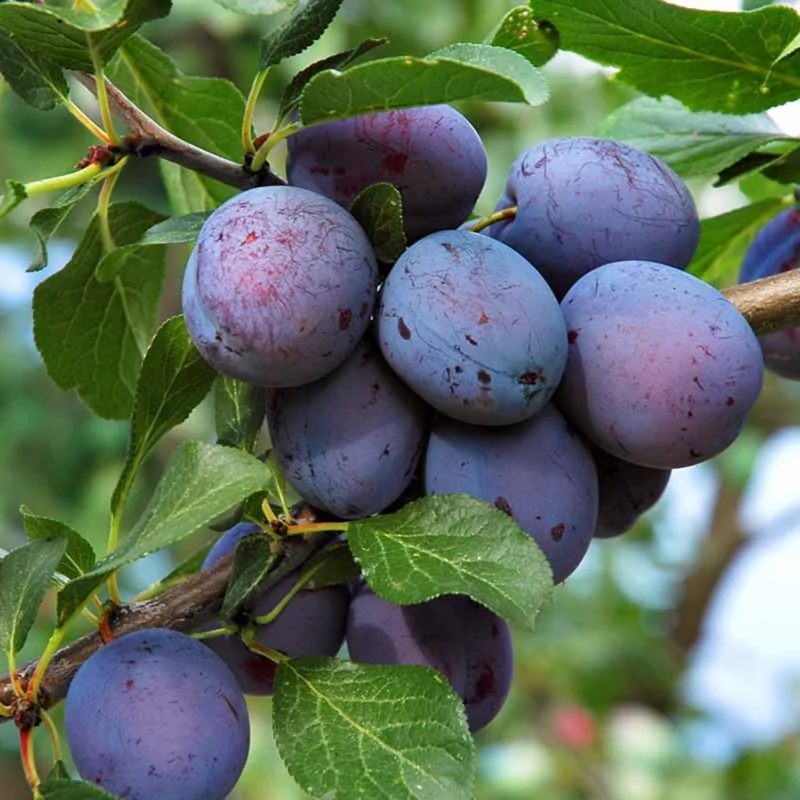
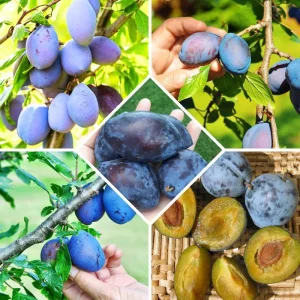
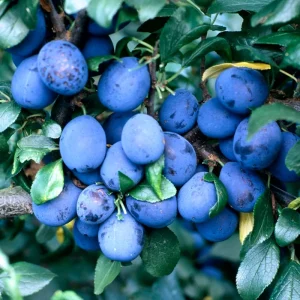
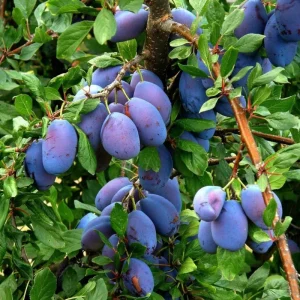
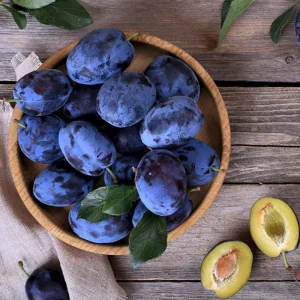
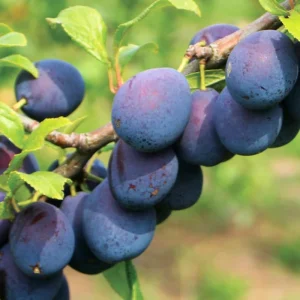
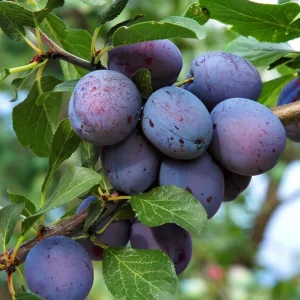
Bring the joy of homegrown fruit to your garden with this impressive deep purple plum tree. Standing at a substantial 3-4 feet tall, this live, bareroot plum tree is ready to establish itself in your landscape. Known for its robust nature and bountiful harvests, this variety is an early bearing plum, meaning you can look forward to delicious fruit sooner than many other types. The plums are celebrated for their large size, rich dark purple color, and sweet, juicy flesh, making them perfect for fresh eating, preserves, or baking. This plum tree is a fantastic addition for both experienced gardeners and those new to fruit tree cultivation, offering a rewarding and beautiful presence in any home orchard.
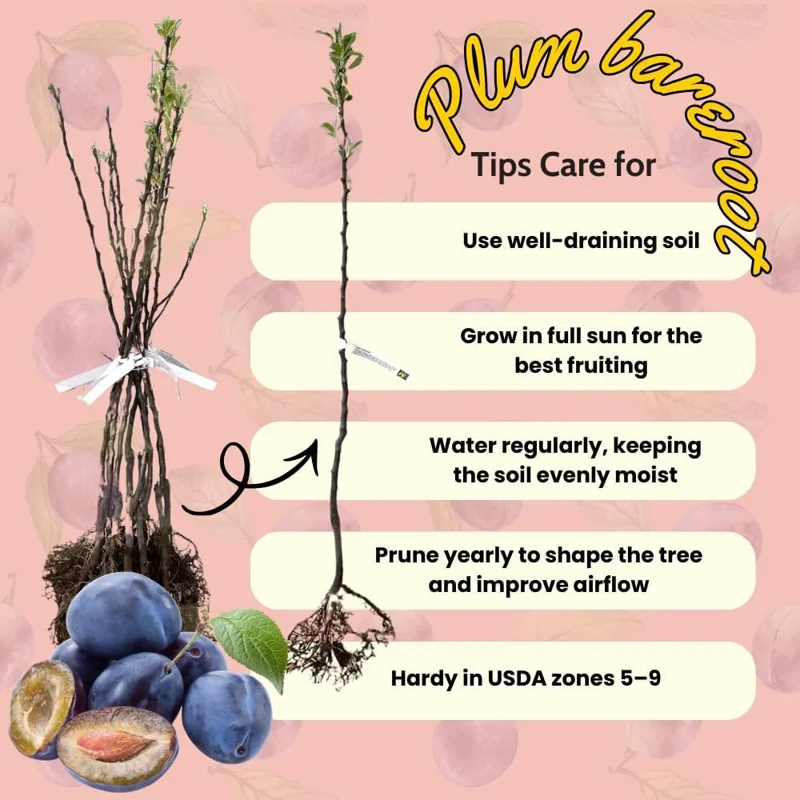
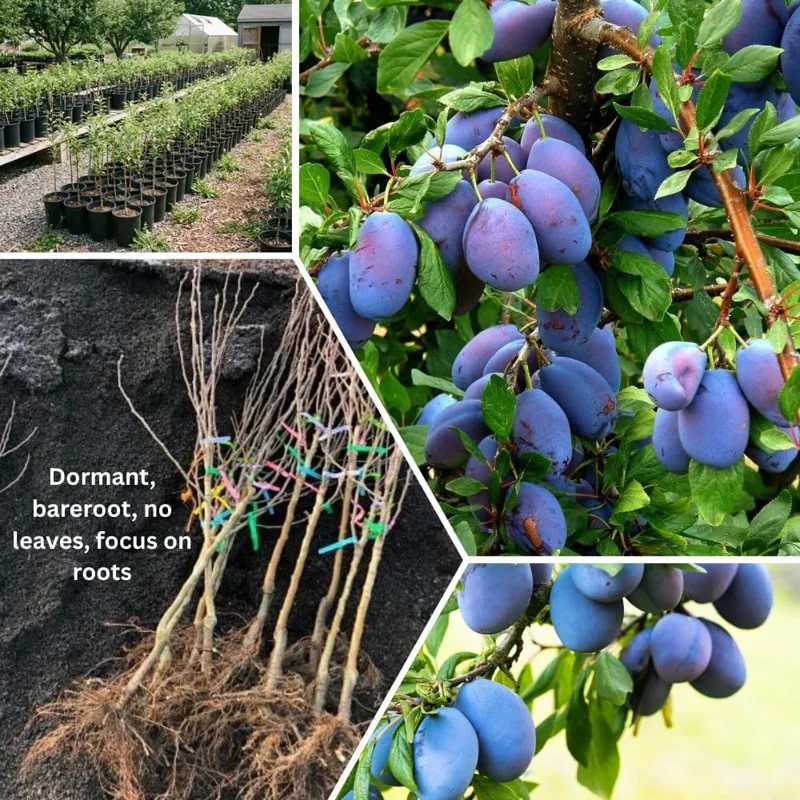
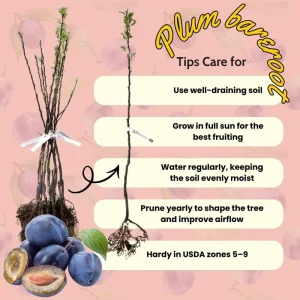
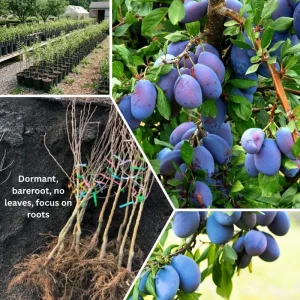
Our deep purple plum tree arrives dormant, typically without leaves, allowing all its energy to be focused on developing a strong root system once planted. This ensures a higher success rate and vigorous growth in its new environment. It’s a reliable choice for creating your own edible landscape, providing not only delectable fruit but also attractive foliage and blossoms in the growing season. This hardy plum fruit tree thrives in a range of climates, making it a versatile option for many regions across the United States.
Key Benefits
Investing in a deep purple plum tree offers numerous advantages for the home gardener, blending aesthetic appeal with practical yields. This particular variety is chosen for its superior characteristics that ensure a delightful and productive growing experience. Enjoy the satisfaction of harvesting your own fruit straight from your backyard.
- Abundant, Sweet Fruit: This plum tree produces large, dark purple plums that are exceptionally sweet and juicy, perfect for eating fresh, making jams, or baking into pies. Experience the superior taste of homegrown produce.
- Early Bearing Variety: As an early bearing plum, this tree will provide you with fruit relatively quickly after planting, allowing you to enjoy your harvest sooner and maximizing your garden’s productivity.
- Vigorous Growth & Hardiness: This hardy plum fruit tree is known for its strong growth habit and resilience, thriving in USDA Zones 4–9. It adapts well to various conditions, ensuring a healthy and productive tree for years.
- Excellent for Home Orchards: Its mature size and growth rate make it ideal for backyard growers, contributing to an edible landscape or a small home orchard. It’s a fast-growing fruit tree that yields significant results.
- Bareroot Advantage: Shipped as a bareroot specimen, the tree focuses its energy on root development upon planting, leading to a strong foundation and robust growth in its new location. This method promotes better establishment.
- Beautiful Seasonal Interest: Beyond its fruit, the tree offers lovely spring blossoms and attractive green foliage throughout the growing season, adding ornamental value to your garden space.
- Sustainable Food Source: Growing your own fruit contributes to a more sustainable lifestyle, reducing your carbon footprint and providing you with fresh, organic produce.
Plant Care & Growing Tips
Caring for your deep purple plum tree is a rewarding experience that ensures a bountiful harvest. When your bareroot tree arrives, soak its roots in water for a few hours before planting. Choose a site with full sun, meaning at least 6-8 hours of direct sunlight per day, which is crucial for fruit production. Dig a hole wide enough to accommodate the spread of the roots and deep enough so that the graft union (the slightly swollen area on the trunk) is about 2 inches above the soil line. Backfill with well-draining soil, tamping gently to remove air pockets, and water thoroughly.
This hardy plum fruit tree thrives in USDA Zones 4–9, performing best in warm summers and mild winters. Regular watering is essential, especially during the first few years of establishment and during dry spells. Aim for consistently moist, but not waterlogged, soil. A good layer of mulch around the base of the tree will help retain moisture, suppress weeds, and regulate soil temperature. Pruning should be done annually in late winter or early spring to shape the tree, encourage fruit production, and remove any dead or diseased branches. Fertilize in early spring with a balanced fruit tree fertilizer according to product instructions to support healthy growth and fruit development. Pay attention to pest and disease management, addressing any issues promptly to maintain the health of your bareroot plum tree.
To ensure optimal growth and an abundant yield from your deep purple plum tree, understanding its specific needs is key. While generally robust, consistent care will yield the best results. Monitor the soil moisture regularly, especially during the fruiting period, as consistent moisture is vital for plump, juicy plums. Protecting young trees from harsh winter winds in colder zones can also be beneficial. With proper care, your plum tree will become a cherished part of your garden for many years, providing delicious fruit and beautiful seasonal beauty. Following these guidelines will help you master plum tree care.
Size & Details
This offering is for one deep purple plum tree, a live plant that arrives as a bareroot specimen, standing approximately 3-4 feet tall. As a bareroot plant, it will be dormant upon arrival, without leaves, and ready for immediate planting to establish its root system. The mature size of this plum tree is typically around 15–25 feet tall and 15–20 feet wide, forming a beautiful and productive canopy. Its fast-growing nature makes it an excellent choice for those looking to establish a home orchard quickly. The tree is well-rooted, ensuring a strong start in your garden.
This variety is known for being an early bearing plum, meaning you can anticipate your first harvests sooner than with many other plum varieties. It produces large, dark purple plums with sweet, juicy flesh, ideal for fresh consumption or culinary uses. The tree is suitable for USDA hardiness zones 4–9, indicating its adaptability to a wide range of climates. With proper care, this hardy plum fruit tree will become a cornerstone of your edible landscape, providing delicious fruit for many seasons to come. This bareroot plum tree offers a significant head start on growing your own fruit.
Frequently Asked Questions
- Q: What size is the Deep Purple Plum Tree upon arrival? A: The deep purple plum tree arrives as a bareroot live plant, typically 3-4 feet tall. It will be dormant, meaning no leaves, with its energy focused on the root system.
- Q: How big does this plum tree get when mature? A: When mature, this hardy plum fruit tree can reach an approximate height of 15–25 feet and a width of 15–20 feet, creating a substantial fruit-bearing tree.
- Q: Is this an indoor or outdoor plant? A: This is an outdoor fruit tree, best suited for planting directly in the ground in a garden or home orchard setting. It requires full sun exposure to thrive.
- Q: How much sunlight does this plum tree need? A: The deep purple plum tree requires full sun, meaning it needs at least 6-8 hours of direct sunlight per day for optimal growth and fruit production.
- Q: Is this plant easy to care for, especially for beginners? A: Yes, this early bearing plum is considered relatively easy to care for, making it a good choice for both experienced and novice growers. Consistent watering, proper sunlight, and annual pruning are key.
- Q: What condition will the bareroot plum tree arrive in? A: It will arrive as a bareroot plant, dormant, with its roots carefully packaged to maintain moisture. There will be no leaves, allowing the tree to focus on root establishment after planting.
- Q: When is the best time to plant this plum tree? A: The best time to plant a bareroot plum tree is typically in late winter or early spring, after the last hard frost but before the tree breaks dormancy.
- Q: What kind of soil does this plum tree prefer? A: This plum tree prefers well-draining soil. Amending with organic matter can improve soil structure and fertility, supporting healthy growth.
- Q: Will this plum tree survive winter in my zone? A: This hardy plum fruit tree is suitable for USDA Zones 4–9, indicating good cold hardiness within this range. Ensure proper winter protection in the colder end of its zone.
- Q: How long until I can expect to harvest plums? A: As an early bearing plum variety, you can often expect your first harvests within 2-3 years after planting, depending on growing conditions and care.
- Q: What are the plums like? A: The plums produced by this tree are large, with a deep purple skin and sweet, juicy flesh, ideal for fresh eating, baking, or making preserves.
- Q: What kind of care does a bareroot plum tree need after planting? A: After planting, consistent watering is crucial for establishment. Mulch to retain moisture, and protect from pests. Regular pruning will be needed in subsequent years for optimal fruit production and to maintain tree shape. This is essential for good plum tree care.


Reviews
There are no reviews yet.