Overview
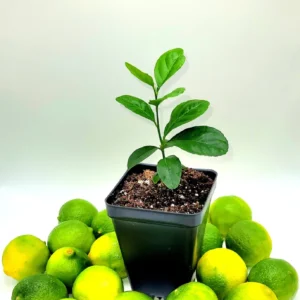
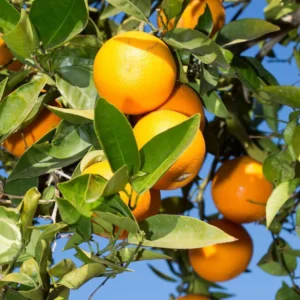
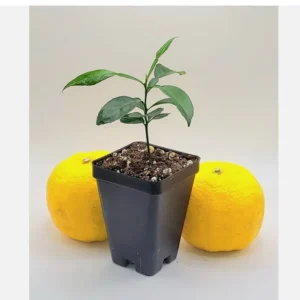
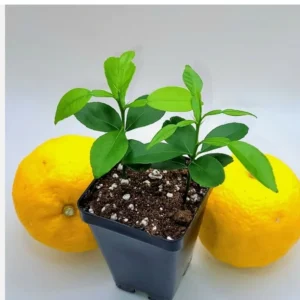
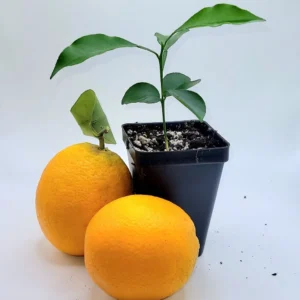
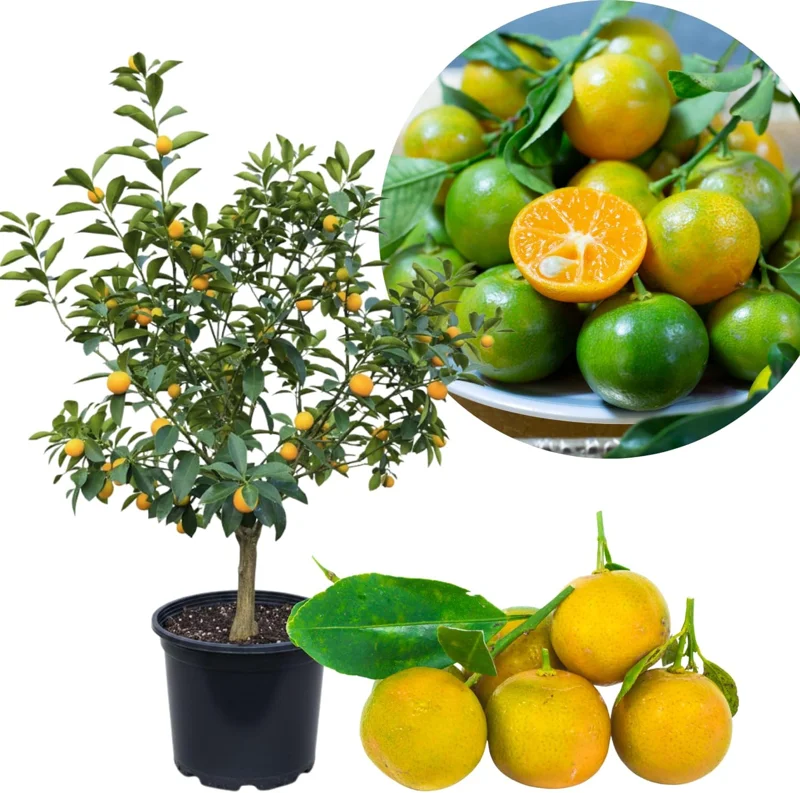
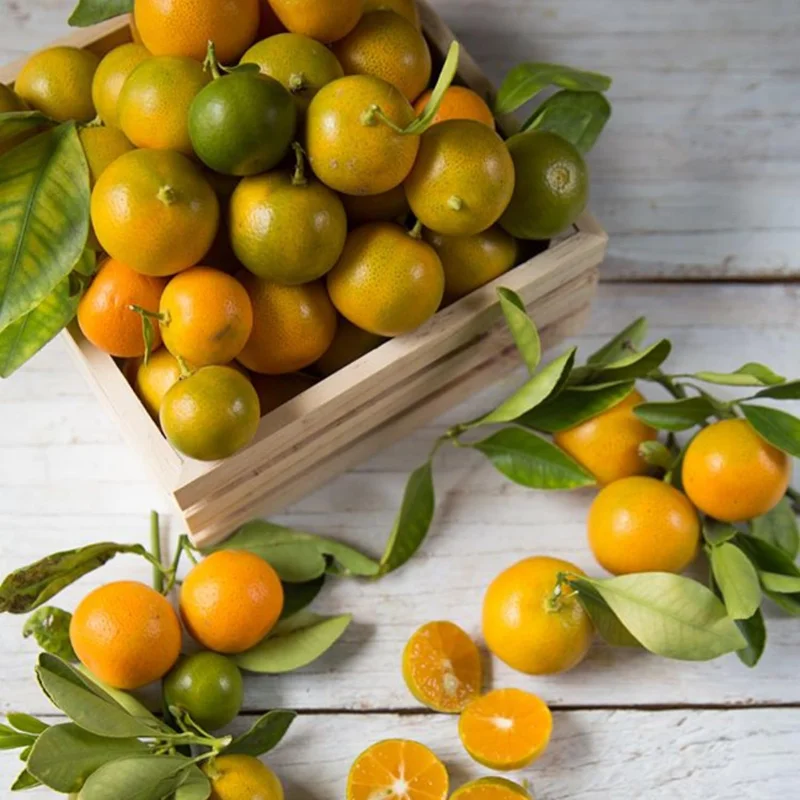
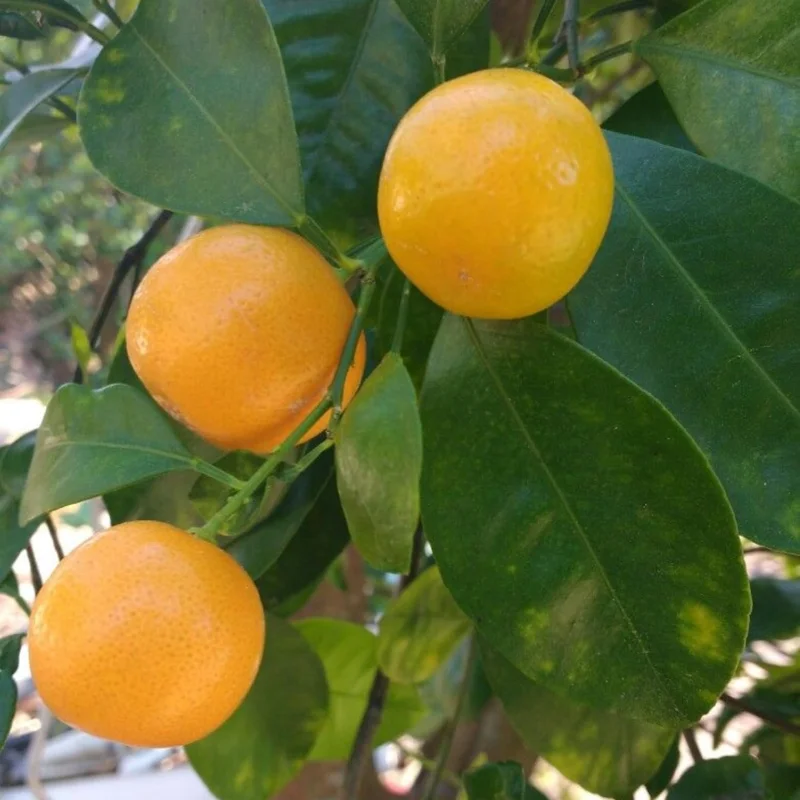
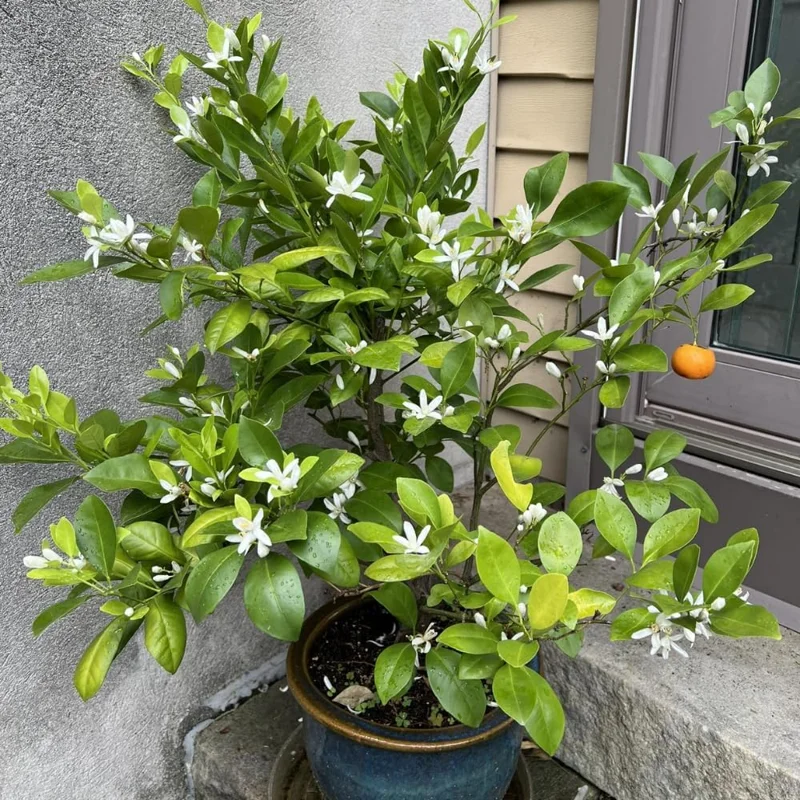
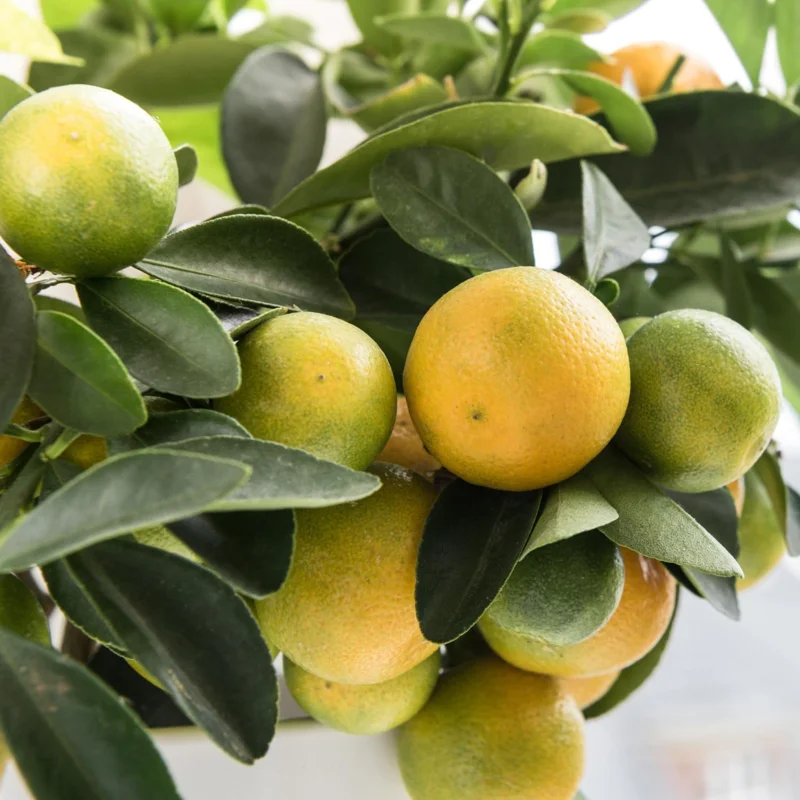
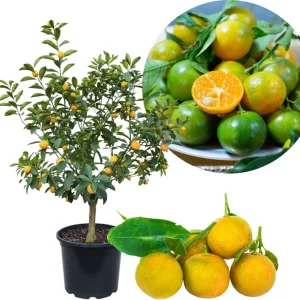
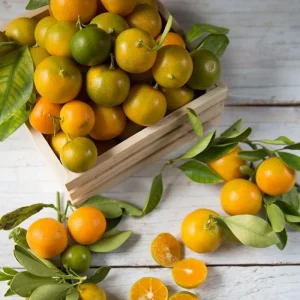
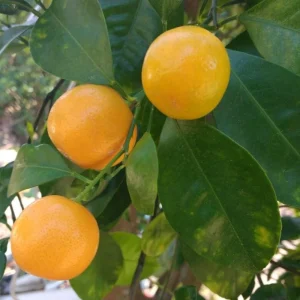
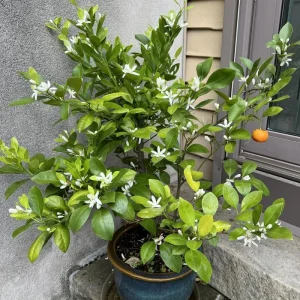
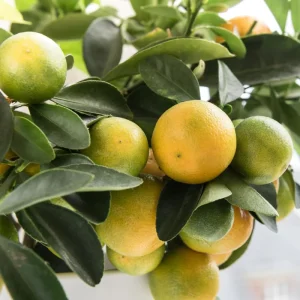
Experience the joy of harvesting your own fresh, zesty fruit with this impressive calamansi tree live plant. Known botanically as Citrofortunella microcarpa, the calamansi, also called calamondin or kalamansi, is a hybrid citrus fruit primarily cultivated in the Philippines. This particular specimen arrives as a robust, live plant, standing an impressive 4-5 feet tall and rooted in a convenient 5-gallon pot, making it an excellent choice for immediate placement in your garden or patio. Its lush green foliage provides an attractive backdrop for the fragrant white blossoms that precede the small, round, orange-yellow fruits. This versatile citrus tree is not just a source of delicious fruit; it also adds a touch of tropical elegance to any outdoor space, especially where you want to grow calamansi at home. It’s a fantastic long-term investment for any fruit enthusiast or home gardener looking to expand their edible landscape.
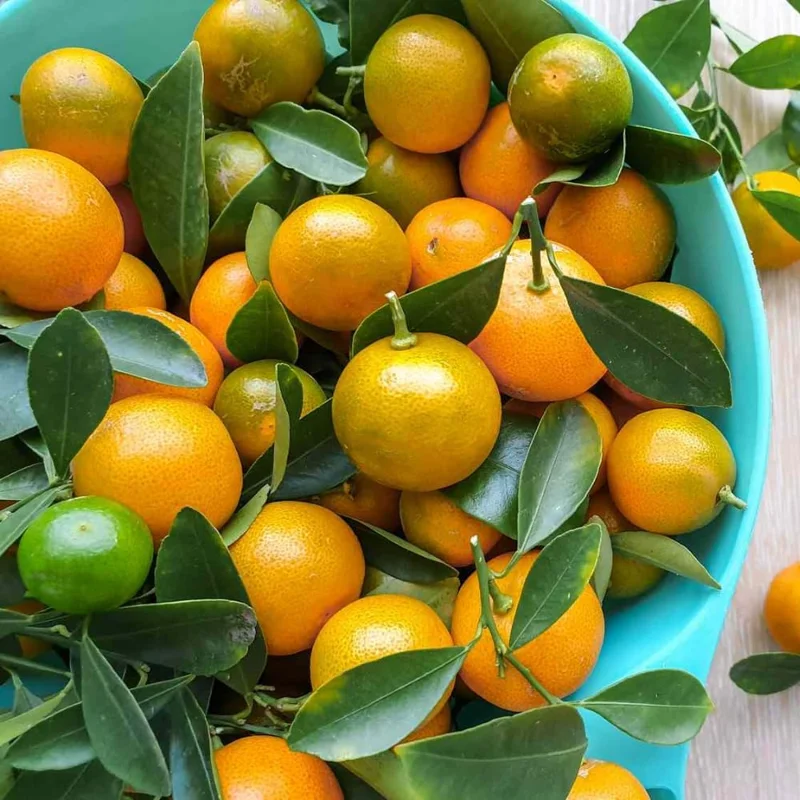
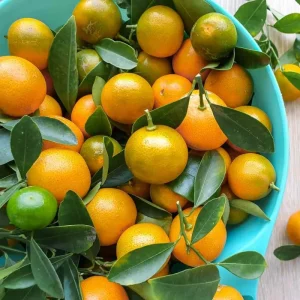
The calamansi fruit is highly prized for its unique, tart flavor, often described as a cross between a lemon and a mandarin orange. It’s a staple in many Southeast Asian cuisines, used in marinades, sauces, beverages, and desserts. Having a kalamansi fruit plant readily available means you’ll always have access to fresh, organic calamansi for all your culinary adventures. This plant is a true year-round producer under optimal conditions, offering the promise of continuous harvests. Whether you’re a seasoned gardener or new to growing citrus, this calamansi tree live plant offers a rewarding and flavorful experience.
Key Benefits
Cultivating a calamansi tree offers numerous advantages, from its aesthetic appeal to its practical culinary uses. This particular calamansi tree live plant is selected for its vigorous growth and consistent fruit production, providing a rewarding experience for any gardener.
- Abundant Flavorful Fruit: Enjoy a continuous supply of tangy calamansi fruit, perfect for cooking, drinks, and desserts. This kalamansi fruit plant is known for its prolific bearing, ensuring you have plenty of fresh citrus.
- Attractive Ornamental Value: With its glossy green leaves, fragrant white flowers, and colorful fruit, the calamansi tree adds significant beauty to any patio, garden, or even indoors in a sunny spot.
- Compact Growth Habit: This tree is naturally compact, making it an ideal choice for container gardening on patios, balconies, or smaller gardens where space is a premium. It’s also a great option if you want to grow calamansi at home in a manageable size.
- Year-Round Harvest: Under the right conditions, this plant can produce fruit throughout the year, offering a continuous source of fresh citrus unlike seasonal varieties.
- Relatively Low Maintenance: Once established, the calamondin citrus care requirements are straightforward, making it suitable for both experienced gardeners and those new to citrus cultivation.
- Fragrant Blossoms: The delightful scent of its white flowers can perfume your outdoor living areas, adding another sensory layer to your garden experience.
- Versatile Culinary Ingredient: Calamansi juice is a versatile ingredient, used in everything from refreshing beverages to marinades for seafood and meats, and even as a substitute for lime or lemon.
Plant Care & Growing Tips
Proper calamondin citrus care is essential for a healthy, productive tree. This calamansi tree live plant is relatively easy to care for, but understanding its specific needs will ensure it thrives and produces abundant fruit. Calamansi trees prefer a location with full sunlight exposure, meaning at least 6-8 hours of direct sun per day. If growing indoors, place it near a south-facing window or supplement with grow lights to ensure it receives adequate light. Good air circulation is also beneficial, helping to prevent fungal diseases.
When it comes to watering, consistent moisture is key, but avoid waterlogging. The soil should be kept consistently moist but never soggy. Water thoroughly when the top 1-2 inches of soil feel dry to the touch. During hotter months, it may require more frequent watering. Ensure the pot has excellent drainage to prevent root rot. This kalamansi fruit plant thrives in well-drained soil rich in organic matter. A good quality potting mix specifically formulated for citrus plants is ideal if growing in containers. For ground planting, amend heavy clay soils with compost and sand to improve drainage.
The calamansi tree live plant is best suited for USDA Hardiness Zones 9-11, where it can be grown outdoors year-round. In colder climates, it must be brought indoors during winter months when temperatures drop below freezing. Protect it from frost by covering it or moving it to a sheltered location. Fertilize regularly during the growing season (spring through fall) with a balanced citrus fertilizer, following the product’s instructions. Pruning can be done to maintain shape, remove dead or crossing branches, and encourage bushier growth. Watch out for common citrus pests like aphids and scale insects, and treat them promptly with organic pest control methods if necessary. Regular inspection will help you identify any issues early to keep your calamansi tree for patio healthy and fruitful.
Size & Details
This calamansi tree live plant arrives as a well-established specimen, typically standing an impressive 4 to 5 feet tall from the base of the pot to the top of its canopy. It is securely rooted in a durable 5-gallon nursery pot, providing ample space for its root system to continue developing. The compact growth habit of this kalamansi fruit plant makes it highly suitable for container cultivation, allowing it to be easily moved indoors during colder weather or positioned strategically on a patio or balcony. While growth rates can vary depending on environmental conditions and care, calamansi trees are known for their relatively quick development, especially when provided with optimal light, water, and nutrients. This size offers a significant head start, meaning you won’t have to wait long to enjoy its fragrant blossoms and delicious fruit. It’s an excellent choice if you’re looking to quickly establish a productive fruit tree in your garden or container collection.
Frequently Asked Questions
- Q: How big does this calamansi tree live plant get? A: This particular plant is shipped at 4-5 feet tall in a 5-gallon pot. With proper care, it can reach mature heights of 6-10 feet, though it can be kept smaller with pruning, especially when grown in a container.
- Q: Is this an indoor or outdoor plant? A: This calamansi tree can be grown outdoors year-round in USDA Hardiness Zones 9-11. In colder climates, it should be grown in a container and brought indoors before the first frost, making it a versatile option to grow calamansi at home.
- Q: How much sunlight does my kalamansi fruit plant need? A: Calamansi trees require full sun, meaning at least 6-8 hours of direct sunlight per day. If kept indoors, place it in the brightest possible location, ideally a south-facing window.
- Q: Is this plant easy to care for? A: Yes, calamondin citrus care is considered relatively low maintenance. It requires consistent watering, good drainage, full sun, and regular fertilization during the growing season. It’s a good choice for both novice and experienced gardeners.
- Q: What condition will the plant arrive in? A: The plant will arrive healthy and actively growing, securely packaged in its 5-gallon nursery pot. We take great care to ensure it reaches you in excellent condition ready for planting or continued container growth.
- Q: How long until it produces fruit? A: This 4-5 ft tall calamansi tree is already mature enough to produce fruit. Under optimal conditions, you can expect it to bear fruit year-round, with fragrant blossoms often leading to new fruit development.
- Q: What is the best soil for a calamansi tree for patio? A: Calamansi trees thrive in well-drained, slightly acidic soil. For container planting, a high-quality potting mix formulated for citrus or a general potting mix amended with perlite or pumice for drainage is recommended.
- Q: Can I use the calamansi fruit in cooking? A: Absolutely! Calamansi fruit is highly prized for its tart, unique flavor and is widely used in Asian cuisine for marinades, sauces, beverages, and desserts. It’s an excellent substitute for lime or lemon.
- Q: Will it survive winter in my zone? A: If you are in USDA Zones 9-11, it can typically survive winter outdoors. In colder zones, it must be protected from frost or moved indoors to a warm, sunny location during the winter months.
- Q: What’s the minimum temperature this calamansi tree live plant can tolerate? A: Calamansi trees are sensitive to cold and can be damaged by temperatures below 25-30°F (-4 to -1°C). It’s best to bring them indoors or provide frost protection when temperatures approach freezing.


Reviews
There are no reviews yet.