Overview
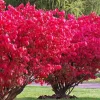
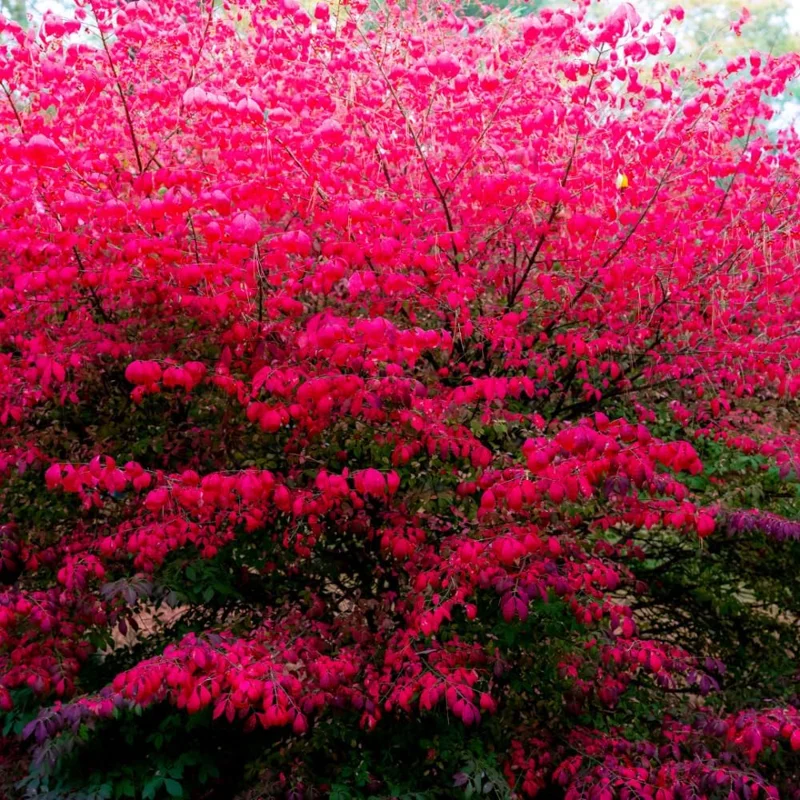
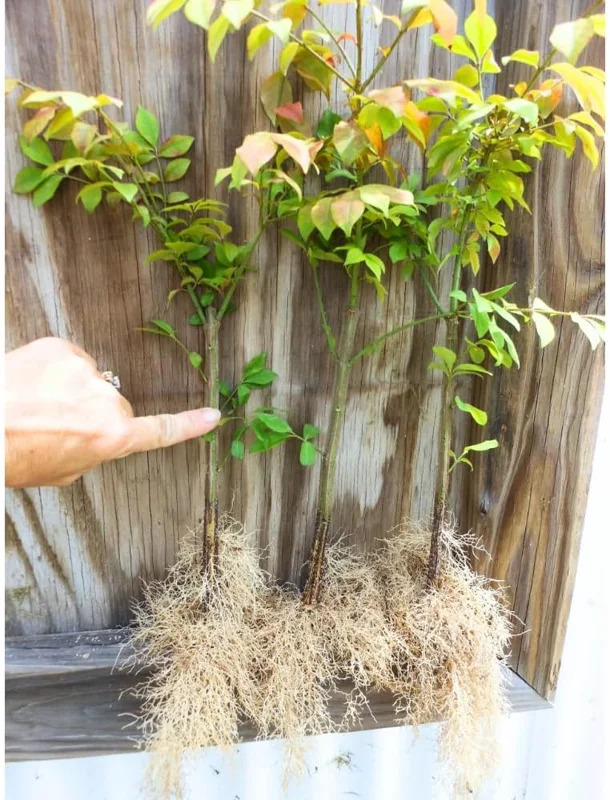
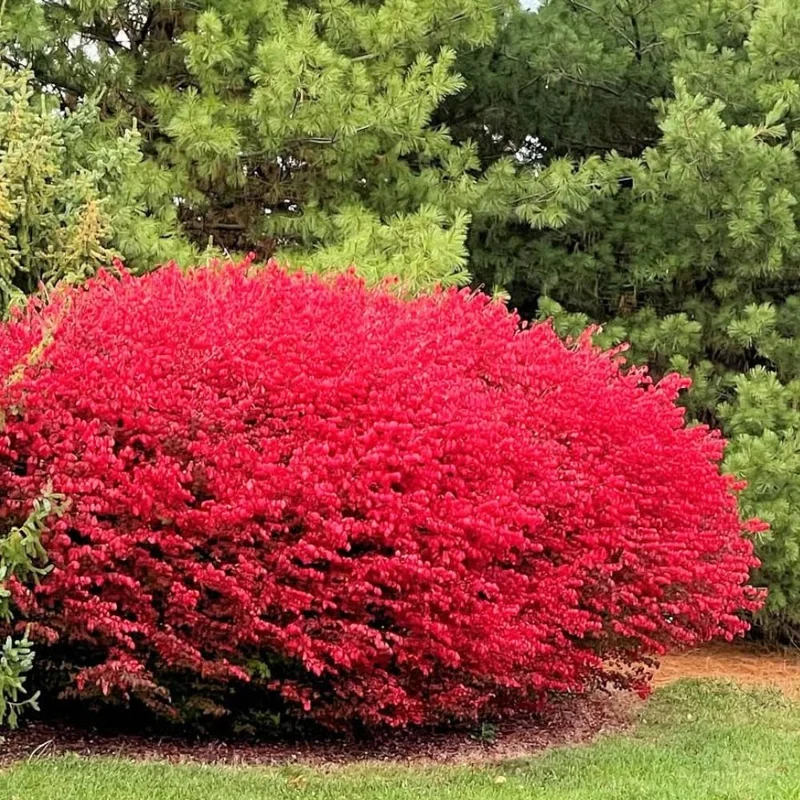
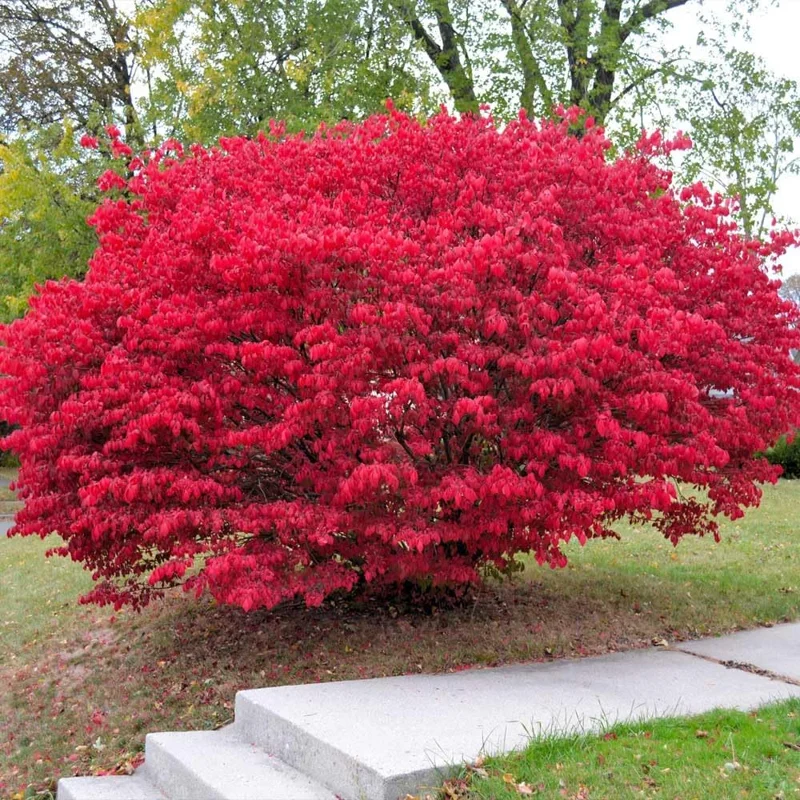
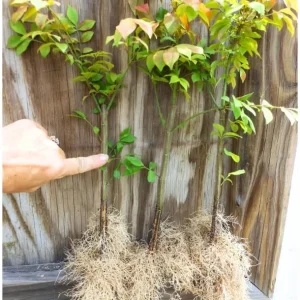
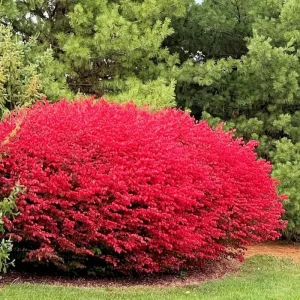
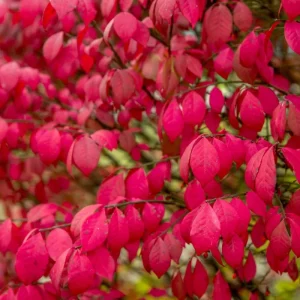
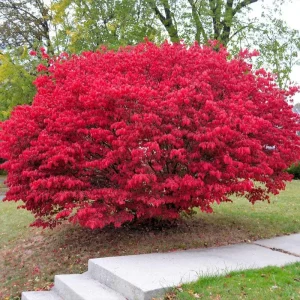
Introduce a splash of vibrant autumn color to your landscape with the dwarf burning bush bare root plant. This offering includes 10 vigorous bare root plants, each measuring 4-8 inches tall, ready to establish quickly in your garden. The Dwarf Burning Bush (Euonymus alatus ‘Compactus’) is celebrated for its spectacular, fiery red fall foliage that transforms any outdoor space into a breathtaking display. As a compact and hardy ornamental shrub, it’s an excellent choice for gardeners seeking both beauty and ease of maintenance. These young plants are grown from bare roots, ensuring a robust start and rapid establishment once planted, providing years of stunning visual appeal.
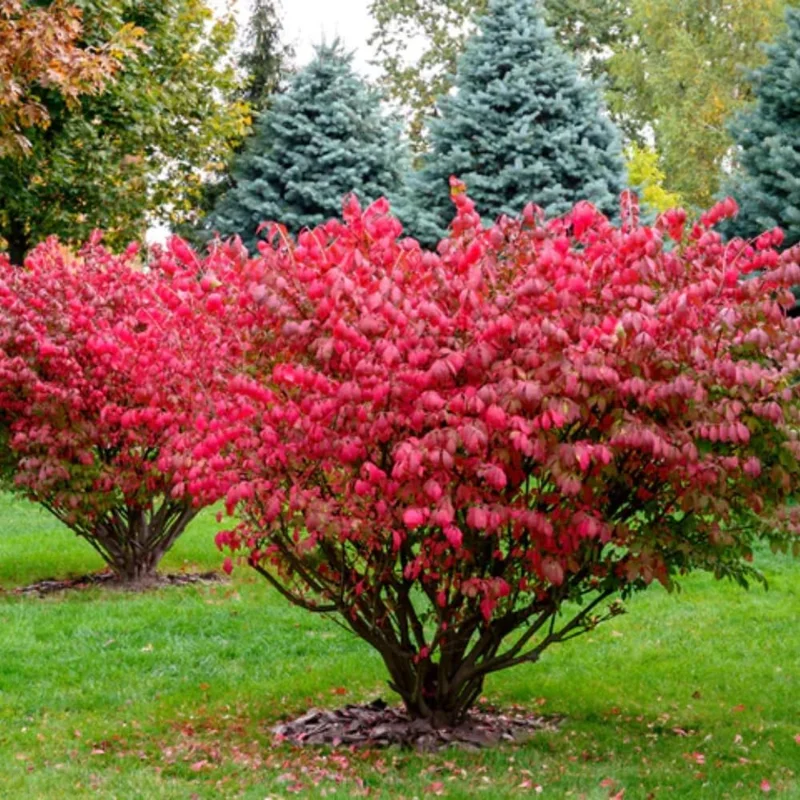
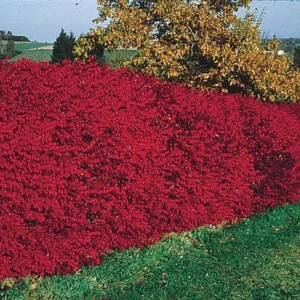
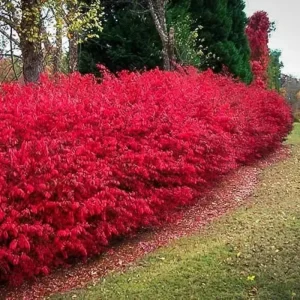
The dwarf burning bush bare root plant is a beloved deciduous shrub, prized not only for its intense fall hues but also for its attractive green foliage during spring and summer. Its dense, mounded growth habit makes it versatile for various landscape designs. Whether you’re creating a formal hedge, an informal border, or adding structure to foundation plantings, this plant delivers consistent performance and striking seasonal interest. Its resilience and adaptability make it a popular choice for both novice and experienced gardeners looking for a reliable and beautiful addition to their outdoor environment.
Key Benefits
The dwarf burning bush bare root plant offers numerous advantages for enhancing your garden, combining aesthetic appeal with practical benefits:
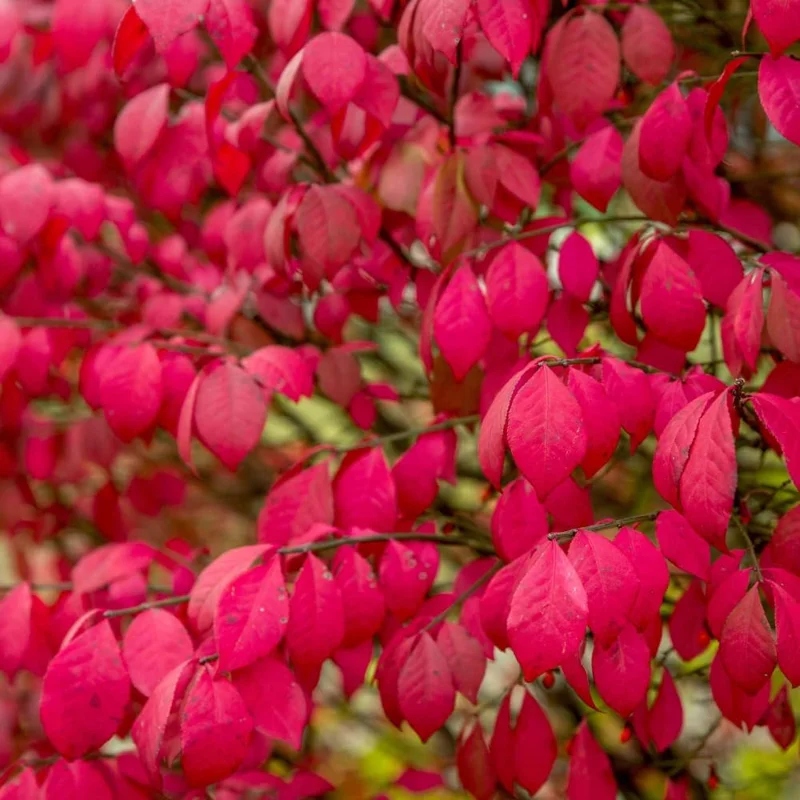
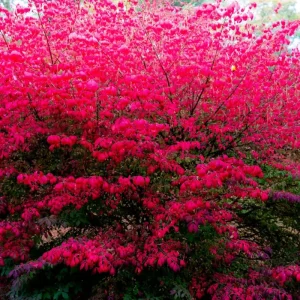
- Spectacular Fall Color: The most prominent feature is its truly brilliant, fiery red fall foliage, providing an unparalleled display that outshines many other shrubs. This intense coloration makes it a focal point in any autumn landscape.
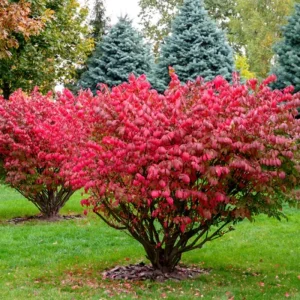
- Compact Growth Habit: Unlike its larger relatives, the dwarf variety maintains a more manageable size, typically reaching 4-6 feet in height and spread. This makes it perfect for smaller gardens, urban spaces, or areas where space is a consideration.
- Low Maintenance: Once established, this hardy ornamental shrub requires minimal care. It’s tolerant of a wide range of soil conditions and generally resistant to pests and diseases, allowing you more time to enjoy its beauty.
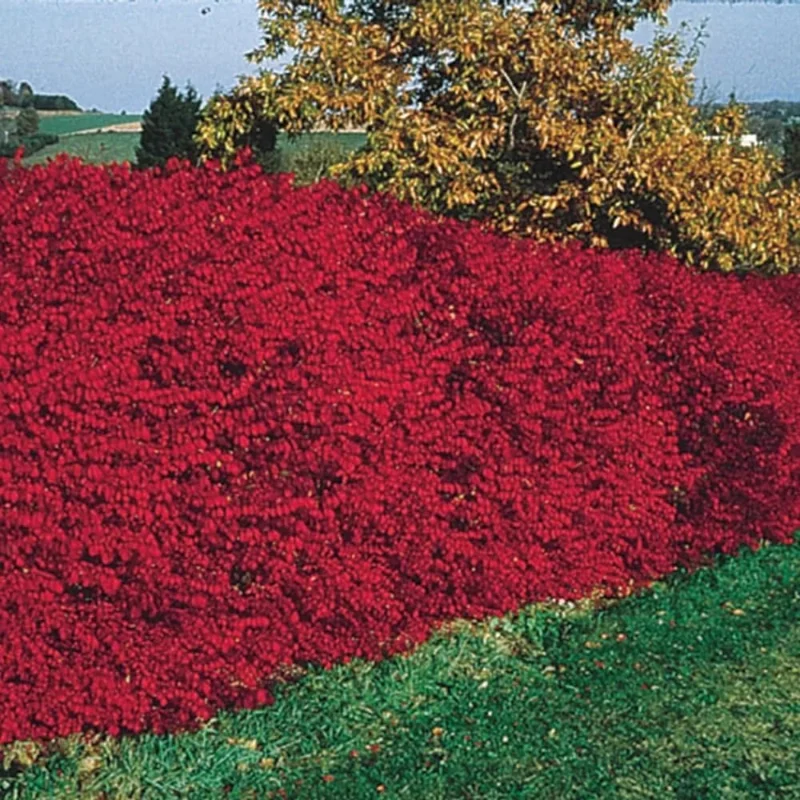
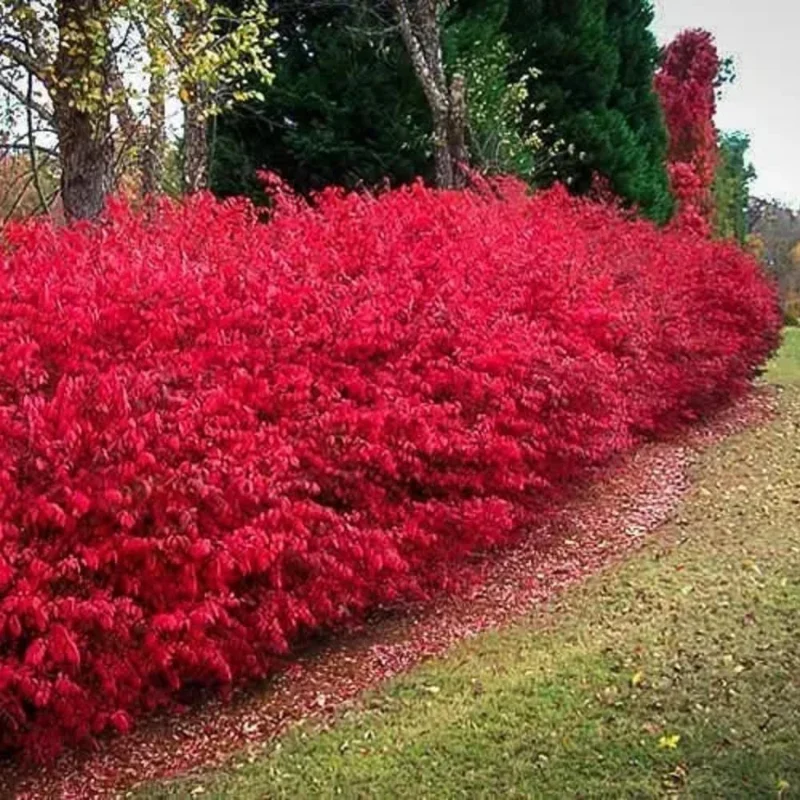
- Versatile Landscaping Use: Its dense form and vibrant color make it ideal for various applications. Use it to create stunning hedges, define borders, provide foundation plantings, or as an eye-catching specimen plant.
- Cold Hardy: Thriving in USDA Zones 4-8, the Dwarf Burning Bush is well-suited for many climates, enduring cold winters and hot summers with ease. This cold hardiness ensures reliable performance year after year.
- Easy Establishment from Bare Roots: These dwarf burning bush bare root plant specimens are designed for quick and successful establishment. Bare roots minimize transplant shock, allowing the plants to acclimate rapidly to their new environment and begin vigorous growth.
- Deer Resistant: While no plant is entirely deer-proof, the Dwarf Burning Bush is generally considered deer resistant, making it a safer choice for gardens in areas with deer populations.
Plant Care & Growing Tips
Caring for your dwarf burning bush bare root plant is straightforward, ensuring a healthy and vibrant display for years to come. These shrubs prefer a location with full sun to partial shade. Full sun (at least 6 hours of direct sunlight daily) will encourage the most intense fall color, while partial shade will still allow for good growth and moderate coloration. Ensure the planting site has good air circulation to prevent fungal issues. When planting your bare roots, dig a hole wide enough to spread the roots comfortably and deep enough so that the crown (where the roots meet the stem) is at soil level. Backfill with soil, gently firming it around the roots to remove air pockets, and water thoroughly.
The Dwarf Burning Bush is adaptable to a wide range of soils, but it thrives best in well-draining soil with a pH between 6.0 and 7.0. While tolerant of clay, sand, or loam, good drainage is crucial to prevent root rot. After planting, keep the soil consistently moist for the first growing season to help the young bare roots establish. Once established, the shrub is moderately drought-tolerant but will benefit from regular watering during prolonged dry periods. Fertilize in early spring with a balanced, slow-release granular fertilizer formulated for trees and shrubs. Avoid over-fertilizing, as this can lead to excessive green growth at the expense of fall color.
Pruning is best done in late winter or early spring before new growth emerges. You can prune to maintain its compact shape, remove any dead or damaged branches, or to thin out the shrub for better air circulation. While generally low-maintenance, watch for common garden pests like spider mites or scale insects, especially in hot, dry conditions. Address any infestations promptly with appropriate horticultural sprays. Understanding the needs of your dwarf burning bush care will ensure a thriving plant with spectacular seasonal interest.
Size & Details
This offering includes 10 individual dwarf burning bush bare root plant specimens, each carefully harvested and prepared for planting. Each bare root plant measures approximately 4-8 inches tall upon arrival, providing a substantial start for your landscape project. Bare roots are an economical and effective way to establish new plants, as they experience less transplant shock and adapt quickly to their new environment. The Dwarf Burning Bush typically grows to a mature height and spread of 4-6 feet, forming a dense, rounded shrub. Its growth rate is moderate, allowing it to reach its mature size within a few years.
When fully mature, this euonymus alatus compactus will reward you with its characteristic corky bark on older stems, adding winter interest after the leaves have fallen. The vibrant burning bush fall color develops as temperatures drop, creating a stunning visual impact. These plants are shipped dormant and ready for immediate planting upon arrival in the appropriate season. With proper care, you can expect these bare roots to leaf out and begin vigorous growth in their first spring, becoming established, beautiful shrubs in your garden. The compact nature of this variety makes it an excellent choice for a variety of garden sizes.
Frequently Asked Questions
- Q: How big will these dwarf burning bush bare root plant specimens get? A: Each bare root plant is 4-8 inches tall upon arrival. When mature, the Dwarf Burning Bush typically reaches a height and spread of 4-6 feet, forming a compact, rounded shrub.
- Q: Is this an indoor or outdoor plant? A: The Dwarf Burning Bush is an outdoor, deciduous shrub. It is not suitable for indoor cultivation and requires seasonal changes to thrive and display its iconic fall color.
- Q: How much sunlight does the Dwarf Burning Bush need? A: For the best growth and most intense burning bush fall color, these shrubs prefer full sun (at least 6 hours of direct sunlight per day). They can tolerate partial shade, but fall coloration may be less vibrant.
- Q: Is this plant easy to care for? A: Yes, the Dwarf Burning Bush is considered a low-maintenance and hardy ornamental shrub. Once established, it is quite resilient and tolerant of various soil conditions and temperatures, making dwarf burning bush care relatively simple.
- Q: What condition will the bare roots arrive in? A: The plants will arrive as dormant, bare root specimens, carefully packaged to ensure their vitality. They will not have leaves upon arrival, as this is their natural state for transplanting.
- Q: When is the best time to plant these bare roots? A: Bare root shrubs are typically best planted in early spring, after the last hard frost, or in the fall, before the ground freezes. This allows them to establish their root system before extreme weather conditions.
- Q: Will it survive winter in my zone? A: The Dwarf Burning Bush is cold hardy and thrives in USDA Zones 4 through 8, meaning it can withstand winter temperatures in a wide range of climates.
- Q: Can I use the Dwarf Burning Bush for a hedge? A: Absolutely! Its dense, compact growth habit makes it an excellent choice for creating vibrant hedges or borders. Plant them about 3-4 feet apart for a continuous hedge.
- Q: What kind of soil is best for euonymus alatus compactus? A: While adaptable, it prefers well-draining soil. It can grow in sandy, loamy, or clay soils, as long as good drainage is provided to prevent waterlogging.
- Q: How long until I see the vibrant fall color? A: You should observe the characteristic red fall foliage in the autumn of the first or second year after planting, once the plant has established itself and matured a bit.


Reviews
There are no reviews yet.