Overview
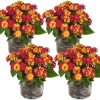
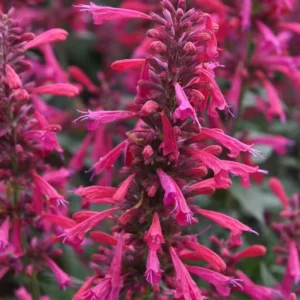
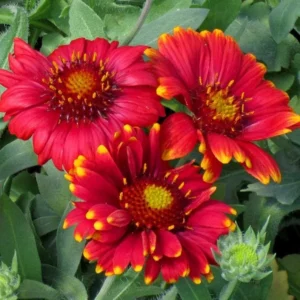
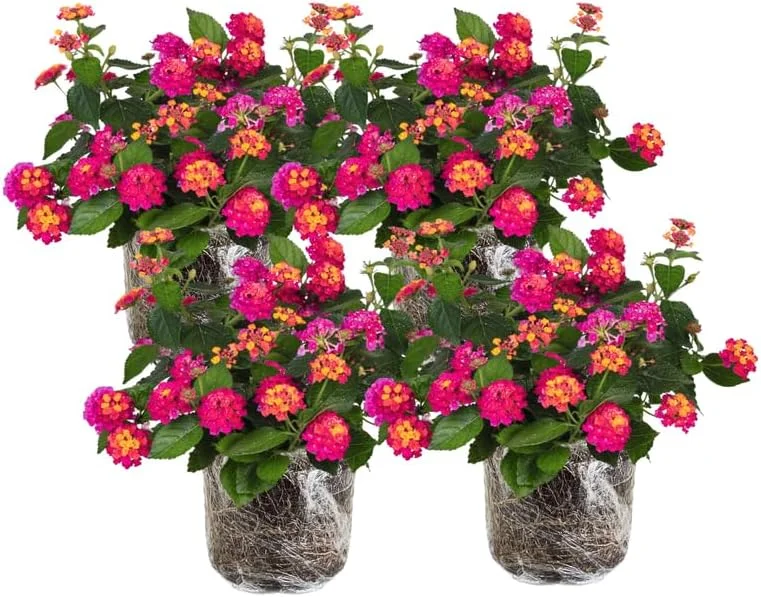
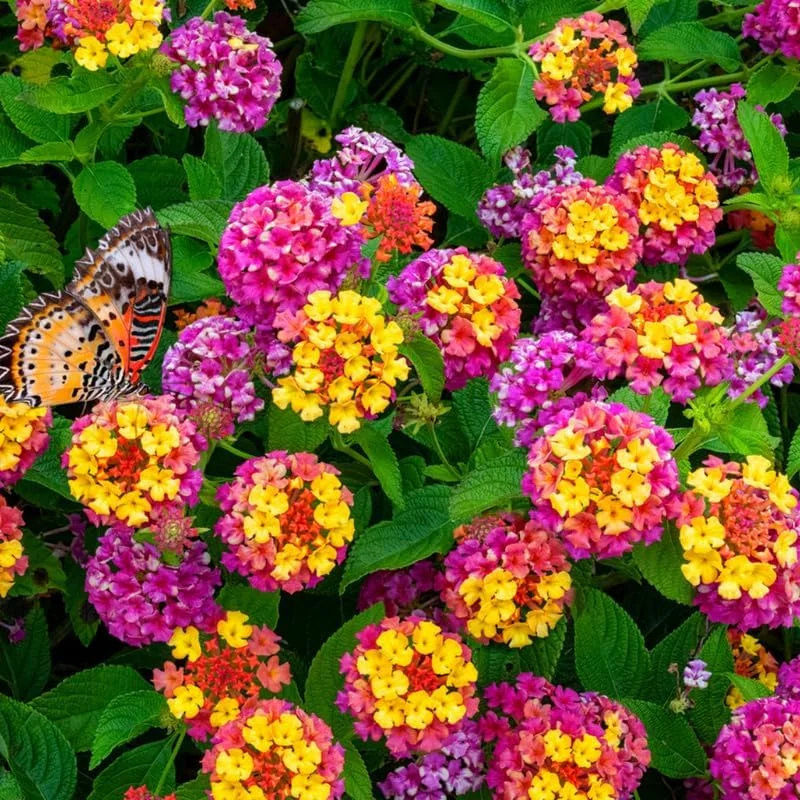
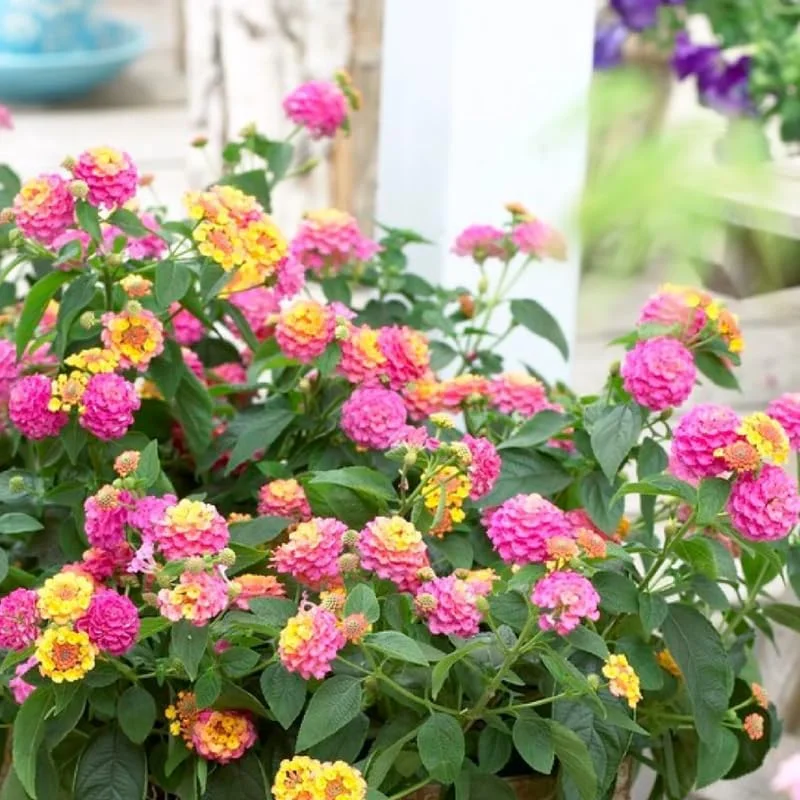
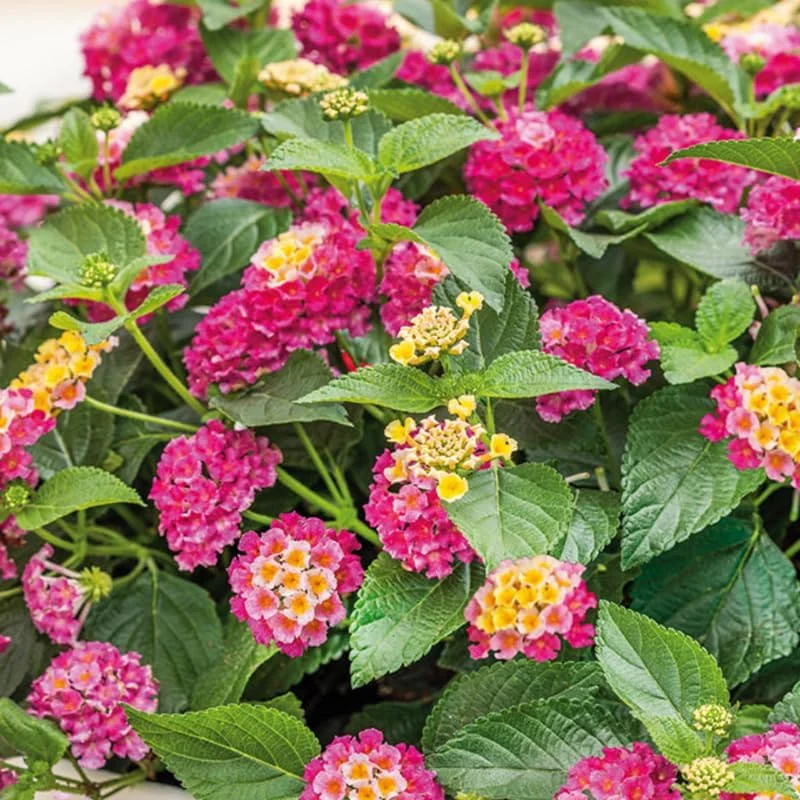
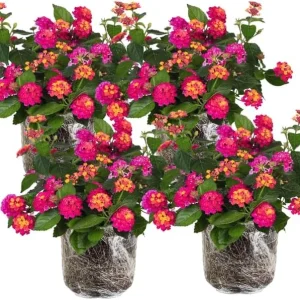
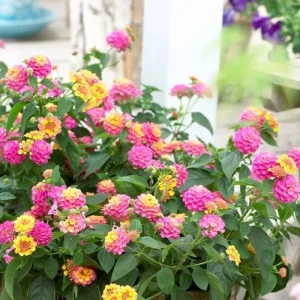
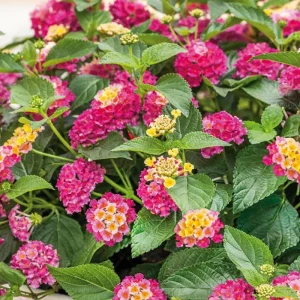
Introduce a burst of vibrant color and life into your outdoor spaces with these stunning Lantana plants live. This collection includes four healthy, well-rooted plants, each standing 4-7 inches tall, ready to be transplanted into your garden or containers. Known for their prolific flowering, these particular lantanas display a captivating blend of pink and yellow hues, creating a dynamic visual appeal that changes as the flowers mature. Lantana plants live are celebrated for their hardiness and ability to flourish in various conditions, making them a favorite among gardeners seeking low-maintenance yet high-impact flora. They are perfect for attracting butterflies and other beneficial pollinators, transforming your garden into a buzzing haven of natural beauty. Whether you’re looking to fill flower beds, adorn patio pots, or create a colorful border, these lantana plants are an excellent choice.
Key Benefits
These Lantana plants live offer numerous advantages for any outdoor garden. Their robust nature and continuous bloom cycle make them an invaluable addition to your landscape:
-
Continuous Vibrant Blooms: Enjoy a long flowering season with clusters of pink and yellow flowers that provide consistent color from spring through fall. The multi-colored blossoms are a true spectacle, evolving in shade as they age.
-
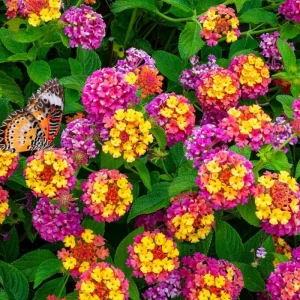
Attracts Pollinators: The nectar-rich flowers are a magnet for butterflies, hummingbirds, and bees, contributing to a healthy garden ecosystem and enhancing biodiversity.
-
Drought Tolerant: Once established, these Lantana plants live are remarkably drought-resistant, requiring less frequent watering than many other flowering plants, making them ideal for xeriscaping or water-wise gardens.
-
Low Maintenance: Known for their easy care, these hardy plants require minimal fuss, thriving with little intervention beyond initial planting and occasional watering. This makes them perfect for busy gardeners or those new to plant care.
-
Versatile Landscaping Use: Suitable for a variety of applications, including ground cover, mixed borders, container planting, hanging baskets, and as an annual in cooler climates. Their adaptable nature makes them a garden staple.
-
Deer Resistant: Generally unappealing to deer, lantana can be a good choice for gardens in areas where deer browsing is a concern, helping to protect your beautiful blooms.
Plant Care & Growing Tips
Caring for your Lantana plants live is straightforward, ensuring a season full of vibrant blooms. These plants are sun-worshippers, performing best when given ample sunlight. They require at least six hours of direct sunlight per day to achieve their fullest flowering potential and maintain their compact form. In shadier conditions, they may become leggy and produce fewer flowers. When it comes to watering, lantanas prefer well-draining soil and are quite tolerant of dry conditions once established. Water deeply but infrequently, allowing the soil to dry out completely between waterings. Overwatering can lead to root rot, so ensure proper drainage.
The ideal soil for pink yellow lantana is well-draining, moderately fertile, and slightly acidic to neutral. A good quality potting mix for containers or amended garden soil with compost will provide the necessary nutrients. These plants thrive in warm temperatures and are perennial in USDA Zones 8-11, where they can grow up to 2 feet tall. In colder zones, they are typically grown as annuals. Fertilize sparingly; too much fertilizer can encourage foliage growth at the expense of flowers. A balanced, slow-release fertilizer applied in spring is usually sufficient. Deadheading spent blooms, though not strictly necessary for continuous flowering, can help maintain a tidy appearance and encourage more prolific blooming. Watch out for common pests like whiteflies and spider mites, which can be managed with insecticidal soap if necessary. Proper lantana plant care ensures a stunning display.
Size & Details
This offering includes four individual Lantana plants live, each carefully cultivated and shipped as a well-rooted specimen. Upon arrival, the plants will measure approximately 4-7 inches in height, making them an ideal size for immediate transplanting into your garden beds or decorative containers. With proper care, these hardy annual flowers can reach a mature height of up to 2 feet. They are delivered ready to grow, ensuring a smooth transition to their new home. The vigorous root system allows them to establish quickly and begin producing their signature pink yellow lantana blooms. Expect these plants to provide continuous color throughout the growing season, beginning shortly after planting and lasting until the first frost in cooler climates, or year-round in warmer zones.
Frequently Asked Questions
-
Q: How big do these Lantana plants get? A: These Lantana plants live are shipped at 4-7 inches tall and can grow up to 2 feet tall when mature, especially in warmer climates where they are perennial.
-
Q: Are these an indoor or outdoor plant? A: These are primarily outdoor plants, thriving in full sun. While they can be overwintered indoors in colder zones, they are best enjoyed as an outdoor annual or perennial.
-
Q: How much sunlight does a pink yellow lantana need? A: For optimal growth and flowering, pink yellow lantana requires full sun exposure, meaning at least 6 hours of direct sunlight per day.
-
Q: Is this plant easy to care for? A: Yes, lantana is known for being a low-maintenance and hardy plant, making it an excellent choice for both experienced and novice gardeners looking for easy lantana plant care.
-
Q: What condition will the plants arrive in? A: The plants will arrive well-rooted and 4-7 inches tall, ready to be planted directly into your garden or pots.
-
Q: When is the best time to plant these hardy lantana flowers? A: The best time to plant is after the last danger of frost in spring, once soil temperatures have warmed up. This allows the plants to establish well before the peak growing season.
-
Q: Will these hardy lantana flowers survive winter in my zone? A: These plants are perennial in USDA Zones 8-11. In colder zones, they are typically grown as annuals and will not survive winter outdoors without protection.
-
Q: Do I need to prune my outdoor lantana plant? A: Light pruning can help maintain shape and encourage bushier growth. Deadheading spent flowers is optional but can promote more blooms.
-
Q: What type of soil is best for an outdoor lantana plant? A: Lantana prefers well-draining soil. A general-purpose potting mix or garden soil amended with compost works well.
-
Q: Are these plants deer resistant? A: Yes, outdoor lantana plant varieties are generally considered deer resistant, making them a good option for areas with deer activity.


Reviews
There are no reviews yet.