Overview
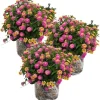
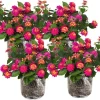
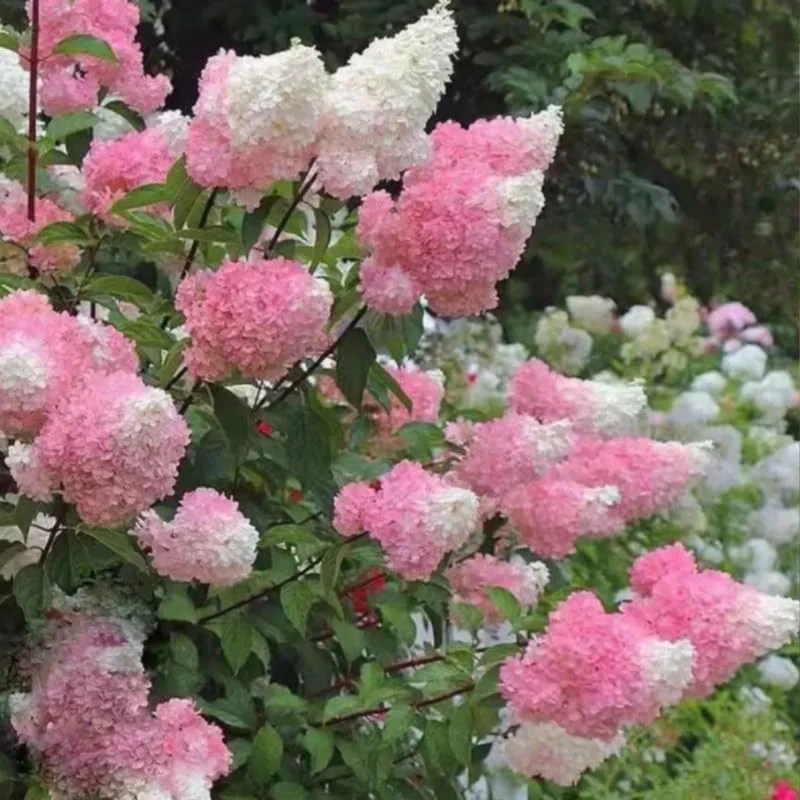
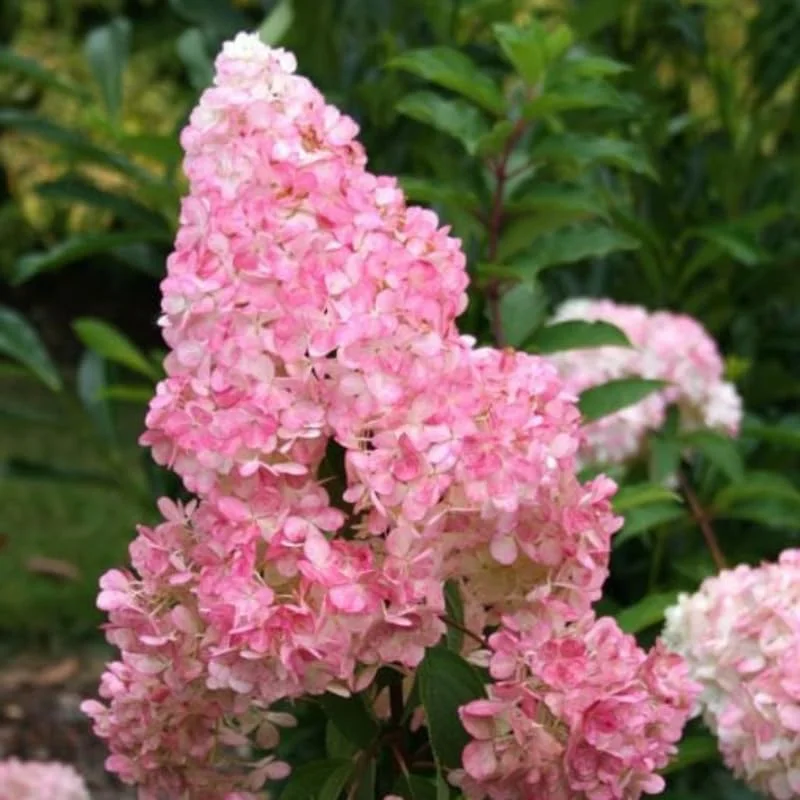
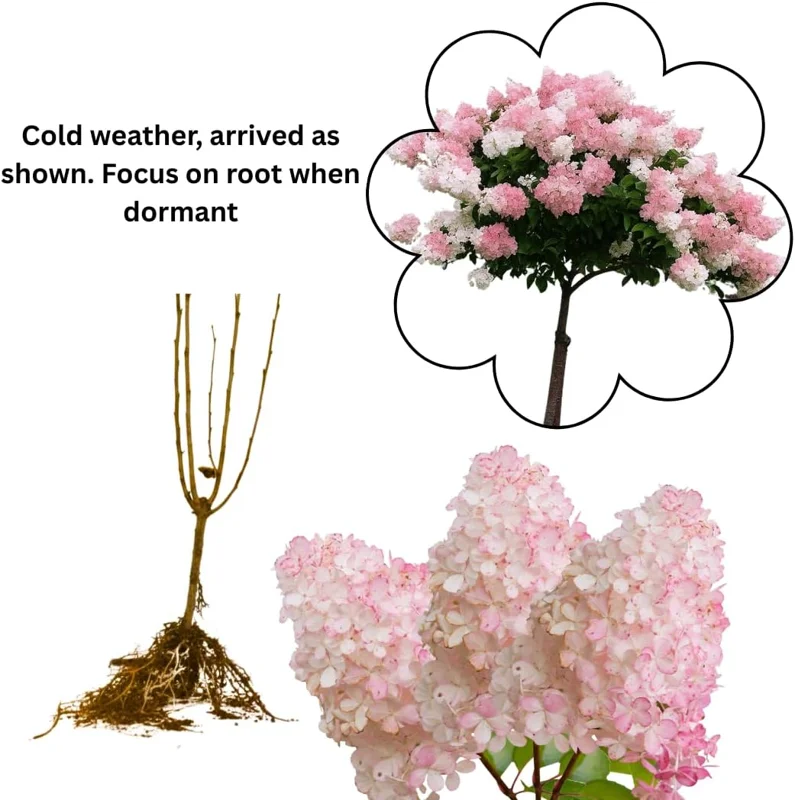
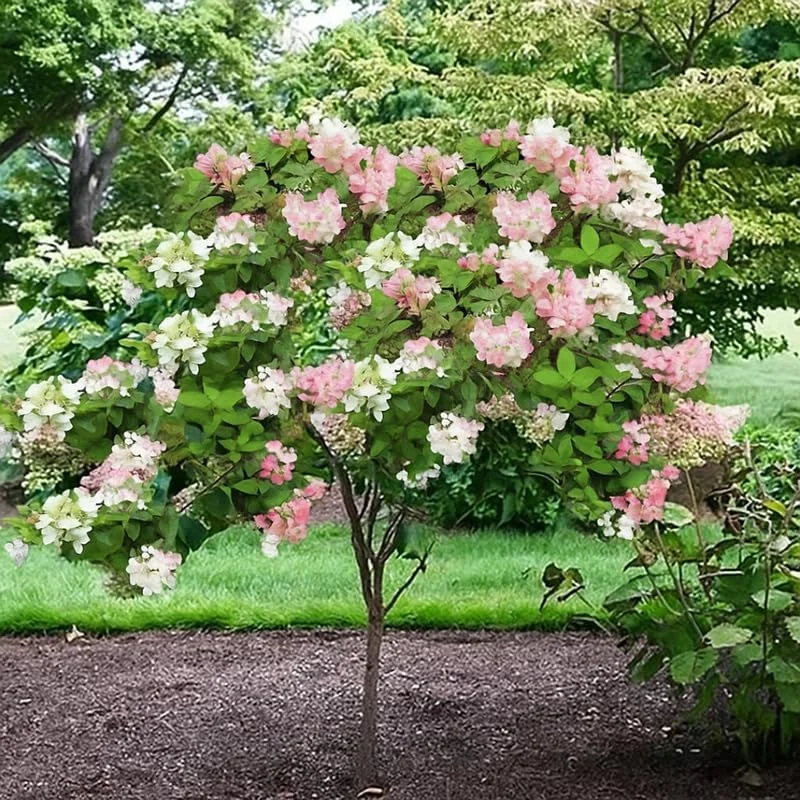
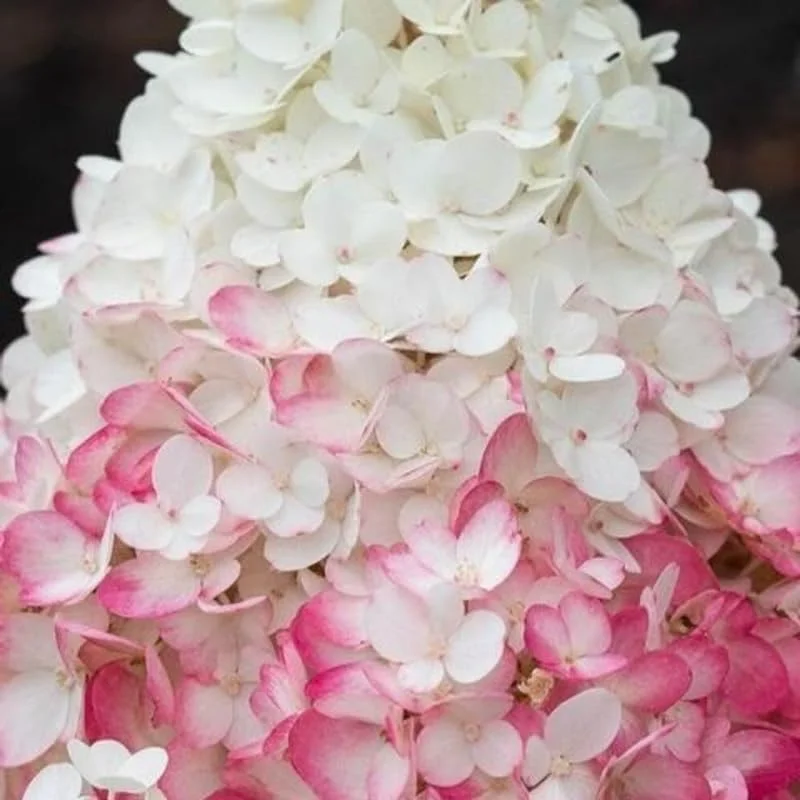
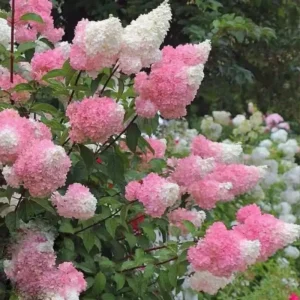
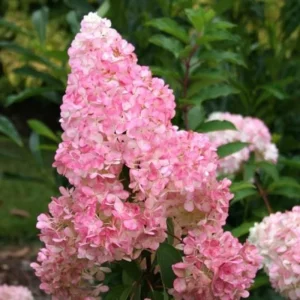
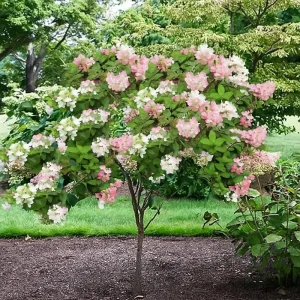
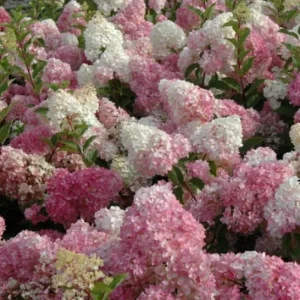
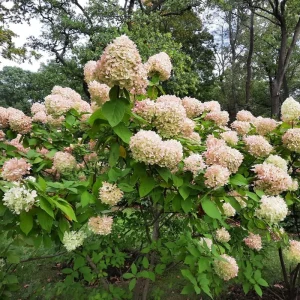
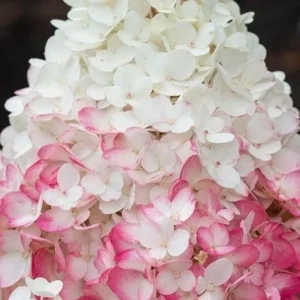
Transform your outdoor living space with a stunning hydrangea live plant. This beautiful flowering shrub is celebrated for its abundant and showy pink and white blooms, adding elegance and charm to any garden. Standing at a healthy 5 to 7 inches tall and well-rooted, this plant is ready for immediate planting upon arrival. Hydrangeas are a beloved choice for gardeners due to their impressive flowers and relatively easy care, making them suitable for both novice and experienced plant enthusiasts. As a deciduous shrub, it will enter a dormant state during winter, preparing for a spectacular return of color in the warmer months. Ideal for creating eye-catching focal points or enhancing existing garden designs, this hydrangea promises to deliver lasting beauty season after season.
Key Benefits
Investing in a hydrangea live plant offers numerous advantages for your garden and landscape:
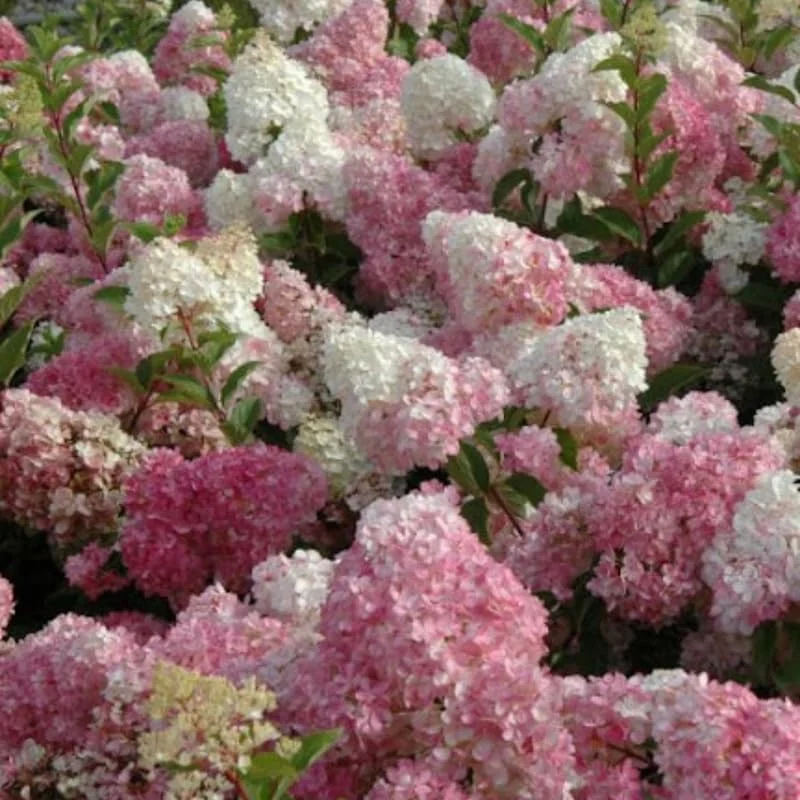
- Stunning Floral Display: Enjoy a continuous show of beautiful pink and white flowers from late spring through summer, providing vibrant color and visual interest to your outdoor areas. These large, captivating blooms are perfect for cutting and bringing indoors.
- Versatile Landscaping: This adaptable shrub is ideal for a variety of garden applications, including borders, mass plantings, foundation plantings, and container gardening, allowing you to easily integrate it into your existing design.
- Well-Rooted & Ready to Plant: Our hydrangeas arrive healthy and well-established, ensuring a smooth transition and strong start in your garden. This robust root system supports vigorous growth and abundant flowering.
- Easy to Grow: Hydrangeas are known for being relatively low-maintenance once established, thriving with minimal intervention and rewarding you with magnificent flowers. They are a fantastic choice for gardeners looking for high impact with less effort.
- Attracts Pollinators: While not a primary pollinator plant, the large flower heads can still provide some nectar and pollen for local bees and butterflies, contributing to a healthy garden ecosystem.
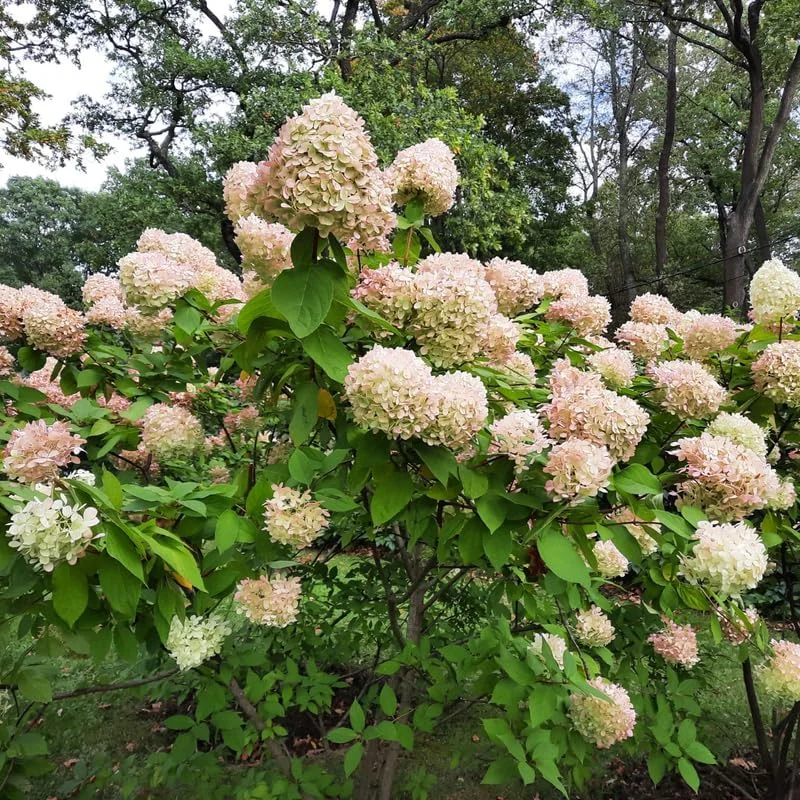
- Seasonal Interest: Beyond their summer blooms, the changing foliage and dried flower heads can offer interest into the fall and winter, providing year-round appeal to your landscape.
- Durable & Long-Lived: With proper care, a hydrangea live plant can thrive for many years, becoming a cherished and enduring feature in your garden.
Plant Care & Growing Tips
Caring for your hydrangea live plant is straightforward, ensuring it flourishes and provides beautiful blooms. Hydrangeas generally thrive in USDA Zones 5-9, making them suitable for a wide range of climates across the US. For optimal growth and flowering, select a location that provides partial sun, meaning it receives 4-6 hours of direct sunlight, preferably in the morning, with some protection from intense afternoon sun. Too much direct sun can scorch the leaves, especially in hotter climates, while too much shade can reduce flowering.
When it comes to soil, hydrangeas prefer well-drained, moist soil that is rich in organic matter. Amend heavy clay soils with compost to improve drainage, and sandy soils to enhance water retention. Consistent moisture is crucial, especially during the first growing season and dry spells. Water deeply and regularly, ensuring the soil remains evenly moist but not waterlogged. Mulching around the base of the plant can help retain soil moisture and regulate soil temperature. While our pink hydrangea plant often features pink and white blooms, the color of some hydrangea varieties can be influenced by soil pH; acidic soils tend to produce bluer flowers, while alkaline soils favor pinker hues. For our specific variety, the inherent genetics primarily determine the pink and white coloration.
Fertilize your hydrangea in spring with a balanced slow-release fertilizer formulated for flowering shrubs. Avoid over-fertilizing, as this can lead to lush foliage at the expense of flowers. Pruning is best done in late winter or early spring, removing any dead, damaged, or weak stems to encourage healthy new growth. This also helps maintain the plant’s shape and promotes more abundant flowering. Be mindful that this plant will appear dormant in winter, which is a natural and healthy part of its life cycle. Protect young plants in colder zones with a layer of mulch around the base to insulate the roots. Understanding how to manage your growing hydrangeas is key to their success.
Size & Details
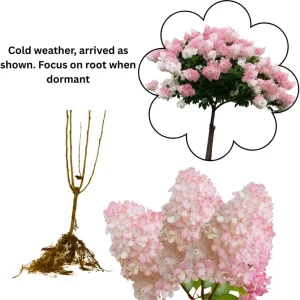
This offering includes one healthy, well-rooted hydrangea live plant, meticulously nurtured to ensure a robust start in your garden. Each plant stands approximately 5 to 7 inches tall from the base of the root ball to the top of the foliage, providing a substantial specimen ready for immediate planting. While shipped in a nursery pot, the plant is ready to be transplanted into a larger container or directly into your garden bed upon arrival. Hydrangeas are known for their moderate growth rate, typically reaching a mature height of 3 to 6 feet and a similar spread, depending on the variety and growing conditions. Expect the first flush of beautiful pink and white flowers to appear from late spring and continue through the summer months, bringing vibrant color to your landscape for an extended period. This resilient outdoor flowering shrub will establish quickly, providing years of enjoyment.
Frequently Asked Questions
- Q: How big does this hydrangea live plant get? A: This hydrangea live plant typically grows to a mature height and spread of 3 to 6 feet, depending on the specific variety and growing conditions in your garden. It will arrive at 5 to 7 inches tall, ready to establish itself.
- Q: Is this an indoor or outdoor plant? A: This is an outdoor flowering shrub, ideally suited for garden beds, borders, and large containers. It thrives in outdoor conditions within its recommended USDA hardiness zones.
- Q: How much sunlight does it need? A: Hydrangeas prefer partial sun, which means 4-6 hours of direct sunlight daily, ideally in the morning, with protection from harsh afternoon sun. This helps ensure abundant flowering without scorching the leaves.
- Q: Is this plant easy to care for? A: Yes, hydrangeas are generally considered easy to care for once established. They require consistent moisture, well-draining soil, and occasional fertilization to thrive. They are a great choice for those interested in growing hydrangeas.
- Q: What condition will the plant arrive in? A: Your hydrangea live plant will arrive well-rooted and healthy, ready for planting. It may appear dormant if ordered during cooler months, which is a natural stage for this deciduous shrub.
- Q: When is the best time to plant this outdoor flowering shrub? A: The best time to plant hydrangeas is in spring or early fall when temperatures are moderate. This allows the plant to establish its root system before extreme heat or cold.
- Q: Will it survive winter in my zone? A: This hydrangea is hardy in USDA Zones 5-9. In colder zones, it will go dormant and shed its leaves, returning with new growth in spring. A layer of mulch can help protect the roots in winter.
- Q: Can I influence the color of the flowers? A: While some hydrangea varieties can have their flower color (blue/pink) influenced by soil pH, this specific pink hydrangea plant variety is genetically predisposed to produce pink and white flowers, and its coloration is generally stable regardless of soil pH.
- Q: What kind of soil is best for white hydrangea flowers? A: Hydrangeas prefer well-drained, moist soil that is rich in organic matter. Amending your soil with compost before planting will provide an excellent growing environment for your plant.
- Q: How often should I water my new hydrangea? A: During the first year, water your new hydrangea regularly and deeply, ensuring the soil remains consistently moist but not waterlogged. Once established, it will be more tolerant of short dry periods but still prefers consistent moisture, especially during bloom time.


Reviews
There are no reviews yet.