Overview
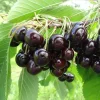
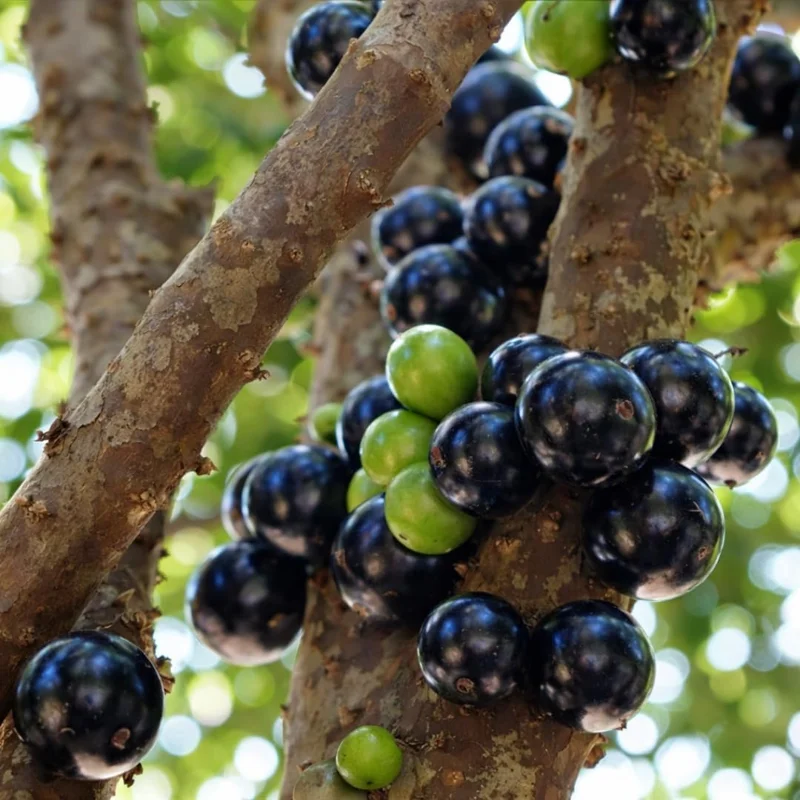
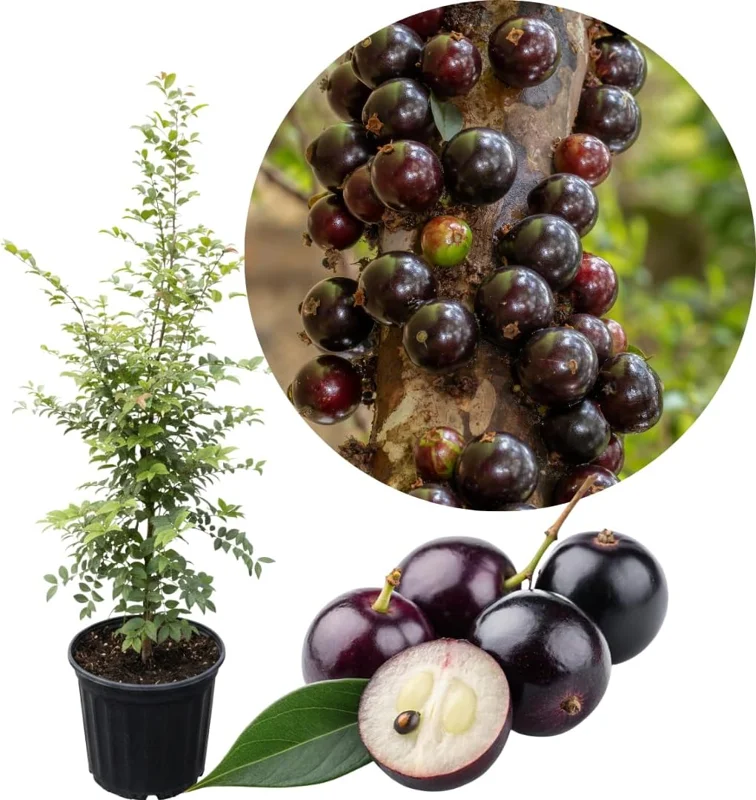
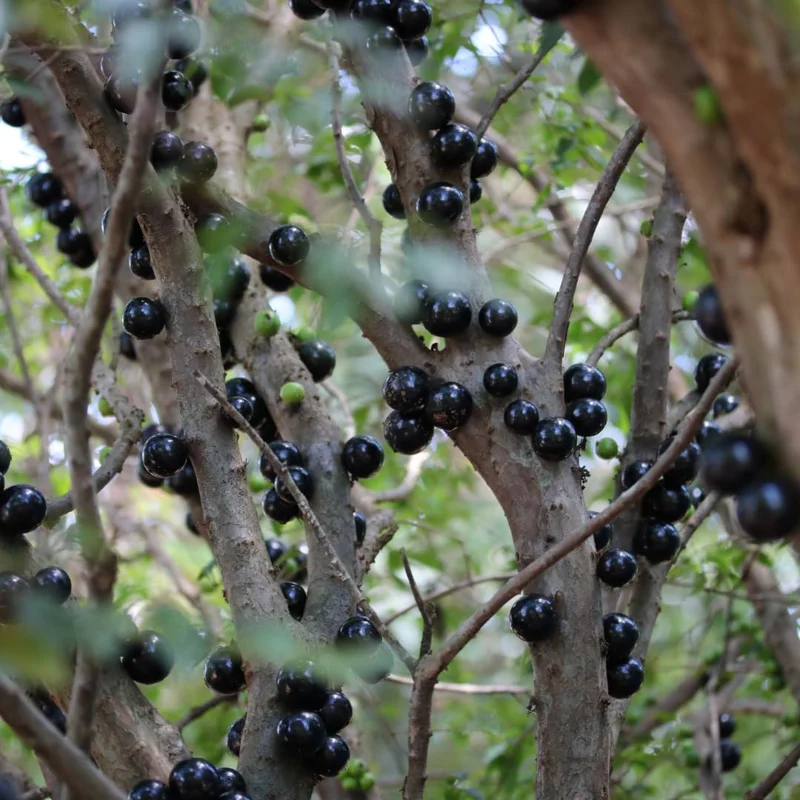
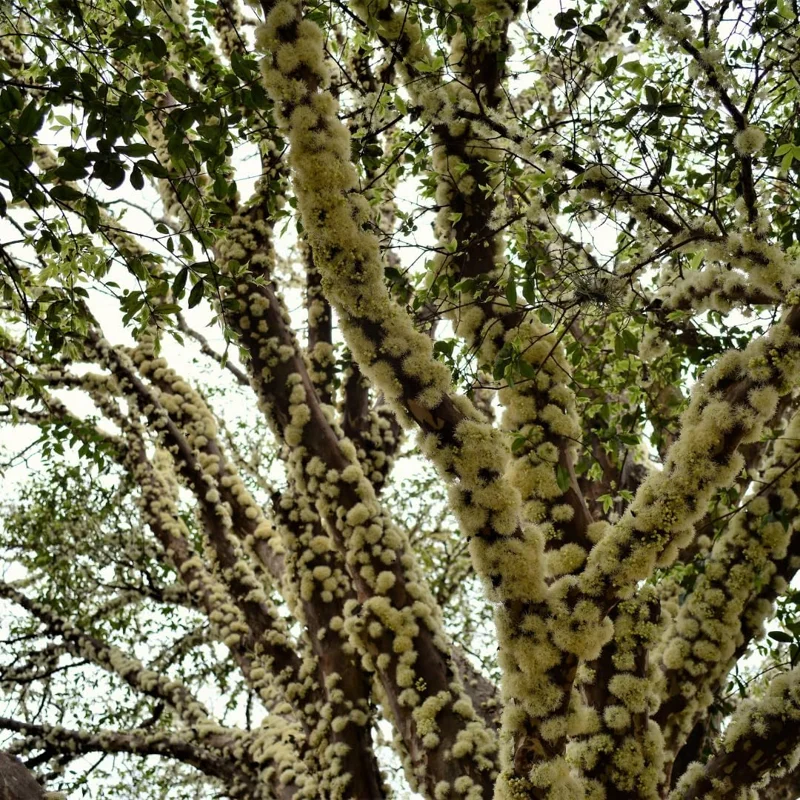
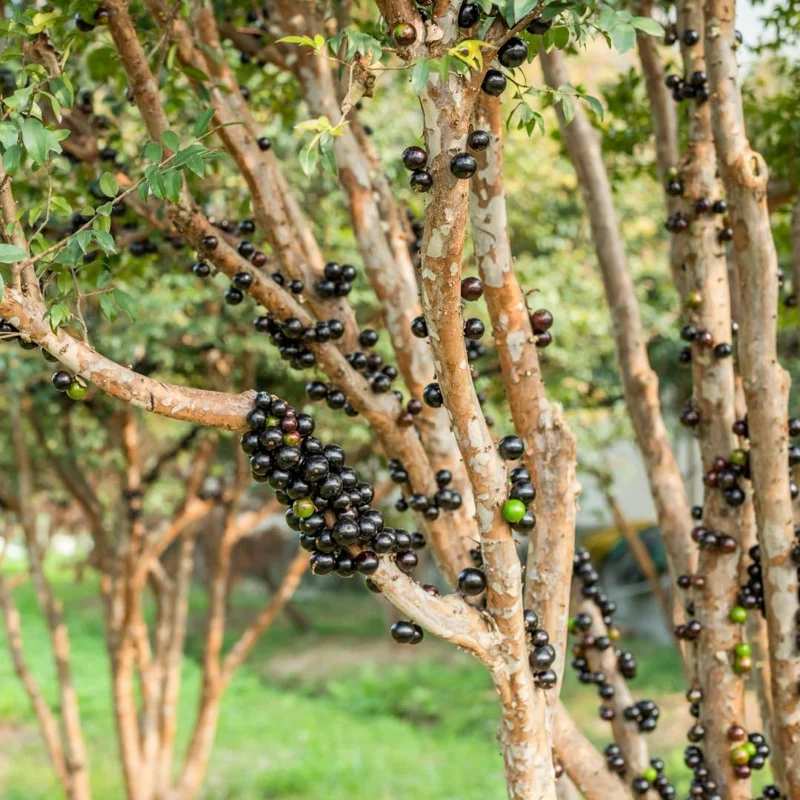
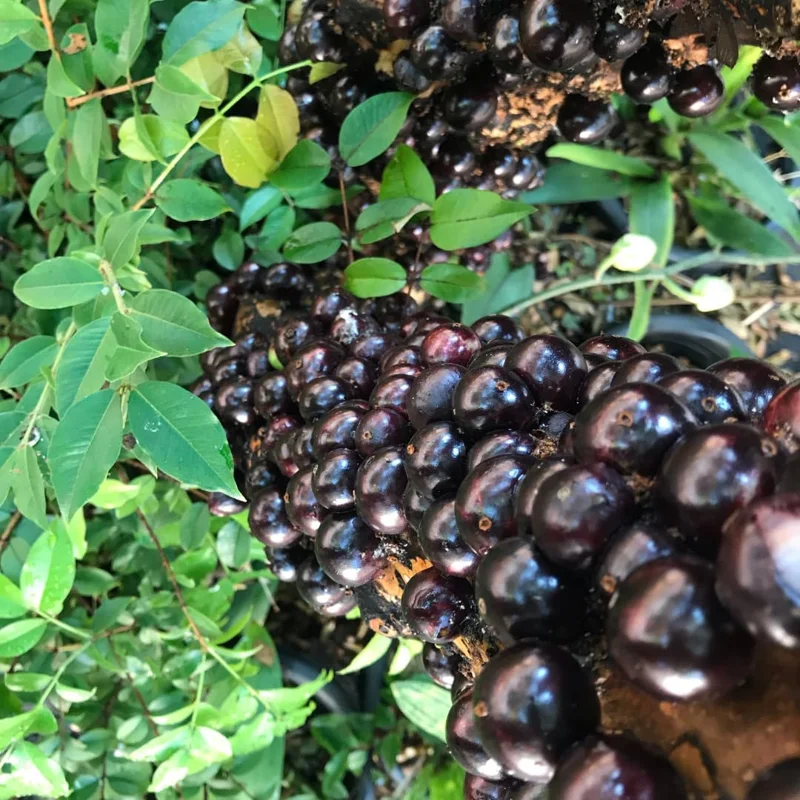
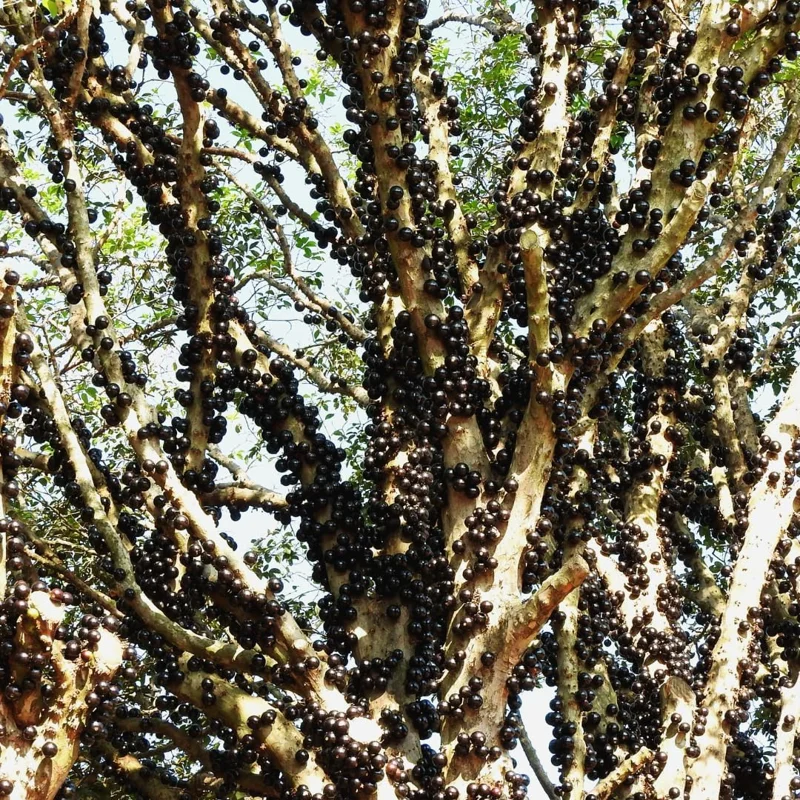
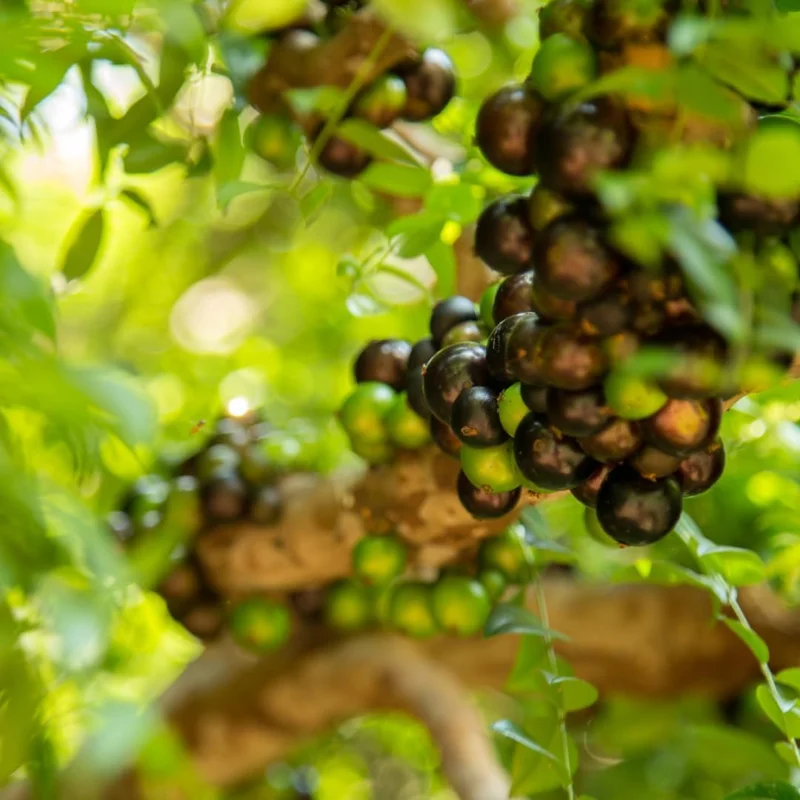
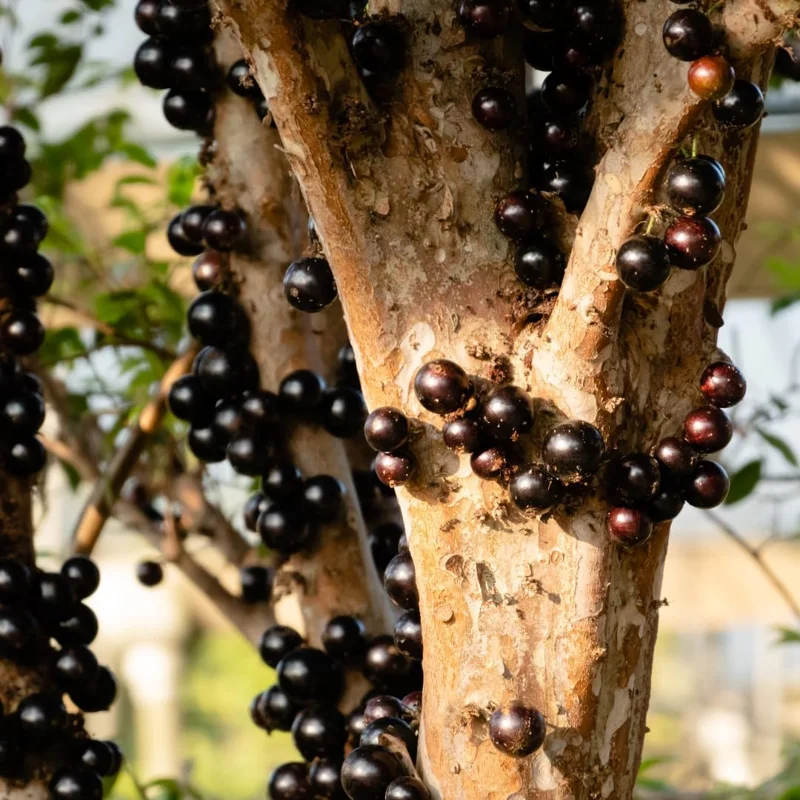
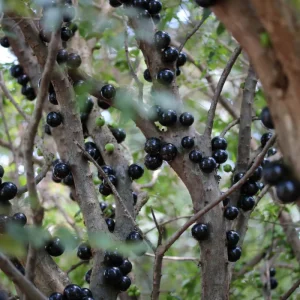
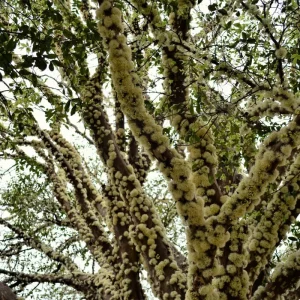
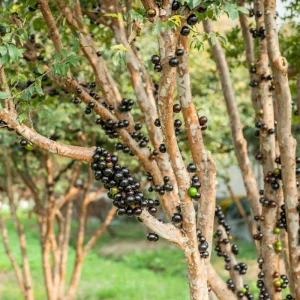
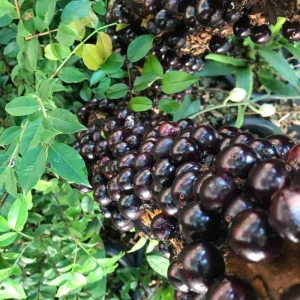
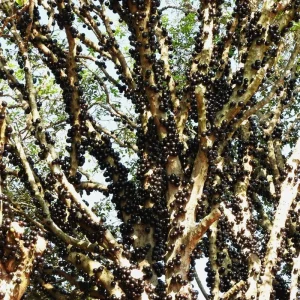
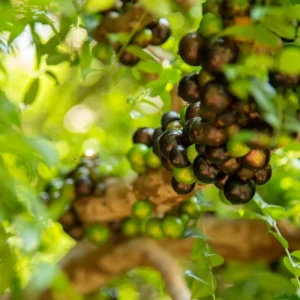
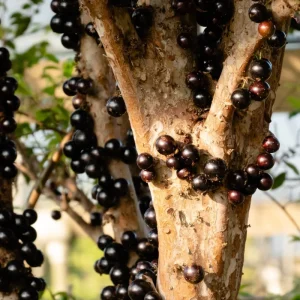
Cultivate a unique and rewarding addition to your landscape with this exquisite black jaboticaba tree. Known scientifically as Myrciaria cauliflora or Plinia cauliflora, the Jaboticaba is a fascinating slow-growing, large shrub or small tree native to Brazil. What makes this plant truly remarkable is its cauliflorous habit, meaning its abundant, sweet, purple-black fruits grow directly on the trunk and main branches. This brazilian jabuticaba plant offers an unparalleled aesthetic and a continuous harvest of delicious, grape-like berries, perfect for eating fresh, making jams, or crafting unique wines. This sweet fruit tree outdoor is a live plant, arriving at approximately 1 foot tall, ready to establish in your garden and begin its journey towards mature fruit production.
Key Benefits
Adding a Jaboticaba tree to your garden provides numerous advantages beyond its unique appearance and delicious fruit. It’s a statement piece that offers both aesthetic appeal and culinary rewards.
- Exotic Fruit Production: Enjoy a continuous supply of fresh, sweet, grape-like fruits directly from the trunk of your black jaboticaba tree. These unique berries are rich in antioxidants and perfect for a variety of culinary uses.
- Unique Ornamental Value: The striking appearance of fruits growing directly on the trunk makes this tree a captivating focal point in any garden or patio. Its dense, evergreen foliage adds year-round beauty.
- Adaptable Growth: This sweet fruit tree outdoor can be grown in the ground, reaching mature heights of 10-15 feet, or maintained in a container, making it versatile for various garden sizes and styles.
- Low Maintenance: Once established, the Jaboticaba tree is relatively easy to care for, requiring consistent moisture and protection from extreme cold in its early years. Understanding proper jaboticaba plant care can lead to bountiful harvests.
- Long Lifespan: Jaboticaba trees are known for their longevity, providing decades of fruit production and beauty to your landscape, a true investment for any gardener.
- Attracts Wildlife: The sweet fruits are a treat for local birds and other wildlife, adding a lively dimension to your garden ecosystem.
- Health Benefits: The fruits of the Jaboticaba are packed with vitamins and antioxidants, offering a healthy and delicious snack straight from the tree.
Plant Care & Growing Tips
Proper jaboticaba plant care is essential for a thriving and productive tree. These plants prefer warm, humid climates and can be grown in USDA Hardiness Zones 9-11. For those in cooler climates, container growing is an excellent option, allowing the plant to be moved indoors during colder months. The black jaboticaba tree thrives in full sun but can tolerate partial shade, especially in hotter climates where some afternoon shade can prevent leaf scorch. Aim for at least 6-8 hours of direct sunlight daily for optimal fruit production.
Watering should be consistent, especially during dry periods and when the tree is young. The soil should remain consistently moist but not waterlogged. Good drainage is crucial to prevent root rot. A well-draining, slightly acidic soil mix is ideal. Fertilize regularly during the growing season with a balanced, slow-release fertilizer designed for fruiting trees. Protect young trees from frost, and consider mulching around the base to retain moisture and regulate soil temperature. Regular pruning is generally not required for fruit production but can be done to maintain shape or size, especially for a jaboticaba tree for sale intended for container growing. Watch out for common pests like aphids and scale insects, and treat them promptly with organic insecticidal soaps if they appear.
Size & Details
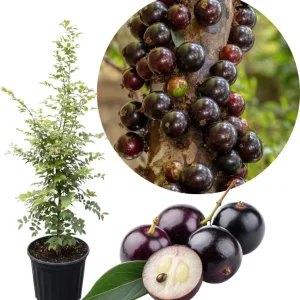
This black jaboticaba tree is a live plant, standing approximately 1 foot tall upon arrival, perfect for getting started on your fruit-growing journey. It is shipped in a nursery pot, with its root ball intact, ensuring minimal transplant shock. While a slow grower, a well-cared-for brazilian jabuticaba plant can reach mature heights of 10-15 feet when planted in the ground, forming a dense, rounded canopy. In containers, its size can be managed through pruning, making it suitable for patios and smaller spaces. Expect fruit production to begin within 5-8 years, though some varieties may fruit sooner. The plant is evergreen, providing year-round foliage and multiple fruiting cycles throughout the year in ideal conditions.
Frequently Asked Questions
- Q: How big does this plant get? A: When planted in the ground, a black jaboticaba tree can reach a mature height of 10-15 feet. If grown in a container, its size can be kept smaller with proper pruning, making it a versatile sweet fruit tree outdoor option.
- Q: What size pot does it come in? A: This brazilian jabuticaba plant arrives in a standard nursery pot, with its root system well-established. The exact pot size may vary slightly but will be appropriate for a 1-foot tall plant.
- Q: Is this an indoor or outdoor plant? A: The Jaboticaba tree is primarily an outdoor plant, suited for USDA Hardiness Zones 9-11. In colder zones, it can be grown in a container and brought indoors during winter to protect it from frost.
- Q: How much sunlight does it need? A: For optimal growth and fruit production, this sweet fruit tree outdoor prefers full sun, meaning at least 6-8 hours of direct sunlight per day. It can tolerate partial shade, especially in regions with intense afternoon sun.
- Q: Is this plant easy to care for? A: While it has specific requirements, especially regarding watering and soil, jaboticaba plant care is generally considered moderate. Once established, it becomes more resilient. It’s a great choice for gardeners looking for a unique fruiting tree.
- Q: What condition will it arrive in? A: Your jaboticaba tree for sale will arrive as a healthy, live plant, approximately 1 foot tall, carefully packaged to minimize stress during transit. It will have healthy foliage and an intact root ball.
- Q: How long until it blooms and fruits? A: Jaboticaba trees are slow growers and typically begin fruiting within 5-8 years from planting, though some can fruit earlier under ideal conditions. Patience is key for this rewarding tree.
- Q: What’s the minimum temperature this tree can tolerate? A: This black jaboticaba tree is sensitive to frost. It can tolerate temperatures down to about 20-25°F (-4 to -7°C) for short periods once mature, but young plants require protection below 32°F (0°C).
- Q: Can I use the fruit for anything besides eating fresh? A: Absolutely! The sweet, juicy fruits are excellent for making jams, jellies, juices, and even unique wines. They are versatile and delicious.
- Q: What kind of soil does it prefer? A: The Jaboticaba thrives in well-draining, slightly acidic soil. A mix rich in organic matter is beneficial. Avoid heavy, clay soils that retain too much water.


Reviews
There are no reviews yet.