Overview
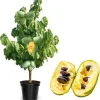
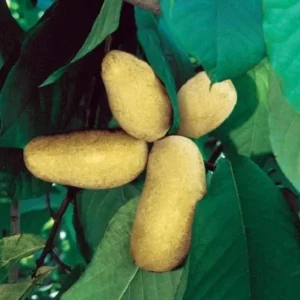
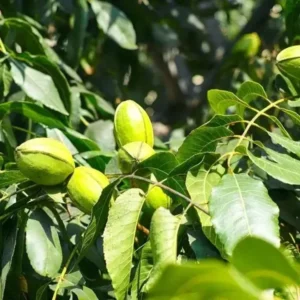
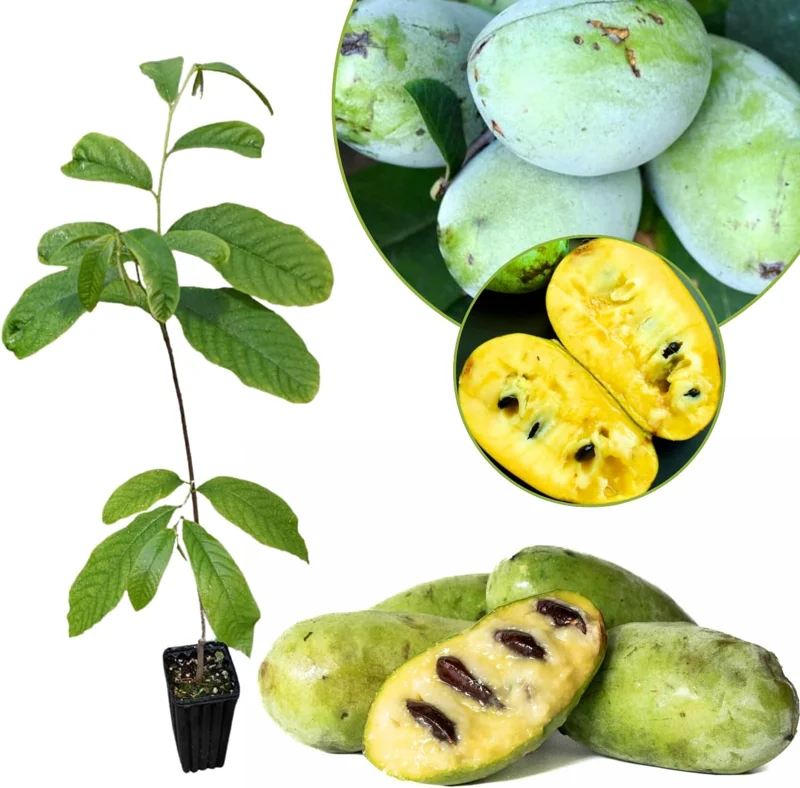
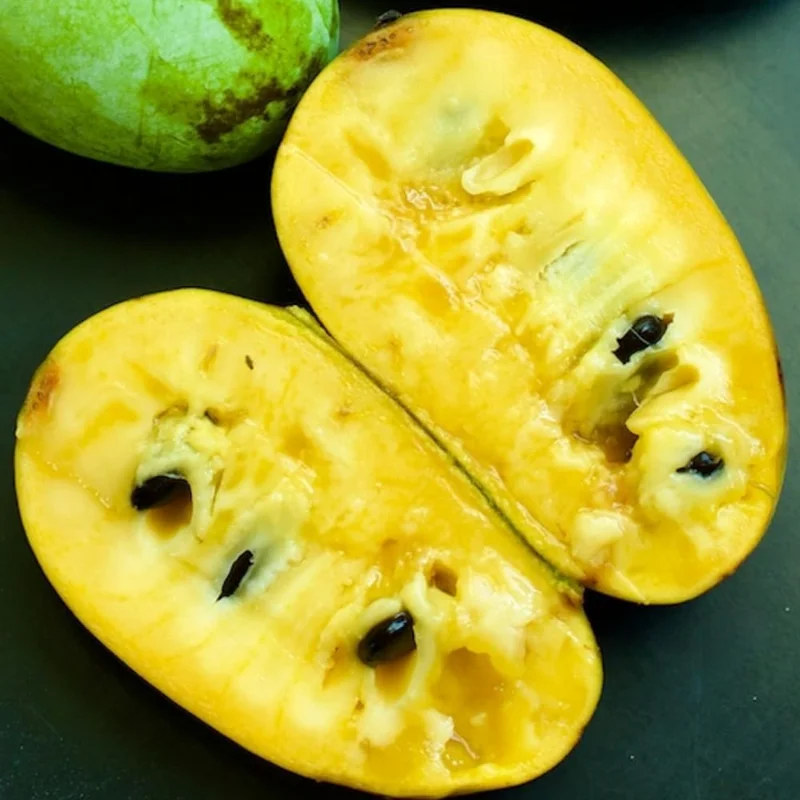
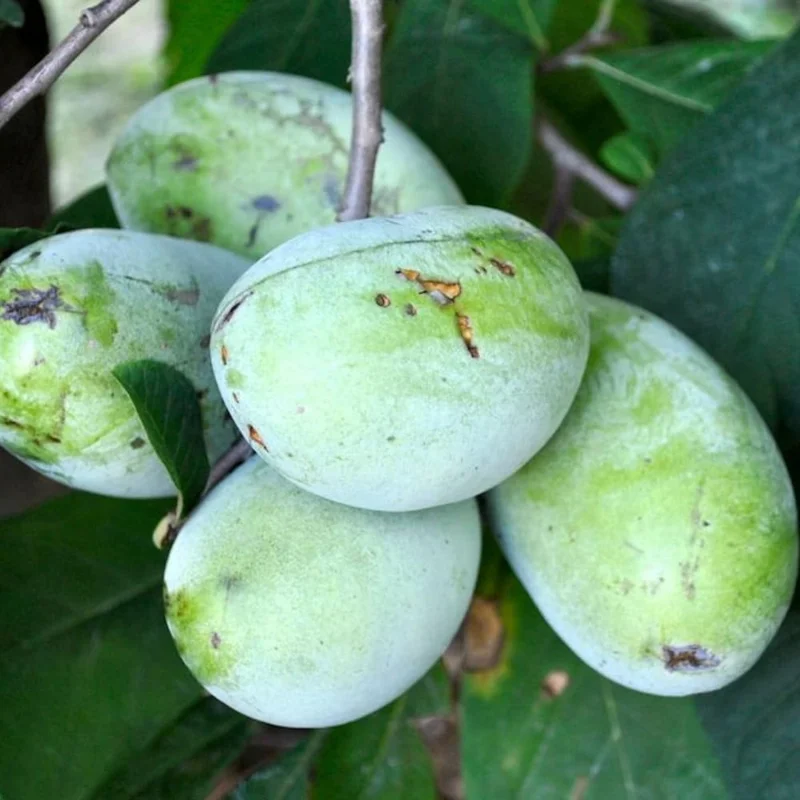
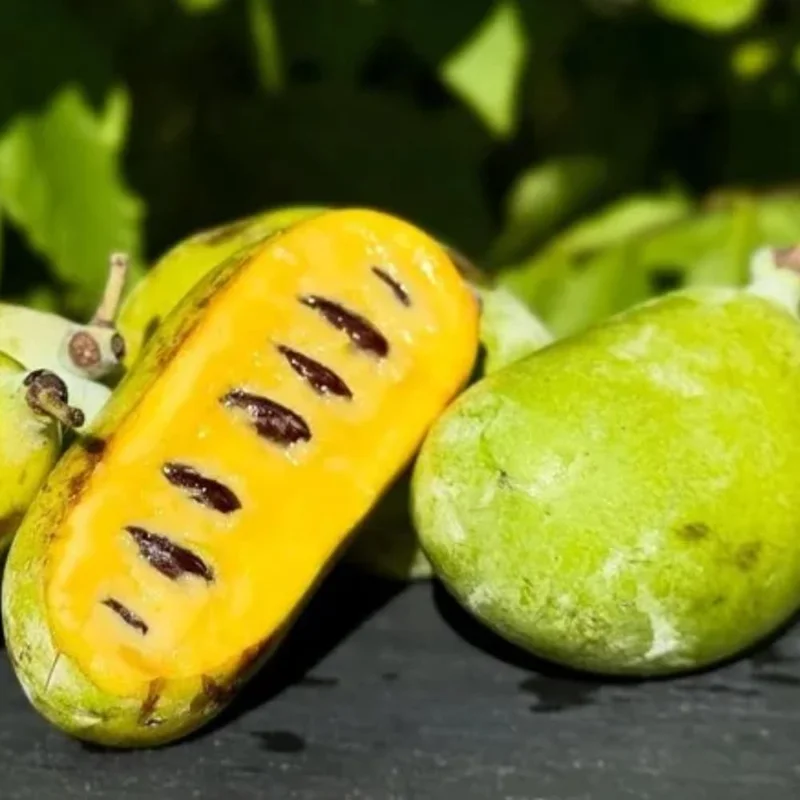
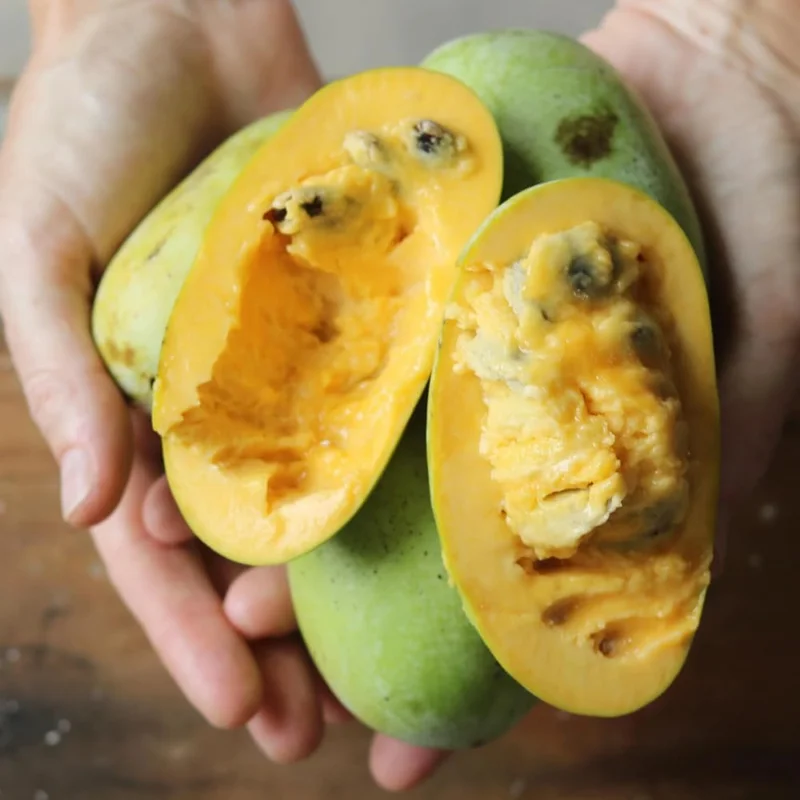
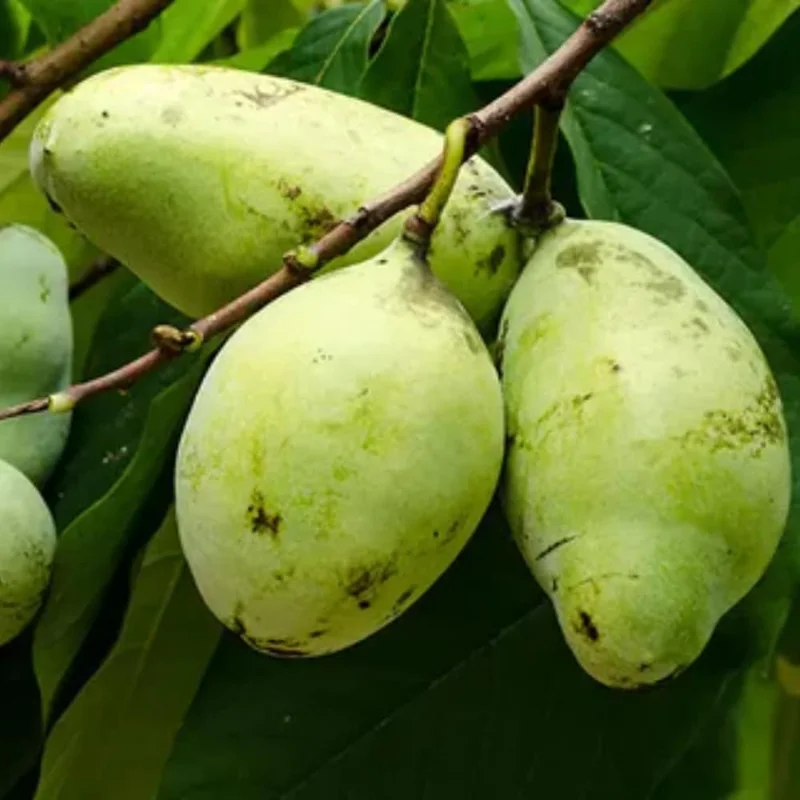
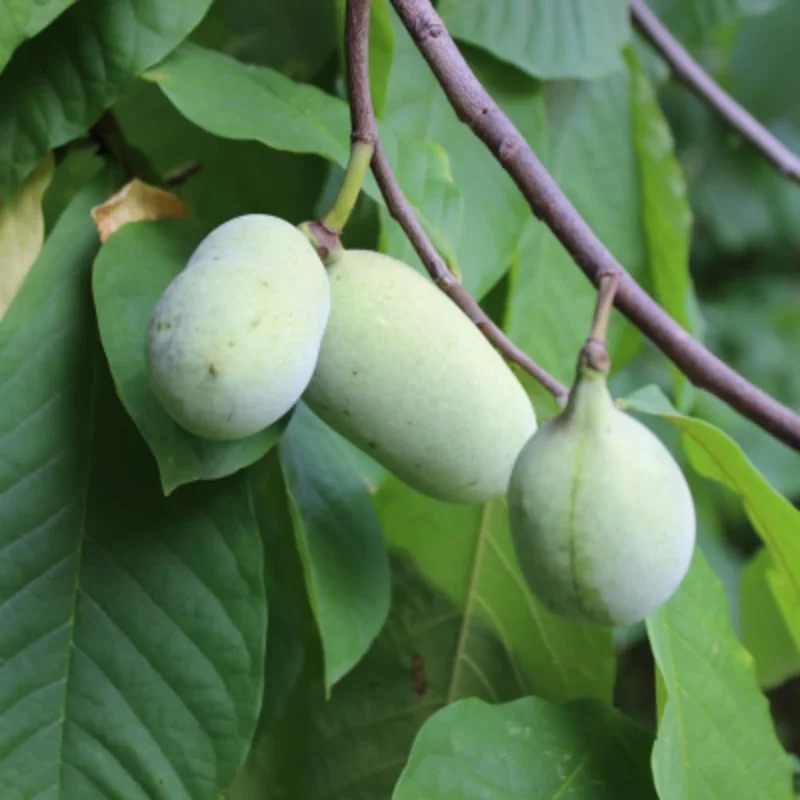
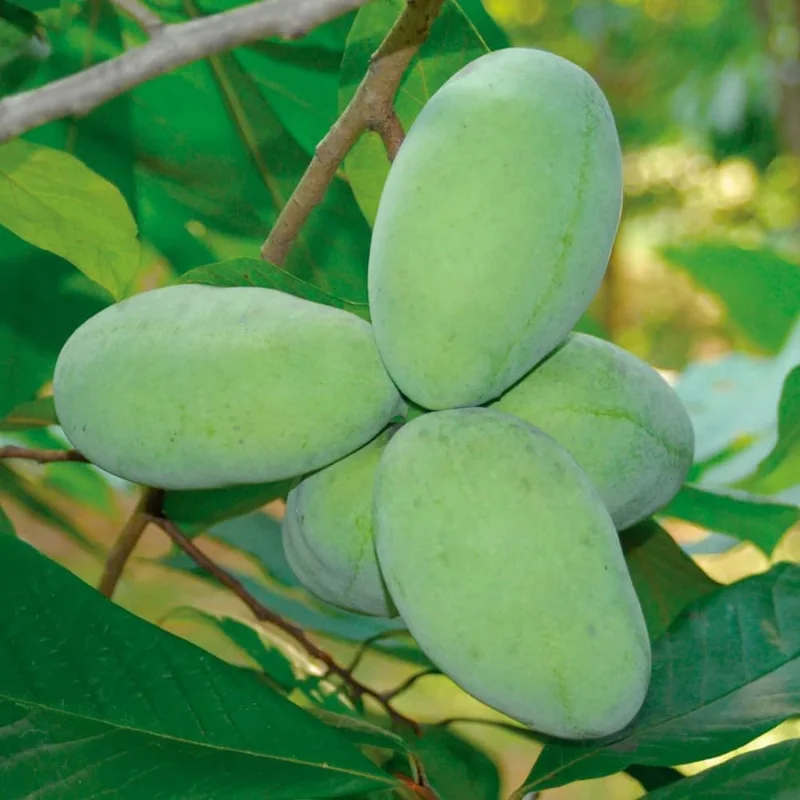
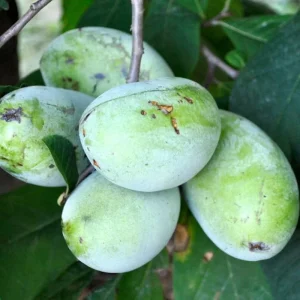
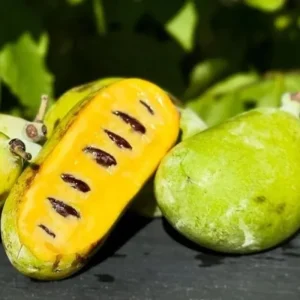
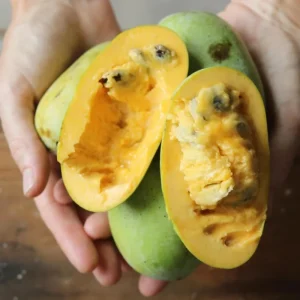
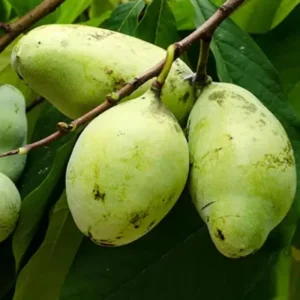
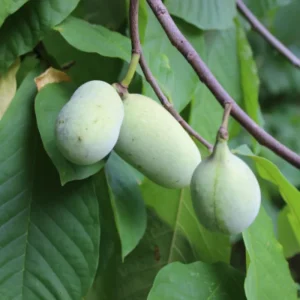
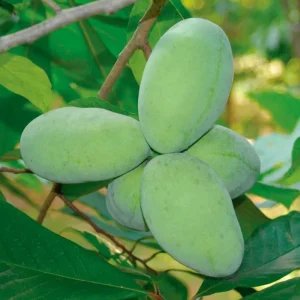
Cultivate a unique and delicious harvest in your own garden with a pawpaw live tree. This offering includes one well-rooted pawpaw fruit plant, typically 6-8 inches tall, perfectly sized for successful transplanting into your home orchard or garden. Pawpaws (Asimina triloba) are North America’s largest native edible fruit, often referred to as the ‘custard apple’ or ‘poor man’s banana’ due to their sweet, tropical flavor profile, which can taste like a blend of banana, mango, and vanilla. Unlike many tropical-tasting fruits, the pawpaw is remarkably cold-hardy, making it a fantastic choice for gardeners in temperate climates looking for an exotic and low-maintenance fruit tree. This young tree provides an excellent starting point for establishing a productive and beautiful addition to your landscape.
Key Benefits
Adding a pawpaw tree to your garden offers a multitude of advantages, from its unique fruit to its ornamental appeal. Here are some of the standout benefits:
-
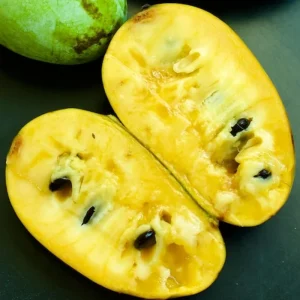
Exotic, Delicious Fruit: Enjoy the unique, custard-like texture and tropical flavor of pawpaw fruit, a rare treat that tastes like a blend of banana, mango, and vanilla. This delicious harvest is unlike anything you’ll find in a grocery store.
-
Cold-Hardy & Adaptable: Despite its tropical fruit, the cold-hardy pawpaw thrives in USDA Hardiness Zones 5–9, making it suitable for a wide range of climates where other tropical fruit trees wouldn’t survive. It’s a robust and reliable choice for many gardeners.
-
Native & Sustainable: As a native North American fruit tree, the pawpaw is well-adapted to local ecosystems, often requiring less intervention once established. This contributes to a more sustainable and environmentally friendly garden.
-
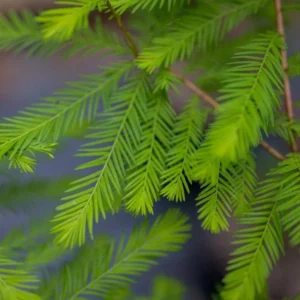
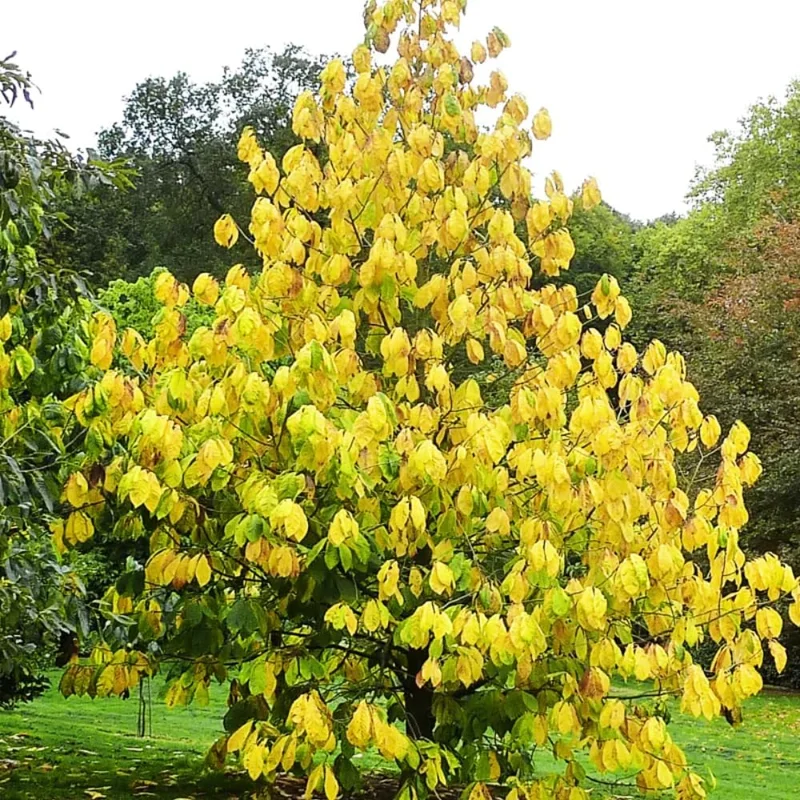
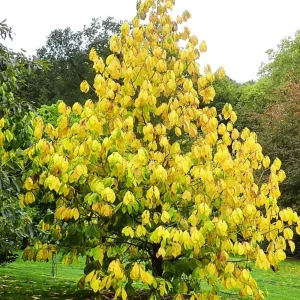
Ornamental Value: Beyond its fruit, the pawpaw tree provides significant aesthetic appeal with its large, tropical-looking foliage, especially beautiful in autumn when leaves turn a vibrant golden yellow. It makes an excellent shade tree or landscape specimen.
-
Low Maintenance: Once established, growing pawpaw fruit trees are relatively low maintenance. They are naturally resistant to many pests and diseases, reducing the need for chemical treatments and extensive care.
-
Support Local Pollinators: Pawpaw flowers attract native pollinators, contributing to biodiversity in your garden and supporting local ecosystems.
-
Home Orchard & Landscaping: Perfect for creating a diverse home orchard or integrating into edible landscaping designs, this pawpaw live tree offers both beauty and bounty.
Plant Care & Growing Tips
Caring for your pawpaw live tree is straightforward, especially once it’s established. Pawpaws prefer full sun exposure for optimal fruit production, but young trees benefit from partial shade during their first year or two to protect them from scorching. Mature trees can grow to 15–25 feet tall and prefer well-draining, slightly acidic to neutral soil. When planting, ensure the site has good drainage to prevent root rot. Dig a hole twice as wide as the root ball and just as deep, backfilling with native soil supplemented with some compost.
Watering is crucial for young trees; keep the soil consistently moist but not waterlogged. Once established, pawpaws are relatively drought-tolerant but will benefit from supplemental watering during dry spells, especially when fruit is developing. Fertilize sparingly with a balanced, slow-release fertilizer in early spring, avoiding high-nitrogen formulas. Pawpaws are generally pest and disease resistant, making them an excellent choice for organic gardening. Remember that pawpaws are not self-pollinating; you will need at least two genetically different trees for successful fruit production. Consider planting a second pawpaw fruit plant for cross-pollination.
Protect young trees from deer, who may browse on the tender foliage. Pruning is generally minimal, focusing on removing dead or crossing branches to maintain good air circulation and shape. Understanding pawpaw tree care will lead to a healthy, productive tree.
Size & Details
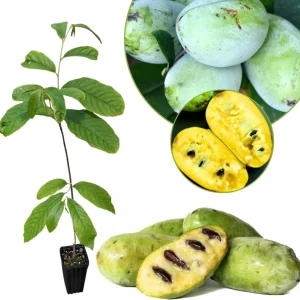
This offering is for one live pawpaw live tree, approximately 6-8 inches tall from the top of the soil line. It arrives well-rooted and ready for immediate transplanting into your garden or a larger container. Pawpaw trees are known for their moderate growth rate, typically reaching a mature size of 15–25 feet tall and a similar spread, forming a medium-sized tree with a distinctive pyramidal shape when young, maturing to a more rounded canopy. It’s important to note that while this tree is a good starter size, it will take several years to reach fruiting maturity, usually 3-5 years after planting, depending on growing conditions and care. The tree is shipped in a nursery pot, ensuring the roots are protected during transit. This pawpaw fruit plant is ideal for establishing a new orchard or adding a unique specimen to your existing landscape. For those interested in growing pawpaw fruit, this 6-8 inch tall tree is a perfect beginning.
Frequently Asked Questions
-
Q: How big does this pawpaw live tree get? A: This pawpaw live tree is approximately 6-8 inches tall upon arrival. When mature, pawpaw trees typically grow to a height of 15-25 feet with a similar spread, creating a beautiful medium-sized shade or orchard tree.
-
Q: Is this an indoor or outdoor plant? A: This pawpaw fruit plant is intended for outdoor planting. It is a deciduous fruit tree that requires outdoor conditions, including a dormant period, to thrive and produce fruit.
-
Q: How much sunlight does it need? A: For best fruit production, mature pawpaw trees require full sun exposure (at least 6-8 hours of direct sunlight per day). Young trees, especially during their first year or two, benefit from some partial shade during the hottest part of the day to prevent leaf scorch.
-
Q: Is this plant easy to care for? A: Yes, pawpaw trees are considered relatively low-maintenance once established. They are naturally resistant to many pests and diseases, making pawpaw tree care simpler compared to some other fruit trees. They are a good choice for both experienced and novice gardeners.
-
Q: What condition will it arrive in? A: Your pawpaw live tree will arrive as a well-rooted, 6-8 inch tall plant, typically in a nursery pot, ensuring its health and readiness for transplanting. We take great care in packaging to protect the plant during shipment.
-
Q: When is the best time to plant a pawpaw tree? A: The best time for planting a pawpaw tree is in the spring after the last frost, or in early fall. This allows the roots to establish before extreme summer heat or winter cold.
-
Q: Will it survive winter in my zone? A: This is a cold-hardy pawpaw tree, thriving in USDA Hardiness Zones 5-9. If your region falls within these zones, the tree should successfully withstand winter conditions once established.
-
Q: Do I need more than one pawpaw tree for fruit? A: Yes, pawpaw trees are not self-pollinating. You will need at least two genetically different pawpaw trees for successful cross-pollination and fruit production. Consider planting another pawpaw live tree for best results in growing pawpaw fruit.
-
Q: What kind of soil is best for a pawpaw tree? A: Pawpaws prefer well-draining, fertile soil with a slightly acidic to neutral pH. Avoid heavy clay soils or areas where water tends to collect, as good drainage is crucial for root health.
-
Q: How long until it produces fruit? A: Pawpaw trees typically begin producing fruit 3-5 years after planting, depending on growing conditions and proper care. Patience is key when growing pawpaw fruit.


Reviews
There are no reviews yet.