Overview
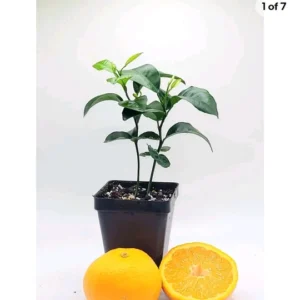
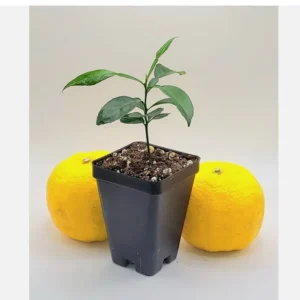
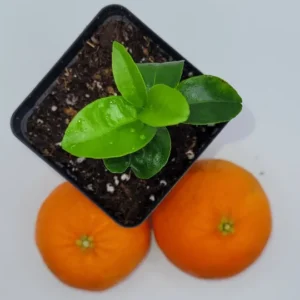
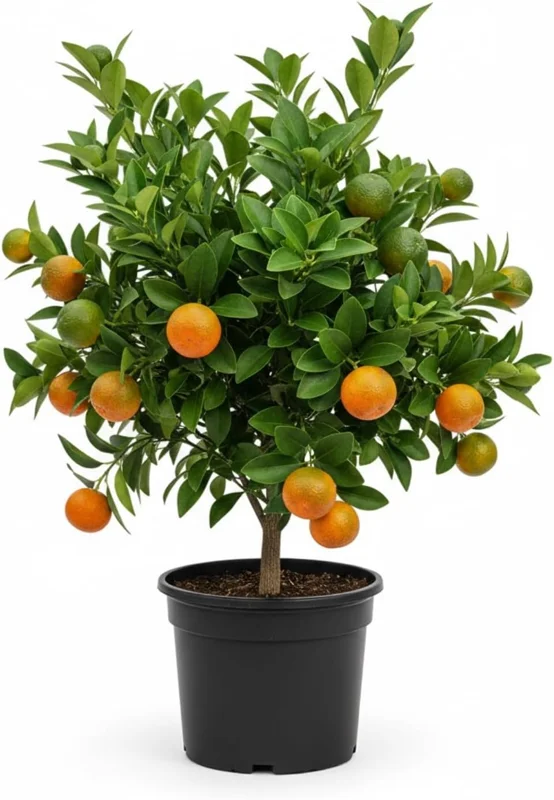
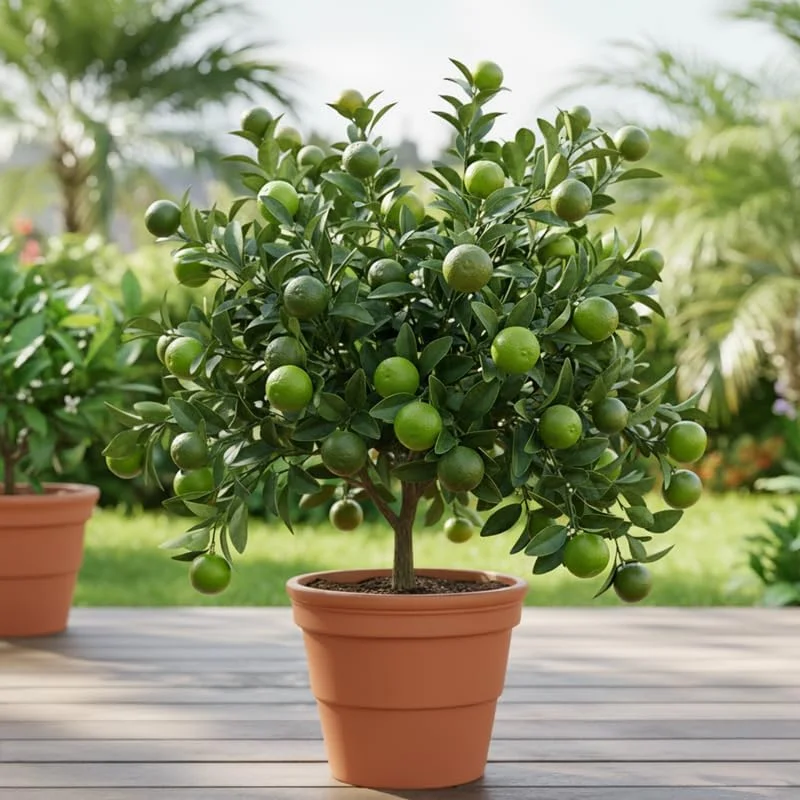
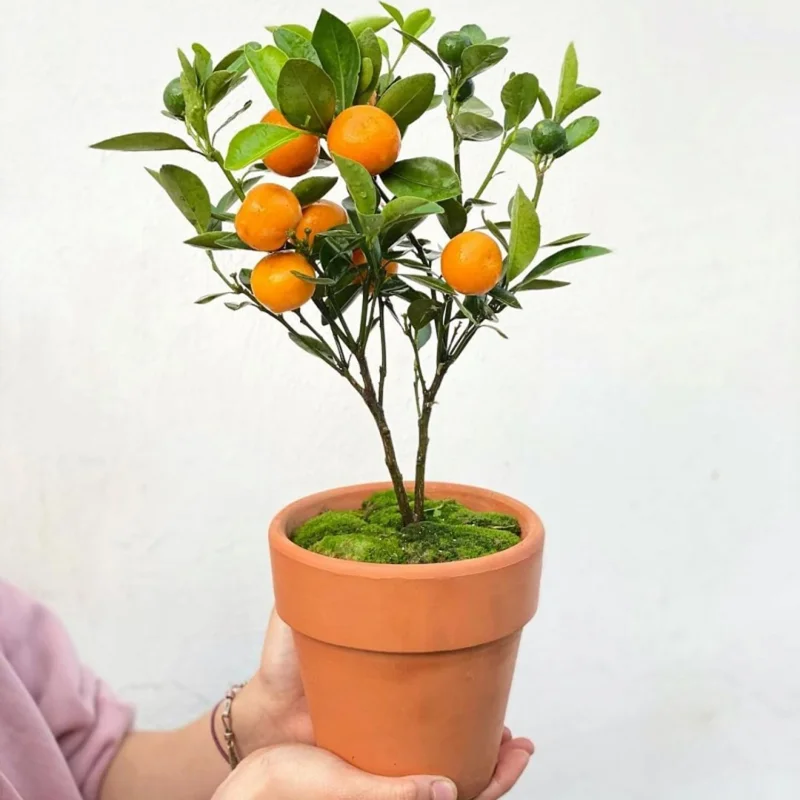
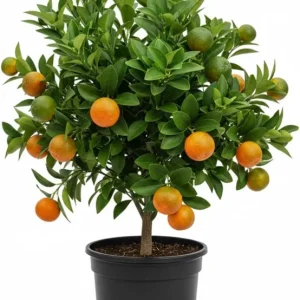
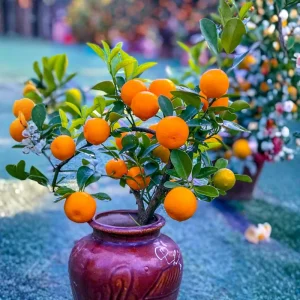
Introduce a touch of the tropics to your home or garden with this beautiful calamansi tree live plant. Known for its ornamental appeal and prolific fruit production, the calamansi tree (Citrus × microcarpa), also often referred to as a calamondin or sour citrus tree, is a hybrid citrus native to the Philippines. This particular specimen stands at an impressive 5 ft tall, making it a substantial addition to any landscape or container collection. Perfect for those who appreciate fresh, tart citrus, this tropical plant offers both aesthetic beauty and culinary delight. Its compact nature makes it an excellent choice for a variety of settings, even if you have limited space.
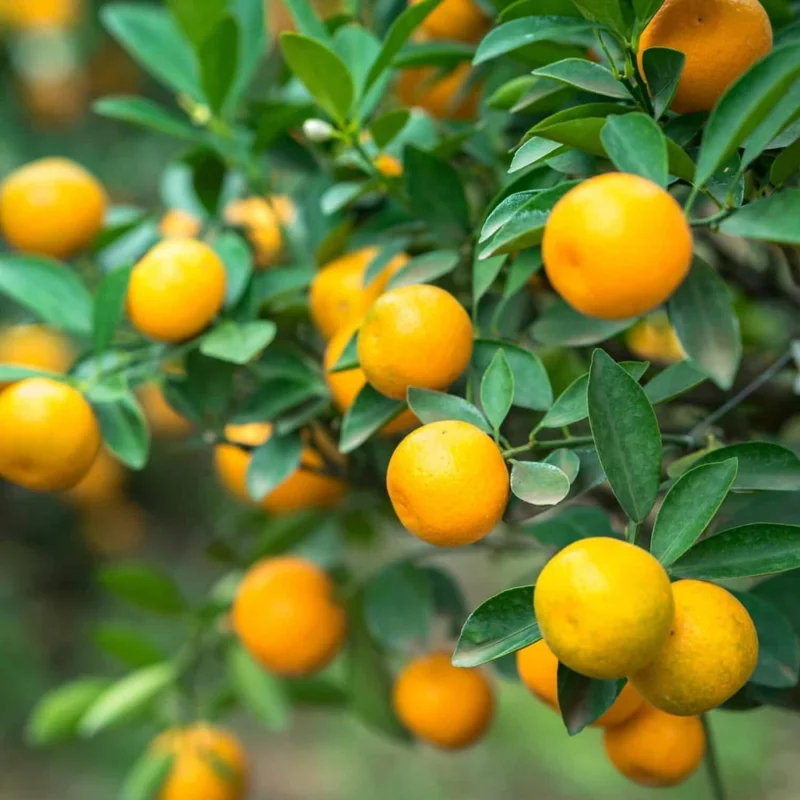
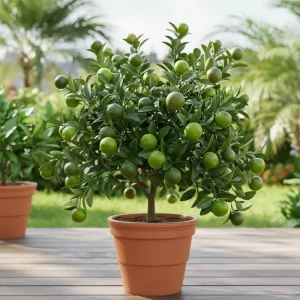
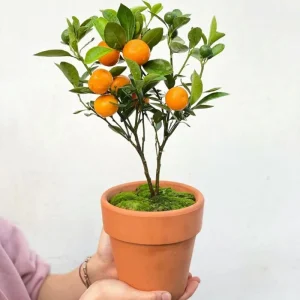
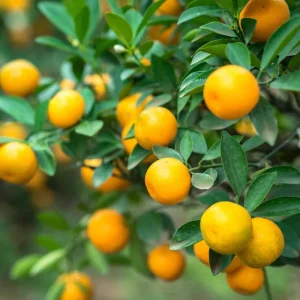
The calamondin tropical plant is highly prized for its small, round, highly acidic fruits, which are a staple in many Southeast Asian cuisines. These fruits resemble small limes or tangerines and possess a unique flavor profile that is both sour and slightly sweet. Growing your own calamansi ensures a fresh supply for drinks, marinades, and desserts. This robust plant is ready to thrive in your care, bringing the exotic flavor of calamansi right to your fingertips.
Key Benefits
Cultivating a calamansi tree live plant offers a wealth of advantages, from its visual appeal to its practical uses. This versatile plant is more than just a decorative item; it’s a source of fresh, flavorful fruit and a delightful addition to any plant enthusiast’s collection. Here are some of the key benefits:
- Abundant Fruit Production: Enjoy a continuous supply of tart, juicy calamansi fruits, perfect for cooking, beverages, and garnishes. This tree is known for being a prolific bearer, providing fresh citrus for many months of the year.
- Compact & Versatile Growth: Its naturally compact size makes it an excellent candidate for container gardening. This allows you to easily move the plant indoors during colder months or arrange it on patios, balconies, or in small garden spaces, even if you want to grow calamansi tree in urban environments.
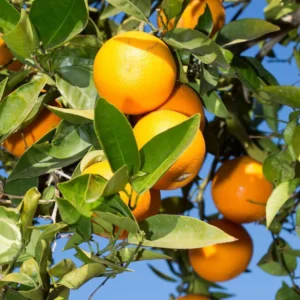
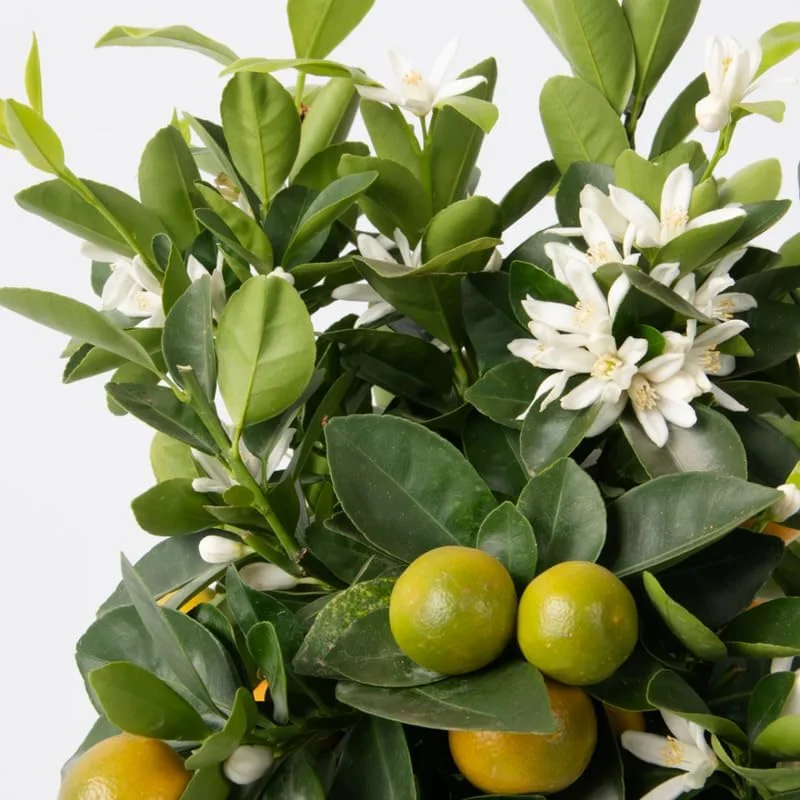
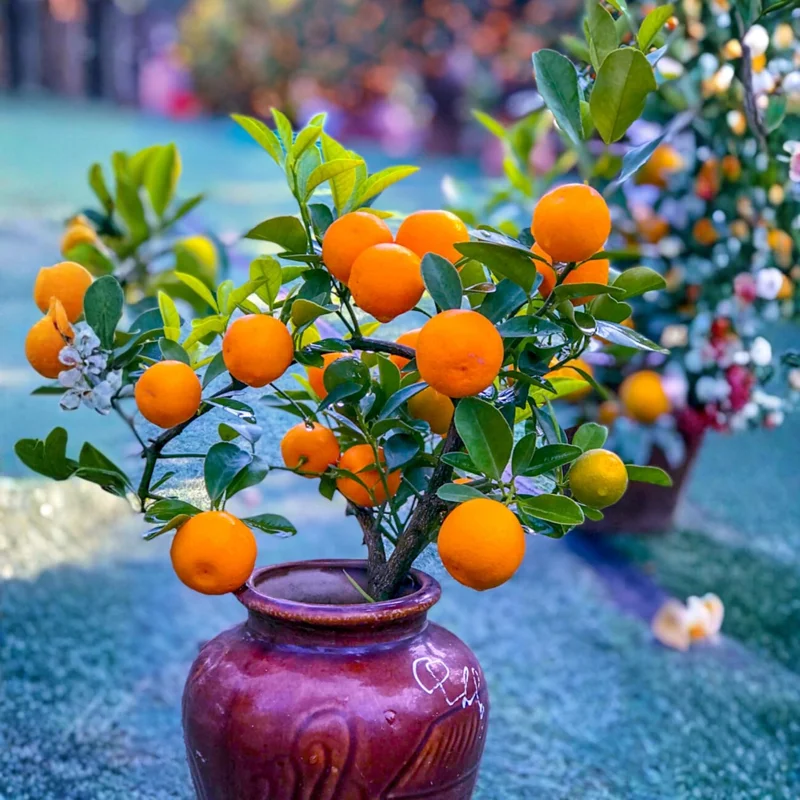
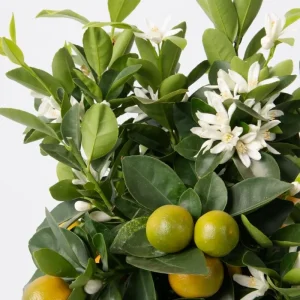
- Attractive Ornamental Plant: With its glossy green leaves, fragrant white blossoms, and vibrant orange fruits, the calamansi tree is a visually appealing addition to any setting. It adds a tropical flair and a pop of color wherever it’s placed.
- Fragrant Blooms: The beautiful white flowers not only add to its aesthetic appeal but also release a delightful, sweet fragrance that can perfume your outdoor living areas or even indoor spaces when brought inside.
- Culinary Delight: The unique sour flavor of calamansi juice is invaluable in the kitchen. It can be used in dressings, marinades, cocktails, and desserts, offering a distinct taste that elevates many dishes.
- Relatively Easy to Care For: While it requires specific conditions, the calamansi tree is not overly demanding. With proper sunlight and watering, it can thrive and reward you with years of delicious fruit, making it a rewarding choice for many gardeners.
- Health Benefits: Calamansi fruit is rich in Vitamin C and antioxidants, contributing to overall health and wellness. Having a fresh source readily available is a great way to boost your daily nutrient intake.
Plant Care & Growing Tips
To ensure your calamansi tree live plant flourishes and produces an abundance of fruit, understanding its specific care requirements is crucial. This tropical plant thrives in conditions that mimic its native environment. It needs ample sunlight, consistent moisture, and protection from cold temperatures. Providing the right environment will lead to a healthy, productive tree that brings joy for years.
Sunlight Requirements: The calamansi tree absolutely loves sunshine. It requires at least 6-8 hours of direct sunlight per day to grow optimally and produce fruit. For outdoor planting, choose a location that receives full sun. If growing in a container, place it in the sunniest spot on your patio or balcony. When brought indoors, position it near a south-facing window or use supplemental grow lights to ensure it gets enough light. Insufficient light can lead to sparse foliage and poor fruit set for your sour citrus tree.
Watering & Soil: Consistent moisture is key for a happy calamansi tree. Water thoroughly when the top inch or two of soil feels dry to the touch. Avoid overwatering, which can lead to root rot, but also prevent the soil from drying out completely. Ensure your plant is in well-draining soil, ideally a sandy loam citrus mix. The 5-gallon pot provides a good starting point for root development. Good drainage is paramount; never let the pot sit in standing water. Regular watering is vital, especially during warm weather and when the plant is actively fruiting. This will help your calamansi plant care routine be successful.
Temperature & Hardiness Zones: As a calamondin tropical plant, it is sensitive to cold. It thrives in warm temperatures, ideally between 60-90°F (15-32°C). It is suitable for outdoor planting in USDA Hardiness Zones 9-11. In cooler climates (Zones 8 and below), it must be grown in a container and brought indoors before the first frost. Protect it from temperatures below 40°F (4°C). When moving indoors, ensure a gradual transition to avoid shock.
Fertilization: Feed your calamansi tree with a balanced citrus fertilizer, following the product’s instructions. Typically, this means fertilizing every 1-2 months during the growing season (spring through fall) and reducing frequency in winter. Look for fertilizers specifically formulated for citrus, which often contain micronutrients like iron, zinc, and manganese that citrus trees need.
Pruning & Pests: Prune your calamansi tree to maintain its shape, remove dead or crossing branches, and encourage better air circulation and fruit production. The best time to prune is after the main fruiting season. Keep an eye out for common citrus pests like aphids, scale, and spider mites. Treat infestations promptly with organic insecticidal soap or neem oil to keep your tree healthy.
Size & Details
This offering is for one vibrant calamansi tree live plant, standing approximately 5 ft tall from the base of the pot to the top of the foliage. It comes planted in a 5-gallon nursery pot, providing a robust root system and a good start for continued growth. The 5-gallon size is excellent for immediate outdoor placement in warmer climates or for continued container gardening. This compact sour citrus tree is known for its moderate growth rate, allowing it to reach a manageable mature size that is ideal for patios, small gardens, or even as an indoor accent piece with adequate light.
The plant will arrive carefully packaged to ensure its health and vitality during transit. While it is a substantial size, it is still young enough to adapt well to its new environment. Expect consistent fruit production once established, with the potential for multiple harvests throughout the year in optimal conditions. The calamondin tropical plant is a long-lived specimen that, with proper care, can provide fresh fruit for many years to come.
Frequently Asked Questions
- Q: How big does this plant get? A: This calamansi tree live plant is currently 5 ft tall. With proper care, it can reach a mature height of 6-10 ft if planted in the ground, or remain smaller (around 4-6 ft) if kept in a container, making it a versatile sour citrus tree.
- Q: What size pot does it come in? A: The plant arrives in a sturdy 5-gallon nursery pot, providing ample space for its established root system and allowing for continued growth before needing to be repotted.
- Q: Is this an indoor or outdoor plant? A: This is primarily an outdoor plant for USDA Zones 9-11. In colder regions, it can be grown outdoors in a container during warm months and brought indoors as a calamondin tropical plant during winter.
- Q: How much sunlight does it need? A: The calamansi tree thrives in full sun, requiring at least 6-8 hours of direct sunlight daily for optimal growth and fruit production.
- Q: Is this plant easy to care for? A: While it has specific needs regarding sunlight and watering, the calamansi tree is considered moderately easy to care for. Consistent attention to its environment will ensure a healthy and productive plant.
- Q: What condition will it arrive in? A: Your calamansi tree live plant will be carefully packaged and shipped to ensure it arrives in the best possible condition, ready to be planted or placed in its new home.
- Q: When is the best time to plant this tree? A: The best time to plant is in spring or early summer after the last risk of frost, allowing the plant ample time to establish itself before extreme weather.
- Q: Can I use calamansi fruit in cooking? A: Absolutely! Calamansi fruit is highly prized for its tart, unique flavor and is widely used in Asian cuisine for marinades, sauces, drinks, and desserts.
- Q: What type of soil is best for this plant? A: A well-draining, slightly acidic soil mix is ideal. Many gardeners use a high-quality potting mix specifically formulated for citrus plants.
- Q: Will it survive winter in my zone? A: If you are in USDA Zones 9-11, it can survive winter outdoors. In colder zones, you must protect it from frost by bringing it indoors or providing adequate winter protection.


Reviews
There are no reviews yet.