Overview
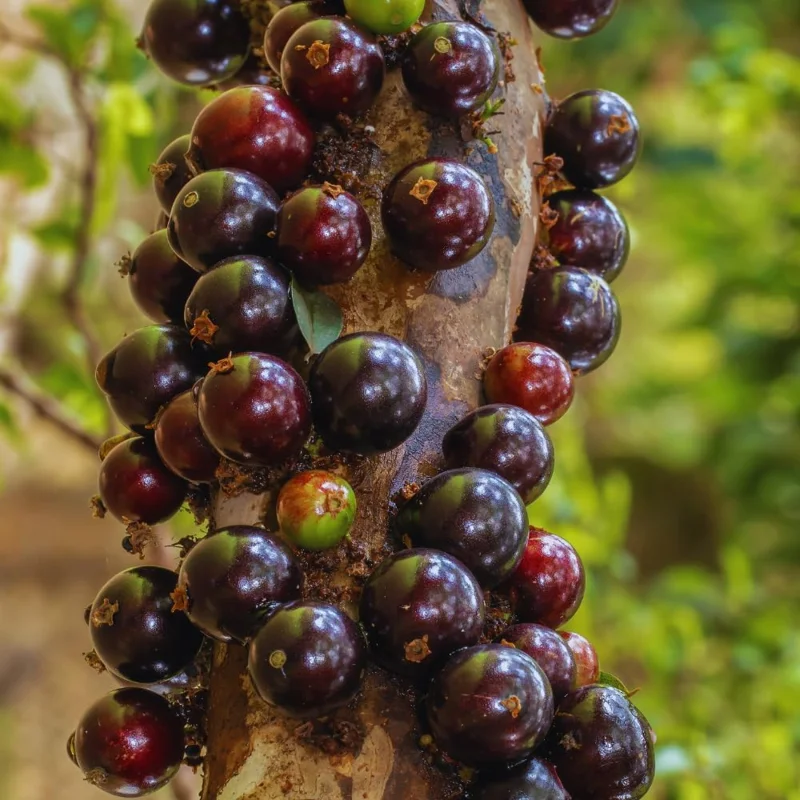
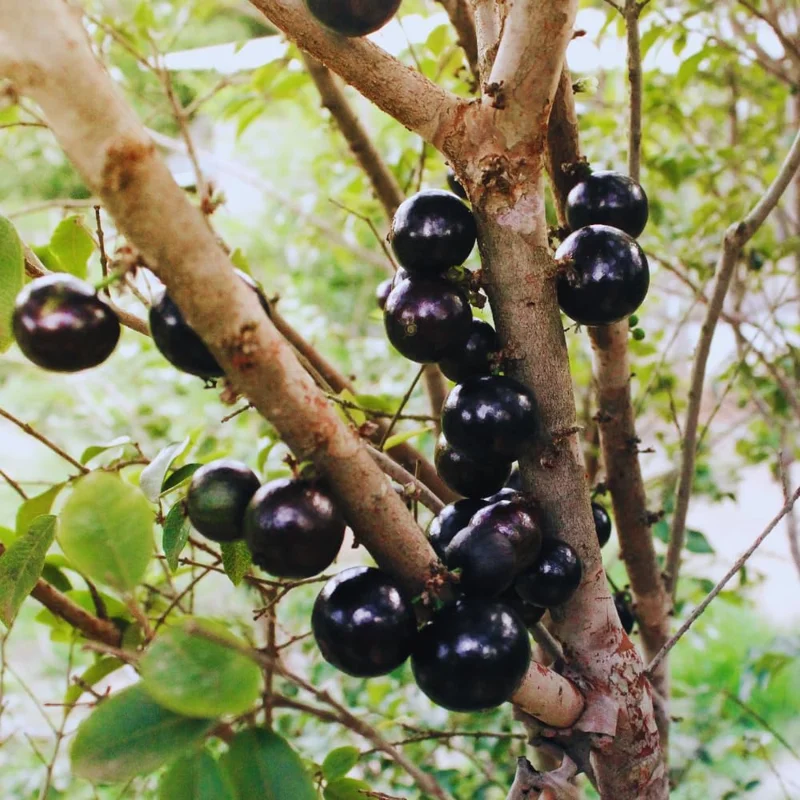
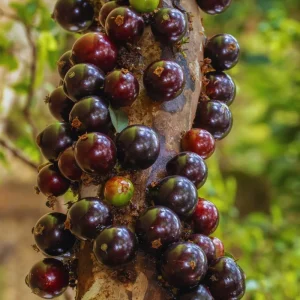
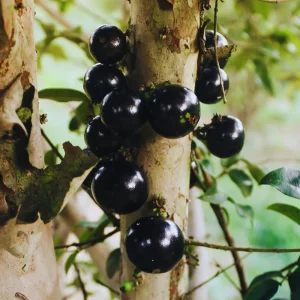
Bring the tropics to your garden or home with a vibrant black jaboticaba tree live plant. This captivating fruit tree, scientifically known as Myrciaria cauliflora or Plinia cauliflora, is renowned for its unique growth habit where fruits develop directly on the trunk and branches. Originating from Brazil, the jaboticaba is often called the ‘Brazilian grapetree’ due to its grape-like fruit. Our 1-foot tall specimen provides a head start for enthusiasts eager to grow this exotic and rewarding plant. Perfect for those looking to expand their edible landscape or add a distinctive conversation piece to their plant collection, this black jaboticaba tree live plant promises both ornamental beauty and delicious, sweet fruit.
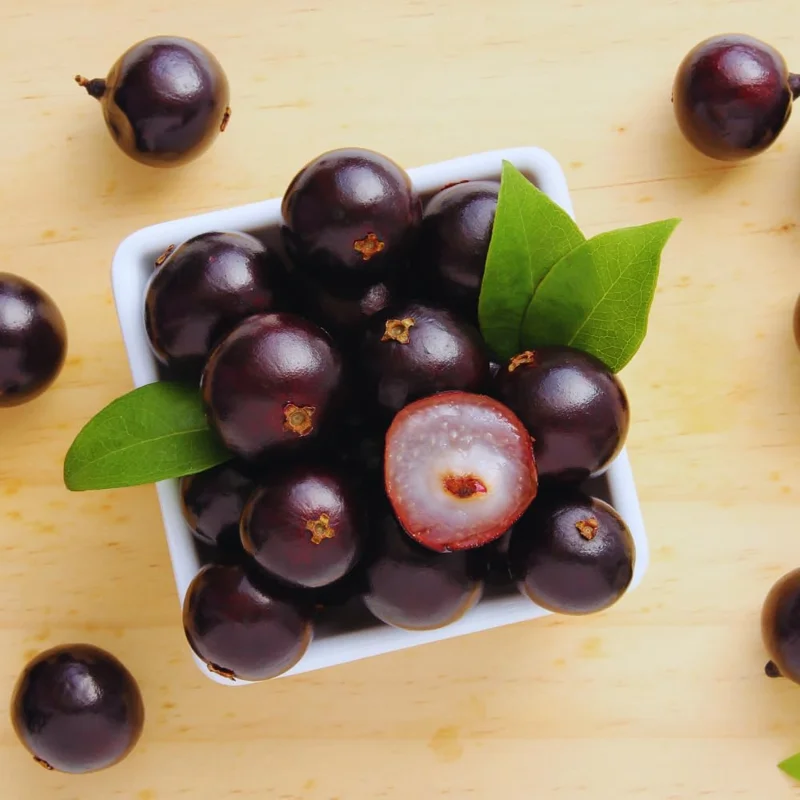
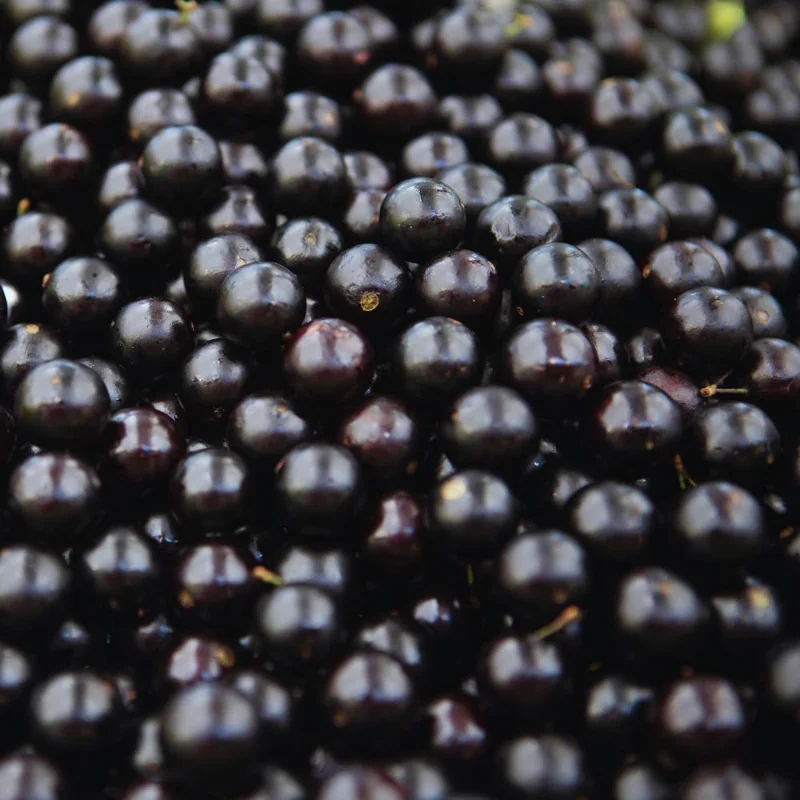
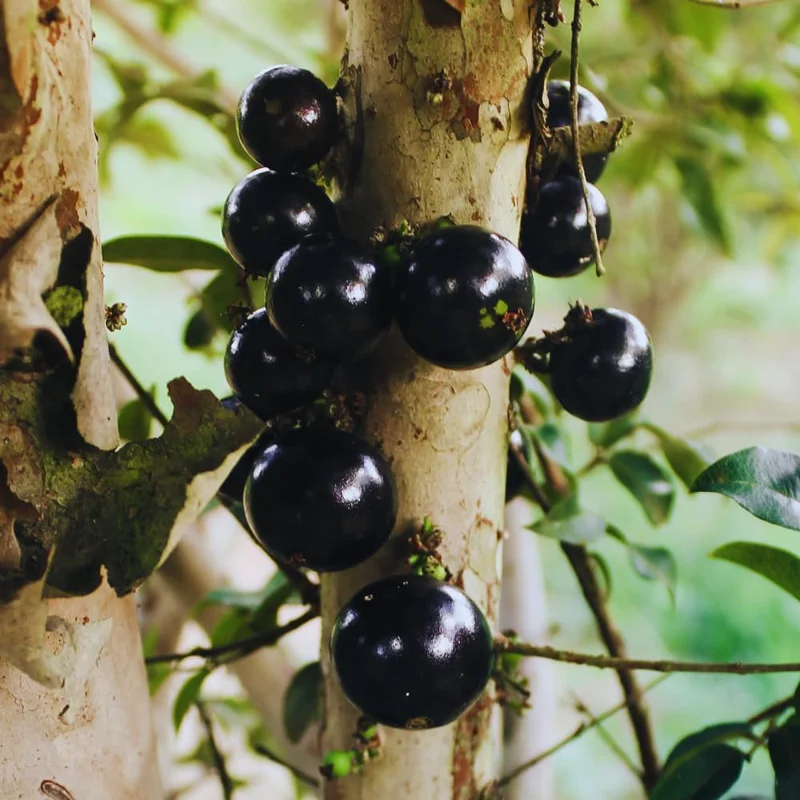
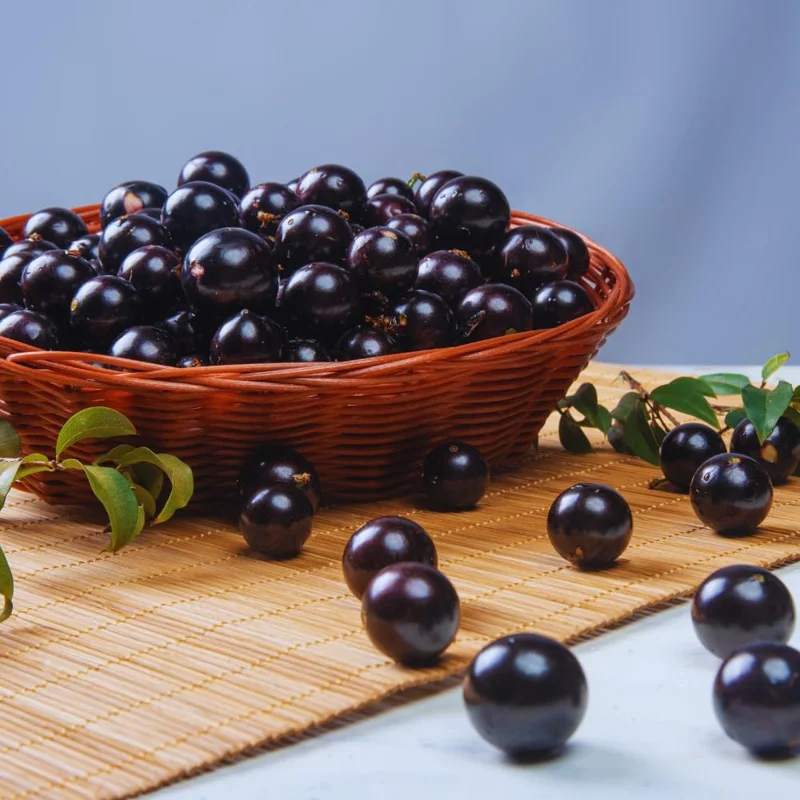
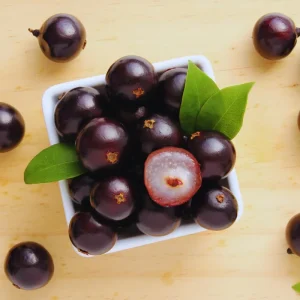
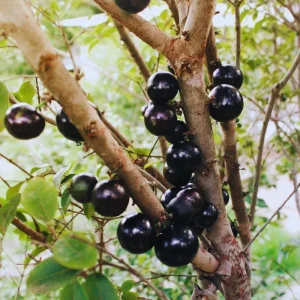
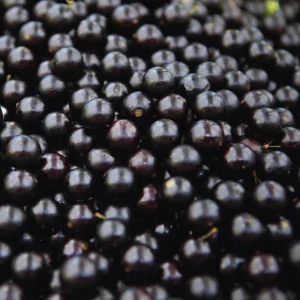
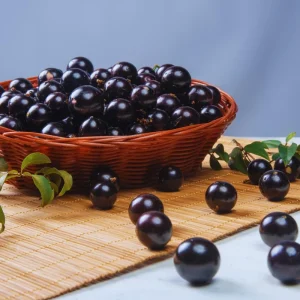
The black jaboticaba tree live plant offers a fascinating botanical experience. Unlike most fruit trees, its dark purple, almost black, berries emerge directly from the woody parts of the tree, creating a stunning visual display when in fruit. These sweet and juicy fruits are excellent for fresh eating, making jams, jellies, or even wine. With proper care, even a young tree like this 1-foot specimen can begin to produce fruit, providing a truly unique and satisfying gardening endeavor. Discover the joy of growing your own exotic produce with this remarkable tree.
Key Benefits
Adding a black jaboticaba tree live plant to your collection offers numerous advantages, from its unique aesthetics to its delicious harvest. This adaptable fruit tree is a fantastic choice for various growing environments.
- Exotic Fruit Production: Enjoy the rare and delightful experience of harvesting sweet, grape-like fruits directly from the trunk and branches of your own brazilian jaboticaba fruit tree. These berries are perfect for fresh consumption, making preserves, or unique beverages.
- Unique Ornamental Appeal: The distinctive cauliflorous fruiting habit, where fruits grow directly on the bark, creates an eye-catching display, making it a focal point in any garden or indoor space. Its glossy green foliage adds to its tropical charm.
- Adaptable Growing Conditions: While thriving in tropical climates, the jaboticaba can be successfully grown in containers, allowing it to be moved indoors during cooler months in non-tropical regions, extending its reach to more gardeners.
- Long-Lived & Productive: Jaboticaba trees are known for their longevity and can produce multiple flushes of fruit throughout the year once established, offering a continuous supply of fresh, homegrown produce.
- Culinary Versatility: Beyond fresh eating, the sweet-tart flavor of jaboticaba fruit lends itself well to a variety of culinary applications, from desserts to sauces, providing a unique ingredient for adventurous cooks.
- Educational Value: Growing a grapetree for gardening like the jaboticaba offers a wonderful educational opportunity, teaching about unique plant biology and the diversity of fruit production.
- Potential for Indoor Cultivation: With adequate light and care, this black jaboticaba tree live plant can thrive indoors, bringing a touch of the exotic to your home even in colder climates.
Plant Care & Growing Tips
Caring for your black jaboticaba tree live plant is a rewarding experience that requires attention to its specific needs to ensure healthy growth and abundant fruiting. Jaboticabas prefer a warm, humid environment, mimicking their native Brazilian habitat. For outdoor planting, they thrive in USDA Hardiness Zones 9-11, where they can enjoy full sun exposure. In cooler climates, container growing is recommended so the plant can be brought indoors when temperatures drop below 40°F (4°C).
When it comes to watering, jaboticabas appreciate consistent moisture but dislike soggy roots. The soil should be kept evenly moist, especially during flowering and fruiting periods. Allow the top inch or two of soil to dry out slightly between waterings. Well-draining soil is crucial; a slightly acidic to neutral pH (5.5-6.5) is ideal. A good quality potting mix enriched with organic matter works well for container plants. Fertilize regularly during the growing season (spring through fall) with a balanced, slow-release fertilizer or an organic fruit tree fertilizer to support the growth and fruit production of your jaboticaba plant care routine.
Pruning is generally minimal, focused on shaping the tree and removing any dead or diseased branches. Young trees like this 1-foot specimen can be trained to a single trunk or a bushier form. Protect young trees from strong winds and ensure they receive sufficient light. While generally robust, keep an eye out for common pests like aphids or scale, treating them promptly with horticultural oil or insecticidal soap if necessary. Understanding the specific needs of your myrciaria cauliflora tree will lead to a thriving, fruit-bearing plant.
Size & Details
This offering is for one black jaboticaba tree live plant, which stands approximately 1 foot (12 inches) tall from the base of the pot to the tip of the foliage. It typically arrives in a nursery pot, ready for transplanting into a larger container or directly into the ground if your climate permits. Jaboticaba trees are relatively slow-growing, especially when young, but with proper care, they can eventually reach heights of 10-15 feet in cultivation, or even taller in ideal conditions. When grown in containers, their size can be managed through pruning.
The tree exhibits a moderate growth rate, and while it may take a few years for a young plant to start fruiting, the wait is well worth it for the delicious harvest. The plant forms a dense, rounded canopy with attractive, dark green, glossy leaves. The fruits, which are about 1 inch in diameter, appear in flushes, often several times a year in warm climates. This 1-foot specimen provides a solid foundation for establishing a productive and beautiful brazilian jaboticaba fruit tree in your garden or home.
Frequently Asked Questions
- Q: How big does this plant get? A: This black jaboticaba tree live plant is currently 1 foot tall. With proper care, it can grow to 10-15 feet tall in gardens or can be maintained at a smaller size through pruning in containers.
- Q: What size pot does it come in? A: The plant typically arrives in a standard nursery pot, suitable for its current size, and will need to be repotted into a larger container or planted in the ground upon arrival.
- Q: Is this an indoor or outdoor plant? A: It can be both. It thrives outdoors in USDA Zones 9-11. In cooler climates, it should be grown in a container and brought indoors during cold weather, making it an excellent grapetree for gardening in diverse environments.
- Q: How much sunlight does it need? A: The black jaboticaba tree live plant prefers full sun, meaning at least 6-8 hours of direct sunlight per day. If grown indoors, place it near a bright, south-facing window or use supplemental grow lights.
- Q: Is this plant easy to care for? A: Jaboticabas are moderately easy to care for. They require consistent watering, well-draining soil, and protection from freezing temperatures. Once established, they are quite resilient.
- Q: What condition will it arrive in? A: Your black jaboticaba tree live plant will arrive carefully packaged as a healthy, live specimen, ready for planting or repotting. We take great care to ensure its safe journey.
- Q: Is it shipped in soil? A: Yes, the plant is shipped rooted in its nursery pot with soil to ensure its health and vitality during transit.
- Q: How long until it blooms and fruits? A: While this 1-foot plant is young, jaboticabas can begin fruiting within a few years from this size. Maturity and consistent fruiting will increase with age.
- Q: When is the best time to plant? A: The best time to plant outdoors is in spring or early summer after the last frost. Container plants can be repotted any time of year.
- Q: Will it survive winter in my zone? A: If you are outside USDA Zones 9-11, your brazilian jaboticaba fruit tree will need protection from frost. Bring container plants indoors when temperatures consistently drop below 40°F (4°C).
- Q: What type of soil does it prefer? A: It prefers a rich, slightly acidic to neutral (pH 5.5-6.5), well-draining soil. A mix of potting soil, compost, and perlite is often ideal for container growing.


Reviews
There are no reviews yet.