Overview
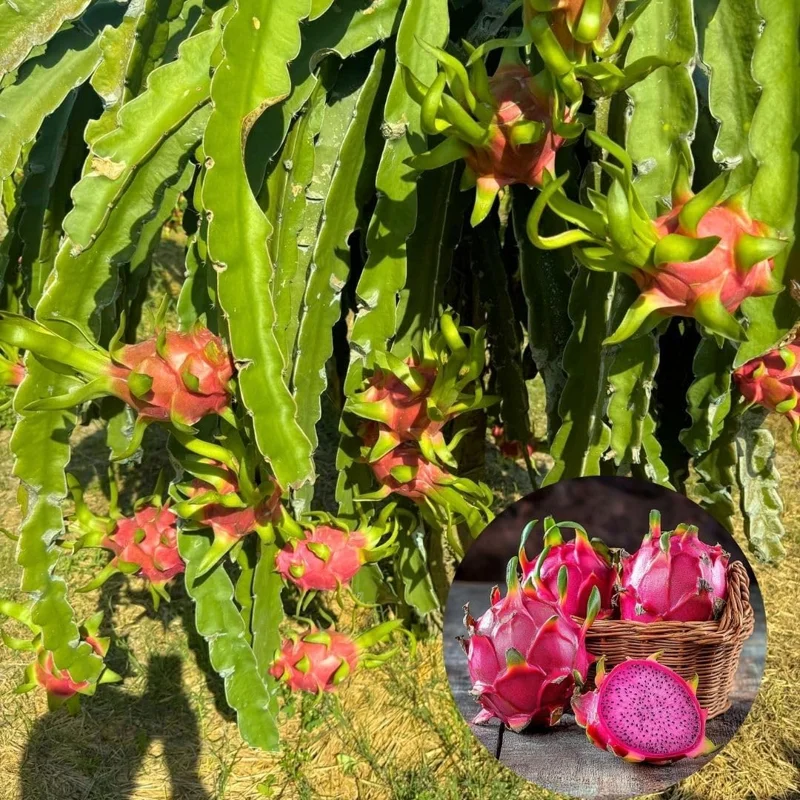
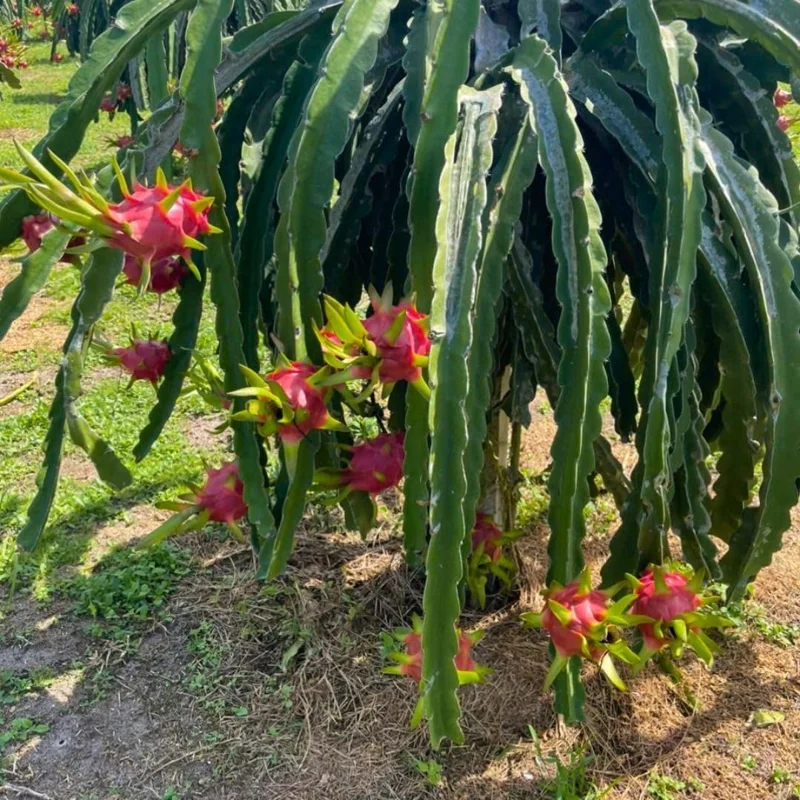
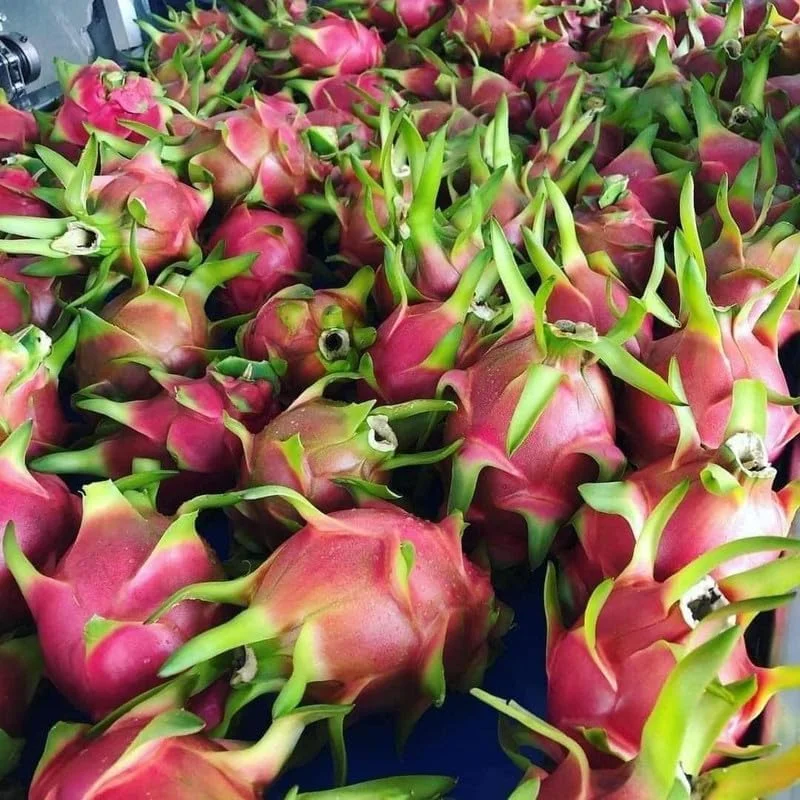
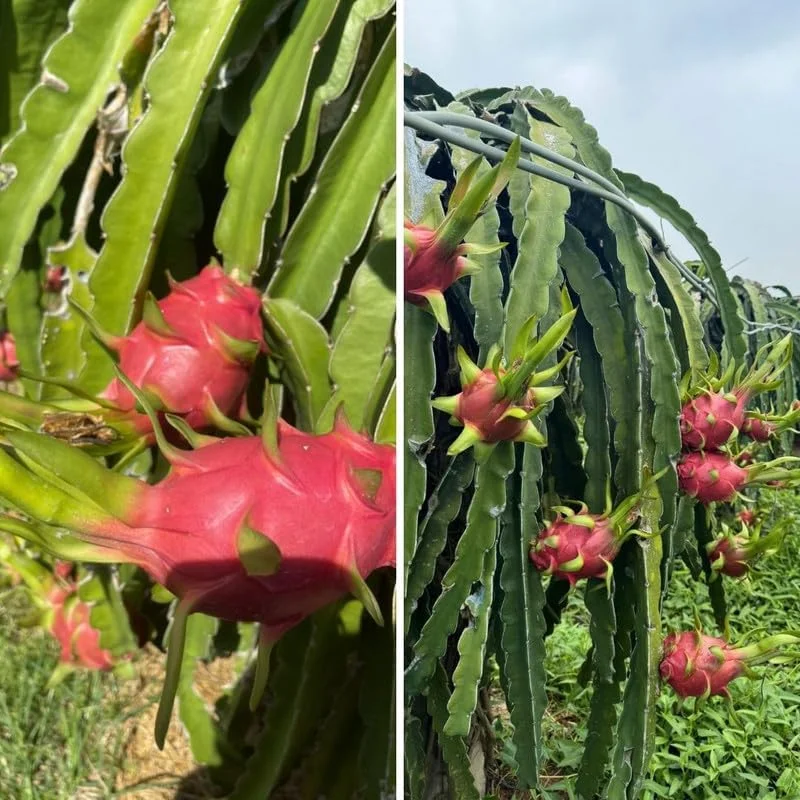
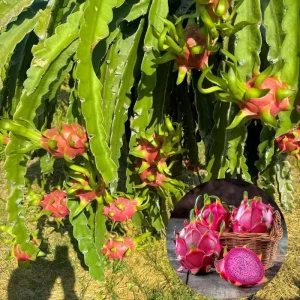
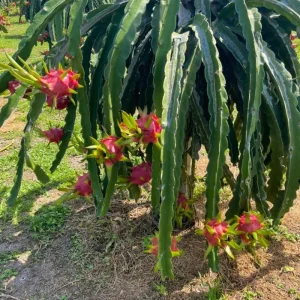
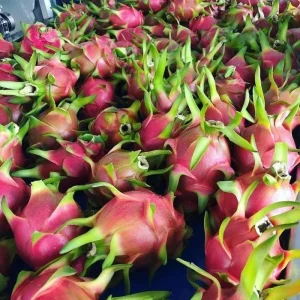
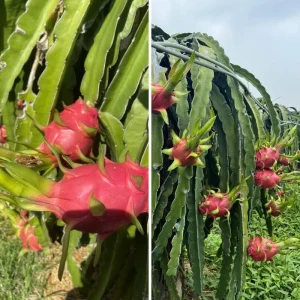
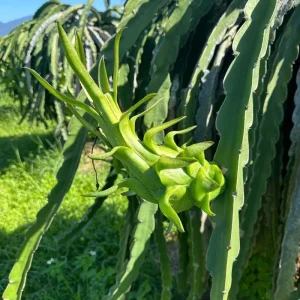
Bring the exotic beauty and delicious taste of the tropics to your home with this stunning red dragon fruit live plant. Also known as Pitaya, this unique succulent vine produces vibrant, sweet, and juicy red-fleshed fruit. Our red dragon fruit live plant is a young, healthy specimen, typically measuring 12-15 inches tall, ready to be planted in your garden or a large container. Perfect for enthusiasts of tropical fruits, this plant offers both ornamental appeal and a rewarding harvest. It’s an excellent choice for those looking to explore growing dragon fruit at home, providing a touch of the exotic with relatively straightforward care.
The Dragon Fruit (Hylocereus spp.) is a captivating climbing cactus that originates from Central and South America. Its striking nocturnal blooms are a spectacle, often referred to as ‘moonflowers,’ leading to the development of the iconic fruit. This particular variety, known for its red flesh, is highly sought after for its sweet flavor and nutritional benefits. Whether you’re an experienced gardener or a beginner, cultivating a tropical dragon fruit tree can be a deeply satisfying experience, yielding fresh, homegrown produce right from your patio or garden.
Key Benefits
Adding a red dragon fruit live plant to your collection offers numerous advantages, from aesthetic appeal to the joy of harvesting your own exotic produce. Here are some of the key benefits:
- Exotic Fruit Production: Harvest your own sweet and juicy red dragon fruit, packed with antioxidants and vitamins. Enjoy fresh consumption or use in smoothies and desserts.
- Stunning Ornamental Value: The unique, vining cactus structure and large, fragrant nocturnal flowers make this plant a beautiful focal point in any garden or patio.
- Relatively Easy to Grow: Once established, the red dragon fruit live plant is known for its resilience and can thrive with moderate care, making it suitable for various gardening skill levels.
- Container Gardening Friendly: This plant adapts well to large containers, making it perfect for patios, balconies, or smaller gardens where space is limited.
- Promotes Healthy Eating: Having fresh, homegrown dragon fruit readily available encourages a healthier diet and provides a unique culinary experience.
- Long Growing Season: With proper care and suitable climate, this tropical dragon fruit tree can produce fruit over an extended period from spring to fall.
- Unique Garden Addition: Stand out from traditional gardens with a vibrant and unusual fruit-bearing plant that sparks conversation and curiosity.
Plant Care & Growing Tips
Caring for your red dragon fruit live plant is crucial for its health and fruit production. This tropical cactus thrives in specific conditions, similar to its native habitat. It absolutely loves sunlight, requiring at least 6-8 hours of direct full sun exposure daily to flourish and produce fruit. If growing indoors or in a greenhouse, ensure it receives ample bright light. For outdoor planting, choose a location that gets morning sun and some afternoon shade in extremely hot climates to prevent scorching. Adequate light is essential for robust growth and successful fruit development.
Watering should be moderate and consistent, allowing the soil to dry out slightly between waterings. Overwatering can lead to root rot, which is detrimental to this cactus. During the growing season (spring and summer), water more frequently, reducing the amount in fall and winter. The ideal soil type for a red dragon fruit live plant is well-draining soil, preferably a sandy loam mix with good organic content. Good drainage is paramount to prevent waterlogging. Consider using a cactus or succulent potting mix if growing in containers. This plant is suitable for USDA Zones 10-11, preferring warmer climates. In cooler zones, it must be brought indoors during winter or protected from frost.
Fertilize your tropical dragon fruit tree during the growing season (spring to fall) with a balanced, slow-release fertilizer or a liquid feed rich in phosphorus and potassium to encourage flowering and fruiting. Avoid high-nitrogen fertilizers which can promote foliage growth at the expense of fruit. Support is essential for this vining cactus; it will need a strong trellis, post, or support structure to climb, mimicking its natural growth habit. Pruning can help manage its size and encourage better fruit production by removing old or damaged stems. Keep an eye out for common pests like aphids or mealybugs, treating them promptly with organic pest control methods. Understanding dragon fruit plant care will ensure a bountiful harvest.
Size & Details
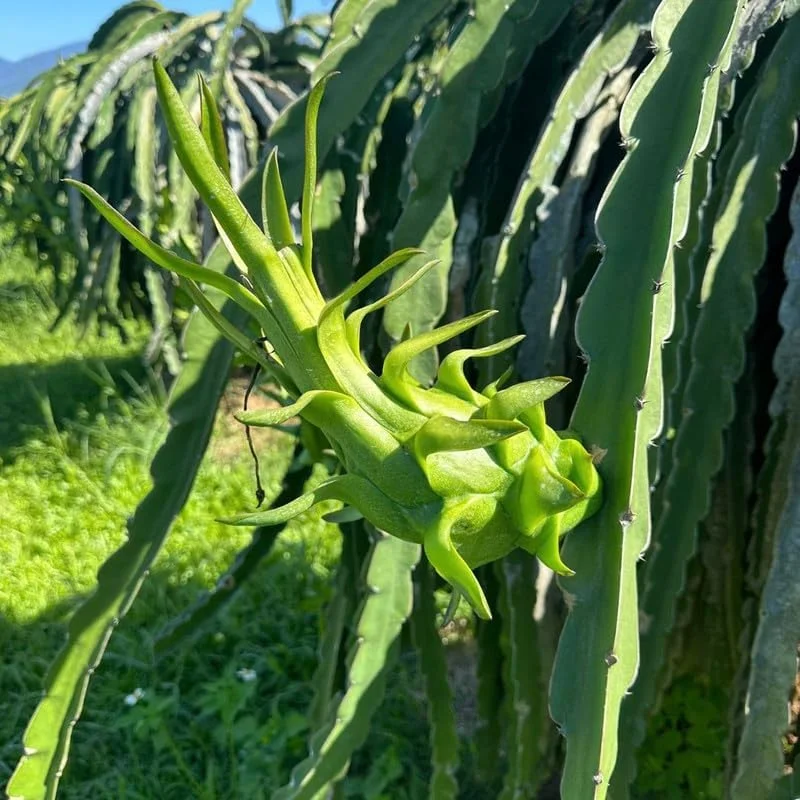
This offering is for one healthy red dragon fruit live plant, typically measuring 12-15 inches in height from the base of the plant to the tip of its tallest stem. It arrives as a live plant, usually in a quart-sized nursery pot, ready for transplanting into a larger container or directly into your garden. The plant is a young specimen, carefully nurtured to ensure its vitality upon arrival. While growth rates vary based on environmental conditions and care, with optimal conditions, this pitaya plant can grow vigorously, developing into a mature fruiting vine. Dragon fruit typically begins to bloom at night, with fruit ripening 6-8 months after flowering, ready for harvest when the skin turns pink or yellow, depending on the variety.
This tropical dragon fruit tree is known for its relatively fast growth once established, often reaching several feet in length. It’s important to provide adequate support for its vining habit. The plant’s stems are succulent and triangular, showcasing its cactus heritage. Expect a robust root system developed to facilitate easy transition to its new home. Our plants are carefully packaged to ensure they arrive in the best possible condition, ready for you to begin your journey of growing dragon fruit.
Frequently Asked Questions
- Q: How big does this plant get? A: This red dragon fruit live plant is shipped at 12-15 inches tall. With proper support and care, mature plants can grow several feet long, often reaching 10-20 feet if allowed to climb freely.
- Q: Is this an indoor or outdoor plant? A: While it is a tropical plant, it thrives outdoors in USDA Zones 10-11. In cooler climates, it can be grown in containers and brought indoors during colder months, making it versatile for both indoor and outdoor cultivation.
- Q: How much sunlight does it need? A: The red dragon fruit live plant requires full sun exposure, ideally 6-8 hours of direct sunlight per day, for optimal growth and fruit production.
- Q: Is this plant easy to care for? A: Yes, dragon fruit is considered relatively easy to care for once established. The main requirements are plenty of sunlight, well-draining soil, moderate watering, and a strong support structure for climbing.
- Q: What condition will it arrive in? A: Your tropical dragon fruit tree will arrive as a healthy, live plant in a nursery pot, carefully packaged to minimize stress during transit. We recommend transplanting it as soon as possible after arrival.
- Q: How long until it blooms? A: Dragon fruit plants typically start blooming and fruiting within 2-3 years from a young plant, though this can vary. Once established, blooms appear at night, and fruit ripens in about 6-8 months.
- Q: Can I grow this plant in a container? A: Absolutely! The pitaya plant is well-suited for container gardening, especially in regions outside its ideal hardiness zones. Ensure the container is large, has good drainage, and provides a sturdy trellis.
- Q: What is the best soil for this plant? A: This plant prefers well-draining soil. A mix formulated for cacti and succulents, or a sandy loam with added organic matter, will provide the best environment for healthy root development.
- Q: Will it survive winter in my zone? A: The red dragon fruit live plant is sensitive to frost and cold temperatures. If you are outside USDA Zones 10-11, you must provide winter protection or bring the plant indoors when temperatures drop below 40°F (4°C).
- Q: How often should I water my dragon fruit plant? A: Water moderately, allowing the top few inches of soil to dry out completely between waterings. Overwatering is a common mistake and can lead to root rot.


Reviews
There are no reviews yet.